If you're researching the Sigma 24-70mm f/2.8 Art lens, chances are you want one lens that can handle weddings, portraits, events, travel, video, and everyday professional work without forcing constant lens changes. This guide is for photographers and hybrid shooters who want to understand how a 24-70mm f/2.8 performs in the real world, what kinds of cameras pair best with that style of lens, and what practical shooting tips help you get the most from this fast standard zoom.
While the Sigma 24-70mm f/2.8 Art itself is not among the listed products here, the camera kits below represent the kinds of bodies many shoppers compare when building a versatile setup around a standard zoom. If you love the idea of a do-it-all lens with strong low-light capability and subject separation, these cameras are worth a closer look.
Why Photographers Love a 24-70mm f/2.8
A 24-70mm f/2.8 is often called the workhorse zoom for a reason. At 24mm, it is wide enough for landscapes, interiors, environmental portraits, and establishing shots. Around 35mm to 50mm, it feels natural for street, documentary, and lifestyle work. At 70mm, it gives you flattering compression for portraits and tighter event coverage. Add a constant f/2.8 aperture, and you get more flexibility in low light plus better background separation than a typical kit zoom.
In real-world use, this kind of lens shines when you need speed and consistency. Event shooters appreciate not having to rethink exposure while zooming. Portrait photographers like the ability to move from full-length to head-and-shoulders framing quickly. Video creators benefit from one focal range that covers interviews, b-roll, and walkaround shooting.
What Real World Performance Usually Means
When people ask about real-world performance, they are usually asking more than lab sharpness. They want to know:
- How sharp the lens is in the center and corners at f/2.8
- Whether autofocus keeps up with moving people
- How it handles backlight, flare, and contrasty scenes
- If the size and weight feel manageable on long shoots
- How useful the focal range feels for their actual work
With a fast standard zoom like the Sigma 24-70mm f/2.8 Art, the answers are usually strongest for event, portrait, commercial, and general-purpose shooting. The biggest tradeoff is weight: fast pro zooms are more capable than compact kit lenses, but they are also larger and more demanding on smaller bodies.
Who Should Consider a 24-70mm f/2.8 Setup
This lens category is especially appealing for:
- Wedding and event photographers who need speed and flexibility
- Portrait shooters who want one lens for environmental and tighter compositions
- Travel photographers who prefer one premium zoom over several primes
- Hybrid creators shooting both stills and video
- Enthusiasts ready to step up from slower kit lenses
If your shooting is mostly daytime casual snapshots, a lighter kit lens may be enough. But if you often work indoors, at golden hour, or in fast-changing conditions, a 24-70mm f/2.8 style setup can feel like a major upgrade.
Best Camera Pairings to Consider
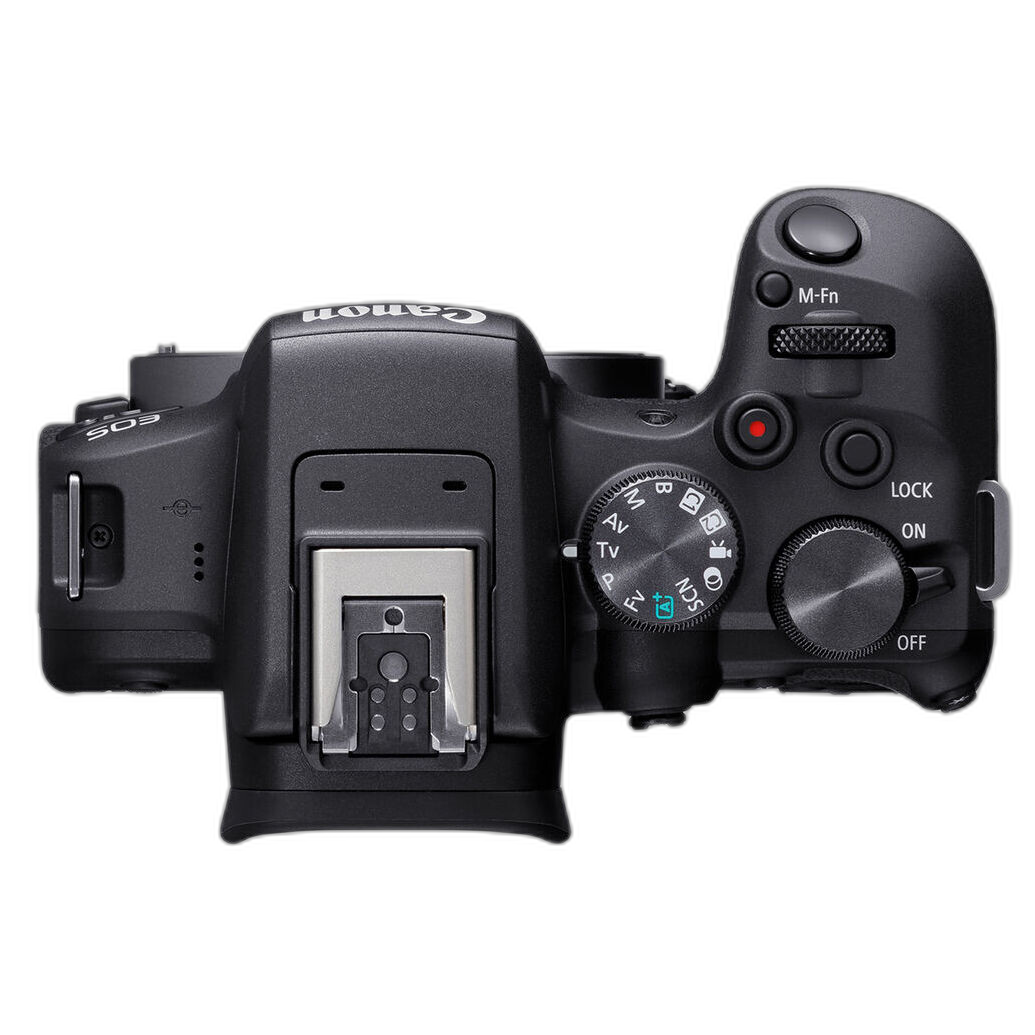
Canon EOS R10 Mirrorless Camera with 18-150mm Lens
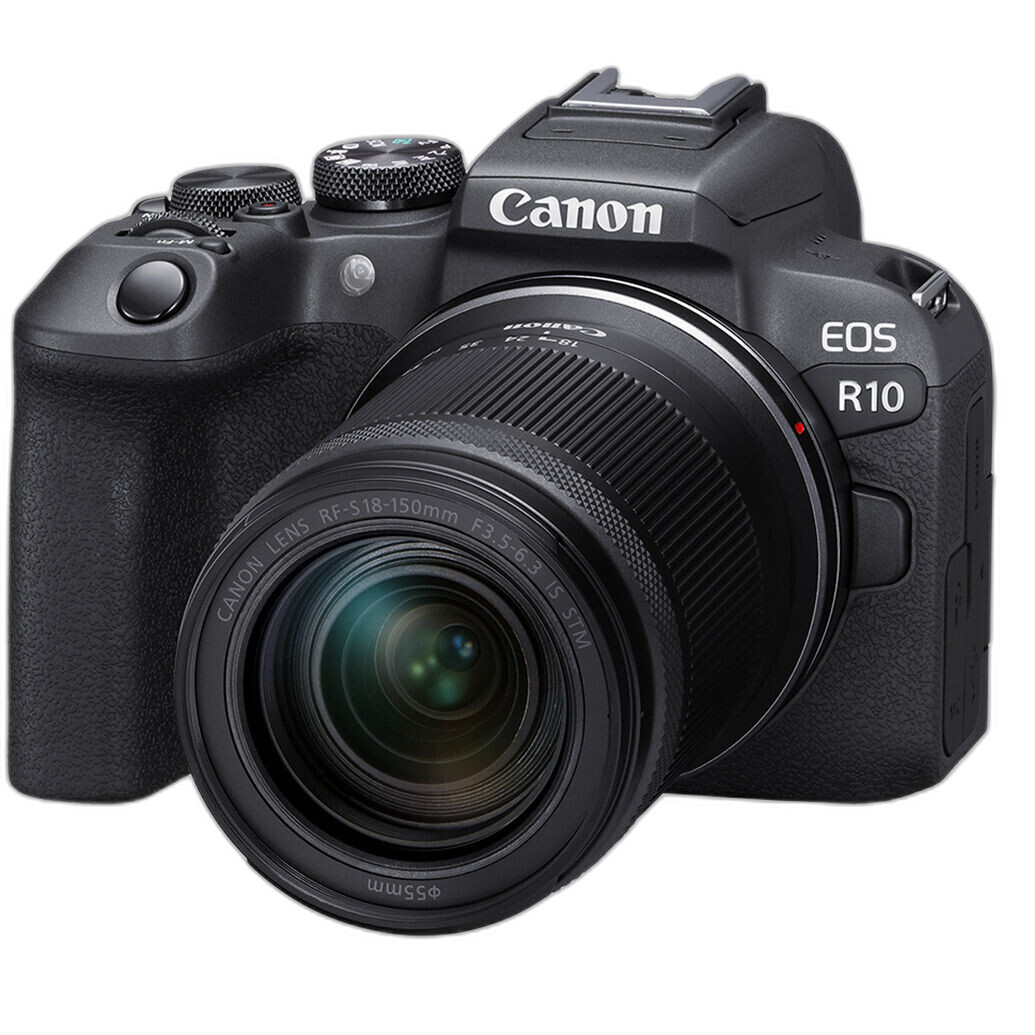
The Canon EOS R10 is a strong choice for photographers who want speed, modern autofocus, and room to grow into more advanced lenses later. Although the included 18-150mm lens emphasizes flexibility over a constant f/2.8 aperture, the R10 body itself is highly appealing for action, family, travel, and event coverage.
For shoppers interested in the Sigma 24-70mm f/2.8 concept, the R10 represents the kind of body that benefits from better glass. Its responsive handling and autofocus performance make it a smart match for users who eventually want faster lenses for subject isolation and low-light shooting.
- Best for: Enthusiasts, travel shooters, family photography, action-oriented users
- Why it pairs well with premium zoom thinking: Fast autofocus and capable handling reward lens upgrades
- Tradeoff: APS-C format changes the effective field of view compared to full-frame expectations
Canon EOS R50 Mirrorless Camera (Black) with RF-S 18-45mm and 55-210mm Lenses
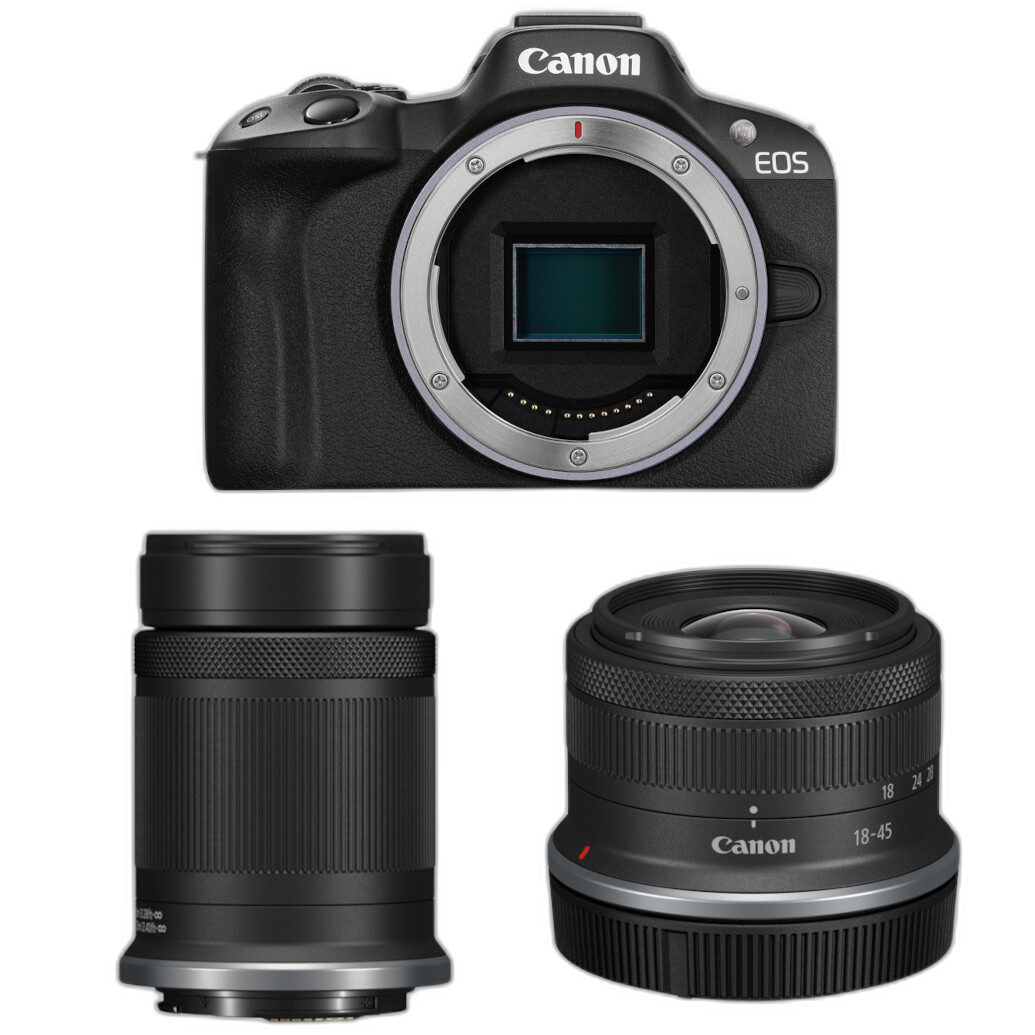
The EOS R50 is a user-friendly option for creators who want a lightweight camera system that can handle both stills and video. The dual-lens kit gives new photographers broad focal range coverage, which is helpful when learning what they actually use most often.
If the appeal of the Sigma 24-70mm f/2.8 is convenience plus quality, the R50 is a good stepping-stone body. It lets newer shooters start light, then move into faster, more specialized lenses as their style develops.
- Best for: Beginners, vloggers, casual hybrid creators
- Why it fits this conversation: A great entry point before investing in premium constant-aperture zooms
- Tradeoff: More beginner-oriented ergonomics than enthusiast or pro-focused bodies
Canon EOS R100 Double Lens Zoom Kit
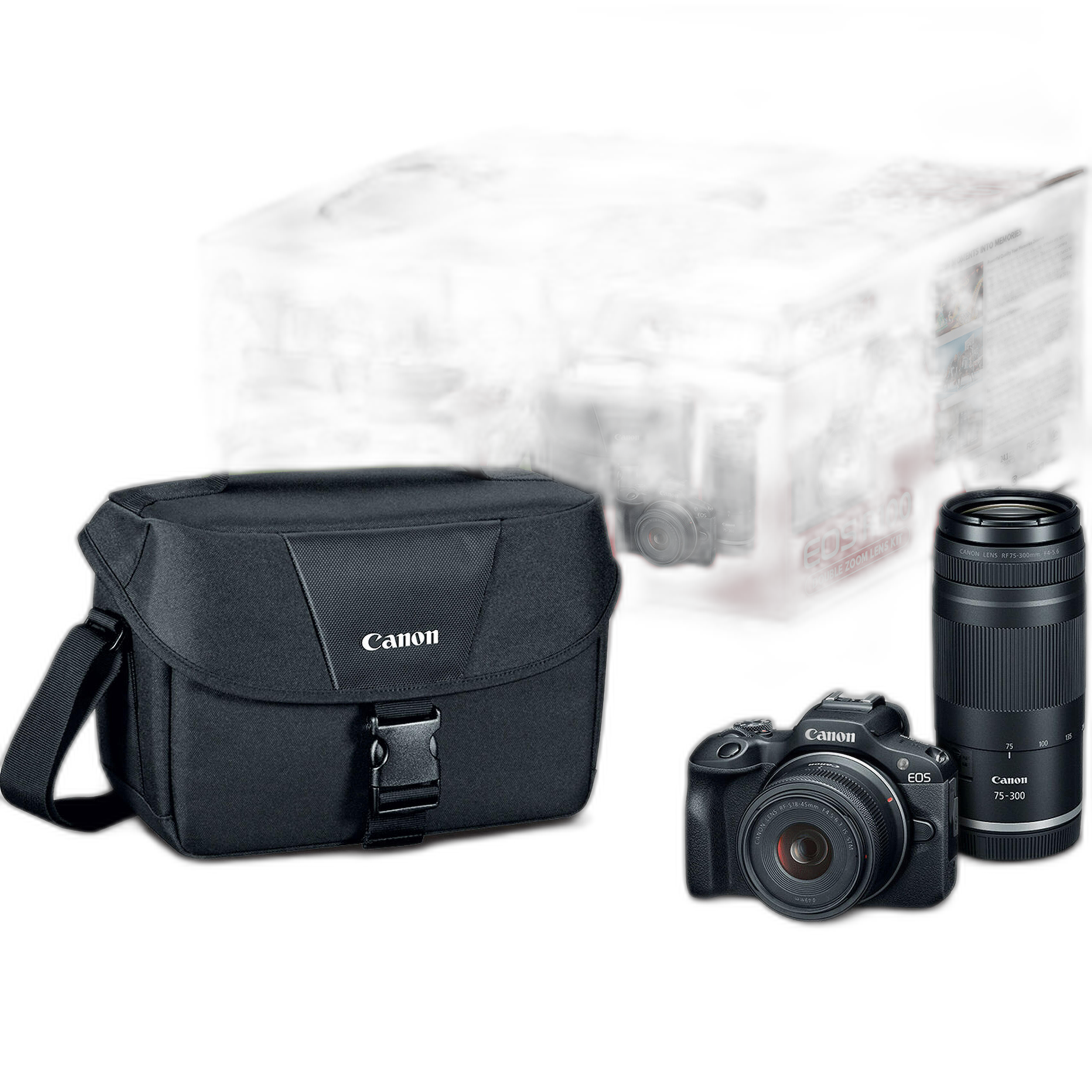
The EOS R100 is for value-focused photographers who want interchangeable-lens flexibility at a more accessible price. It is not the most obvious companion for a large, fast pro zoom, but it can make sense for shoppers who are building a system gradually.
Think of the R100 as the budget-conscious route: start with practical zoom coverage, learn your preferred focal lengths, and decide later whether a constant f/2.8 upgrade is truly necessary for your work.
- Best for: First-time camera buyers, budget-conscious photographers
- Why consider it: Affordable way into a system before committing to premium glass
- Tradeoff: Less ideal if you already know you want a more demanding pro-style setup
Canon EOS R10 Mirrorless Camera with 18-150mm Lens is our top recommendation in this group for photographers drawn to the Sigma 24-70mm f/2.8 Art lens experience. It offers the best balance of performance, autofocus, and long-term upgrade potential, making it the most natural choice for users who want to grow into a faster, more professional everyday zoom workflow.
FUJIFILM X-T30 III Mirrorless Camera Body with XC13-33mm Lens Kit - Black
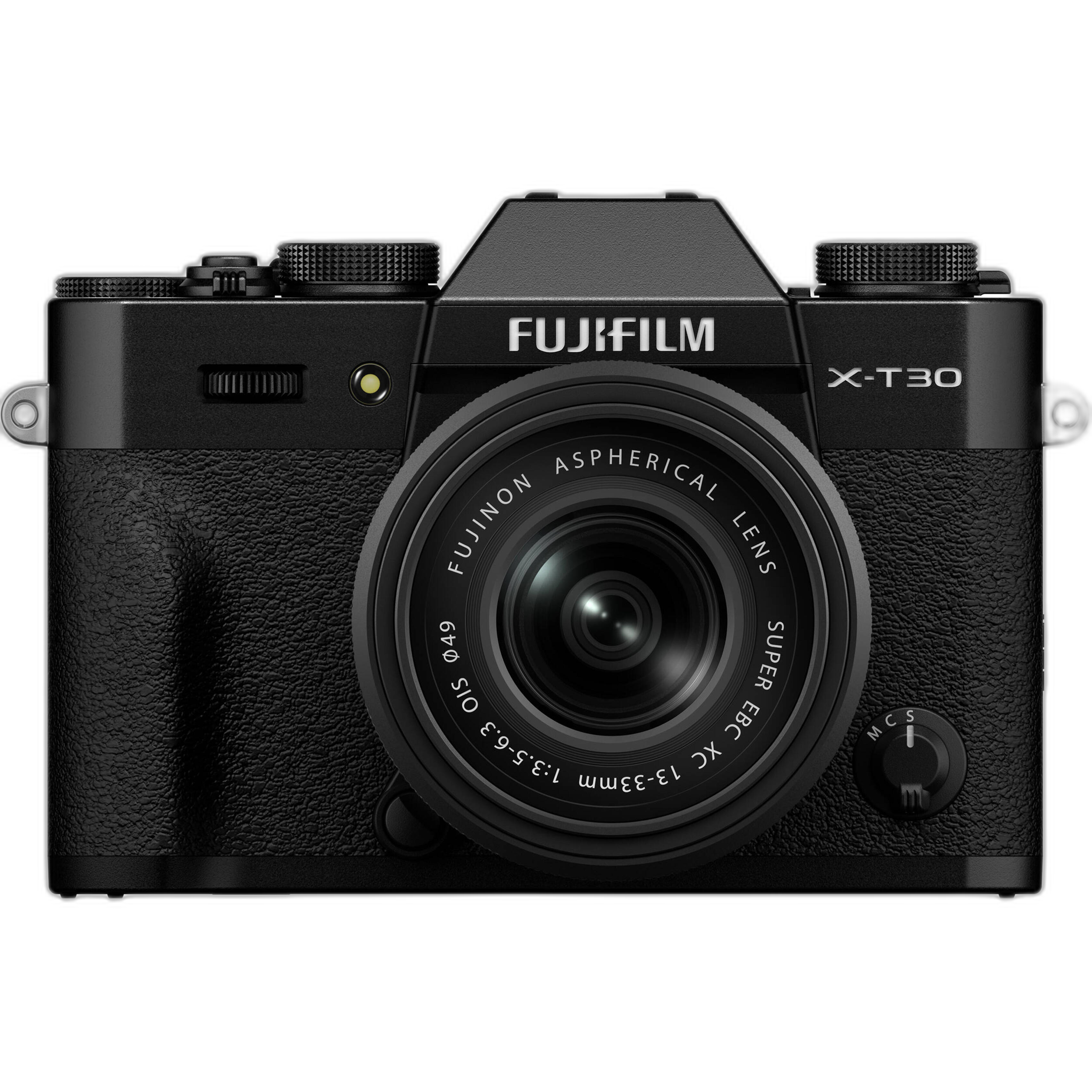
The Fujifilm X-T30 III is ideal for photographers who care about image character, tactile controls, and a compact enthusiast shooting experience. Fujifilm users often gravitate toward premium zooms and fast primes, so this camera fits nicely into the conversation around upgrading to more serious glass.
Its compact size is appealing, but remember that pairing small bodies with larger constant f/2.8 zooms changes the balance of the setup. For many photographers, that is still worth it for the image quality and versatility gains.
- Best for: Enthusiasts, street, travel, portrait, and lifestyle shooters
- Why it stands out: Great handling for photographers who want a more intentional shooting experience
- Tradeoff: Small body may feel less balanced with larger pro zooms
FUJIFILM X-T30 III Mirrorless Camera Body with XC13-33mm Lens Kit - Charcoal
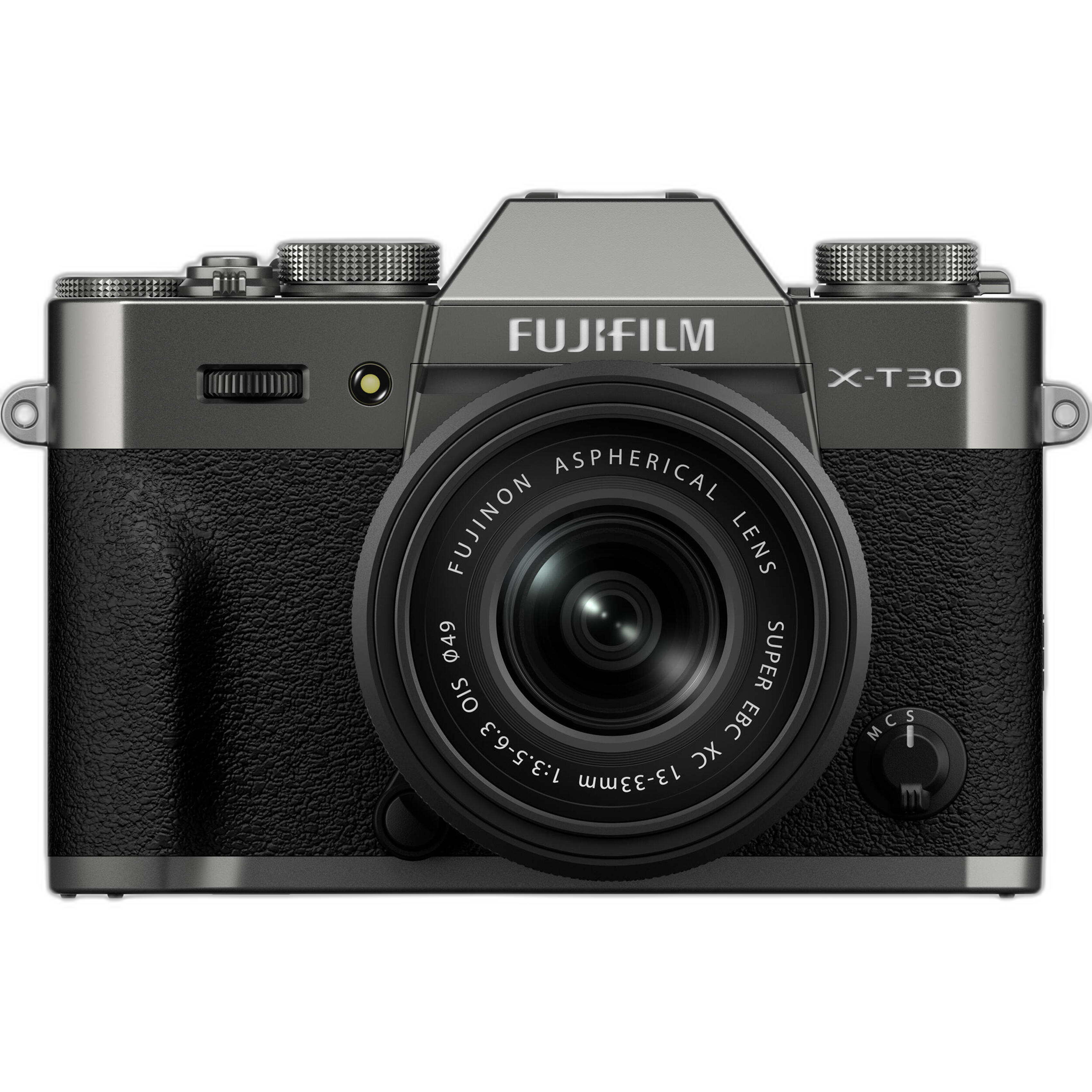
This version of the X-T30 III offers the same core strengths in a different finish. For buyers who want a stylish, capable mirrorless camera that can evolve from lightweight kit zoom use into a more advanced lens setup, it remains a smart option.
If your idea of real-world performance includes portability and enjoyment as much as technical output, the X-T30 III deserves consideration.
- Best for: Style-conscious enthusiasts and everyday carry photographers
- Why it fits: Compact, capable, and upgrade-friendly
- Tradeoff: Better for photographers prioritizing size than for those wanting the most substantial grip
OM SYSTEM OM-5 Mirrorless Camera (Black) with 12-45mm f/4.0 PRO Lens
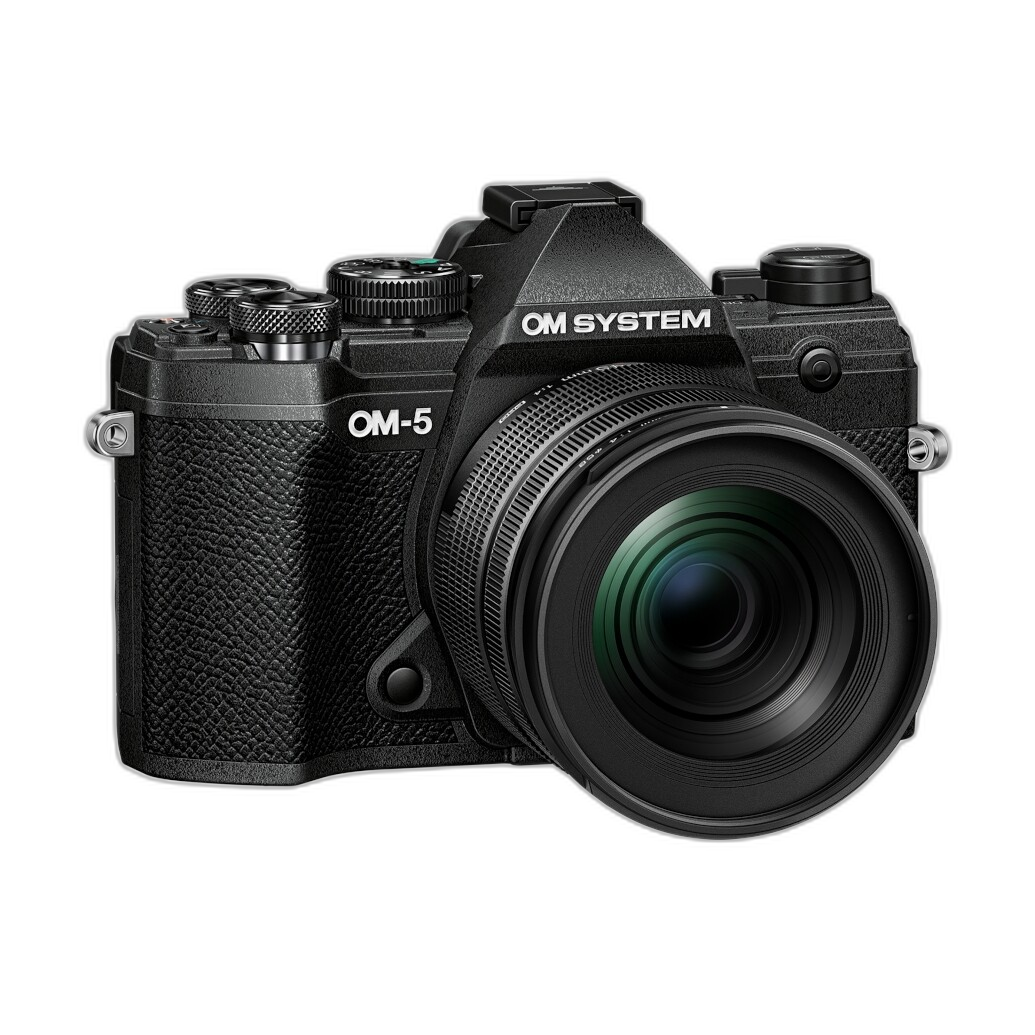
The OM-5 takes a different path. Instead of building around a large f/2.8 standard zoom, it leans into portability, weather resistance, and practical field use. The included 12-45mm f/4 PRO lens is not a direct replacement for a 24-70mm f/2.8 concept, but it appeals to photographers who want dependable image quality in a smaller package.
For hiking, travel, and outdoor photography, the OM-5 may actually be the better real-world choice if you value carrying comfort over maximum shallow depth of field.
- Best for: Travel, outdoor, hiking, and lightweight all-day shooting
- Why consider it: Excellent alternative for photographers tempted by a 24-70mm f/2.8 but worried about bulk
- Tradeoff: Different sensor format and slower aperture philosophy
Comparison Table
| Product | Best For | Strength Relative to a 24-70mm f/2.8 Workflow | Main Tradeoff |
|---|---|---|---|
| Canon EOS R10 with 18-150mm | Enthusiasts and fast-moving subjects | Strong autofocus and upgrade path | Not a constant f/2.8 kit lens |
| Canon EOS R50 Double Lens Kit | Beginners and hybrid creators | Versatile starter system | Less enthusiast-oriented handling |
| Canon EOS R100 Double Lens Kit | Budget buyers | Accessible entry into interchangeable lenses | Less ideal for a pro-style lens pairing |
| FUJIFILM X-T30 III Kit | Enthusiasts and travel shooters | Compact, tactile, image-focused experience | Smaller body with large lenses |
| OM SYSTEM OM-5 with 12-45mm f/4 PRO | Outdoor and lightweight travel shooters | Portable alternative to heavier setups | Less shallow depth of field emphasis |
Practical Tips for Getting the Most from a 24-70mm f/2.8 Style Lens
1. Use 24mm intentionally. The wide end is powerful, but it can exaggerate perspective if you get too close to faces. For portraits, step back a little and be mindful of edges.
2. Lean on 50-70mm for flattering people shots. This is often the sweet spot for portraits, event candids, and detail images.
3. Don’t shoot everything at f/2.8. Use it when you need light or separation, but stop down to f/4 or f/5.6 for groups, travel scenes, and extra edge-to-edge sharpness.
4. Watch your shutter speed. A heavier lens setup benefits from good handholding technique. For moving subjects, keep shutter speed high enough to freeze both your motion and theirs.
5. Pay attention to balance. On smaller mirrorless bodies, adding a grip or using a strap can make longer sessions much more comfortable.
6. Learn your most-used focal lengths. Many photographers discover they spend most of their time at 24mm, 35mm, or 70mm. That can help guide future lens purchases too.
Should You Choose a Fast Standard Zoom or Stay with a Kit Lens?
If you shoot mostly in bright light, prioritize compactness, or are still figuring out your style, a kit lens may be the smarter and more economical choice. But if you regularly hit the limits of slower apertures, want more consistent exposure while zooming, or need a more polished professional look, a 24-70mm f/2.8 class lens makes a lot of sense.
That is why camera choice matters so much. A body with confident autofocus, good handling, and room to grow will help you take full advantage of a premium lens when the time is right.
Final Recommendation
For shoppers inspired by the Sigma 24-70mm f/2.8 Art lens and looking for the best body to support that kind of versatile, high-performance shooting, the Canon EOS R10 Mirrorless Camera with 18-150mm Lens is the strongest overall choice here. It offers the most compelling mix of speed, responsiveness, and future-ready upgrade potential.
If portability matters more than building around a larger fast zoom, the OM SYSTEM OM-5 is an excellent alternative. And if you are just getting started, the Canon EOS R50 is a friendly, flexible way to enter the system.
For more camera kits, lens pairings, and expert advice on building the right setup for your photography, shop with Unique Photo.