Shotgun Microphones on a Budget: Real‑World Tests, Community Takeaways, and Pro Tips for Cleaner Audio
Whether you’re shooting interviews, documentaries, or vlogs, a good shotgun microphone can make your video feel instantly more professional. In Unique Photo’s community discussions, creators have been putting popular models through their paces, sharing clips from noisy streets, echoey rooms, and windy parks. Below is a distilled guide to what they learned—plus practical techniques to get clean, consistent sound from affordable gear you can find at Unique Photo.
What Makes a Shotgun Mic Different—and When to Use One
Shotgun microphones use an interference tube to focus on what’s in front and reduce sound from the sides. This makes them ideal for dialog capture on location, voice isolation in chaotic environments, and run‑and‑gun video work. Compared with lavaliers and on‑camera built‑ins, a shotgun placed close to the subject (just out of frame) typically delivers cleaner, fuller speech with less room reverb.
- Outdoors: Short shotguns excel at rejecting traffic and wind when properly wind‑protected.
- Indoors: Keep the mic close; in very reflective rooms, a hypercardioid or a carefully boomed short shotgun often performs best.
- On‑camera vs. boomed: On‑camera is convenient but farther from talent; booming or stand‑mounting the mic just above frame usually sounds better.
Community Comparisons: Budget vs. Pro Shotguns
Our members compared affordable on‑camera mics with more advanced location options. The big differences they heard:
- Noise floor and detail: Higher‑end mics typically have lower self‑noise and smoother high‑frequency detail.
- Off‑axis coloration: Premium tubes color reflections less, helping dialog remain natural in reflective spaces.
- Build and weather resistance: Pro options often handle humidity and rough use better.
Examples frequently mentioned:
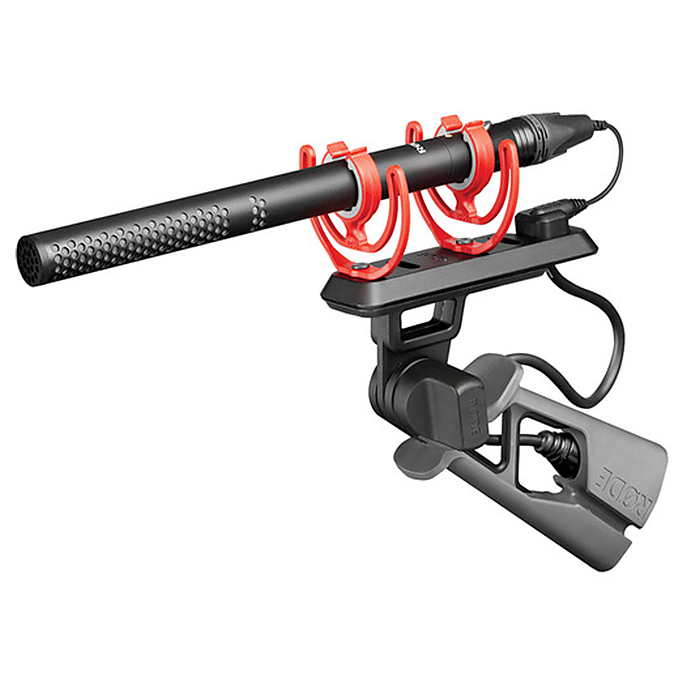
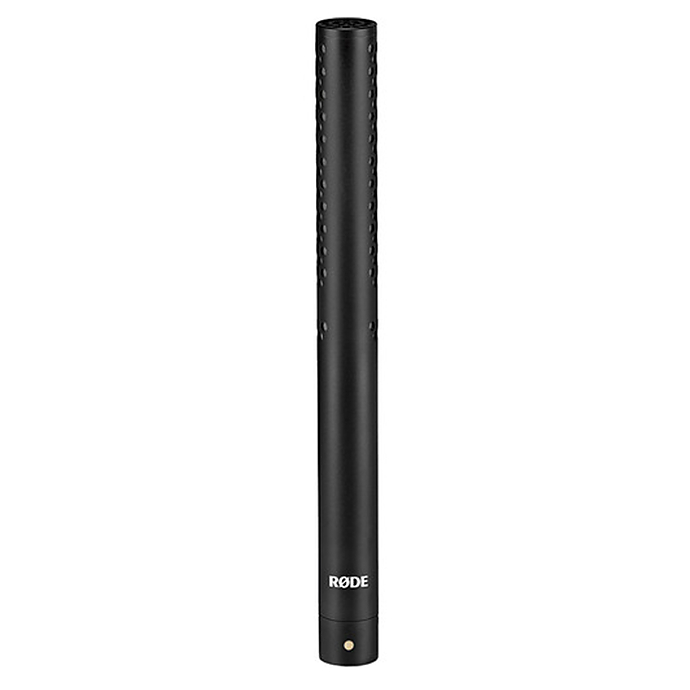
- Rode NTG5 Moisture Resistant Shotgun Microphone Location Recording Kit – A lightweight, broadcast‑grade choice praised for its balanced tone and weather resilience for all‑season location work.
- Sony ECM‑VG1 Short Shotgun Microphone – A compact XLR shotgun many consider a value pick for cameras and field recorders.
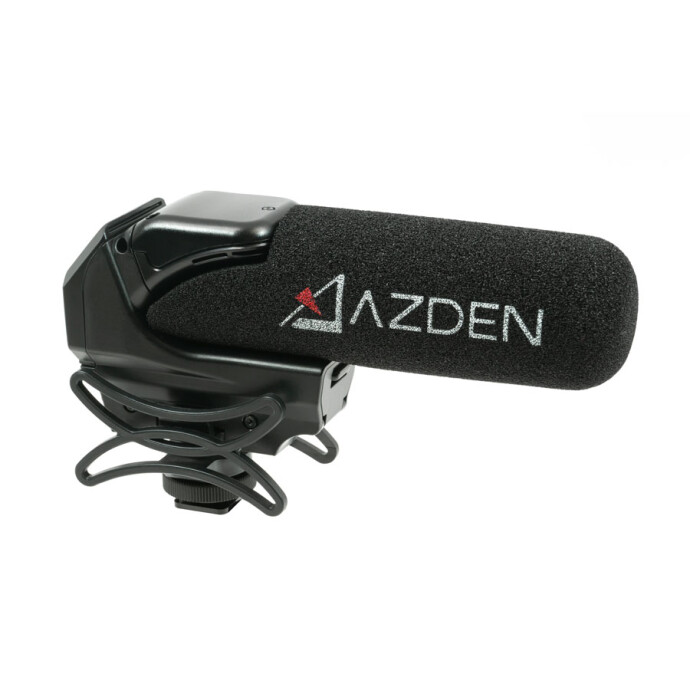
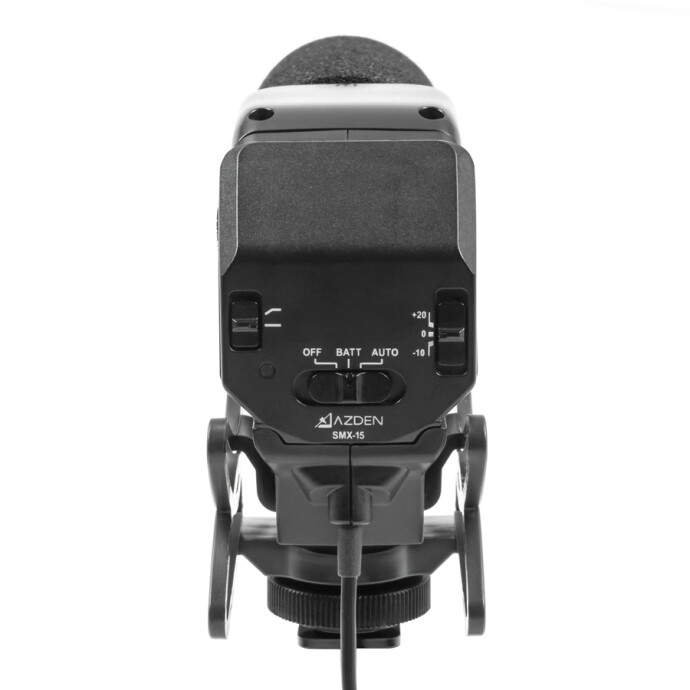
- Azden SMX‑15 Powered Shotgun Video Microphone – A convenient on‑camera solution with on‑board controls that pairs well with mirrorless bodies.
Real‑World Audio Samples: What to Listen For
When our community shares test clips, they focus on these details:
- Intelligibility: Are consonants crisp without sounding harsh?
- Room sound: How much echo or boxiness do you hear indoors?
- Off‑axis rejection: Does background chatter fall away when the mic points at the subject?
- Handling and wind noise: Do bumps and gusts rumble through, or stay controlled?
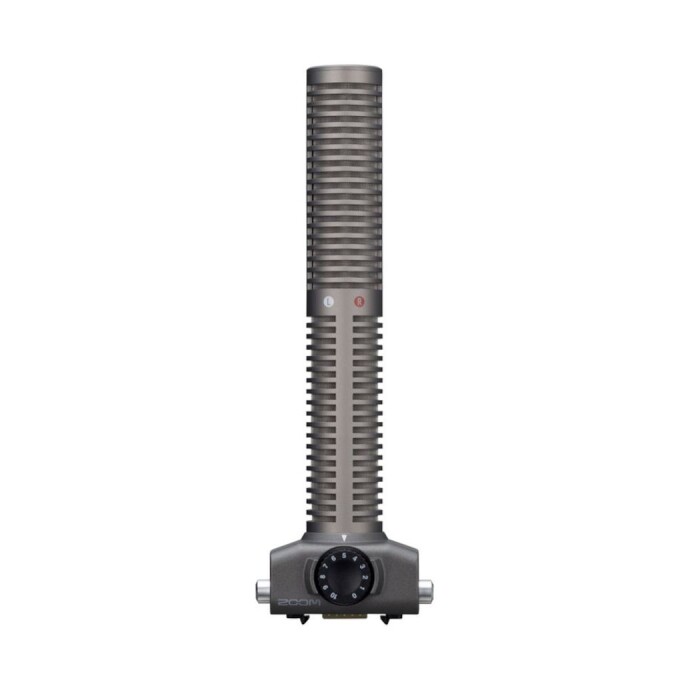
Try a simple test: record the same spoken passage outdoors on a breezy day, then indoors in an untreated room. Keep mic distance consistent (about 12–20 inches from the mouth), and enable a high‑pass filter to tame rumble. If you’re on a Zoom H5 or H6, the Zoom SSH‑6 Stereo Shotgun Microphone Capsule offers focused dialog plus side information you can decode for ambience control in post.
Affordable On‑Camera Options for Creators
For many run‑and‑gun shooters, an on‑camera shotgun balances portability and clarity. Community favorites at Unique Photo include:
- Azden SMX‑15 Powered Shotgun Video Microphone – A practical DSLR/mirrorless partner with gain control and filtering to reduce low‑frequency rumble.
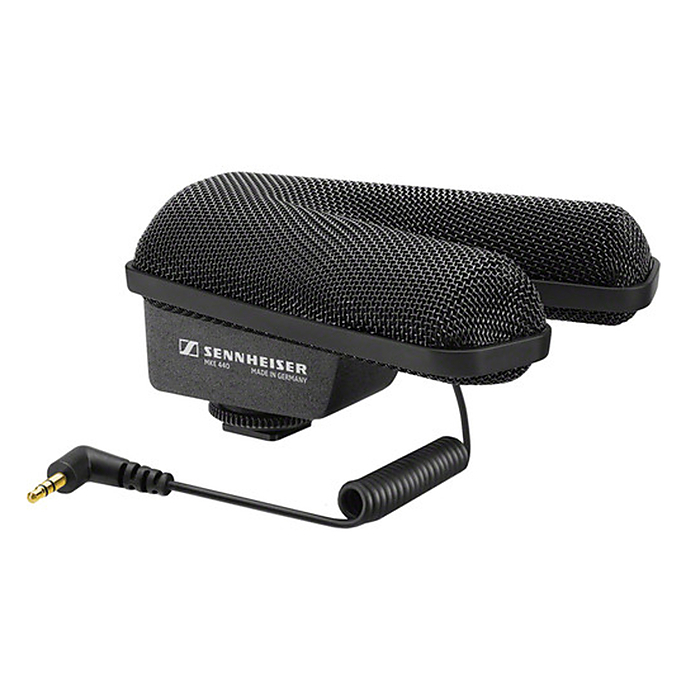
- Sennheiser MKE 440 Compact Stereo Shotgun – A dual‑capsule stereo design that keeps dialog centered while capturing a natural soundstage for events and b‑roll.
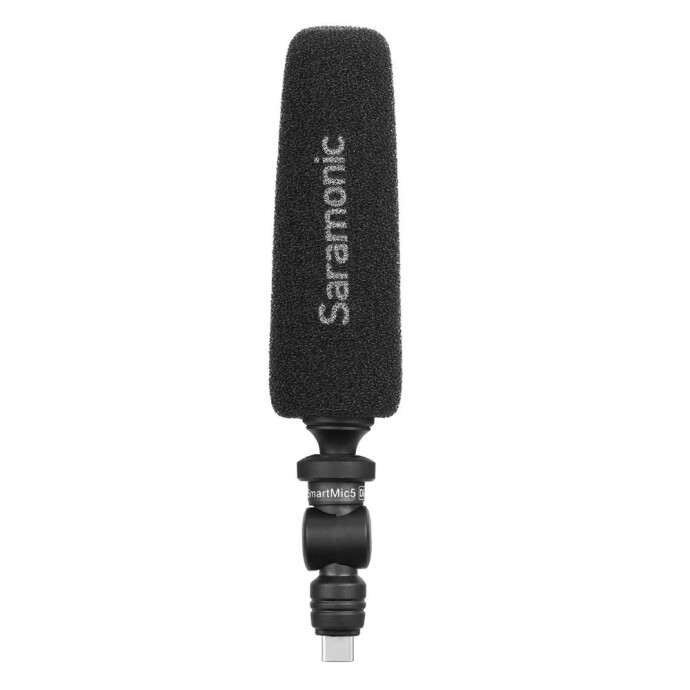
- Saramonic SmartMic5UC Mini Shotgun Microphone (USB‑C) – A pocketable option for phones, tablets, and USB‑C devices—great for mobile interviews and vlogging.
Placement and Technique: The Biggest Free Upgrade
No matter what you spend, technique is king:
- Get close: 12–20 inches from the talent is a good start. The closer the mic, the less room you hear.
- Aim properly: Point the capsule toward the mouth/chest area, just above frame. Angle slightly down to minimize ceiling reflections.
- Control the room: Turn off noisy appliances, add soft furnishings, and avoid positioning under bare ceilings.
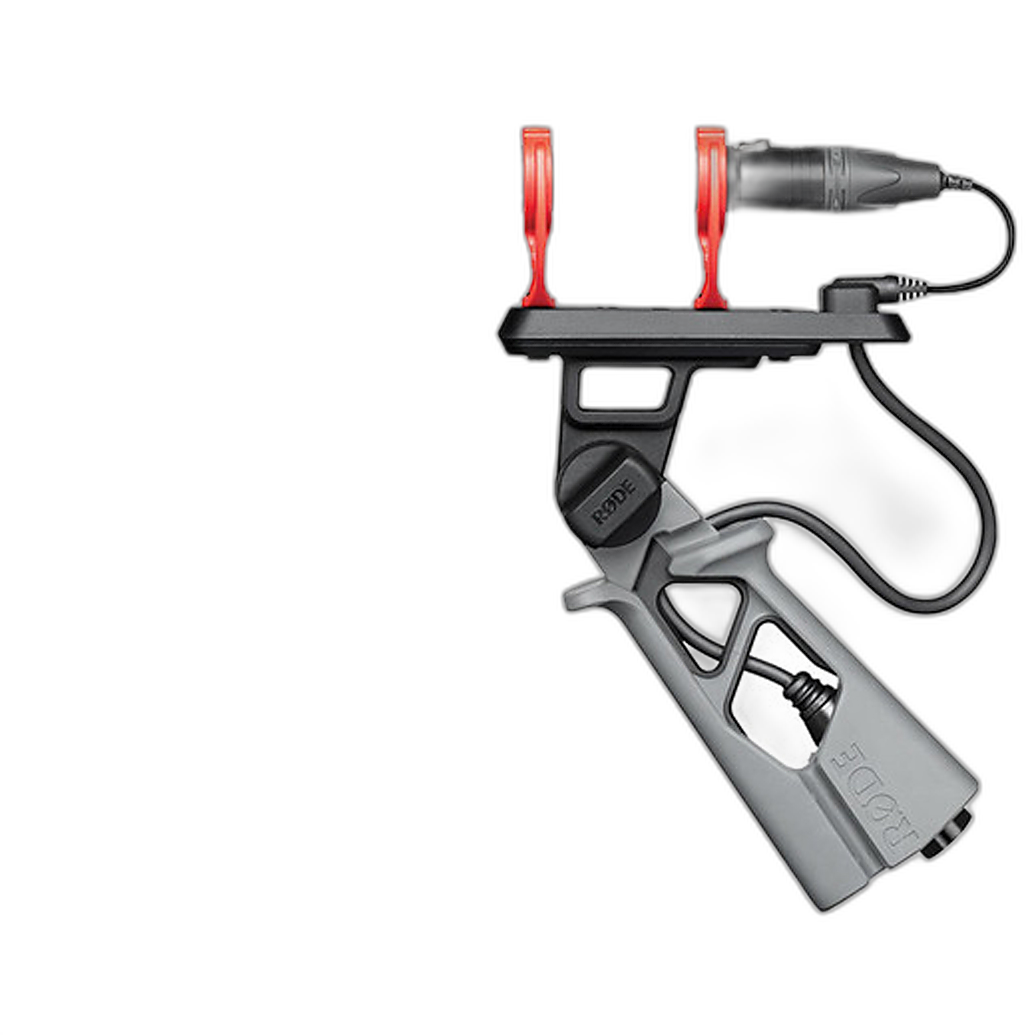
- Stabilize: Use a proper shock mount and keep cables slack to reduce handling noise.
Settings That Matter: Gain, Filters, and Safety Tracks
- Record at 48 kHz, 24‑bit for video. Aim for peaks around −12 dBFS to leave headroom.
- High‑pass filter around 75–100 Hz for speech to reduce rumble and wind noise.
- Use a pad if the source is loud to avoid clipping.
- Consider an external recorder (e.g., Zoom H5/H6) for cleaner preamps compared with many cameras.
- 48 V phantom power for XLR shotguns designed for it; confirm your mic’s requirements.
Beating the Wind and Handling Noise
Wind protection can make or break location audio:
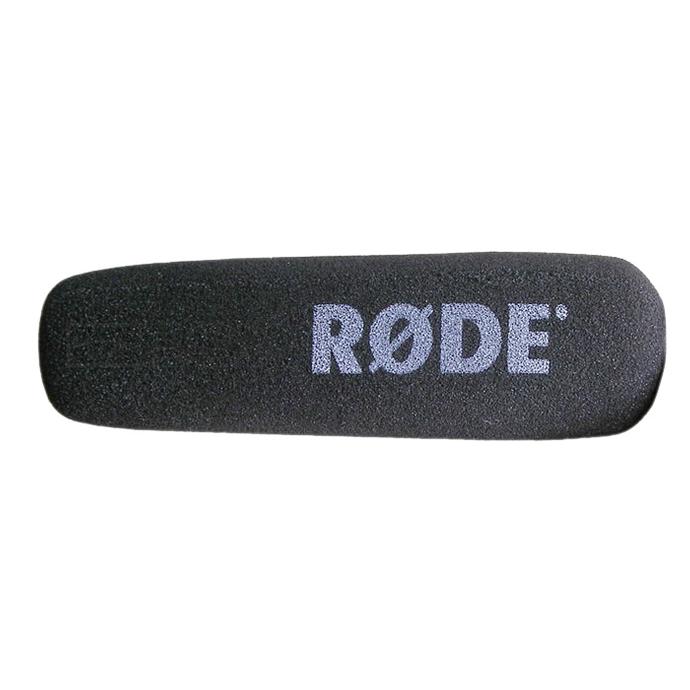
- Foam windscreens tame light indoor movement and plosives. The Rode WSVM Shotgun Wind Screen is a simple, affordable layer for mild conditions.
- Furry windscreens (deadcats) are essential outdoors for on‑camera mics.
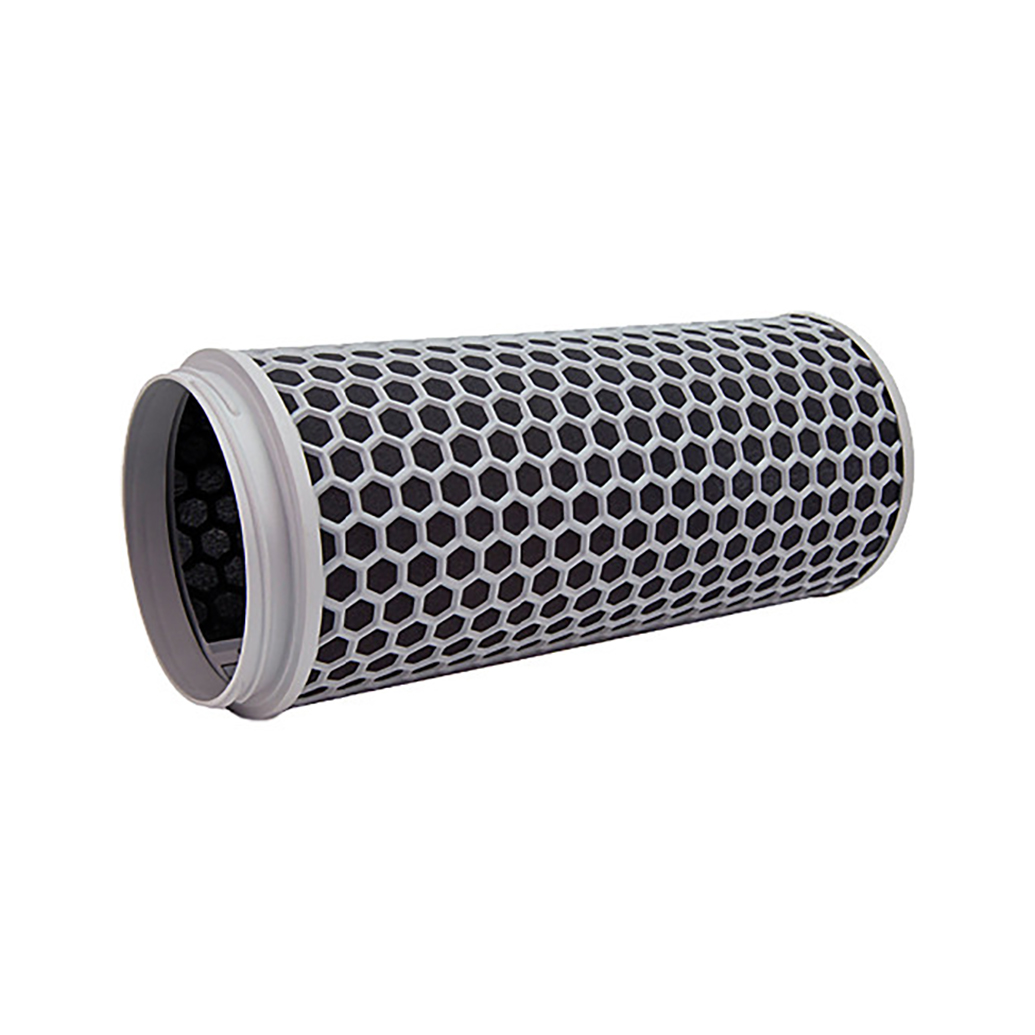
- Blimps offer the strongest wind rejection and isolation for boomed mics. Extending your blimp to fit longer barrels? The Rode Long Shotgun Blimp Extension Kit helps adapt your rig.
Moisture, Weather, and Reliability
Humidity and drizzle can cripple sensitive mics. Community field recordists value designs that withstand the elements. The Rode NTG5 Moisture Resistant Shotgun Microphone Location Recording Kit stands out for its weather‑friendly build and lightweight handling—ideal for long days on the boom.
Stereo and Ambience: When a Shotgun Isn’t Just Mono
When you need both focused dialog and a sense of place, stereo shotguns shine:
- Sennheiser MKE 440 delivers a center‑focused stereo image that’s great for events, performances, and walk‑and‑talks.
- Zoom SSH‑6 captures a mid (shotgun) plus side signal that you can adjust in post—keep dialog clean while dialing in ambience.
Quick Kit Ideas from Unique Photo
- Documentary/Interview: Rode NTG5 kit on a boom + blimp for outdoor shoots; record to Zoom H5/H6 for clean preamps.
- Mirrorless Run‑and‑Gun: Azden SMX‑15 on‑camera with a furry windshield; add a backup recorder for safety.
- Event Coverage: Sennheiser MKE 440 for a controlled stereo field that still centers speech.
- Mobile Creator: Saramonic SmartMic5UC for fast USB‑C vlogs and social content.
- Modular Field Rig: Zoom H5/H6 with SSH‑6 for adjustable stereo width and dialog focus.
FAQ: Indoor Shotguns and Room Reflections
Shotguns can work indoors if you keep them close and aim carefully. If your space is very reflective, consider adding soft surfaces or trying a hypercardioid mic; but many users report that a short, well‑placed shotgun with a high‑pass filter still beats built‑in camera audio by a wide margin.
Final Takeaways—and Where to Explore Next at Unique Photo
From our community’s tests, two truths stand out: mic placement matters more than price, and wind/handling control is half the battle. Start with solid technique, add smart filtering and gain staging, and pick accessories that suit your environment. Unique Photo stocks a full range of options—from compact USB‑C minis to weather‑ready location kits—so you can build a rig that fits your workflow and budget.
Suggested internal links at Unique Photo:
- Shop all Microphones
- Browse Audio Accessories
- Rode Microphones & Accessories
- Search: Shotgun Microphone
Have your own tests to share? Join the conversation with Unique Photo’s community and let us know what you’re hearing in the field.