Compare in-stock Rode microphones for camera audio, boom recording and interviews, with prices and practical differences between six options.
A $259 XLR shotgun for phantom-powered setups
The Rode NTG-1 Condenser Shotgun Microphone costs $259 and suits a recording setup that already supplies phantom power. Its 3-pin XLR output requires 24V or 48V phantom power. Check that requirement before buying; having somewhere to plug in an XLR cable is only part of the connection.
At 105 g and 219 mm long, it is a relatively light option for camera-mounted work. The supercardioid pickup pattern emphasizes sound in front while reducing pickup from the sides. That directionality helps with isolating a speaker, but microphone placement still matters. Pointing a shotgun toward someone is not the same as putting it close to them.
Rode lists a 20 Hz to 20 kHz frequency range and a switchable flat/80Hz high-pass filter. The filter can reduce low-frequency rumble. A mic clip, windshield and zip case are included. Choose this model when an XLR connection and basic filtering cover the job without a rechargeable battery requirement.
An XLR shotgun with a rechargeable battery
The Rode NTG4+ Shotgun Mic w/Digital Switches and Built-In Rechargeable Battery is $419. Its main distinction from the NTG-1 is power flexibility: it runs on 48V phantom power or its internal rechargeable lithium battery. It still sends audio through a balanced 3-pin XLR output.
Rode says the battery charges in under two hours through MicroUSB. Digital switches control a 75Hz high-pass filter, a -10 dB pad and high-frequency boost, and the microphone retains those settings after being switched off. The pad reduces the signal level for louder sources; the high-pass filter addresses low-frequency content that does not need to reach the recording.
This is the larger of these two shotguns, measuring 278 mm long and weighing 176 g. Its supercardioid pattern and 20 Hz to 20 kHz frequency range suit directional recording on a boom or camera. Buy it for the battery option and additional controls, not to reduce rig weight.
A 76 g shotgun kit for boom recording
The Rode NTG5 Moisture Resistant Shotgun Microphone Location Recording Kit costs $569. It suits documentary and film work where the microphone will be boomed near the subject. The microphone weighs 76 g and measures 203 mm long, making it both lighter and shorter than the two XLR models above.
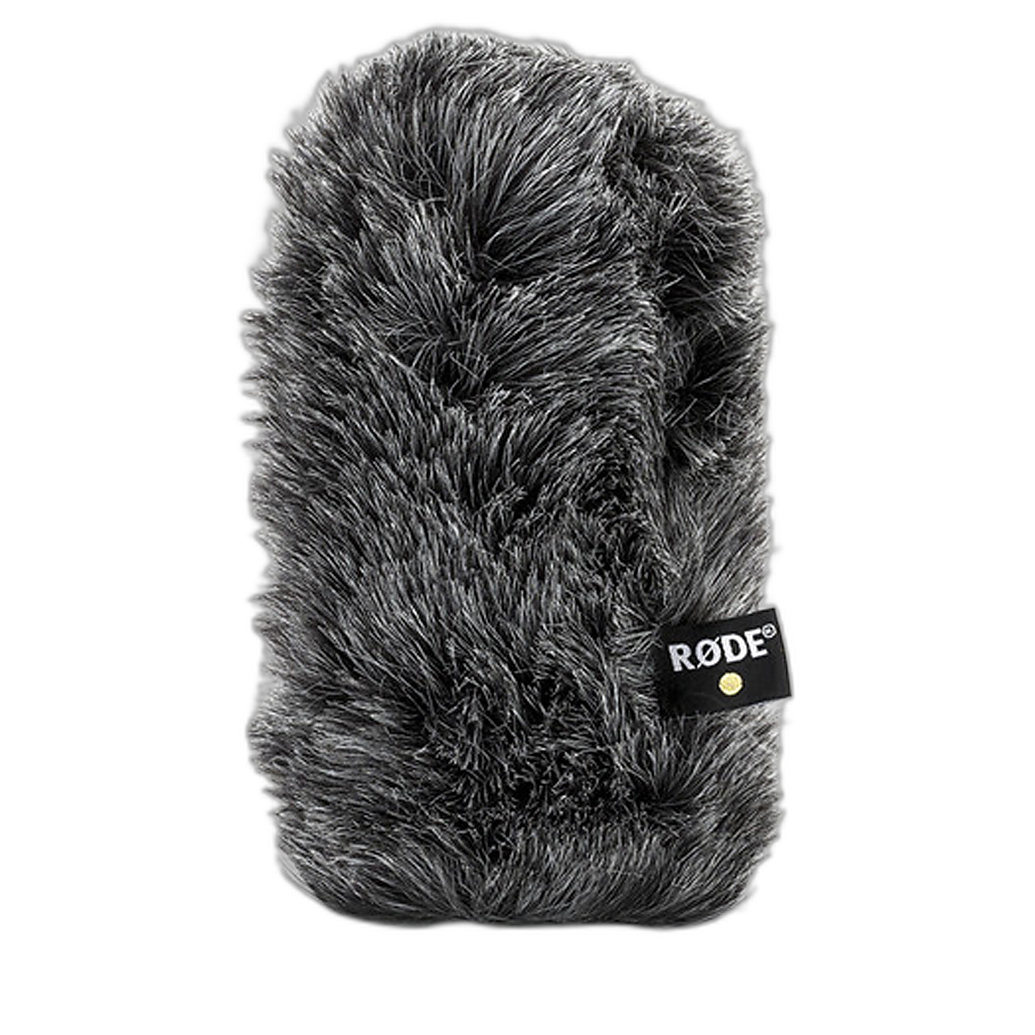
The kit includes a shockmount and furry windshield, with foam wind protection also listed. Those accessories address different problems: the shockmount reduces transmitted vibration, while the wind protection helps control air moving across the microphone. A boompole is separately available, not part of this kit. The moisture-resistant design is another distinction for location recording.
The NTG5 uses a mono XLR output and requires 48V phantom power. Rode lists a supercardioid pattern, an 80 Hz to 20 kHz frequency range within ±3 dB, and 10 dB A-weighted equivalent noise. The buying case here is a low-weight boom microphone with mounting and wind protection included.
A 3.5mm shotgun for camera-mounted sound
The Rode VideoMic Pro Plus On-Camera Shotgun Microphone is $309. This is the camera-mounted choice for a camcorder, DSLR or portable recorder with a compatible 3.5mm microphone input. A detachable 3.5mm TRS cable is included, so its connection differs from the XLR shotguns above.
Power options are the included LB-1 rechargeable battery, two AA batteries, or power through the micro-USB port. Rode rates LB-1 battery life at over 100 hours. The microphone weighs 122 g and includes a Rycote Lyre shock mount. For someone keeping the microphone on the camera, those power options are a practical reason to choose it.
Controls include audio-level adjustment, a dual high-pass filter and high-frequency boost. There is also a safety-channel option. Its supercardioid pickup favors front-facing sound, and the output is dual mono rather than a stereo sound field. Choose it for directional camera audio, not for capturing a wide stereo ambience.
Wireless lavaliers for two-person recordings
The Rode Wireless Pro 2-Person Wireless Lavalier System costs $299. It is a dual-channel system with two lavalier microphones and a smart charge case included. For a two-person interview, it provides a way to keep a microphone with each speaker instead of relying on one microphone mounted at the camera.
Rode lists compatibility with cameras, smartphones and computers. Series IV 2.4 GHz digital transmission uses 128-bit encryption, and approximate battery life is seven hours. The lavaliers are omnidirectional, so they pick up sound around the capsule rather than emphasizing one direction like the shotguns above. Locking 3.5mm lavalier connectors help secure the cable connections.
The recording features separate this system from a basic wireless audio connection. It offers 32-bit float onboard recording with 32GB internal memory, plus advanced timecode capability and GainAssist. Float recording gives more latitude to adjust recorded levels during editing. Timecode supports synchronization of separately recorded material, a useful consideration when sound and picture are recorded separately.
A handheld microphone with onboard recording
The Rode Interview Pro Wireless Handheld Microphone is $259. Choose this format for interviews where a presenter holds the microphone or passes it to a guest. It uses an omnidirectional condenser capsule and weighs 250 g. Rode lists low handling noise, and a pop filter is included to reduce plosives and wind noise.
For wireless use, it requires a Rode Series IV receiver or compatible product. The Wireless Pro receiver is compatible, and pairing with that receiver also provides timecode capability. This is not a complete wireless system purchase on its own. It can, however, operate as a standalone field recorder.
Rode specifies up to 200 m wireless range with line of sight, GainAssist, and over 40 hours of 32-bit float onboard recording capacity. The integrated rechargeable battery provides up to 25 hours of operation and charges through USB. Recording capacity and battery runtime are separate limits; the larger recording figure does not mean 40 hours of operation between charges.
How to choose a Rode microphone
Start with the recording connection and where the microphone needs to sit, rather than the highest price.
- Camera-mounted sound through 3.5mm: Choose the VideoMic Pro Plus for its included TRS cable and choice of battery or USB power.
- An XLR setup that supplies phantom power: The NTG-1 is the lowest-priced XLR option here.
- XLR recording without relying on phantom power: Choose the NTG4+ for its internal rechargeable battery.
- Boom work where weight matters: Choose the 76 g NTG5 kit, with its included shockmount and wind protection.
- Two speakers wearing microphones: Choose the Wireless Pro system with its two included lavaliers.
- A handheld interview format: Choose the Interview Pro, accounting for a compatible receiver if wireless transmission is required.
All six options are in stock at Unique Photo.
Prices at Unique Photo
- Rode NTG5 Moisture Resistant Shotgun Microphone Location Recording Kit: $569.00
- Rode NTG4+ Shotgun Mic w/Digital Switches and Built-In Rechargeable Battery: $419.00
- Rode VideoMic Pro Plus On-Camera Shotgun Microphone: $309.00
- Rode Wireless Pro 2-Person Wireless Lavalier System: $299.00
- Rode Interview Pro Wireless Handheld Microphone: $259.00
- Rode NTG-1 Condenser Shotgun Microphone: $259.00
Prices as of October 25, 2026. Browse more: Microphones, Rode at Unique Photo.
Frequently asked questions
Which Rode microphone connects to a camera's 3.5mm input?
The Rode VideoMic Pro Plus works with compatible 3.5mm microphone inputs on camcorders, DSLRs and portable recorders. A detachable 3.5mm TRS cable is included.
Does the Rode NTG4+ need phantom power?
No. The NTG4+ can use either 48V phantom power or its internal rechargeable lithium battery, which Rode says charges in under two hours through MicroUSB.
Does the Rode Interview Pro need a receiver?
Wireless operation requires a Rode Series IV receiver or compatible product. The Interview Pro can also work as a standalone field recorder without a wireless receiver.
Which Rode system should I buy to record two people?
The Rode Wireless Pro is a dual-channel, two-person wireless system priced at $299. It includes two lavalier microphones and a smart charge case, with 32-bit float onboard recording and advanced timecode capability.