If you're searching for photography contests with fair judging, you're probably trying to avoid the same frustrations many photographers face: vague criteria, pay-to-play systems, unclear licensing terms, and awards that seem to favor popularity over craft. This guide is for photographers who want to enter contests strategically, improve their odds, and submit stronger work to competitions that value merit, transparency, and artistic quality.
While a contest itself isn't something you buy from a retailer, the right gear can absolutely help you create more polished, distinctive submissions. Below, we'll cover what makes a contest reputable, what warning signs to avoid, and a few standout tools from Unique Photo that can help you produce contest-worthy images in wildlife, portrait, drone, and cinematic categories.
What Makes a Photography Contest Reputable?
The best contests usually share a few important qualities:
- Transparent judging criteria that explain how images are evaluated
- Named judges with recognizable editorial, fine art, or commercial credentials
- Clear rights and usage terms so you retain ownership of your work
- Category definitions that help photographers submit appropriately
- Reasonable entry fees or strong value if fees are charged
- No requirement for social voting as the main judging method
Well-regarded contests often come from respected publications, museums, conservation organizations, major photo festivals, and established industry groups. In general, look carefully at the rules page before entering. If licensing language is overly broad or the judging panel is anonymous, it may be better to keep looking.
How to Evaluate Fair Judging Before You Enter
Before paying an entry fee, ask these questions:
- Are judges listed by name? A reputable contest usually identifies the panel.
- Are scoring standards explained? Look for criteria such as originality, technical excellence, storytelling, and relevance to theme.
- Are the finalists and winners genuinely diverse? Past results can reveal whether the competition rewards different styles and voices.
- Are image manipulation rules specific? Especially important in wildlife, journalism, and documentary categories.
- Do you keep your copyright? You should generally retain ownership, with only limited promotional use granted to organizers.
In short, fair judging tends to come with transparency. The more vague the rules, the more cautious you should be.
Common Types of Reputable Contests to Consider
Rather than chasing any contest with a flashy prize, focus on competitions that align with your work:
- Wildlife and nature contests for long-lens, action, and conservation imagery
- Portrait and fine art contests for studio-lit and concept-driven work
- Drone and aerial competitions for landscape and perspective-based storytelling
- Documentary and photojournalism contests for narrative, ethics, and authenticity
- Film photography contests for analog craftsmanship and traditional process lovers
The strongest strategy is to match your best work to the right category instead of entering everything everywhere.
Gear That Can Help You Create Stronger Contest Entries
Below are several products from Unique Photo that fit the kinds of images often recognized in reputable competitions. These aren't "contest products" in a literal sense, but they are excellent tools for producing submission-ready images.
Fujifilm FUJINON XF 200mm f/2 R LM OIS WR Lens with XF1.4x Teleconverter
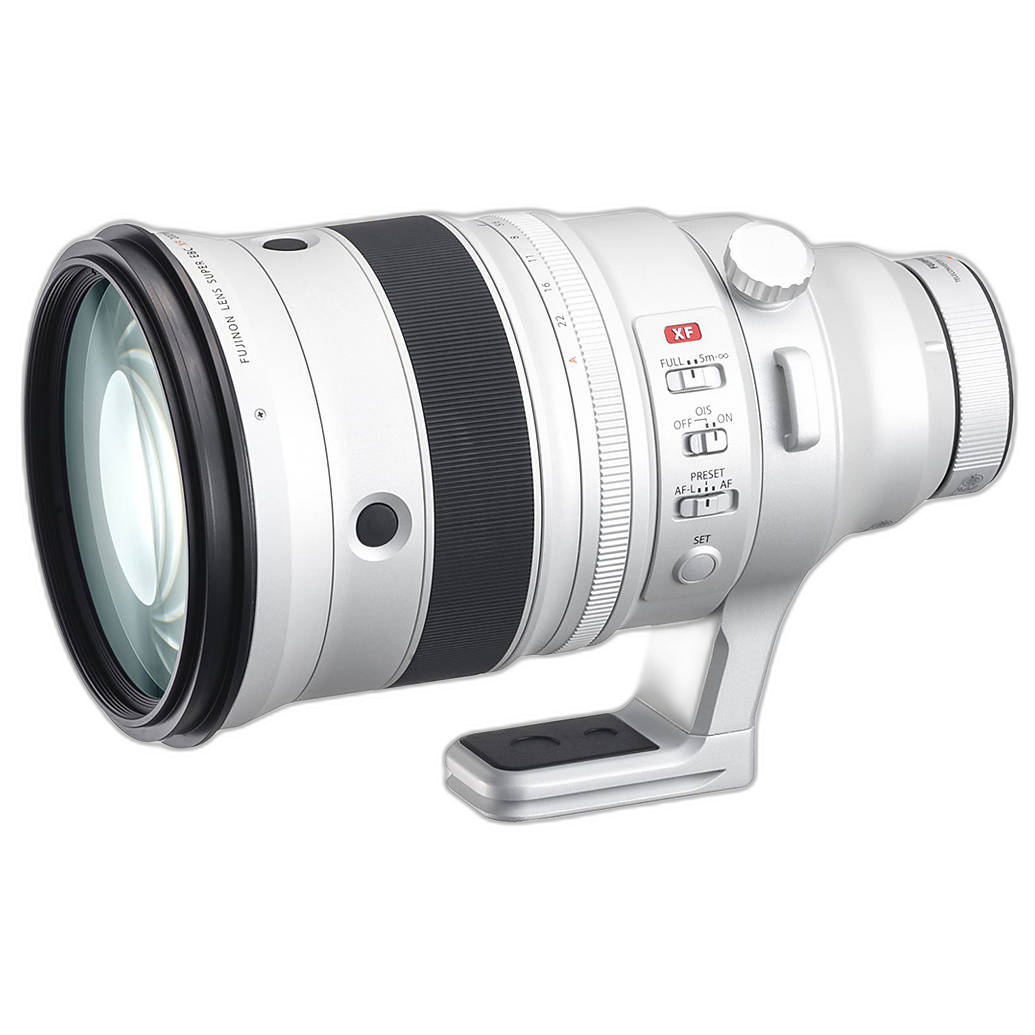
For photographers interested in wildlife, sports, and nature contests, this Fujifilm super-telephoto setup is a serious contender. The fast f/2 aperture helps isolate subjects beautifully, while the included 1.4x teleconverter adds flexibility when reach matters. Contest-winning wildlife images often combine timing, background separation, and technical sharpness, and this lens is built for exactly that kind of work.
Best for: wildlife contests, bird photography, action categories, conservation storytelling
Why it stands out: premium optics, long reach, subject isolation, pro-level performance
Our Pick: If your contest focus is wildlife or action, this is the standout choice for creating images with immediate impact.
Used Panasonic LUMIX GH6 Mirrorless Camera Body Only - Fair
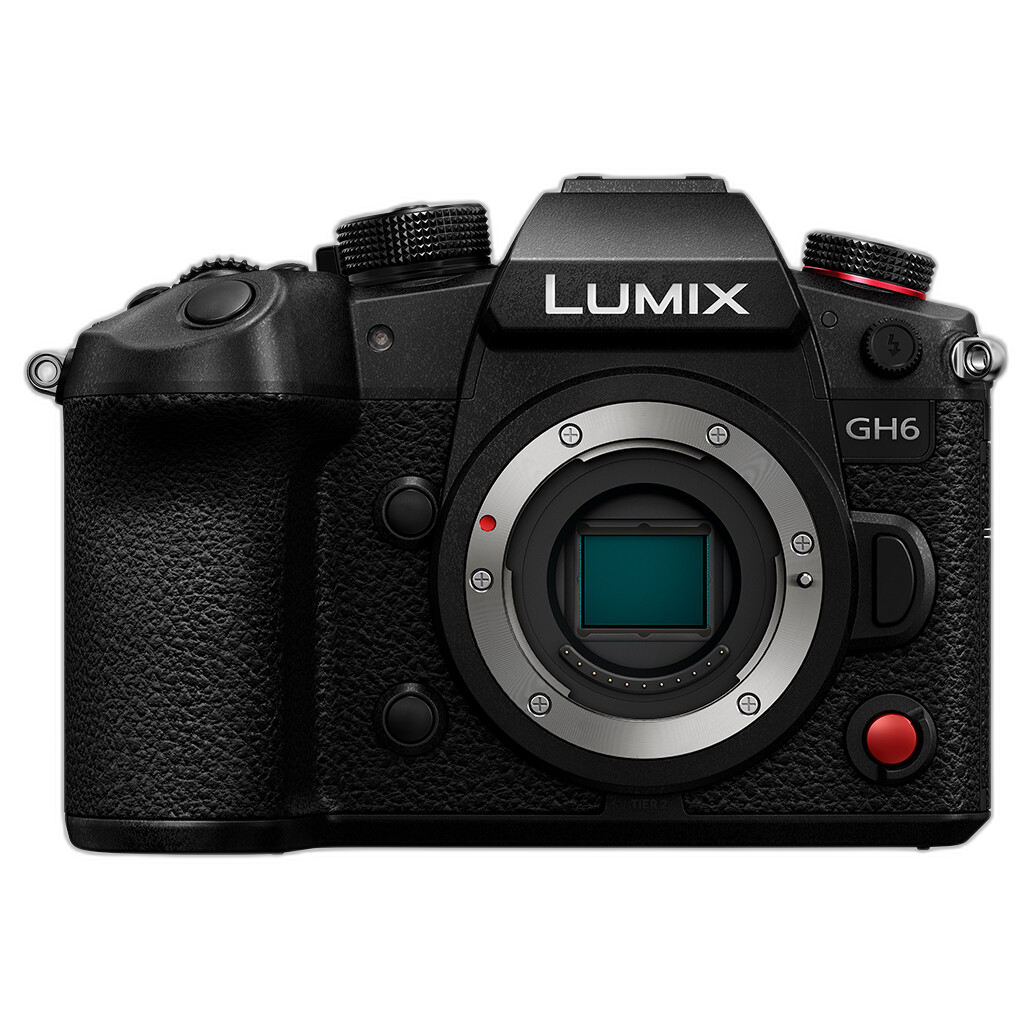
The Panasonic GH6 is an appealing option for photographers and hybrid creators entering multimedia, motion, documentary, or experimental competitions. Many modern contests now include short-form visual storytelling, behind-the-scenes submissions, or hybrid categories where video matters. The GH6 has a strong reputation for robust video features and versatile mirrorless handling.
Best for: documentary contests, multimedia entries, travel storytelling, hybrid creators
Why it stands out: strong video capability, flexible shooting workflow, great value in used condition
Used Profoto D1 Studio Kit 500/500 Air with Connect - Excellent
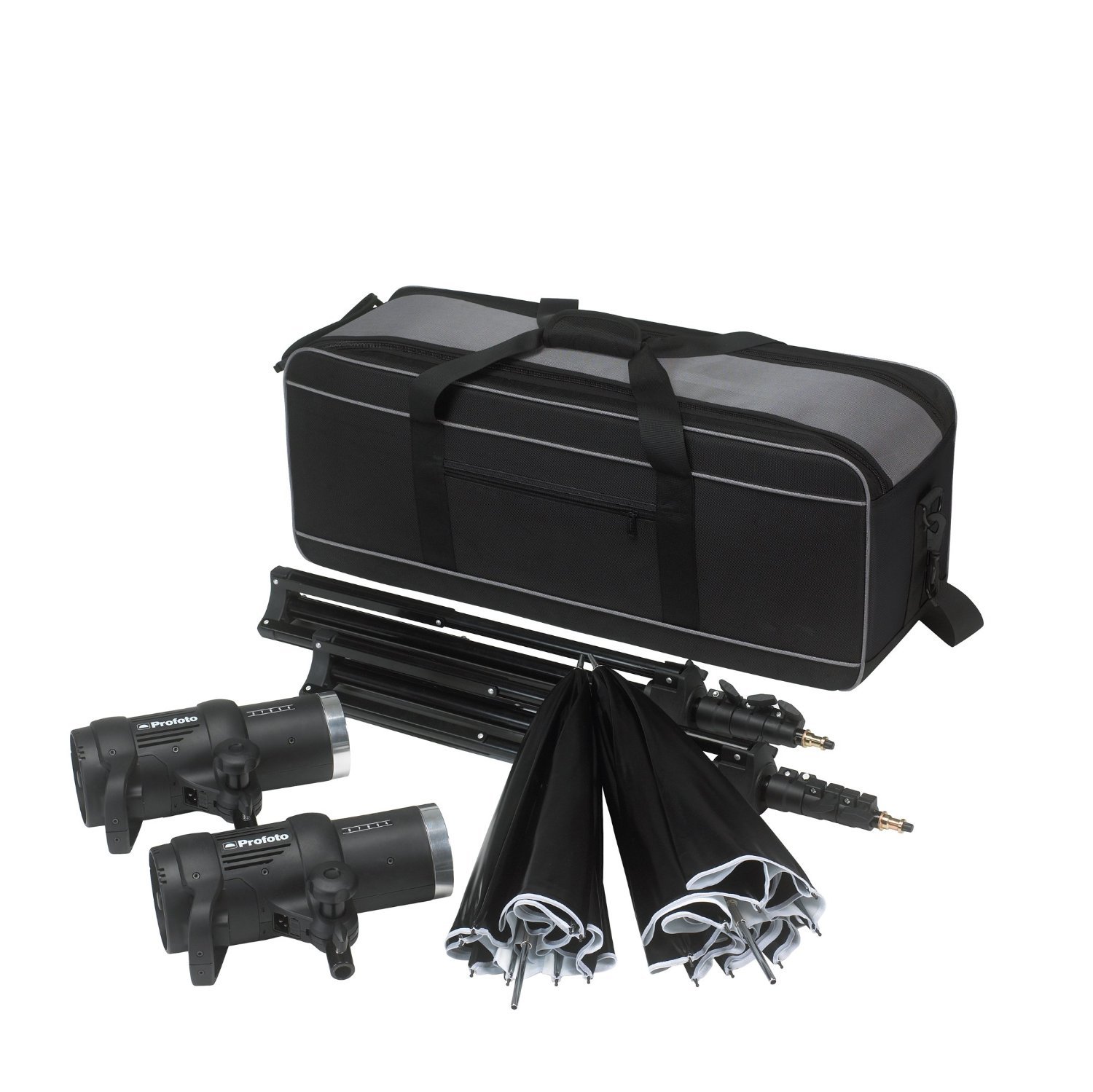
If you want to enter portrait, fashion, fine art, or commercial-style competitions, lighting quality matters. This Profoto D1 studio kit gives you a more polished, intentional look than available light alone in many situations. Fairly judged portrait contests often reward consistency, control, and concept execution, and dependable studio lighting helps you get there.
Best for: portrait contests, fine art projects, studio submissions, editorial-inspired work
Why it stands out: dependable professional lighting, repeatable results, strong control over mood and contrast
DJI Mini 5 Pro Drone with RC2 Fly More Combo
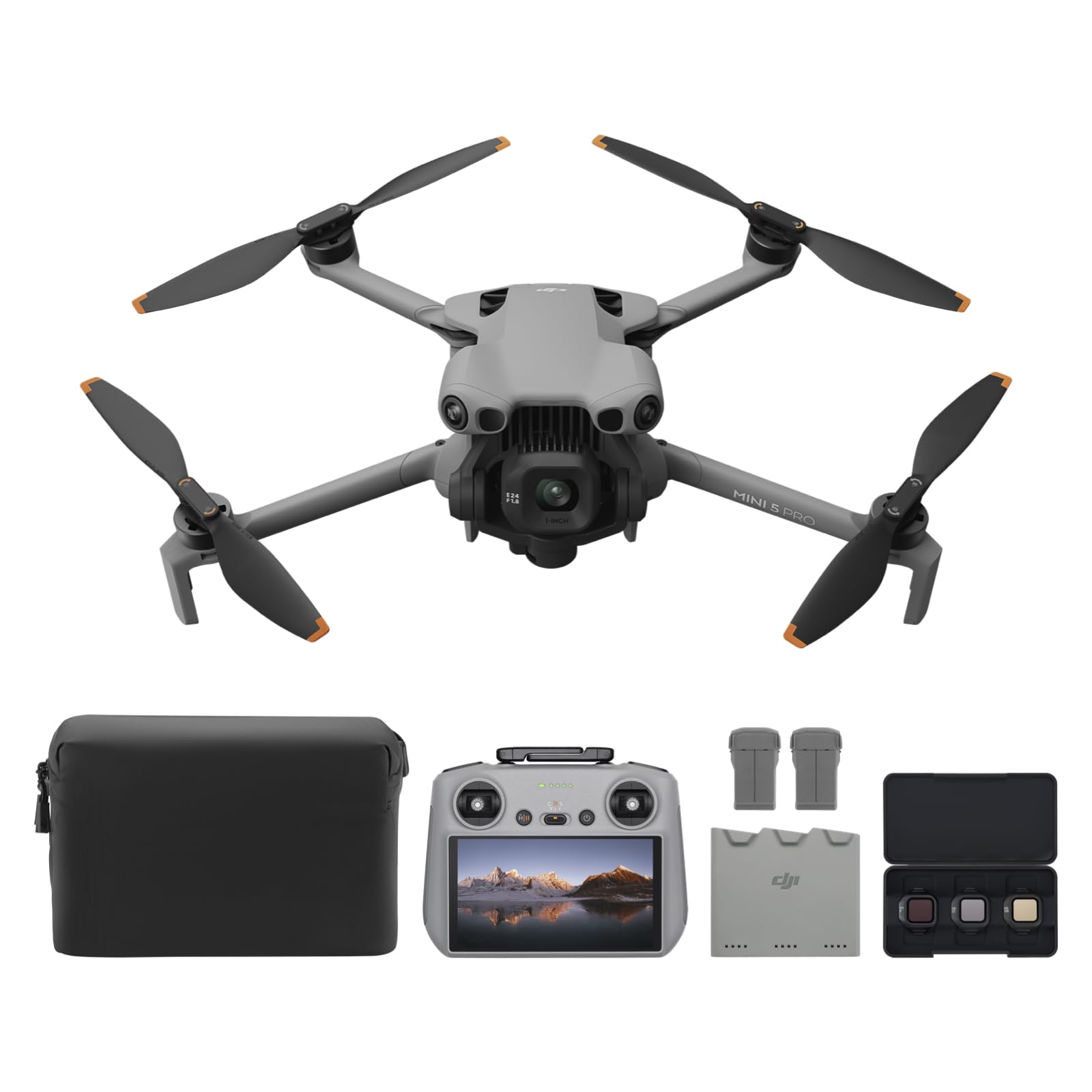
Drone-specific contests and open-category landscape competitions continue to reward fresh perspectives. The DJI Mini 5 Pro Drone with RC2 Fly More Combo is a compelling tool for creating aerial work that stands out without requiring a large aircraft platform. If you're aiming at travel, landscape, environmental, or abstract competitions, a drone can open up compositions that feel genuinely different.
Best for: aerial photography contests, travel contests, landscape categories, environmental storytelling
Why it stands out: portable aerial platform, unique perspective, excellent for standout compositions
Used Mamiya 7II With 80MM F/4 Lens - Fair
Film photography remains highly respected in many juried shows and specialty contests, especially when the contest values process, craftsmanship, and a distinct visual signature. The Mamiya 7II is iconic among medium format film photographers for its image quality and portability. If your style leans fine art, documentary, or contemplative landscape work, this camera can produce submissions with a timeless feel.
Best for: film contests, fine art juried exhibitions, landscape work, slow documentary projects
Why it stands out: medium format film look, respected legacy system, strong fine art appeal
Comparison Table: Best Gear by Contest Type
| Product | Best Contest Fit | Key Strength | Ideal Photographer |
|---|---|---|---|
| Fujifilm FUJINON XF 200mm f/2 R LM OIS WR Lens with XF1.4x Teleconverter | Wildlife, action, nature | Reach and subject isolation | Photographers pursuing impactful wildlife submissions |
| Panasonic LUMIX GH6 | Documentary, hybrid, multimedia | Versatile stills/video workflow | Creators entering modern mixed-media contests |
| Profoto D1 Studio Kit 500/500 Air with Connect | Portrait, fine art, fashion | Controlled studio lighting | Photographers who want polished, repeatable portrait results |
| DJI Mini 5 Pro Drone with RC2 Fly More Combo | Aerial, landscape, travel | Unique top-down and elevated perspectives | Photographers looking to stand out compositionally |
| Mamiya 7II with 80mm f/4 | Film, fine art, juried shows | Medium format analog character | Artists who value process and timeless rendering |
How to Improve Your Chances in Fairly Judged Contests
Even the most reputable contest won't guarantee results, so focus on submission quality:
- Edit ruthlessly. Send your strongest image, not your most sentimental one.
- Match the category carefully. A great image in the wrong category often gets overlooked.
- Follow file rules exactly. Size, color space, captions, and metadata all matter.
- Write concise supporting text. If a statement is allowed, explain context without overselling.
- Study prior winners. Not to copy them, but to understand how the contest defines excellence.
Red Flags to Avoid in Photography Contests
If you're serious about fair judging, be cautious when you see:
- Overly broad claims to use your images forever without compensation
- Anonymous judges or no judging information at all
- Heavy reliance on public voting
- Dozens of categories designed mainly to collect fees
- No visible archive of past winners
- Unclear timeline, prize structure, or communication
Trustworthy contests tend to be specific, transparent, and professional from start to finish.
Final Recommendation
If you're seeking reputable photography contests with fair judging, prioritize competitions with transparent rules, known judges, and reasonable image rights policies. Then choose gear that supports the type of images you want to submit. For wildlife specialists, the Fujifilm FUJINON XF 200mm f/2 with teleconverter is our top pick. For portraits and fine art, the Profoto D1 Studio Kit is an excellent foundation. And for photographers chasing a fresh angle in landscape or travel categories, the DJI Mini 5 Pro Drone brings real competitive potential.
If you're ready to build a stronger contest portfolio, shop these tools at Unique Photo and invest in gear that helps your work stand out for the right reasons: originality, quality, and craft.