Gimbal vs IBIS for Run-and-Gun Video: Which Stabilization Is Worth It?
For fast-moving documentary work, events, weddings, travel content, and social clips, stabilization can make the difference between footage that feels polished and footage that feels distracting. The big question is whether your camera’s in-body image stabilization (IBIS) is enough on its own, or whether a dedicated gimbal is the better investment for smoother motion and more professional-looking results.
At Unique Photo, we help creators match stabilization tools to the way they actually shoot. In many cases, the right answer is not simply IBIS or gimbal—it is choosing the tool that best fits your camera rig, shooting style, and endurance needs in the field.
Is IBIS enough for handheld video, or do I really need a gimbal?
IBIS is excellent for reducing small handheld movements, especially when you are standing in place, shooting short clips, or working with wider focal lengths. It can make casual walk-and-talk shots more usable and helps a lot when you need to move quickly without extra setup. If your run-and-gun work consists mostly of quick handheld coverage, static b-roll, or short takes, a camera with strong IBIS may be enough to get clean results.
However, IBIS has limits. It is best at smoothing small vibrations, not replacing the floating, gliding look that a 3-axis gimbal provides. Once you start walking longer distances, tracking subjects, circling around people, or using heavier lenses, IBIS alone usually cannot match the consistency of a dedicated stabilizer. A gimbal is the better choice when you want motion that looks deliberate and cinematic rather than simply less shaky.
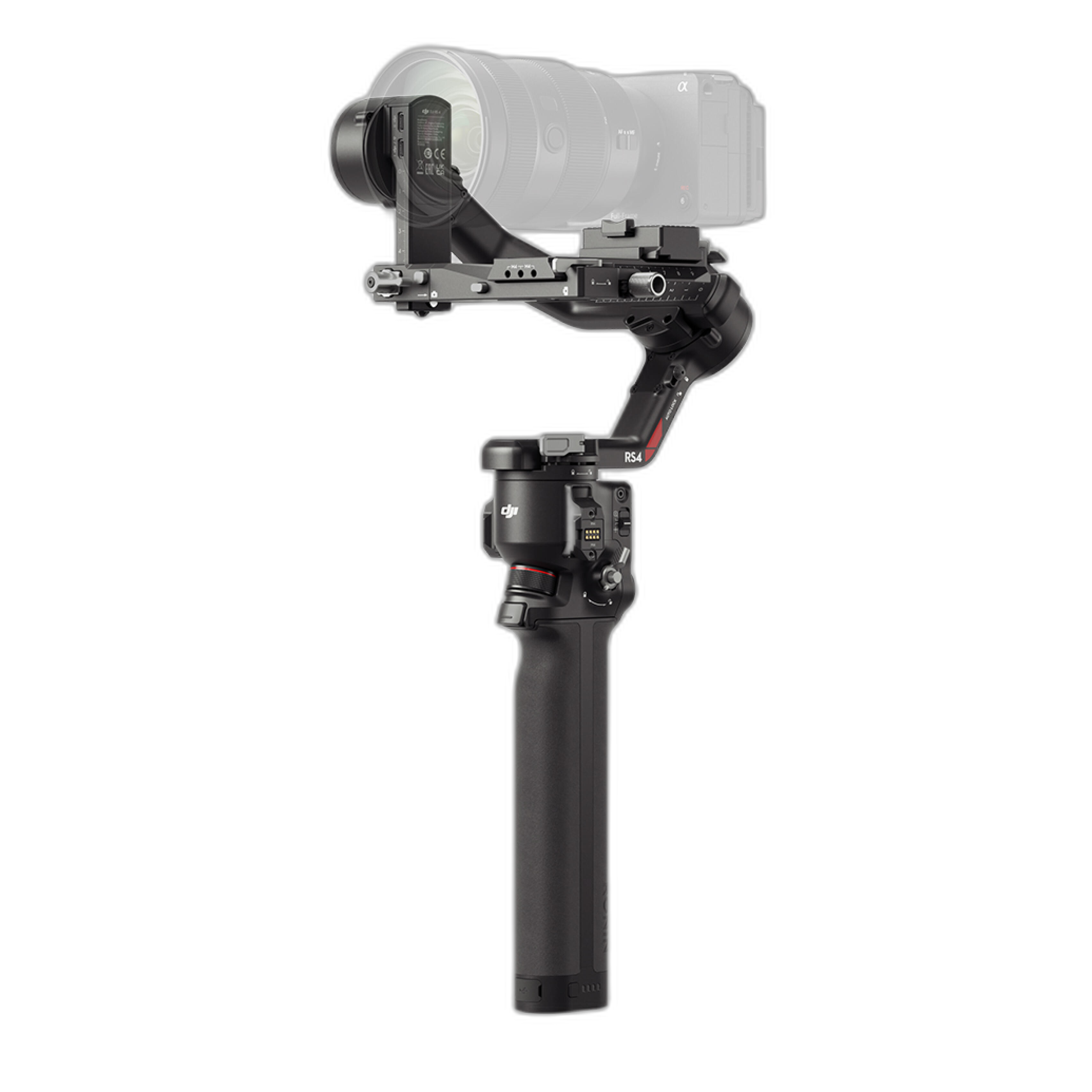
For creators who want a modern, compact option for frequent use, the DJI RS 4 is a strong starting point. It is especially appealing for shooters who need fast balancing, dependable motor performance, and a streamlined setup for mirrorless systems.
When is a gimbal clearly better than IBIS?
A gimbal becomes the clear winner when your footage includes continuous movement. Think following a subject through a venue, filming real estate walkthroughs, capturing bridal entrances, documenting action on the street, or producing social media sequences with dynamic camera motion. In those situations, a gimbal controls roll, tilt, and pan much more effectively than IBIS.
Another advantage is repeatability. If you need to perform the same move multiple times for coverage or client work, a gimbal gives you a more controlled and predictable result. That consistency matters for professional editing workflows, where matching shots and preserving a smooth visual style can save time in post.
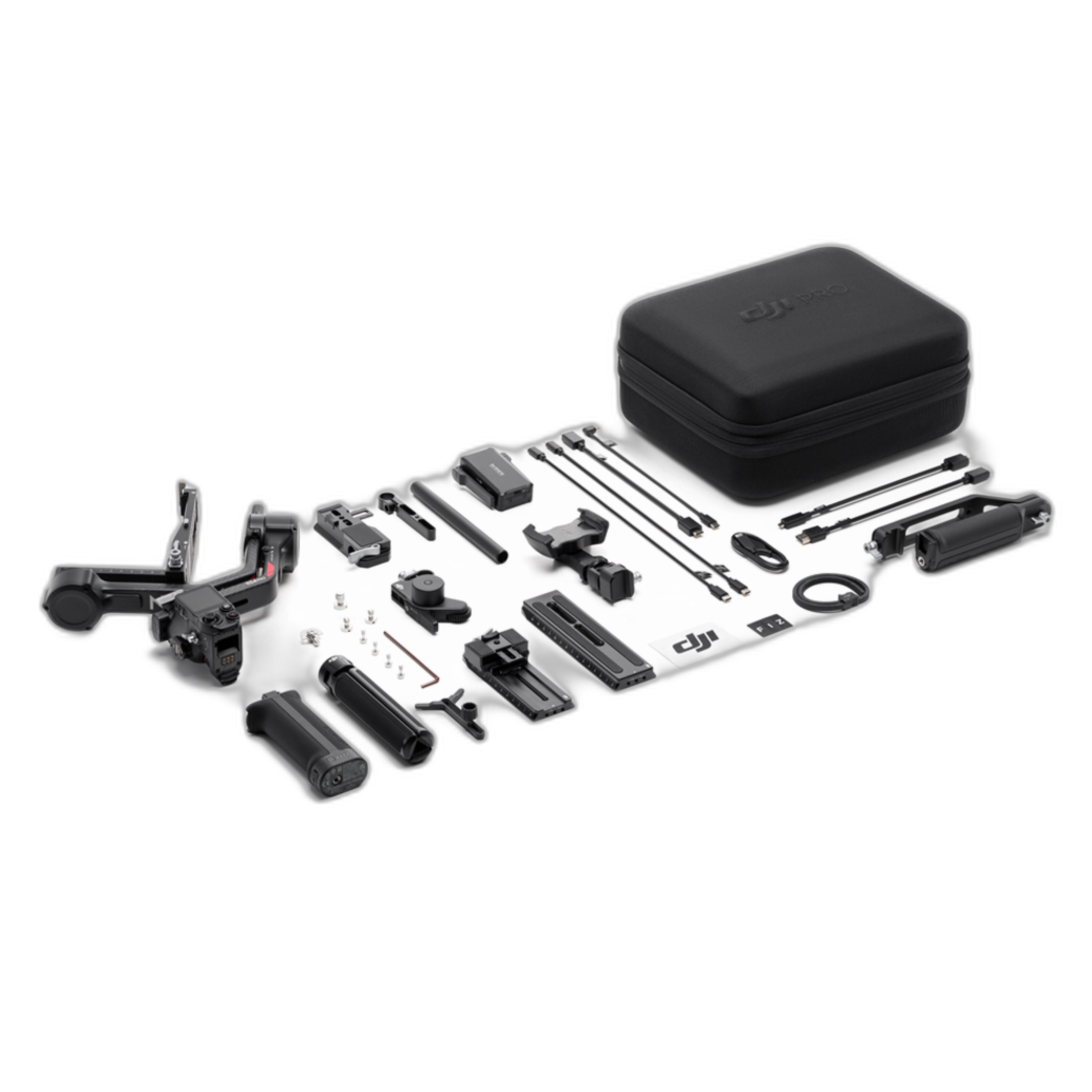
If your work regularly pushes beyond lightweight rigs, the DJI RS 4 Pro Combo is an excellent upgrade path. It is designed for more demanding setups and is a smart fit for shooters building around more advanced bodies, larger lenses, wireless video accessories, or focus systems.
Can IBIS and a gimbal work together?
Yes, but the best settings depend on the camera and the type of movement. In many setups, IBIS and a gimbal can complement each other, with the gimbal handling larger directional movement and IBIS helping absorb micro-jitters. This can be especially helpful when shooting handheld on uneven ground or when using lightweight mirrorless cameras.
That said, some camera and lens combinations behave better with certain stabilization features reduced or disabled while on a gimbal. Overcorrection can sometimes create unnatural edge warping, sudden shifts, or a subtle “floaty” look. The best approach is to test your specific body, lens, and shooting pace before a paid job. At Unique Photo, we often recommend creating a few standard presets so you can switch quickly between handheld IBIS-only shooting and full gimbal operation.
Which gimbals are best for heavier camera setups?
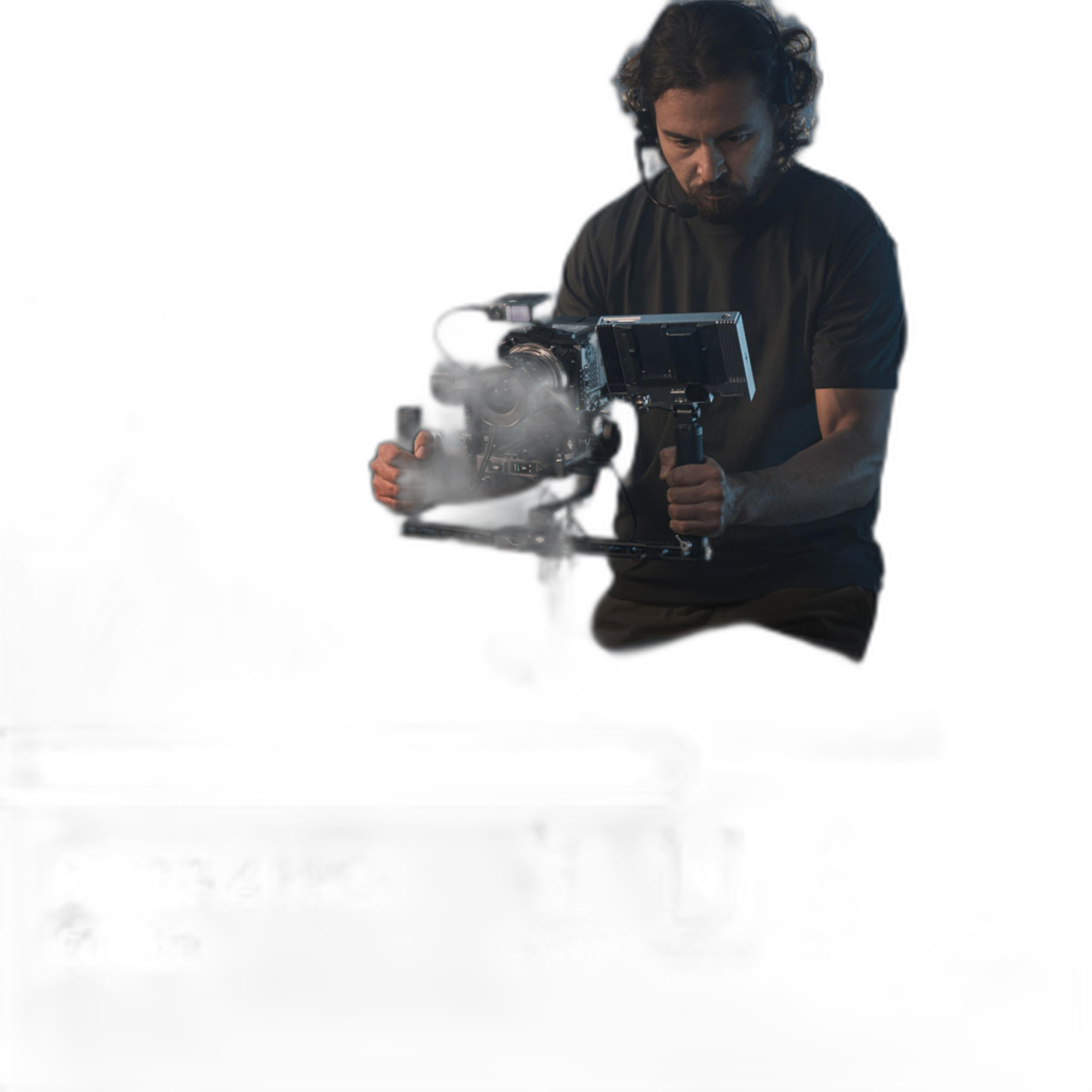
Heavier setups require more than just a published payload number. You also need strong motors, enough clearance for your camera body and lens combination, and a design that remains practical once accessories are added. Full-frame bodies with fast zooms, external monitors, microphones, focus motors, cages, or battery systems can quickly move a rig into a more demanding class.
For those larger builds, the DJI RS 4 Pro Combo stands out as a top-tier choice. It is better suited for users who want room to grow and need a stabilizer that can handle more substantial rigs without feeling underpowered.
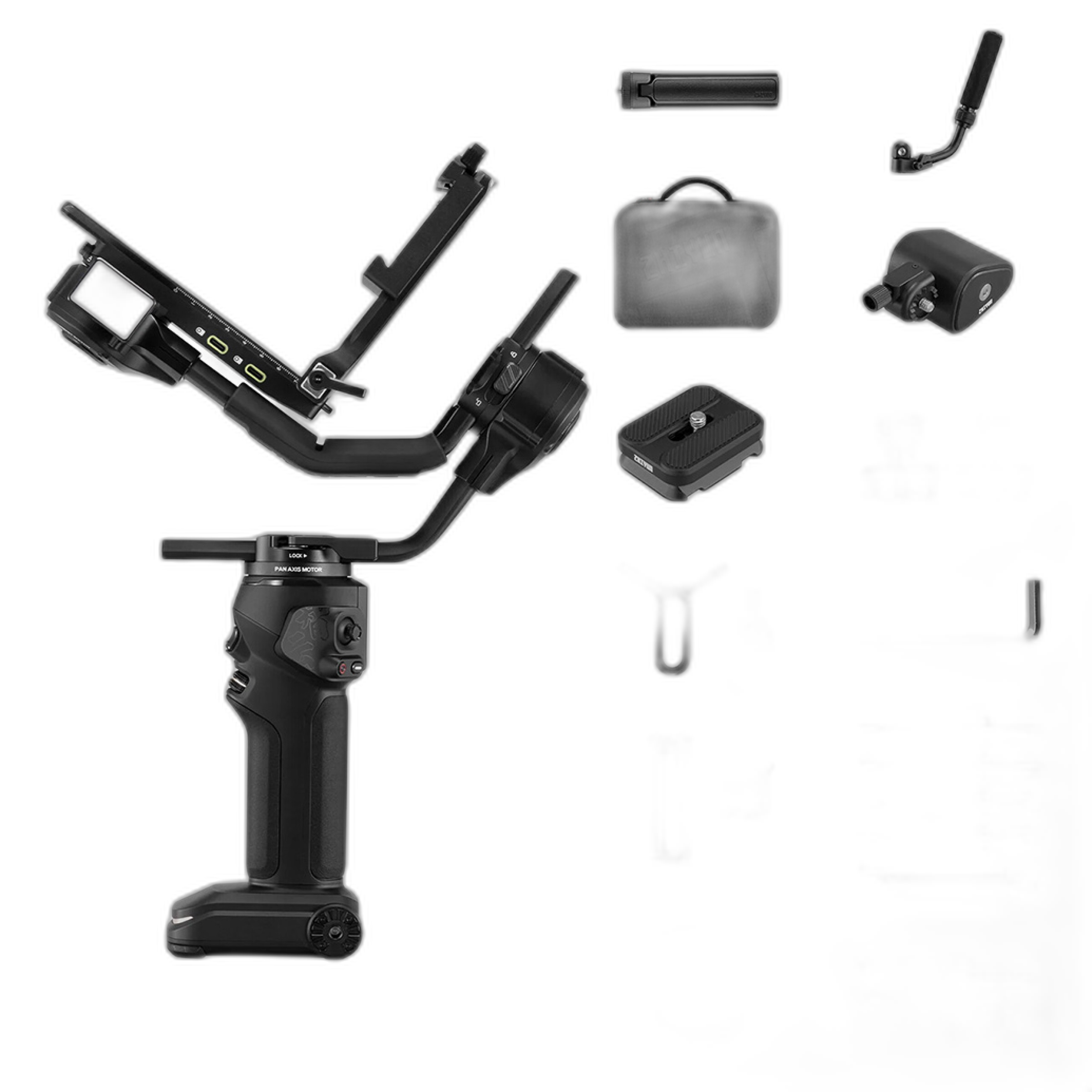
The Zhiyun CRANE 4 3-Axis Handheld Gimbal Stabilizer Combo Kit is another strong option for creators using heavier mirrorless or cinema-leaning setups. It is particularly appealing to shooters who want a feature-rich package and robust handheld support for more complex productions.
If your rig is relatively modest in size, the DJI RS 4 may be the more efficient choice. It can be easier to carry and deploy quickly, which matters a lot for true run-and-gun shooting.
How do I know if my camera setup is too heavy or awkward for a smaller gimbal?
Start by looking beyond camera body weight alone. Your true shooting weight includes the lens, cage, top handle, microphone, monitor, quick release plate, and anything else mounted during real use. A setup can fall within a gimbal’s theoretical payload but still feel front-heavy, tall, or poorly balanced due to lens length or body shape.
As a rule, the more accessories you plan to leave on the camera, the more you should lean toward a stronger platform. If you often swap between compact primes and larger zooms, it can also be worth choosing a gimbal with some overhead rather than buying right at the edge of your load requirements. That margin tends to make balancing easier and improves motor performance over long shooting days.
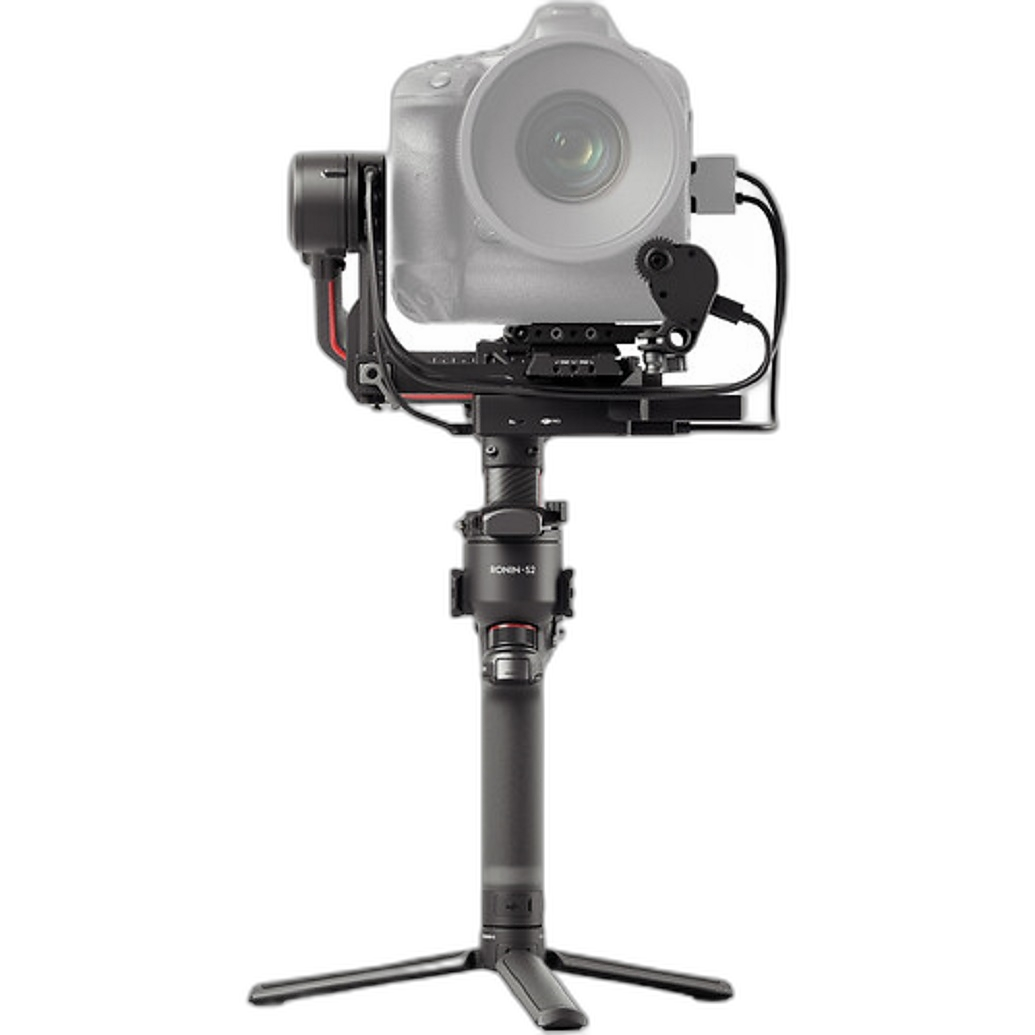
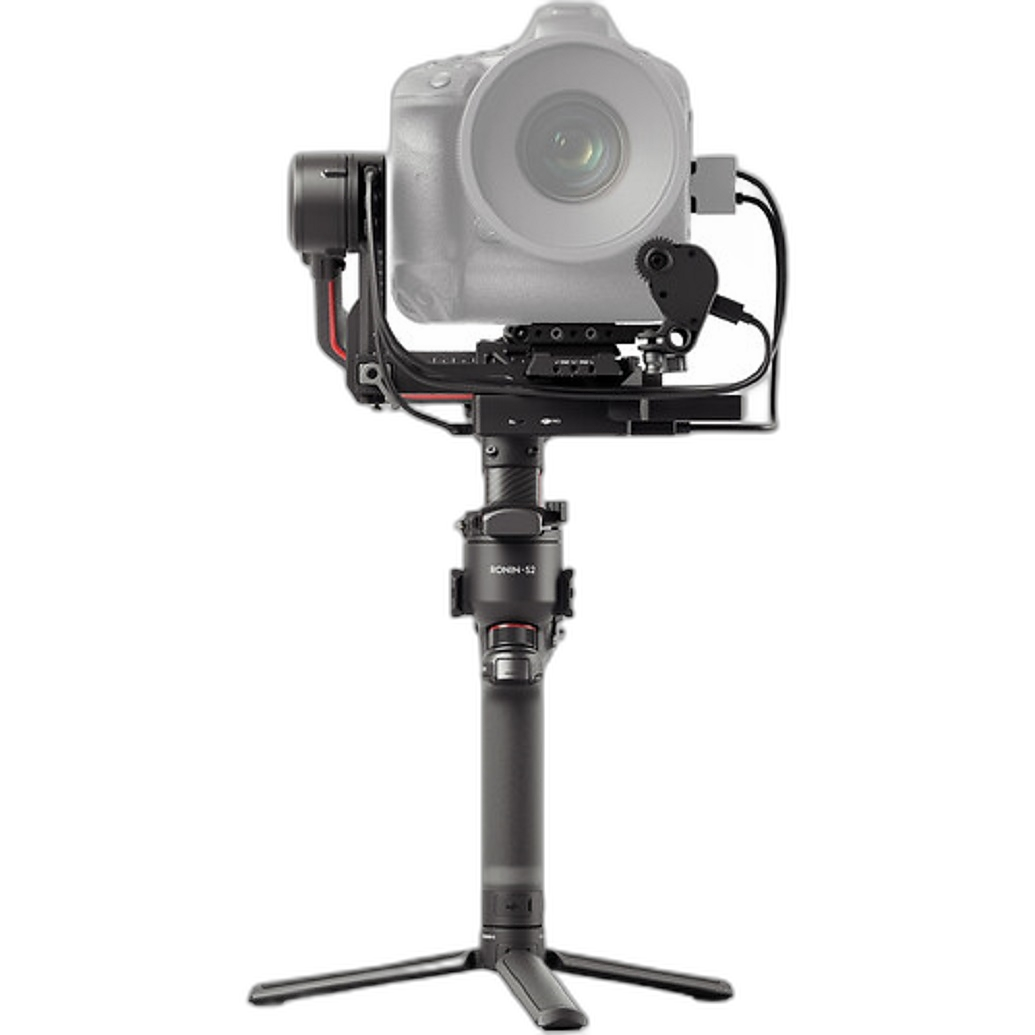
For budget-conscious users, Unique Photo’s used selection can be a practical way to step into a higher-capacity system. A Used Excellent DJI RS 2 Gimbal Stabilizer Pro Combo offers professional-grade stabilization at a more accessible price point.
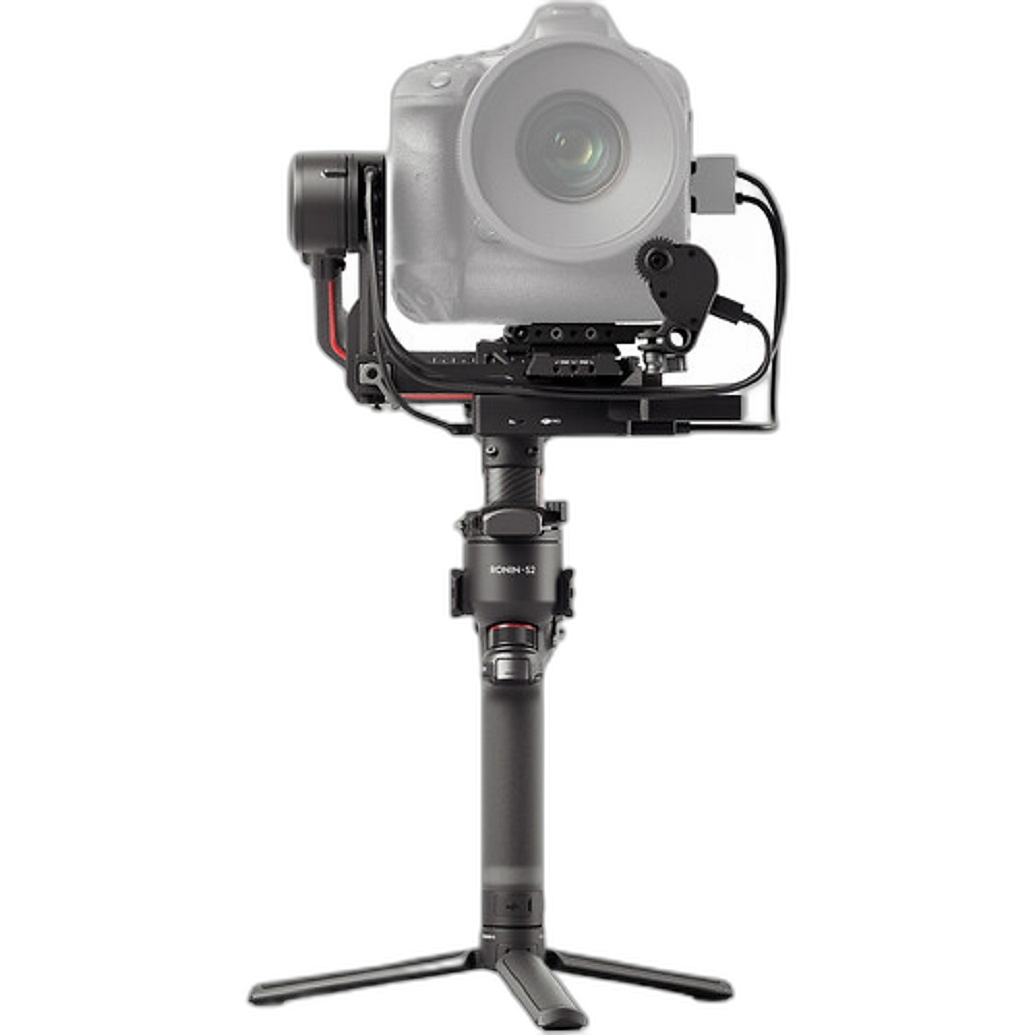
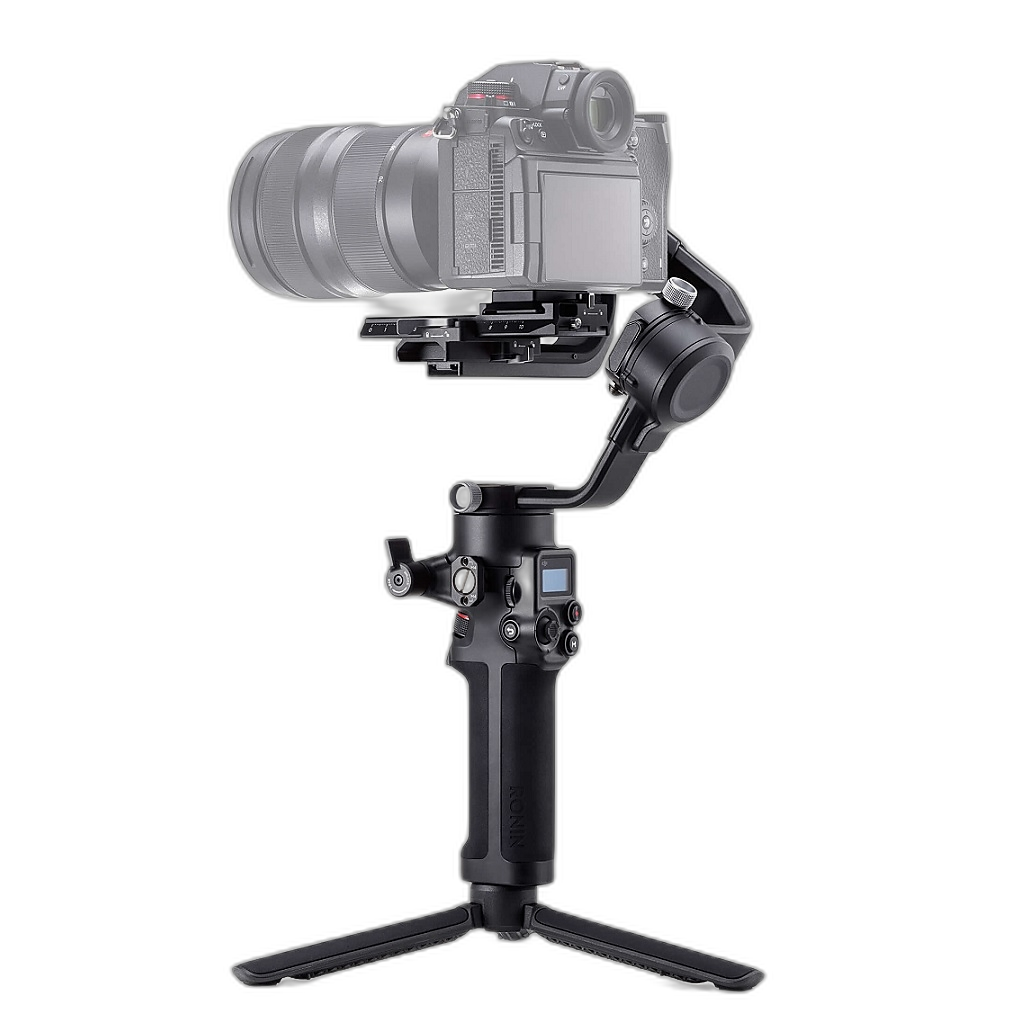
We also carry additional pre-owned options, including a Used DJI RS 2 Gimbal Stabilizer Pro Combo - Good, a Used Fair DJI RS 2 Gimbal Stabilizer Pro Combo, and a Used DJI RSC 2 Gimbal Stabilizer - Excellent for shooters who want dependable stabilization while keeping costs under control.
How easy is it to use a gimbal for long periods without fatigue?
This is one of the most important practical questions, because even the best stabilizer is only useful if you can operate it comfortably. Handheld gimbals can become tiring surprisingly fast, especially when you are carrying a full-frame camera, a zoom lens, and accessories for hours. Wrist strain, forearm fatigue, and lower-back tension are common during long event coverage or all-day productions.
The lighter your rig, the easier it is to shoot longer handheld. That is one reason many creators prefer a compact setup on something like the DJI RS 4 for weddings, travel, and social content. But if you are running a larger package or know you will be shooting for extended stretches, support systems can make a major difference.
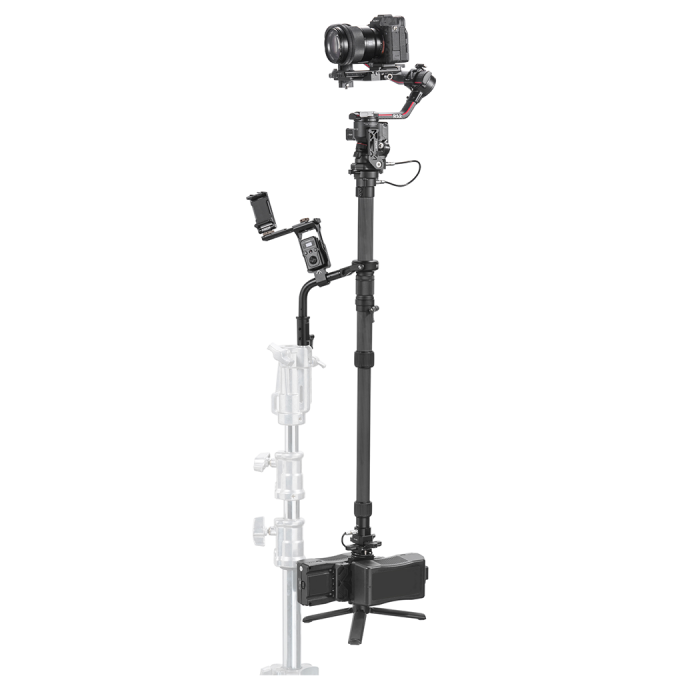
The Tilta Float Handheld Gimbal Support System for DJI RS2/3 is designed to shift weight more effectively and reduce operator fatigue during prolonged use. For creators shooting moving coverage for hours at a time, a support system like this can be the difference between getting the shot and wearing out halfway through the day.
What is the learning curve for using a gimbal compared to relying on IBIS?
IBIS is easier because it is always there. You turn on the camera, choose your settings, and start shooting. A gimbal requires balancing, tuning, understanding operating modes, and developing smoother body mechanics. You do not just hold it and walk normally—you learn to move with controlled steps, anticipate direction changes, and plan your framing in motion.
The good news is that modern gimbals are far more approachable than older systems. Auto-locking features, improved setup workflows, and better app integration have reduced the friction. If you are willing to practice for a few sessions before using it on a real assignment, the improvement in moving shots can be dramatic.
For newer users, the DJI ecosystem remains especially popular because it is intuitive and widely supported. If you are entering the category for the first time, the DJI RS 4 is one of the most user-friendly ways to begin while still leaving room for serious creative growth.
Should I buy a new gimbal or save money with used gear?
Both routes can make sense. A new gimbal is ideal if you want the latest refinements, current battery systems, maximum warranty confidence, and the smoothest setup experience. If stabilization is central to your paid work, buying new can be the right long-term decision.
Used gear is often a very smart value for creators who want professional stabilization without stretching the budget. Previous-generation gimbals still produce excellent results, especially for mirrorless systems and moderate payloads. The key is buying from a trusted retailer that evaluates condition carefully.
At Unique Photo, pre-owned options like the Used Excellent DJI RS 2 Gimbal Stabilizer Pro Combo and Used DJI RSC 2 Gimbal Stabilizer - Excellent can be great entry points for creators who want strong stabilization performance at a lower cost.
What is the best setup for true run-and-gun shooting?
The best run-and-gun setup is usually the one you will actually carry, balance quickly, and use all day. For many creators, that means a capable camera with strong IBIS for fast handheld coverage, paired with a lightweight or mid-sized gimbal for planned moving shots. This hybrid approach gives you speed when you need it and polish when the shot calls for it.
If you shoot mostly short-form video, events, creator content, or travel, a compact mirrorless body with IBIS plus a DJI RS 4 is an excellent combination. If your work includes heavier lenses, advanced accessories, or more demanding motion shots, the DJI RS 4 Pro Combo or Zhiyun CRANE 4 may be the better fit. And if your biggest challenge is operator fatigue, adding support with the Tilta Float can extend your shooting day significantly.
Choosing between IBIS and a gimbal is really about matching your tools to your workflow. If you want help comparing payload, ergonomics, and real-world usability, Unique Photo can help you find the right stabilization solution for your style of filmmaking. Explore our new and used gimbals, talk with our team, and build a run-and-gun setup that keeps your footage smooth and your day efficient.