Recommended Lenses for Cinematic Video on APS-C Cameras
If you shoot video on an APS-C or Super 35 camera (think Sony a6xxx/ZV-E10/FX30, Fujifilm X-series, Canon RF-S, or Nikon Z DX) and want that cinematic look without overspending, this guide is for you. We’ll break down what makes a lens look "cinematic," explain which focal lengths work best for stories, and recommend dependable lenses across budgets and mounts. Whether you’re filming indie docs, YouTube content, weddings, or short films, you’ll find clear picks and a fast path to better images.
What makes a lens "cinematic" on APS-C?
- Consistent, fast aperture: f/1.4–f/2.8 keeps ISO low and depth of field controllable. For zooms, a constant aperture is ideal.
- Controlled focus breathing: Minimal angle-of-view change while racking focus looks more filmic.
- Smooth manual focus: Linear response and a longer throw help you hit precise marks.
- Good rendering: Natural contrast, pleasing color, and well-behaved bokeh.
- Stabilization (OIS/VC): Helpful for handheld work when your body or camera lacks IBIS.
- Power zoom options: Useful for documentary, events, and solo-operator framing on the fly.
- Practical build: Internal focus/zoom (less rebalancing), standard filter threads, and declicked aperture (where available) are bonuses.
Primes vs. zooms: which is right for you?
- Primes (fast f/1.4–f/1.8): Best for subject isolation, low light, intentional framing, and consistent rendering across a set.
- Zooms (f/2.8–f/4): Best for versatility, gimbal use, and covering fast-moving scenes without swapping lenses.
Top lens picks for cinematic APS-C video
Sigma 18–35mm f/1.8 DC HSM Art
The modern classic Super 35 zoom stand-in. On APS-C it covers establishing to mid shots with a bright, constant f/1.8 for shallow depth of field and low-light work. Great on gimbals with adapters (where relevant) and for narrative B-cam work. Expect crisp optics and strong micro-contrast; breathing is present but manageable. Ideal as a core "A" lens for indie production.
- Best for: Narrative, music videos, interviews, gimbal work
- Why it’s cinematic: Constant f/1.8 and high contrast deliver a punchy, filmic image
Tamron 17–70mm f/2.8 Di III-A VC RXD (Sony E / Fujifilm X)
A do-it-all APS-C standard zoom with a constant f/2.8 and effective optical stabilization (VC). It’s a flexible run-and-gun lens that spans wide to portrait, holds a consistent look across the range, and keeps handheld footage steadier.
- Best for: Documentary, travel, weddings, corporate
- Why it’s cinematic: Constant f/2.8 look plus VC for smoother handheld motion
Sony E 10–20mm PZ F4 G
Ultra-wide, lightweight, and power-zoom enabled, this is a gimbal-friendly lens for dynamic movement and tight interiors. Excellent AF and minimal focus breathing (with in-camera compensation) make it a smart choice for solo creators.
- Best for: Gimbal work, interiors, establishing shots, vlogging
- Why it’s cinematic: Smooth power zoom and controlled breathing for polished moves
Sigma 56mm f/1.4 DC DN Contemporary (E / X / L)
A compact telephoto prime that shines for interviews and portraits. Clean optics, reliable AF, and a bright f/1.4 give you creamy backgrounds and flattering facial perspective.
- Best for: Interviews, portraits, B-roll details
- Why it’s cinematic: Subject isolation and compression without a huge footprint
Viltrox 13mm f/1.4 (various APS-C mounts)
A bright ultra-wide for low-light cityscapes, astro, and dramatic establishing shots. Delivers a fast aperture at a truly wide field of view without the weight of full-frame equivalents.
- Best for: Night scenes, interiors, architecture, vistas
- Why it’s cinematic: Low-light capability with bold perspective
Fujifilm XF 18–55mm f/2.8–4 OIS
A proven hybrid zoom for Fujifilm X shooters. It’s compact, stabilized, and sharper than its "kit" reputation suggests. Great travel and doc lens that pairs well with IBIS bodies.
- Best for: Travel, documentary, multi-purpose
- Why it’s cinematic: Versatile coverage with useful stabilization
Canon RF-S 18–150mm f/3.5–6.3 IS STM
For Canon APS-C mirrorless, this superzoom delivers huge range with quiet STM AF and image stabilization, perfect for all-day coverage when lens swaps aren’t practical.
- Best for: Run-and-gun, events, travel
- Why it’s cinematic: One-lens flexibility to keep your story moving
Sony E 11mm f/1.8
Lightweight, sharp, and fast, this lens brings a dramatic wide view without the bulk. Ideal for handheld or gimbal sequences where you want speed and clean AF.
- Best for: Handheld wides, vlogging, dynamic movement
- Why it’s cinematic: Bright f/1.8 for expressive wide-angle storytelling
Quick comparison
| Lens | Type | Aperture | Stabilization | Strengths | Watch-outs |
|---|---|---|---|---|---|
| Sigma 18–35mm f/1.8 Art | Zoom | f/1.8 (constant) | No | Fast, sharp, narrative-ready range | Some breathing; heavier than small primes |
| Tamron 17–70mm f/2.8 | Zoom | f/2.8 (constant) | Yes (VC) | Versatile coverage; stabilized | Not as shallow as f/1.4 primes |
| Sony 10–20mm PZ F4 G | Zoom | f/4 (constant) | No | Power zoom; minimal breathing; gimbal-friendly | Needs more light than faster glass |
| Sigma 56mm f/1.4 DC DN | Prime | f/1.4 | No | Creamy bokeh; flattering portraits | Fixed focal length; no OIS |
Budget cine-style prime sets
If you prefer fully manual cine control, consider APS-C/S35 cine primes from brands like Meike and Samyang/Rokinon (for example 25/35/50/85mm T2.2). They provide uniform gears for follow focus, de-clicked apertures, and consistent handling across the set—great for controlled shoots and narrative work.
Accessories that make lenses more cinematic
- Variable ND (VND): Hold 1/50–1/60 shutter for natural motion blur in daylight.
- Follow focus + gear rings: Hit marks repeatably on stills glass.
- Rigging: A cage, top handle, and rails improve balance and accessory mounting.
- Matte box + flags: Control flare and keep contrast consistent across scenes.
When an integrated-lens video camera or PTZ makes more sense
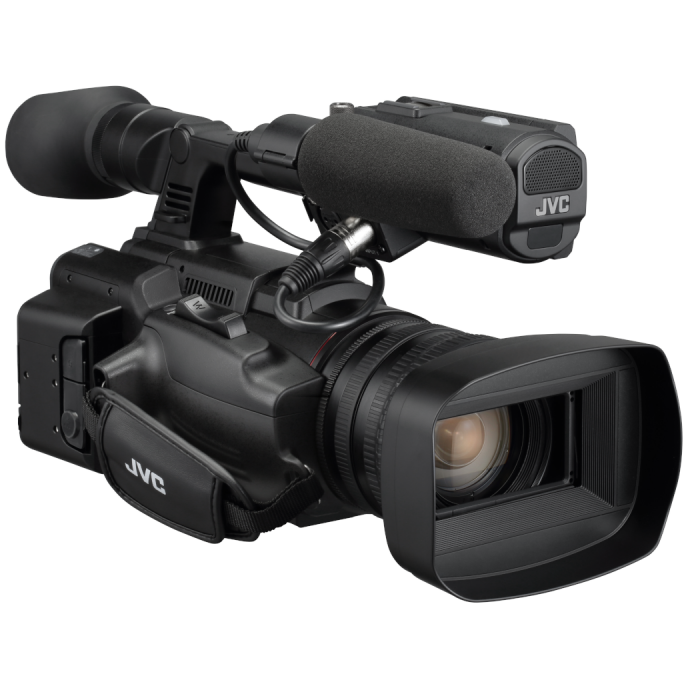
For live events, streaming, or fast-turn productions where servo zoom, long recording times, and all-in-one reliability matter more than lens-swapping, a professional camcorder or PTZ can be the smarter tool.
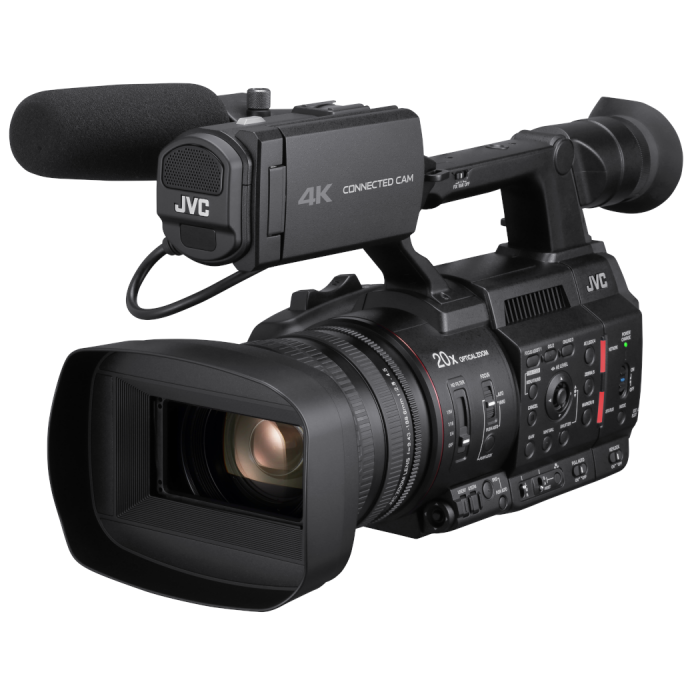
Handheld camcorders offer long zoom ranges, built-in NDs, XLR audio, and robust codecs—ideal for news, sports, and live production.
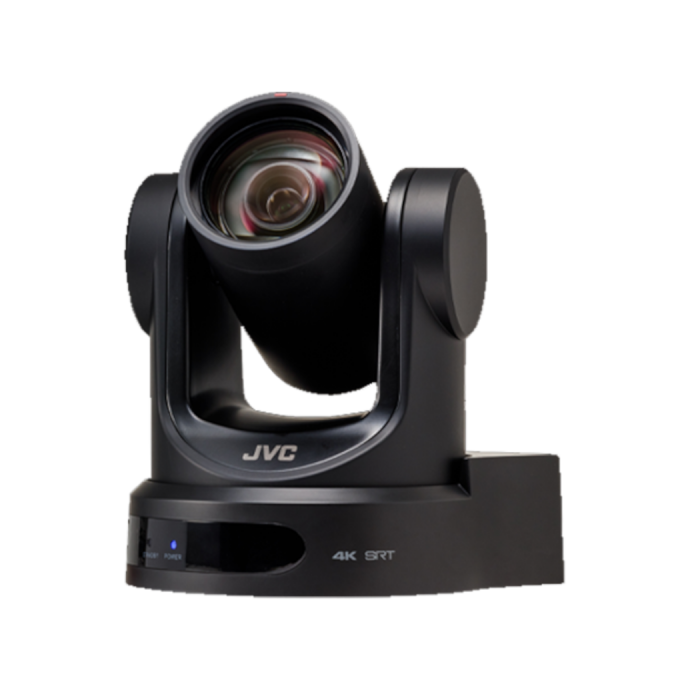
PTZ cameras enable remote pan/tilt/zoom and NDI HX workflows for churches, schools, and corporate studios. If your priority is live switching and coverage, these systems can be more efficient than building a lens kit.
Conclusion: The fast track to a cinematic look
For most APS-C filmmakers, start with a fast standard option and add a tele prime and an ultra-wide as your projects demand. Our top recommendation is the Sigma 18–35mm f/1.8 DC HSM Art for its unmistakably cinematic rendering and practical range. Pair it with a stabilized utility zoom like the Tamron 17–70mm f/2.8 or a portrait-friendly Sigma 56mm f/1.4 to round out your kit. When you’re ready to build your setup, visit Unique Photo—online or in-store—to compare mounts, try accessories, and get tailored advice from our video specialists.