Nikon Z8 vs D850 FAQ: Is It Worth the Upgrade?
For many Nikon shooters, the D850 remains one of the most respected full-frame cameras ever made. But if you are considering a move to mirrorless, the Nikon Z8 brings major advances in autofocus, shooting speed, video capability, and subject detection that can meaningfully change how you work in the field.
Below, our team at Unique Photo answers the most common questions photographers ask when comparing the Nikon Z8 to the D850, especially for wildlife, sports, events, portraits, and all-around professional use.
1. Is the Nikon Z8 autofocus noticeably better than the D850 in real-world shooting?
Yes—especially if you shoot action, wildlife, events, or unpredictable subjects. The D850 still offers excellent DSLR autofocus performance, but the Z8 adds a far more advanced mirrorless AF system with subject detection, eye detection, and tracking that can reduce the amount of focus-point management you need to do manually. In practical terms, that means the Z8 can make it easier to maintain focus on moving people, birds, animals, and vehicles across the frame.
For photographers coming from a D850, one of the biggest differences is not just speed, but consistency. The Z8 is designed to identify and follow subjects intelligently, which can be a major advantage when the pace is fast and compositions are changing quickly. If your work often includes sports sidelines, weddings, wildlife outings, or active kids, the upgrade can feel substantial.
If you want the current body-only option, the Nikon Z8 is the straightforward upgrade path.
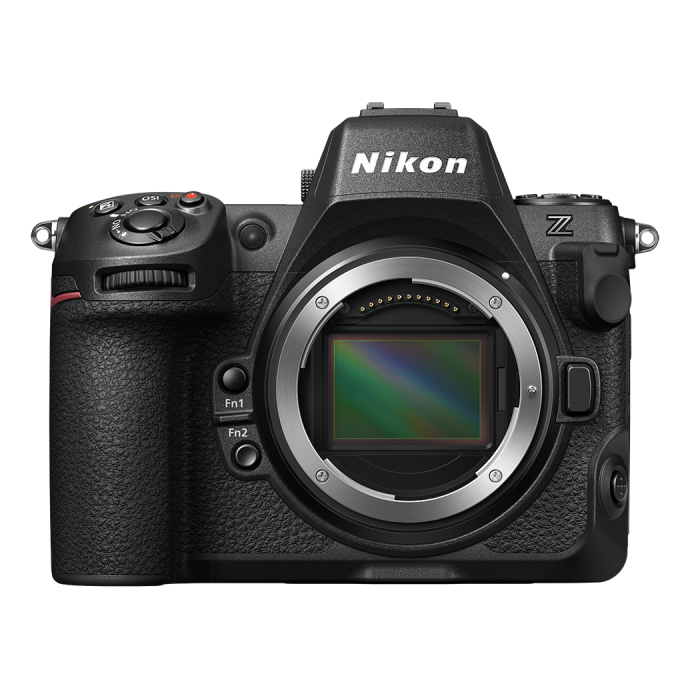
2. Does the EVF lag or blackout get in the way for fast action shooting?
For most photographers, the Z8's electronic viewfinder experience is strong enough that it will not be a deal-breaker—and for many users, it becomes a clear benefit once they adjust to mirrorless shooting. The main difference from the D850 is that you are no longer viewing the scene through an optical finder, so there is an adjustment period. However, the Z8 is built for high-performance shooting and is widely appreciated for handling action far better than older generations of mirrorless cameras.
In real use, photographers who track sports, birds, and fast movement generally adapt quickly, particularly because the EVF also gives advantages the D850 cannot: live exposure preview, white balance preview, focus aids, playback in the finder, and more direct feedback when lighting changes. If you strongly prefer the completely natural optical view of a DSLR, the D850 still has appeal. But if your priority is advanced AF performance and modern shooting tools, the Z8's finder is part of the upgrade, not a downgrade.
3. How do battery life and handling compare between the Z8 and D850?
The D850 still has the edge in battery endurance in typical stills shooting. DSLR optical viewfinders are naturally efficient, and many D850 users are used to extremely long shooting sessions on a single battery. The Z8, as a high-performance mirrorless camera with an EVF and more processing demands, generally requires more battery planning, especially for heavy bursts, subject detection, and video.
That said, battery life is only part of the story. The Z8 offers a professional-grade body with robust ergonomics, weather-resistant construction, and controls that feel familiar to Nikon shooters. For many D850 owners, the transition is smoother than expected because the Z8 preserves much of the serious Nikon handling experience while adding mirrorless advantages. If you shoot all day, you may simply want to budget for extra batteries as part of the move.
From a comfort standpoint, the decision often comes down to preference: the D850 delivers that classic DSLR feel, while the Z8 gives you a modern pro body that still feels purpose-built for demanding work.
Photographers who want to keep the DSLR experience can still find excellent value in a pre-owned D850.
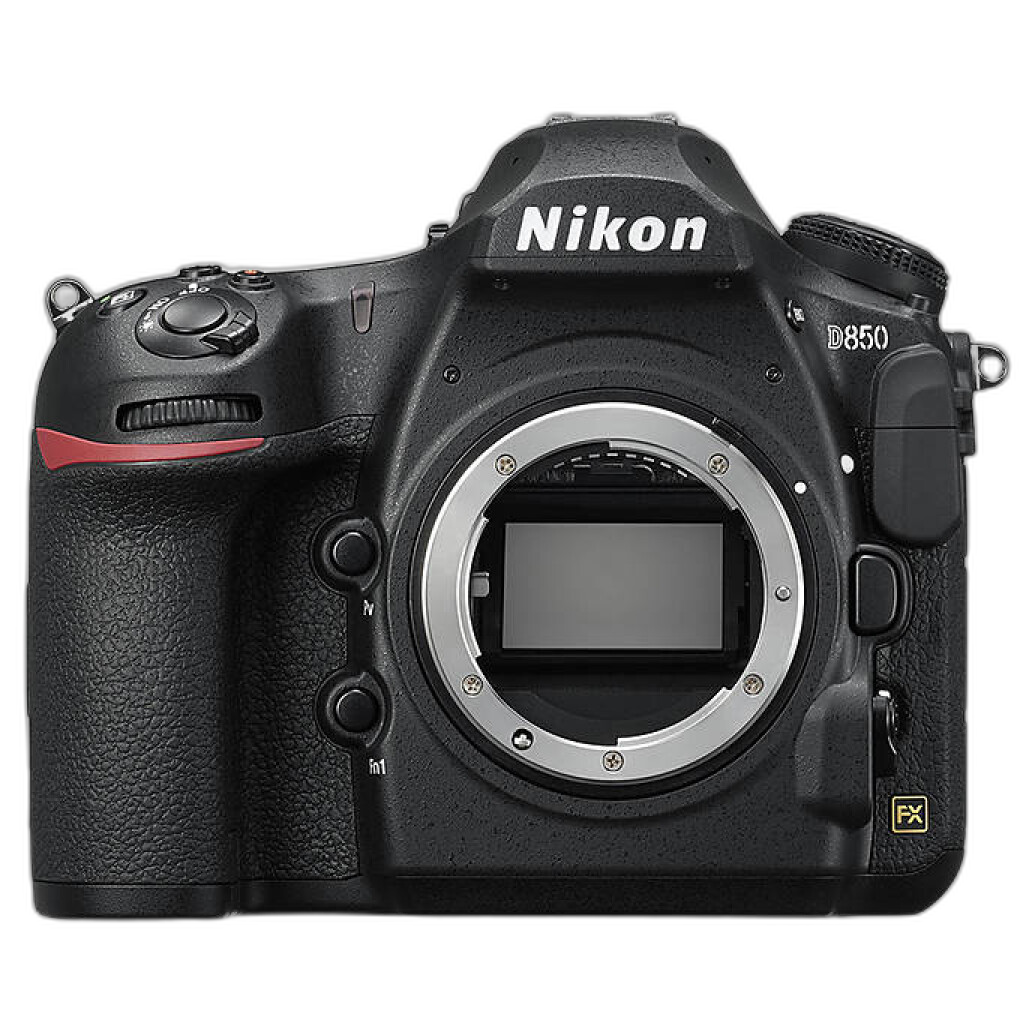
4. Has image quality improved, or is the Z8 mostly about speed and autofocus?
The answer depends on what you mean by image quality. Both cameras are capable of superb professional results, and the D850 remains highly respected for resolution, dynamic range, and overall file quality. If your definition of image quality is strictly base image output in good shooting conditions, the D850 still holds up extremely well.
Where the Z8 can improve your results is in the shots you are able to get more reliably. Better autofocus tracking, better subject recognition, faster shooting performance, and a more advanced live shooting experience can all lead to more keepers. So while color and overall image character may not feel radically different to every shooter, the percentage of sharp, well-timed images often does improve for photographers working in dynamic environments.
The Z8 is also a much more future-facing hybrid camera if you create both stills and video, making it a broader creative tool overall.
5. Is Nikon color science noticeably different on the Z8 compared to the D850?
Most Nikon users will find the overall color rendering comfortably familiar. Nikon has maintained a recognizable look across systems, so moving from the D850 to the Z8 should not feel like switching to a completely different brand aesthetic. Skin tones, landscape color, and general Nikon output remain in the same family.
What may change more than the color science itself is your workflow. The Z8's live preview can help you evaluate white balance and exposure before capture, which may reduce correction time later. If you are used to exposing through an optical finder and reviewing after the fact, that can be one of the more useful mirrorless upgrades for day-to-day shooting.
6. Is the Nikon Z8 worth upgrading to if I mainly shoot wildlife or sports?
Yes, this is one of the strongest cases for upgrading. Wildlife and sports photographers tend to benefit the most from the Z8's subject detection, burst capabilities, and tracking performance. If the D850 occasionally feels like it asks too much of you to maintain focus on erratic motion, the Z8 can streamline the process and improve hit rate.
At Unique Photo, we especially like the Z8 for shooters building a Nikon Z wildlife setup. A kit pairing the body with a long Z telephoto can make a lot of sense for birds, outdoor sports, and distant action.
For example, the Nikon Z8 with 180-600mm kit is a compelling option for photographers who want reach and modern AF performance in one package.
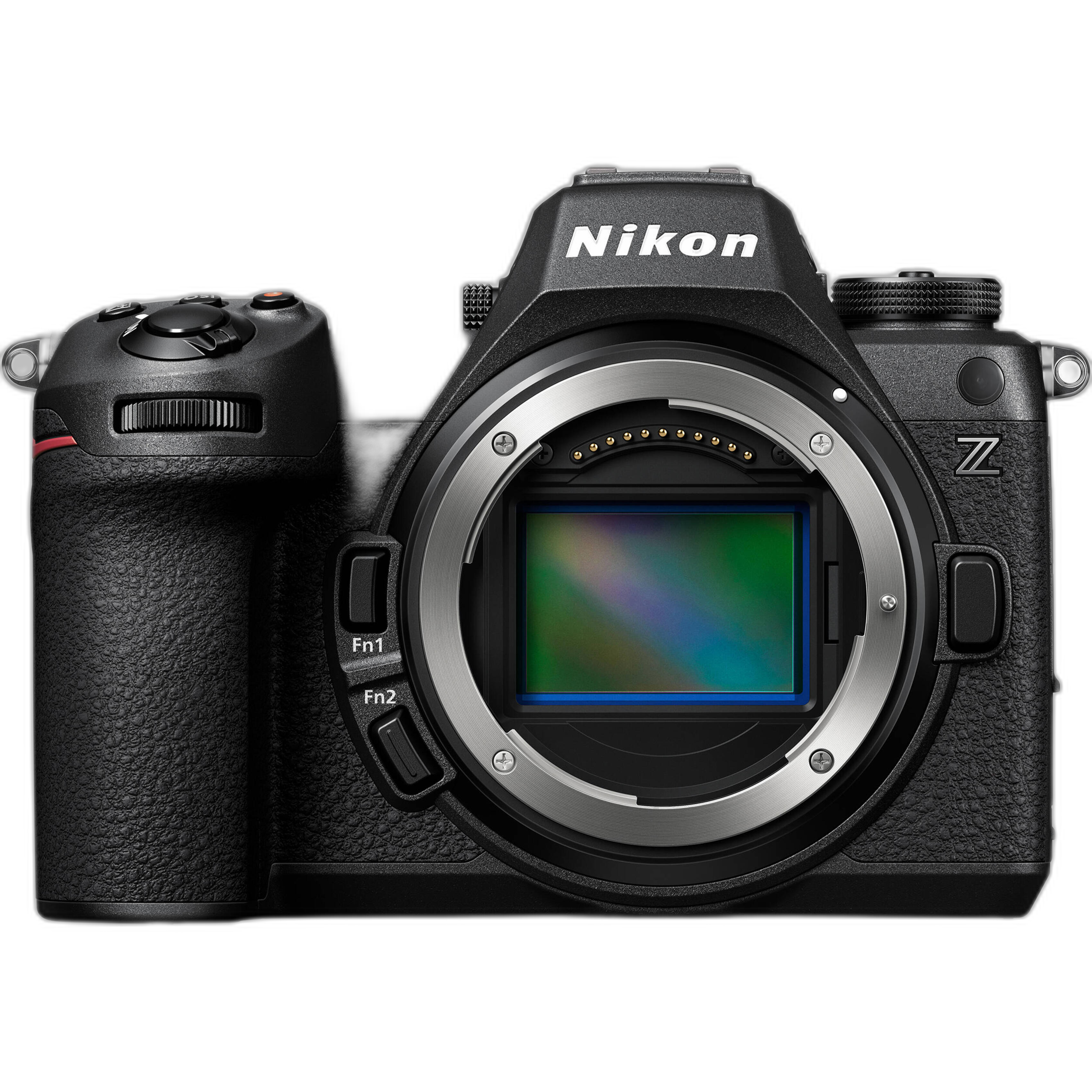
7. What if I shoot portraits, travel, or general-purpose photography more than action?
The Z8 can still be a worthwhile upgrade, but the value proposition becomes more personal. If your D850 already meets your needs and you are not missing key shots due to autofocus limitations, there may be less urgency to switch. The D850 remains a highly capable camera for portraiture, landscape, studio use, and general professional photography.
However, the Z8 starts to look more attractive if you want one camera that can handle portraits, commercial work, travel, events, and serious video equally well. A versatile kit lens can make that transition especially easy. For many photographers, the Nikon Z8 paired with the NIKKOR Z 24-120mm f/4 S is one of the most balanced all-around combinations in the system.
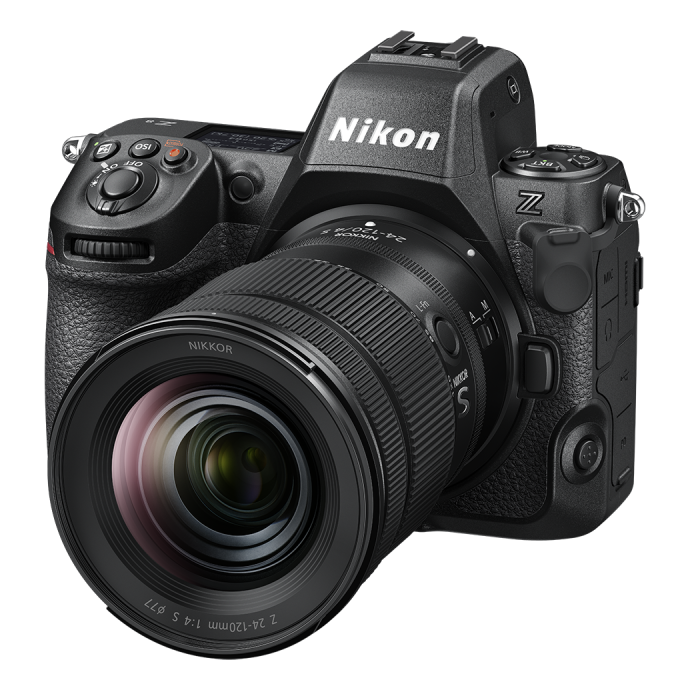
If you are looking for extra value, an open-box version of that combination can also be worth considering.

8. Should I keep my D850, buy a used Z8, or go straight to a new one?
That depends on your budget, your shooting style, and whether you need a backup body. If you are unsure about leaving DSLR entirely, keeping a D850 while adding a Z8 can be an excellent transitional setup. It lets you compare both systems on real assignments while preserving a familiar body in your bag.
If budget is a priority, a used Nikon Z8 can be a smart way to step into Nikon mirrorless performance while keeping costs more manageable. Unique Photo often carries used options in multiple condition grades, which can be especially helpful for photographers upgrading from older DSLR gear.
For example, a used Nikon Z8 in excellent condition is an appealing option for many upgraders.

We may also have value-oriented condition options available for buyers who prioritize savings.

If you want full warranty coverage and the latest new stock, a new Nikon Z8 body remains the most direct choice.
9. So, is the Nikon Z8 actually worth upgrading from the D850?
For many photographers, yes—but the reason matters. If you want better autofocus, stronger subject tracking, advanced mirrorless shooting tools, and serious hybrid capability, the Z8 is a meaningful upgrade. If you mainly value long battery life, an optical viewfinder, and excellent still-image quality at a lower cost of ownership, the D850 remains deeply relevant.
In short, the Z8 is easiest to justify for action, wildlife, event, and hybrid shooters. The D850 remains a smart choice for photographers who still prefer the DSLR experience or want outstanding value in a proven professional body.
If you are deciding between the two, Unique Photo can help you compare new, used, and open-box Nikon options to find the right fit for your budget and shooting style. Explore our Nikon Z8 and D850 inventory to make your next upgrade with confidence.