PCS: Cinematic Lighting and Storytelling with Chris Knight — A Review for Editorial Storytellers
Editorial features demand images that do more than look good — they must carry narrative weight. Unique Photo’s PCS: Cinematic Lighting and Storytelling with Chris Knight (Fujifilm, Profoto) zeroes in on that mandate, teaching photographers how to craft concept-driven, emotionally resonant photographs that read like frames from a film. If your assignments include cover stories, long-form profiles, or conceptual portrait features, this class is designed to sharpen your lighting decisions and narrative intent so every frame advances the story.
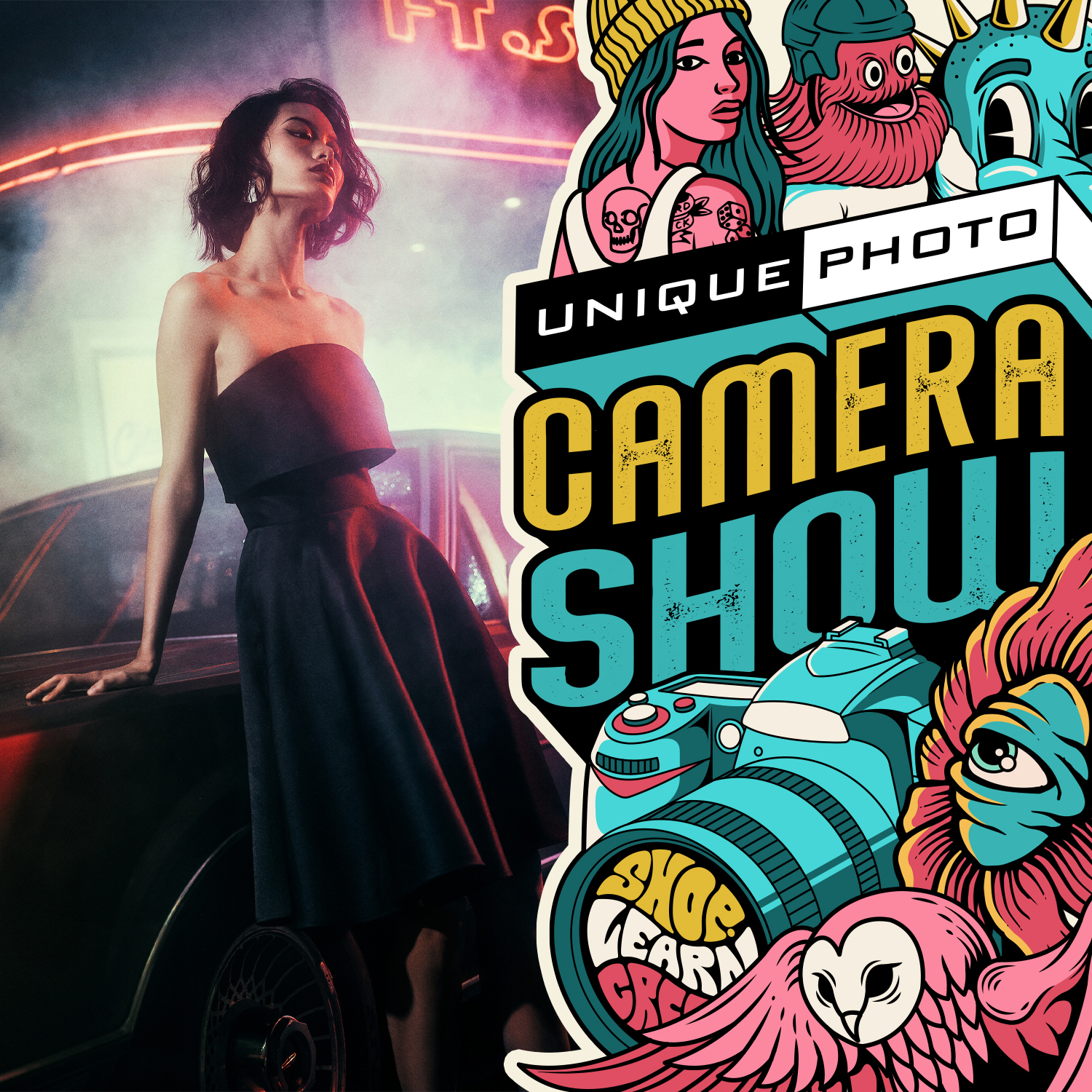
Chris Knight is known for richly sculpted light and editorially polished portraiture. In this PCS program, he deconstructs how cinematic lighting, color, and composition can be purposefully deployed to communicate character, mood, and context — the essential ingredients of a publishable feature.
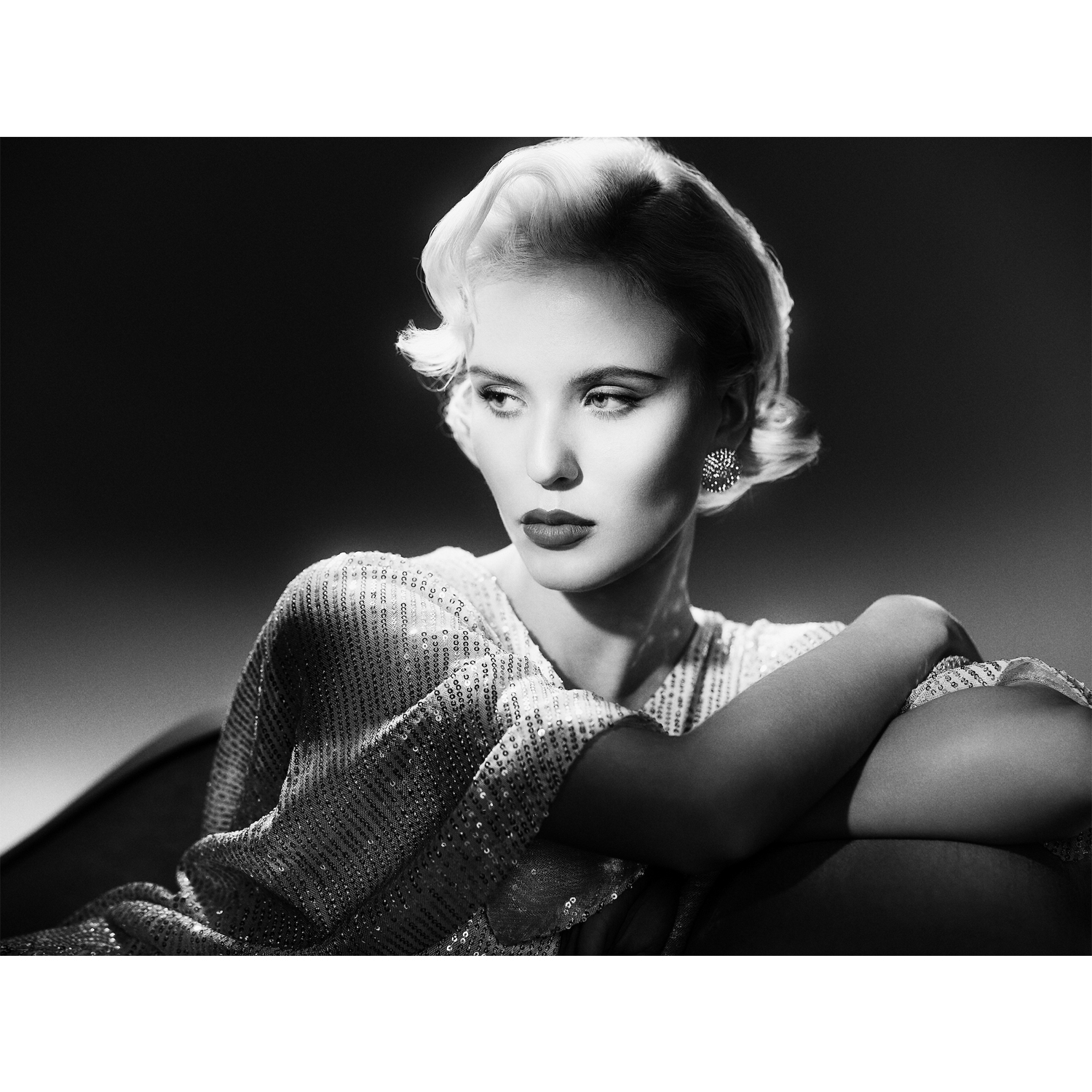
Key Features
Cinematic Lighting Foundations for Editorial Context
Instead of generic “one-light” recipes, the class frames lighting as a storytelling device: when to prioritize shape over fill, how to use negative fill to deepen drama, and where rim/crosslight supports character vs. setting. Expect practical demonstrations that connect lighting patterns (short, broad, split, butterfly) with editorial moods, plus how to evolve a setup from quiet profile to bold cover with minimal changes.
Story-First Image Design
Chris connects concept to execution: how to translate an editorial brief into previsualized looks, dial color palette and contrast to match narrative tone, and build scenes that layer prop/wardrobe/location cues without cluttering the frame. He also shows how to sequence hero, opener, and secondary images so a feature reads cohesively across spreads.
Practical, Reproducible Setups
From single-source drama to multi-light cinematic builds, the demonstrations emphasize repeatable setups suitable for tight editorial schedules. The workflow includes light placement strategies you can map quickly on-location, with considerations for modifier choice, flagging, and keeping backgrounds story-appropriate and clean for text/cover lines.
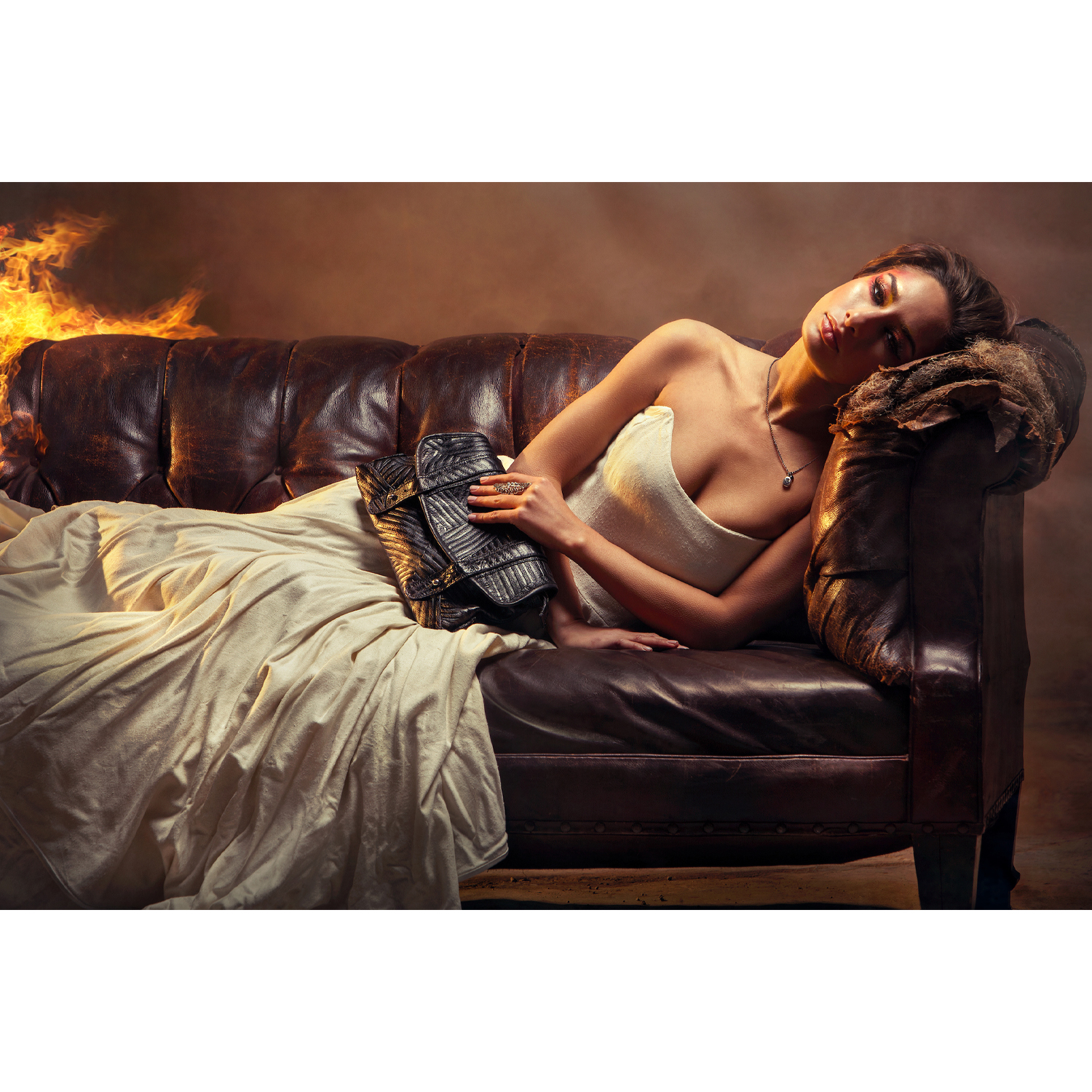
On-Set Collaboration and Direction
Editorial storytelling lives or dies on authentic performances. The program addresses directing talent to convey narrative beats, working with minimal crew, and maintaining pace so you deliver multiple looks on deadline. Tips are grounded in real-world magazine scenarios where you have minutes, not hours, to land a cover-worthy image.
Brand-Supported, Gear-Agnostic Insights
Presented with Fujifilm and Profoto, the instruction remains principle-driven. Whether you shoot mirrorless or DSLR, strobe or continuous, the lighting and story frameworks translate cleanly. If you do use Profoto systems, you’ll appreciate shorthand for power management and modifier swaps under time pressure.
Editorial-Ready Workflow Touchpoints
Beyond capture, Chris touches on color fidelity, tethered preview for art directors, and building a consistent series that survives retouching and layout. You’ll leave with a mental checklist for pre-production, shot order, and coverage that editors expect.
Pros and Cons
- Pros
- Story-driven lighting instruction that directly maps to editorial deliverables.
- Clear, reproducible setups for fast-paced assignments.
- Strong emphasis on mood, palette, and sequence for multi-image features.
- Actionable direction techniques for eliciting authentic expressions.
- Brand-supported demos that remain broadly applicable to any system.
- Cons
- Focus on controlled, cinematic setups may be less relevant to pure run-and-gun reportage.
- Availability is tied to event scheduling; spots may be limited.
Verdict
If your goal is to elevate editorial assignments from competent to compelling, PCS: Cinematic Lighting and Storytelling with Chris Knight delivers concentrated, real-world guidance. It’s particularly valuable for portrait and feature shooters who need to communicate character and mood under time constraints. The curriculum balances aesthetic ambition with practical setups, making it ideal for photographers transitioning from basic portrait lighting to nuanced, story-led imagery.
Recommendation: Strong buy for editorial portraitists, magazine freelancers, and corporate shooters building feature-style campaigns. Available through Unique Photo — check event details and registration at uniquephoto.com.