Whether you're entering a local photo club challenge, an online themed contest, or building a portfolio that needs to stand out, contest-worthy images usually come down to two things: intentional camera settings and dependable gear. This guide is for photographers who want sharper landscapes, more dramatic perspectives, cleaner low-light results, and a workflow that keeps them ready when the right moment appears. Below, we’ll cover practical settings to use in common contest-friendly scenarios, plus a curated selection of gear that can help elevate your results.
Start With the Right Camera Settings
Before upgrading your kit, dial in the fundamentals. Judges often respond to images that feel deliberate, technically clean, and visually distinct. These settings are a strong starting point:
- Shoot RAW: Gives you the latitude to recover highlights, refine color, and optimize contrast in post.
- Use Aperture Priority or Manual: For landscapes and architecture, start around f/8 to f/11. For subject isolation or mood, open up wider when your lens allows.
- Keep ISO as low as possible: ISO 100 to 400 is ideal when light permits. Low noise helps preserve detail for prints and submissions.
- Watch shutter speed: Use at least 1/focal length for handheld stills, faster for action, and slower only when intentionally creating motion blur.
- Use single-point AF or manual focus for precision: Especially helpful in landscapes, close-up work, and low-light scenes.
- Bracket exposures when contrast is high: Contest scenes with bright skies and dark foregrounds often benefit from HDR blending or careful highlight protection.
Best Settings by Popular Contest Category
| Category | Suggested Settings | Why It Works |
|---|---|---|
| Landscape | f/8-f/11, ISO 100, tripod or stable support, focus one-third into the scene | Maximizes sharpness and depth of field |
| Street/Documentary | f/4-f/5.6, Auto ISO, 1/250s or faster | Keeps you responsive while freezing candid moments |
| Low Light / Creative | Wide aperture, ISO 800-3200, careful exposure compensation | Balances mood, detail, and manageable noise |
| Architecture / Interiors | Wide lens, f/8, ISO 100-400, level horizon | Helps maintain clean geometry and edge-to-edge detail |
| Instant / Film Art | Meter carefully, compose simply, embrace imperfections | Creative character can be a differentiator in judged work |
Recommended Gear for Contest-Worthy Results
If your goal is to create standout contest images with dramatic perspective, strong edge-to-edge detail, and polished optical performance, this is the most directly impactful upgrade in this guide. It’s especially compelling for landscapes, architecture, travel, and environmental storytelling.
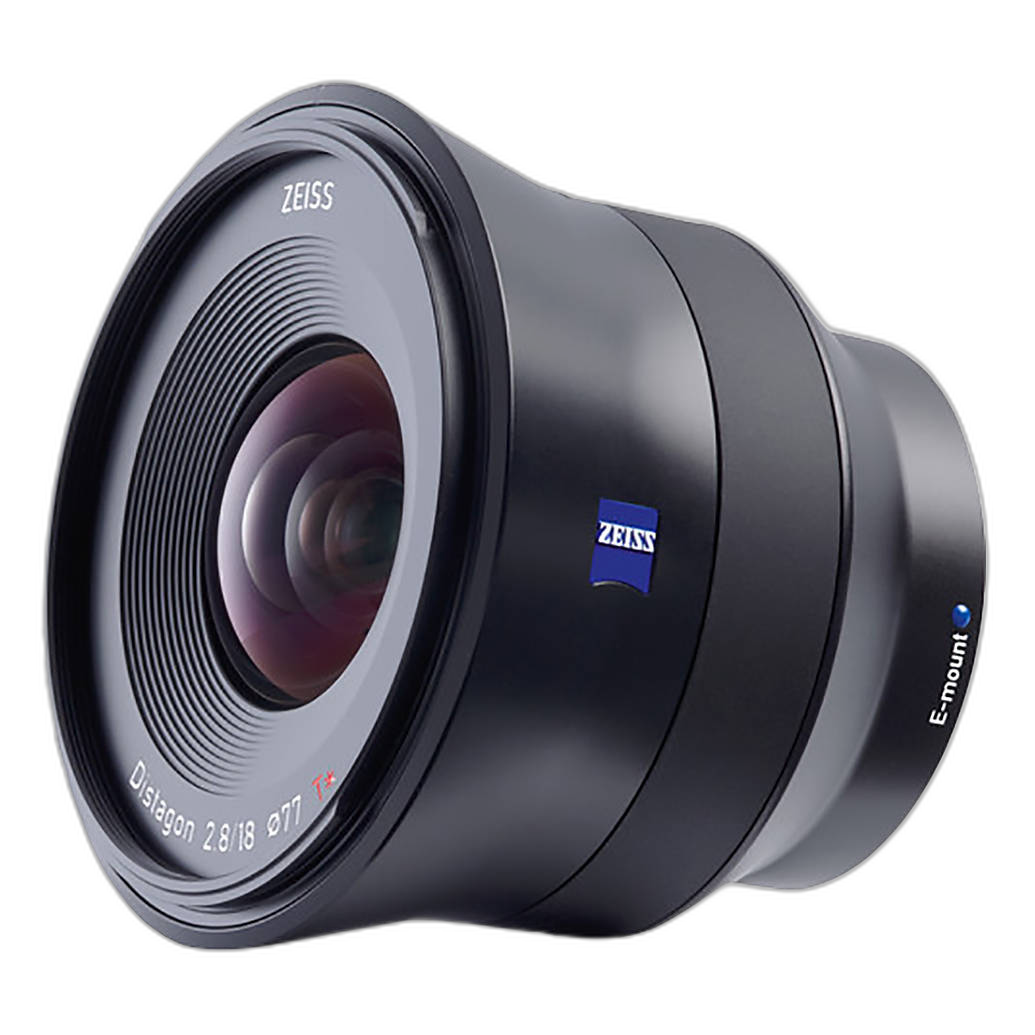
Zeiss Batis 18mm f/2.8 AF Lens for Sony Full Frame E-Mount
For many photo contests, wide-angle work performs especially well when it feels immersive without sacrificing technical polish. The Zeiss Batis 18mm f/2.8 is a smart choice for Sony full-frame shooters who want dramatic framing, high-quality optics, and a focal length that excels in landscapes, architecture, interiors, and creative environmental portraiture.
Recommended settings with this lens:
- Landscapes: f/8, ISO 100, tripod or stabilized support if available
- Architecture: f/8 to f/11, enable grid lines, keep verticals straight
- Low-light environmental scenes: f/2.8 to f/4, Auto ISO with minimum shutter around 1/125s
Why it’s great for contests: A lens upgrade often changes image quality more noticeably than many accessories. Better contrast, strong corner performance, and a compelling wide perspective can help your images feel more intentional and more professional.
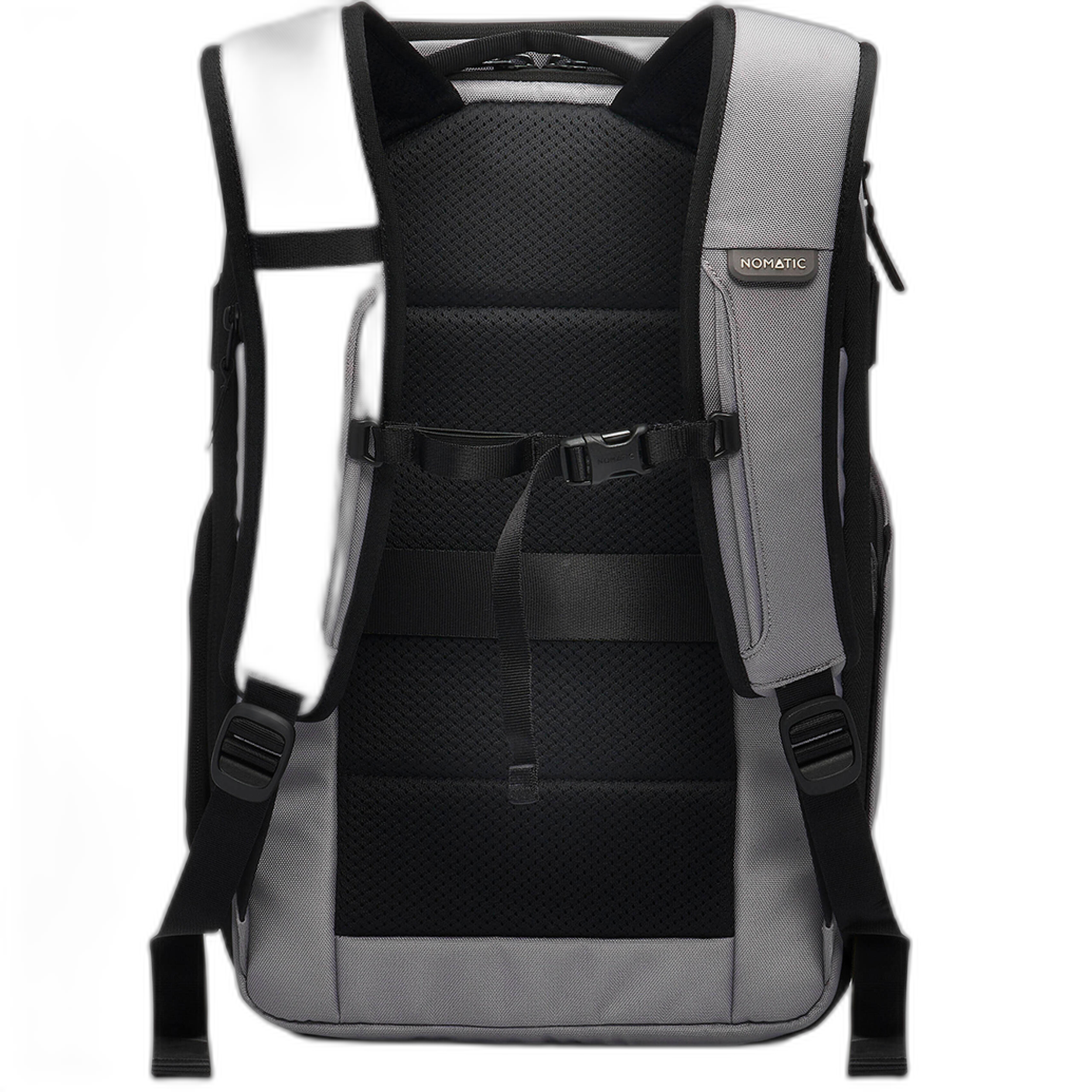
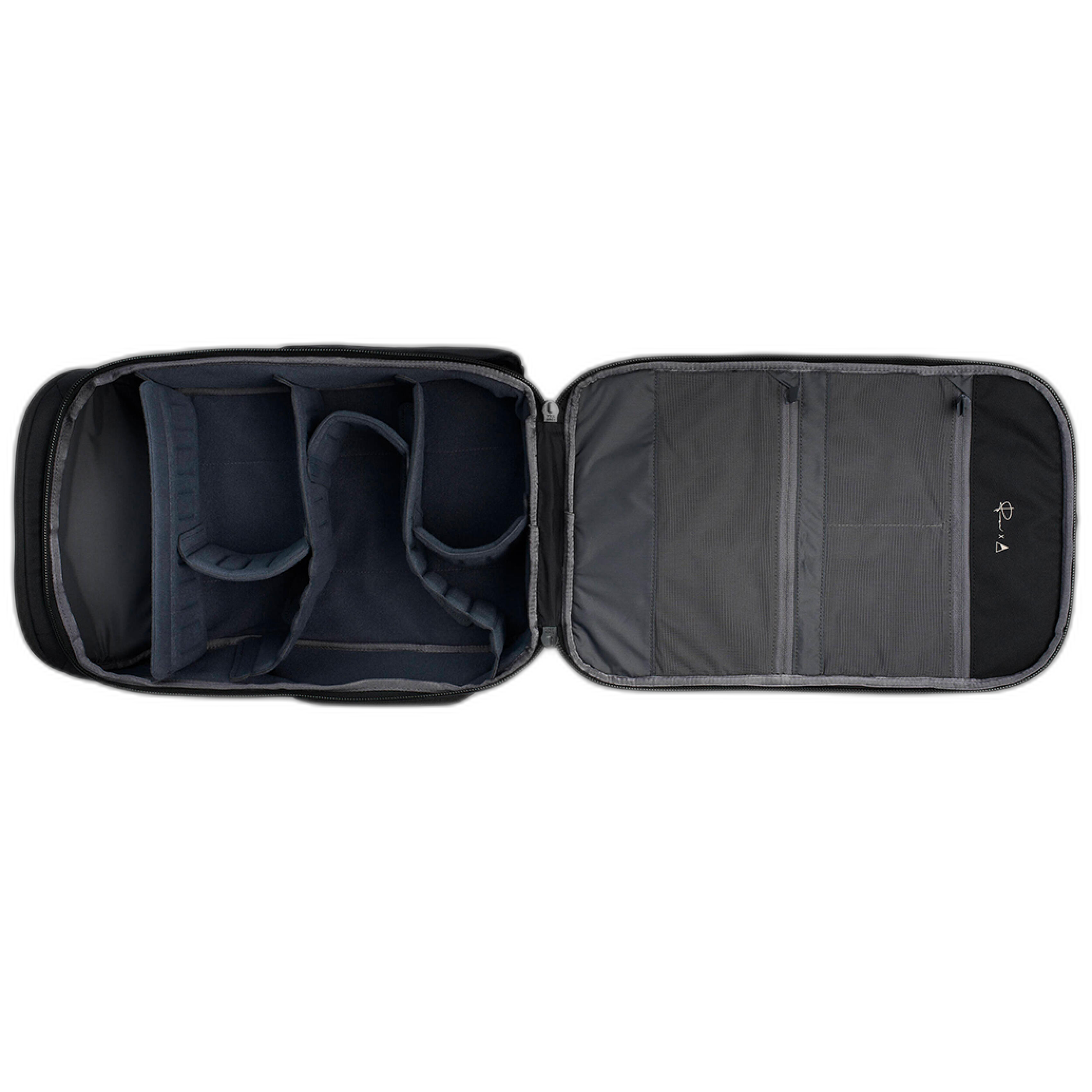
Nomatic Luma Camera Pack 18L - Stone
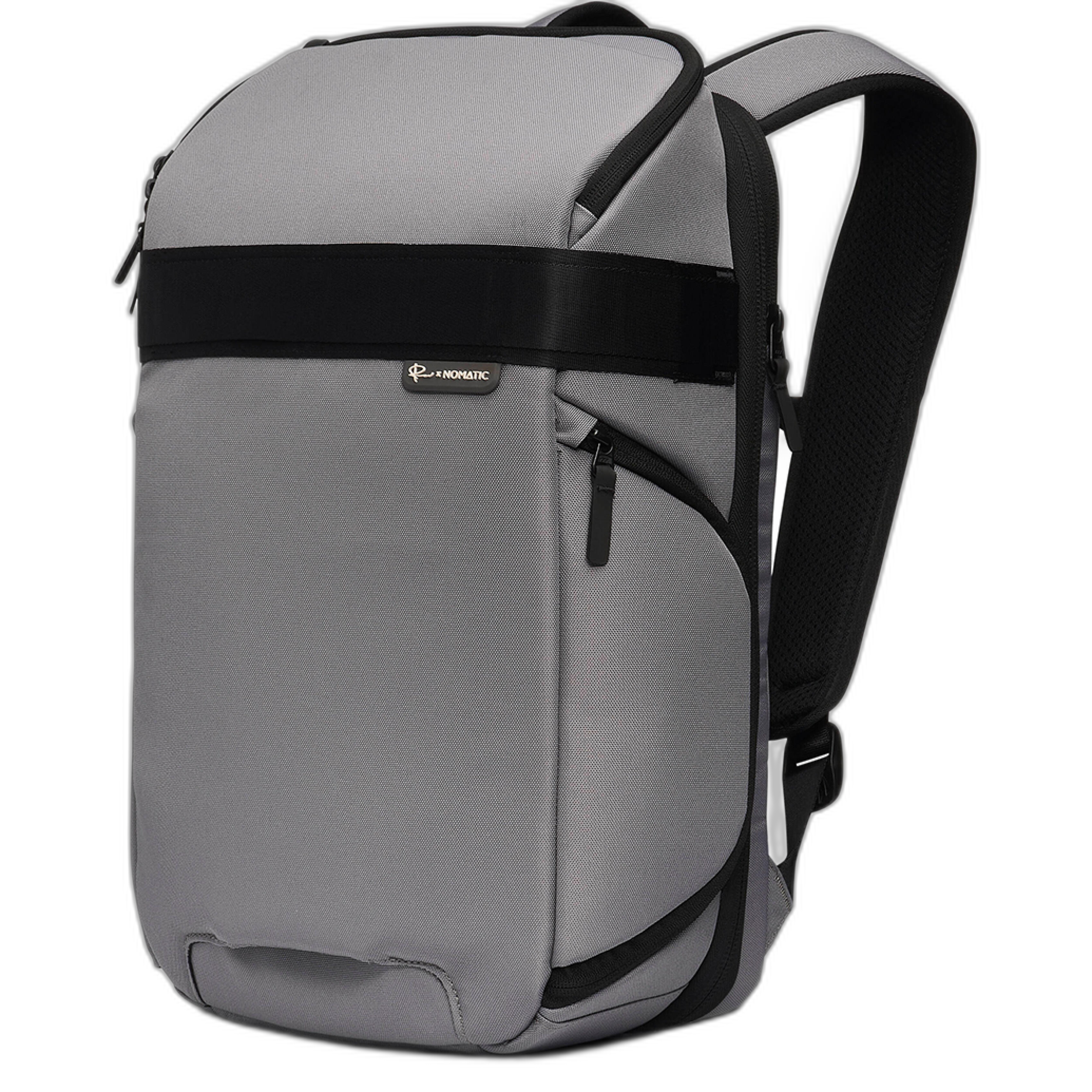
Contest-worthy images often happen before or after the obvious moment: early morning light, quick weather changes, or a location that requires a comfortable walk-in. The Nomatic Luma Camera Pack 18L helps you keep a capable kit organized and accessible without overpacking.
Why it matters: A good camera bag won’t improve sharpness on its own, but it absolutely improves readiness. If your lens, batteries, and accessories are easy to reach, you’re more likely to capture fleeting light and spontaneous scenes.
Best use cases:
- Day trips for landscape and travel contests
- Urban shooting sessions where portability matters
- Photographers carrying one body, a couple of lenses, and key accessories
PGYTECH Camera Strap Slim - Vintage-Olive Green
The most important camera is the one that’s actually in your hands when the scene develops. A comfortable strap like the PGYTECH Camera Strap Slim can make all-day shooting more manageable, especially during walks, travel sessions, and documentary-style contest work.
Recommended shooting approach: Keep your camera ready with aperture priority, Auto ISO, and a minimum shutter speed set high enough for your subject. That way, when a decisive moment appears, you can react quickly instead of digging through menus.
Why it’s useful: It supports a more active shooting style, which is often what leads to more original, competition-ready images.
Blackmagic Design Power Supply for Pocket Cinema Camera
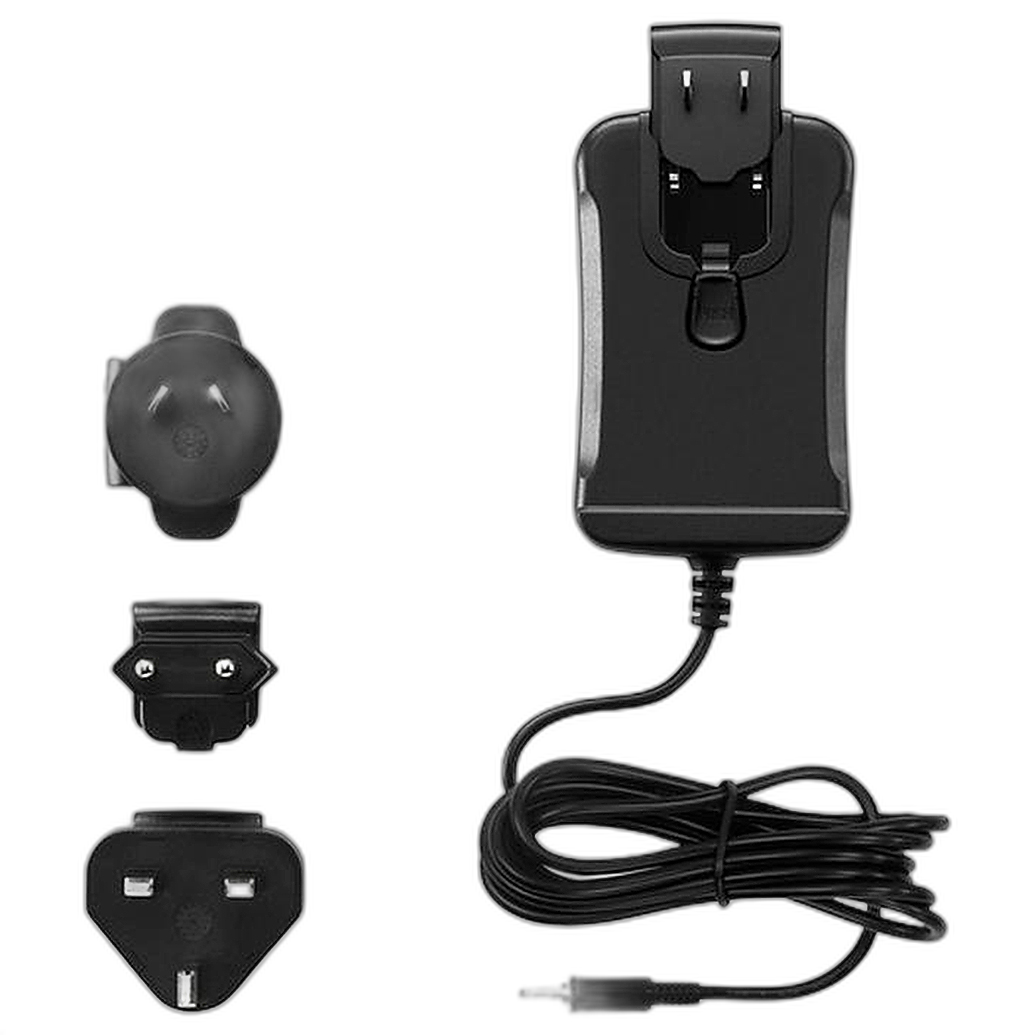
If your contest entry involves hybrid storytelling, short-form visual essays, or motion categories, reliable power becomes essential. The Blackmagic Design Power Supply for Pocket Cinema Camera is a practical addition for creators using Blackmagic cinema gear in studio, interview, or extended capture sessions.
Why it matters: Technical interruptions can derail a strong concept. Stable power is especially important when capturing long takes, controlled-light setups, or repeatable sequences for judged multimedia projects.
RED Extended Warranty - KOMODO-X

For professionals and serious creators building contest entries around high-end cinema production, the RED Extended Warranty for KOMODO-X adds peace of mind. While it doesn’t directly affect image aesthetics, protecting a major investment can be a smart part of a dependable production workflow.
Best for: Filmmakers and advanced hybrid shooters submitting to contests where reliability, repeat shoots, and sustained production value matter.
How These Picks Compare
| Product | Best For | Primary Benefit | Who Should Buy It |
|---|---|---|---|
| Zeiss Batis 18mm f/2.8 | Landscape, architecture, travel | Most direct image-quality and perspective upgrade | Sony full-frame photographers chasing standout stills |
| Nomatic Luma Camera Pack 18L | Location shooting | Organization and portability | Photographers who want a ready-to-go field kit |
| PGYTECH Camera Strap Slim | Street, travel, all-day carry | Comfort and quick access | Shooters who work handheld for long sessions |
| Blackmagic Power Supply | Video and studio work | Reliable continuous power | Blackmagic Pocket Cinema Camera users |
| RED Extended Warranty - KOMODO-X | Professional production | Equipment protection | KOMODO-X owners focused on uptime |
Final Tips for More Competitive Images
- Prioritize concept over complexity: A clear visual idea often beats an overprocessed image.
- Check edges and backgrounds: Small distractions can weaken an otherwise strong submission.
- Edit ruthlessly: Enter your strongest single frame, not just your favorite memory.
- Match gear to your category: Wide lenses for landscapes and architecture, comfortable carry solutions for street and travel, dependable power for multimedia entries.
Conclusion
If you want the best chance at creating contest-worthy work, start with clean fundamentals: RAW capture, low ISO when possible, precise focusing, and intentional aperture choices. From there, invest in gear that supports the kinds of images you actually want to make. For most still photographers in this guide, the Zeiss Batis 18mm f/2.8 is the strongest upgrade because it can directly improve composition possibilities and image quality. Pair it with the Nomatic Luma Camera Pack 18L for location readiness, and you’ll be better equipped to capture the kind of polished, memorable images judges notice. For more photographer-focused gear and expert support, shop with Unique Photo.