Affordable Mirrorless Cameras for 4K Video: FAQ for New Filmmakers
Choosing a mirrorless camera for 4K video can feel overwhelming, especially when you are balancing image quality, autofocus performance, portability, and budget. For beginners and intermediate creators, the best choice is usually the camera that fits your shooting style today while still leaving room to grow into better lenses, audio, and support gear.
At Unique Photo, we help video creators compare real-world features instead of just spec-sheet numbers. Below, we answer some of the most common questions shoppers ask when looking for an affordable mirrorless camera for filmmaking, vlogging, interviews, travel videos, and hybrid photo/video work.
What should beginners prioritize in a mirrorless camera for 4K video?
For most new filmmakers, the top priorities should be reliable autofocus, clean 4K recording, manageable file sizes, usable stabilization, and a camera body that is easy to carry and learn. It is tempting to focus only on resolution or frame rates, but many creators get better results from a camera with dependable subject tracking and simple controls than from a more advanced model they struggle to operate in the field.
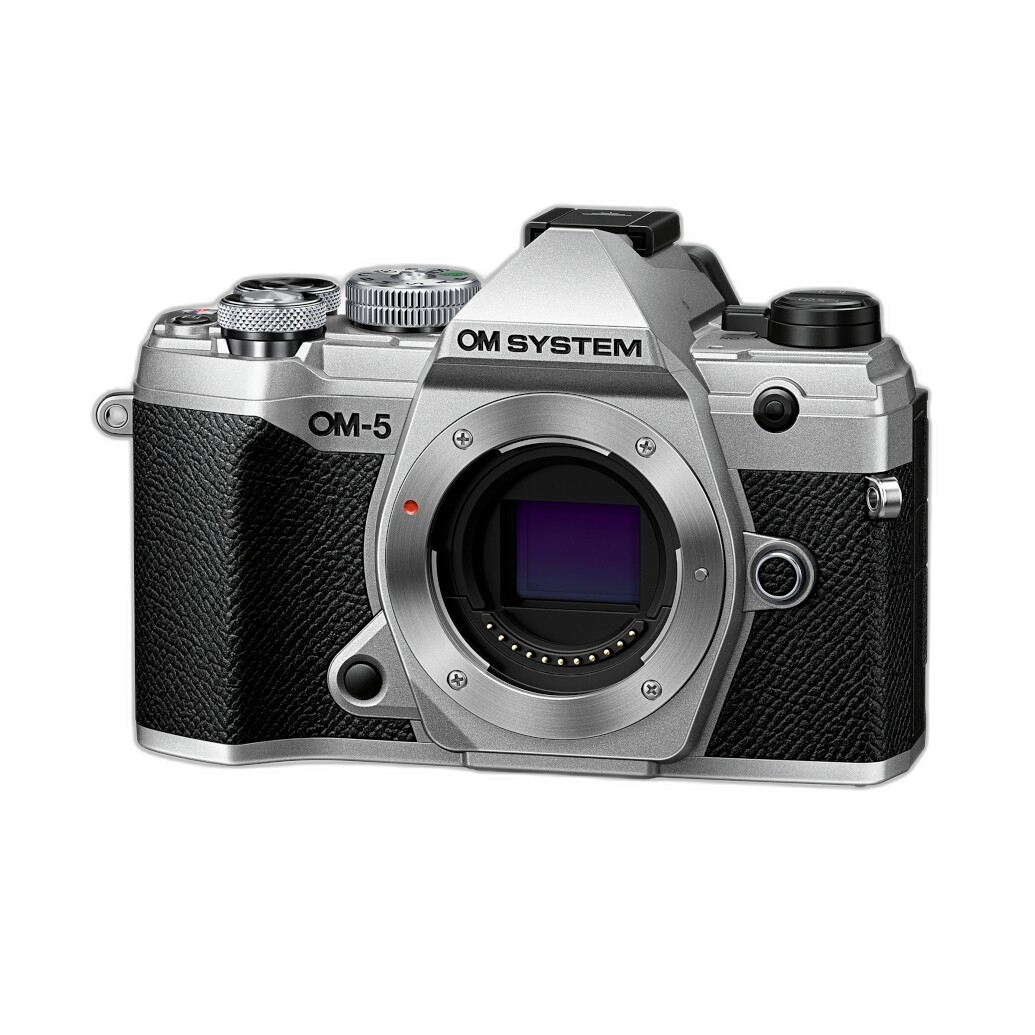
If portability matters, the OM SYSTEM OM-5 Mirrorless Camera is a compelling option for travel creators and run-and-gun shooters. Its compact body makes it easier to carry all day, and a lighter setup can be a major advantage for handheld video and location work.
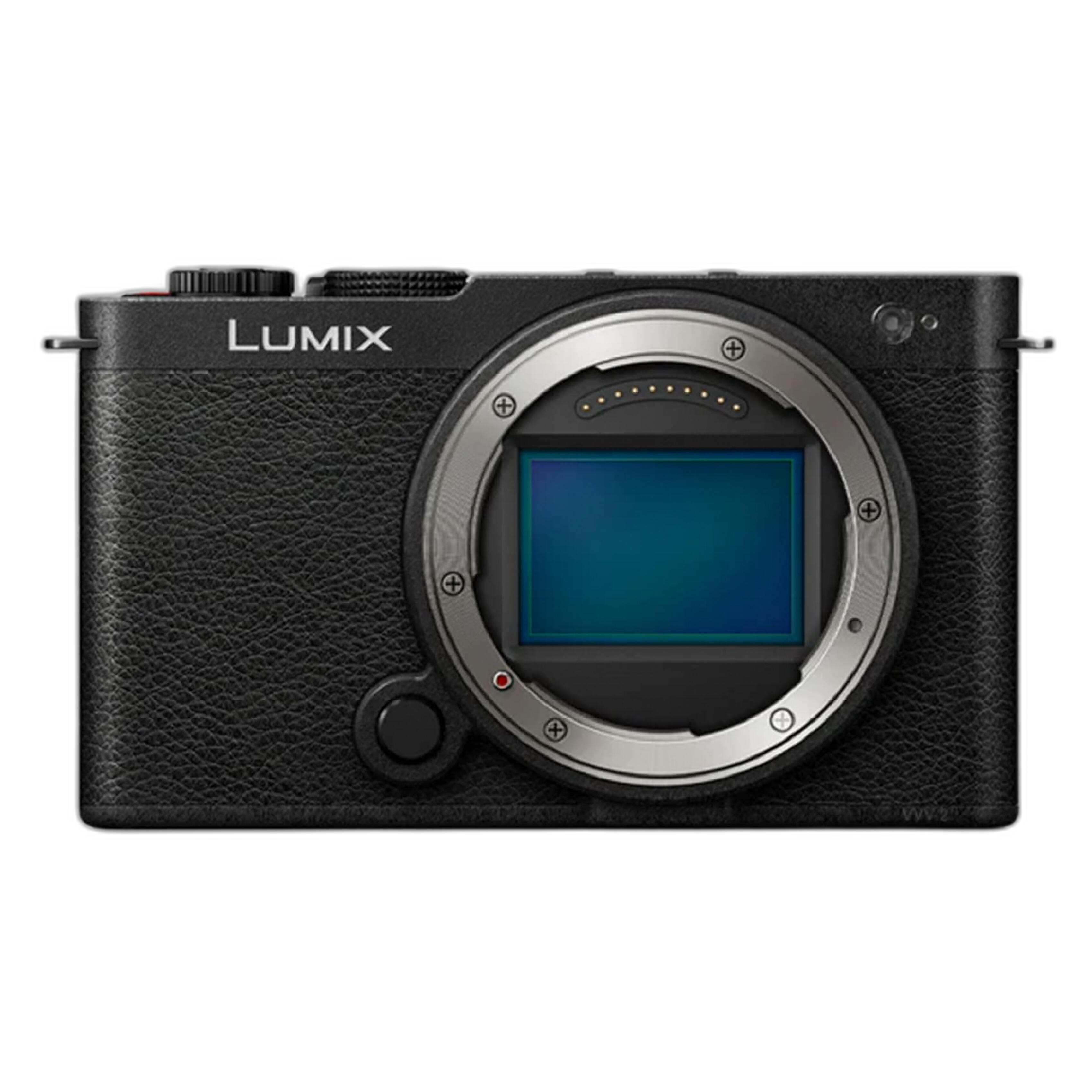
If you want to step into full-frame video on a budget-conscious path, a used body can make a lot of sense. The Used Panasonic LUMIX S9 Mirrorless Camera is worth considering for creators who want a modern mirrorless platform without stretching into the price of a brand-new cinema-focused body.
Is autofocus really that important for 4K videography?
Yes, especially for solo creators. If you film yourself, track moving subjects, cover events, or shoot documentary-style footage, strong autofocus can save shots that would otherwise be unusable. Good AF performance helps keep faces and eyes sharp while you focus on framing, lighting, and sound.
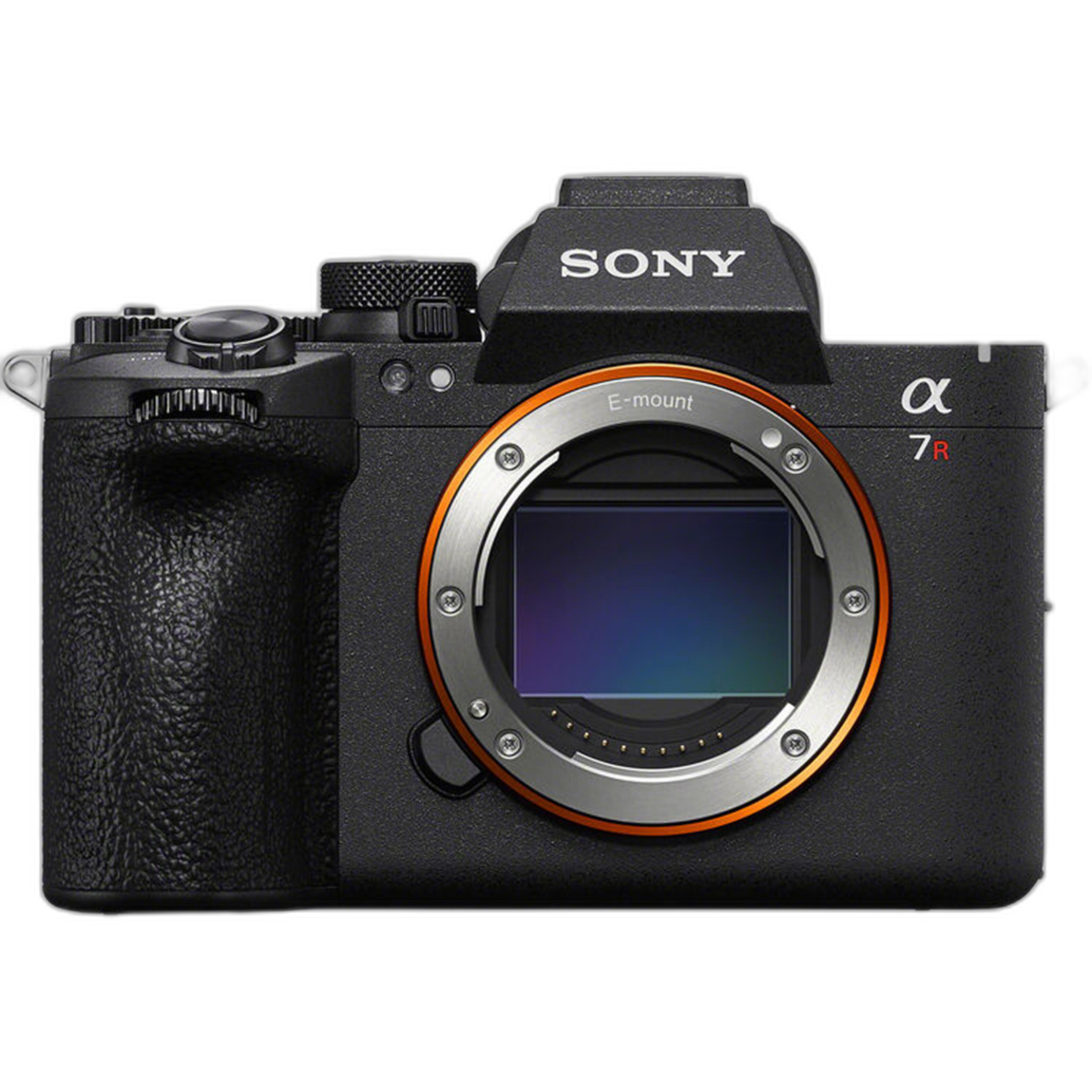
Sony remains one of the most recognized names for mirrorless autofocus, and creators who want a high-end example of what modern AF can do should look at the Sony a7R VI Mirrorless Camera. While it sits above the typical entry-level budget, it demonstrates how advanced subject recognition and tracking can improve video workflow and confidence on set.
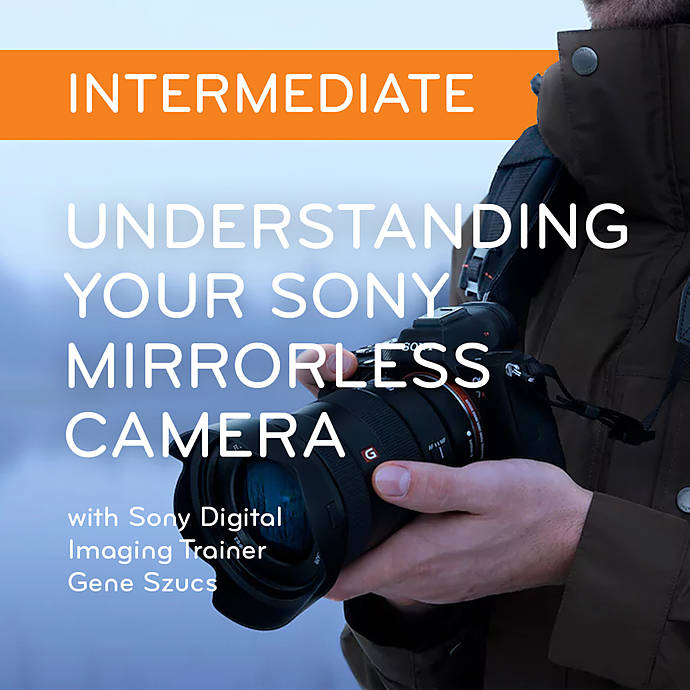
If you are entering the Sony ecosystem and want to build skills quickly, education matters too. Unique Photo's Understanding Your Sony Mirrorless Camera: Intermediate class can help you get more from your autofocus settings, exposure tools, and custom controls, which is especially valuable if you plan to shoot video regularly.
Do I need a full-frame camera to get professional-looking 4K video?
No. Full-frame can offer advantages like shallower depth of field, improved low-light flexibility, and a certain overall aesthetic, but smaller formats can still produce excellent 4K footage. Lighting, lens choice, composition, color grading, and audio quality usually have a greater impact on the final result than sensor size alone.
The OM SYSTEM OM-5 is a great example of a smaller, more travel-friendly camera that can still fit serious content creation needs. For creators who shoot outdoors, on vacation, on gimbals, or in tight spaces, a compact system can be more practical than a heavier full-frame kit.
On the other hand, if you want the look and flexibility of full-frame, the Used Panasonic LUMIX S9 or a higher-end option like the Sony a7R VI can appeal to filmmakers who prioritize sensor size and system expandability. The key is matching the camera to your workflow rather than assuming full-frame is automatically necessary.
How much does the lens matter for video quality?
The lens matters a lot. A strong lens can improve sharpness, contrast, color rendering, and the overall cinematic feel of your footage. For video, focal length is also critical because it affects how immersive or flattering your shot looks, especially for handheld work, vlogging, architecture, landscapes, and interviews.
For Sony full-frame shooters, the Zeiss Batis 18mm f/2.8 AF lens for Sony E-Mount is an excellent wide-angle option. A lens like this is especially useful for establishing shots, interiors, environmental portraits, travel video, and handheld filming where you want a broad field of view without stepping too far back from your subject.
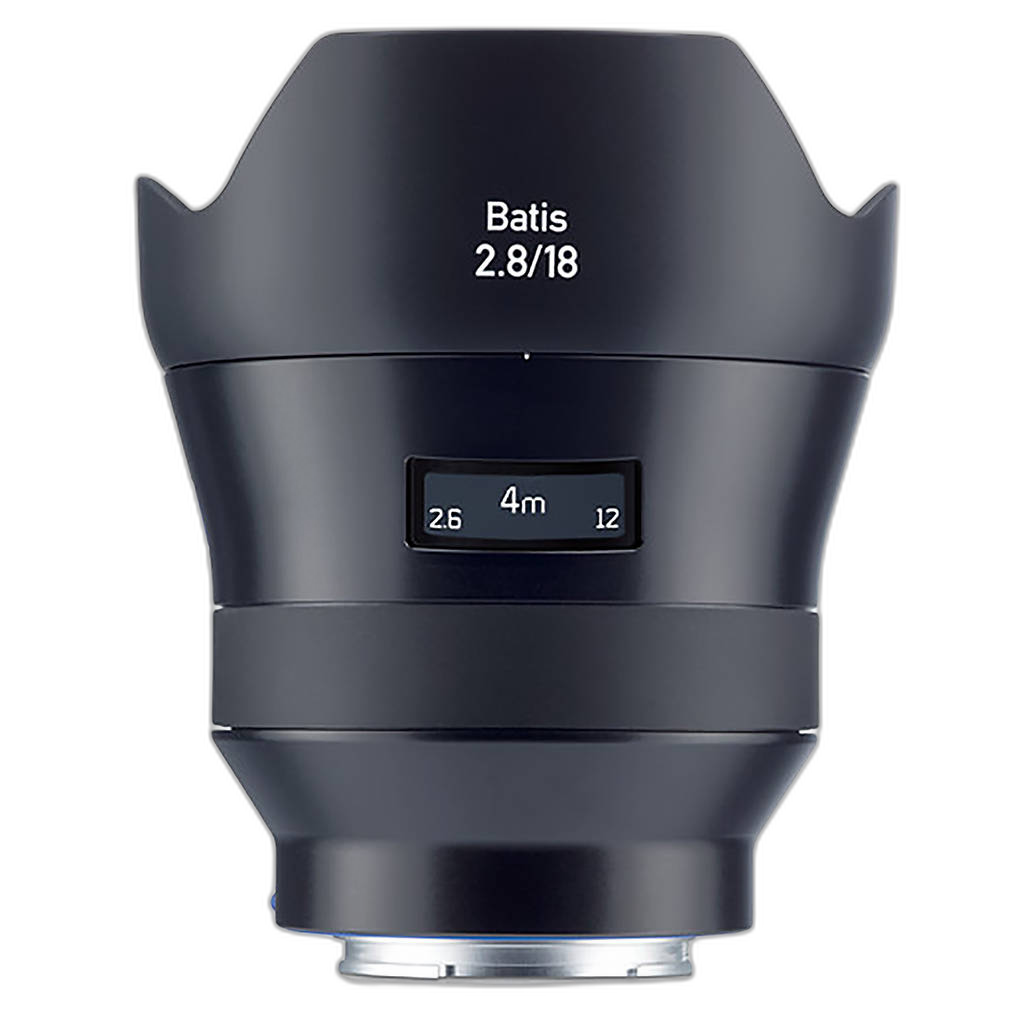
A quality wide-angle lens can also make autofocus feel more forgiving in practical use, since wider focal lengths typically make it easier to keep moving subjects acceptably sharp. For creators building a Sony video kit, investing in a good lens is often smarter than spending everything on the body alone.
Should I buy a new camera or consider used gear for 4K filmmaking?
Used gear can be one of the smartest ways to start or upgrade a video kit. Buying used can open the door to better sensor performance, stronger codecs, or a more advanced camera system while staying inside a realistic budget. The tradeoff is that you should buy from a trusted retailer that carefully evaluates condition and product accuracy.
At Unique Photo, used inventory can be especially appealing for creators comparing value across brands. The Used Panasonic LUMIX S9 Mirrorless Camera gives budget-conscious filmmakers a way to explore a current mirrorless platform, while the Used Nikon Zf Mirrorless Camera with 40mm f/2 SE Lens may appeal to hybrid shooters who want a stylish camera that can handle both stills and video.
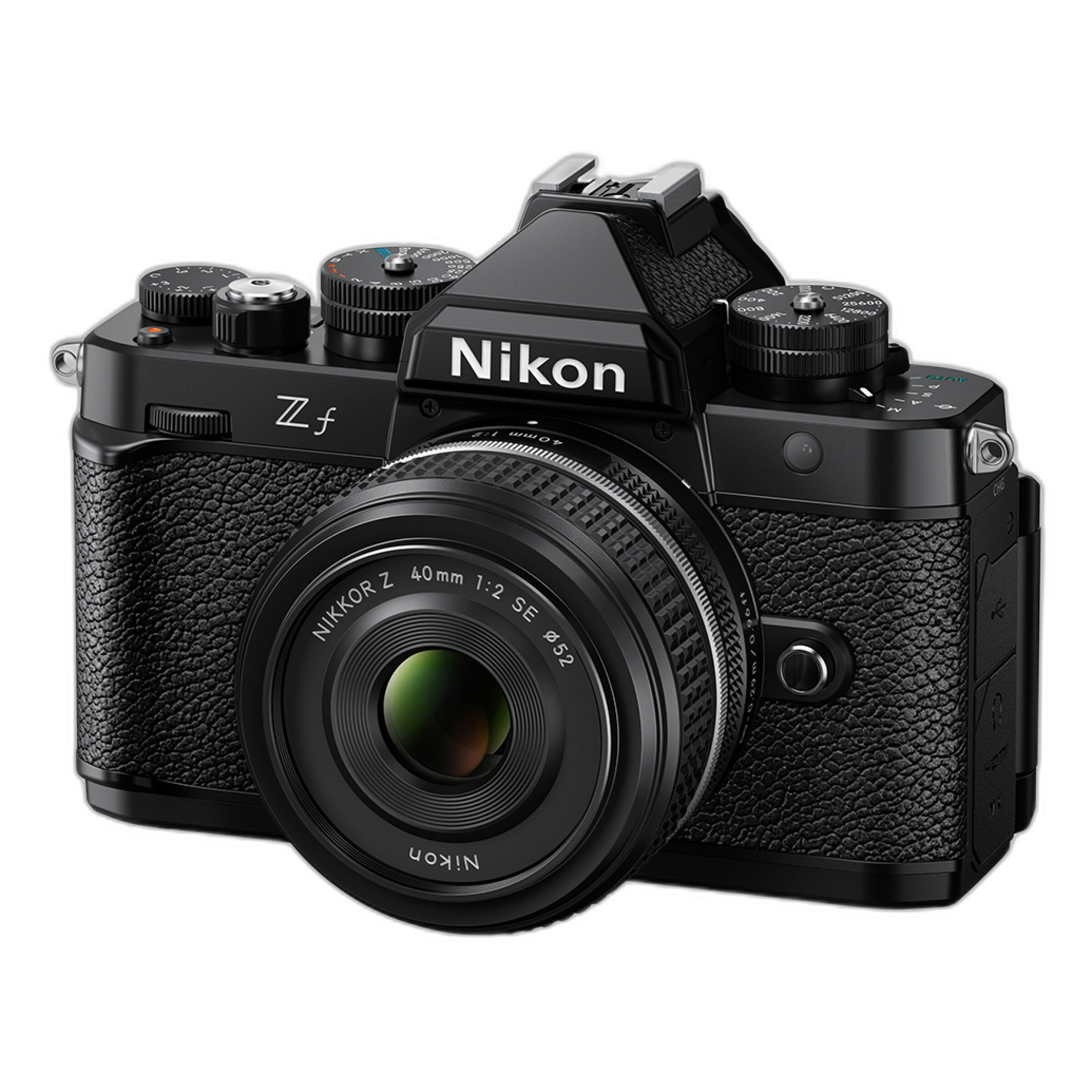
For many buyers, going used means having enough budget left over for the accessories that really improve production quality, such as an extra lens, memory cards, a bag, or educational support.
What kind of camera is best for travel video and handheld shooting?
For travel and handheld work, lighter is usually better. A compact camera body is easier to stabilize, simpler to pack, and less intimidating when filming in public spaces. Many creators also find that smaller gear encourages them to shoot more often, which leads to faster skill development.
The OM SYSTEM OM-5 stands out here because of its compact design, making it an appealing choice for creators who hike, commute, or want a camera that fits into a small everyday kit. If you want to keep your setup organized and protected, the Think Tank V2 Mirrorless Mover 10 Cool Grey is a practical bag option for carrying a compact mirrorless body and a small lens setup.
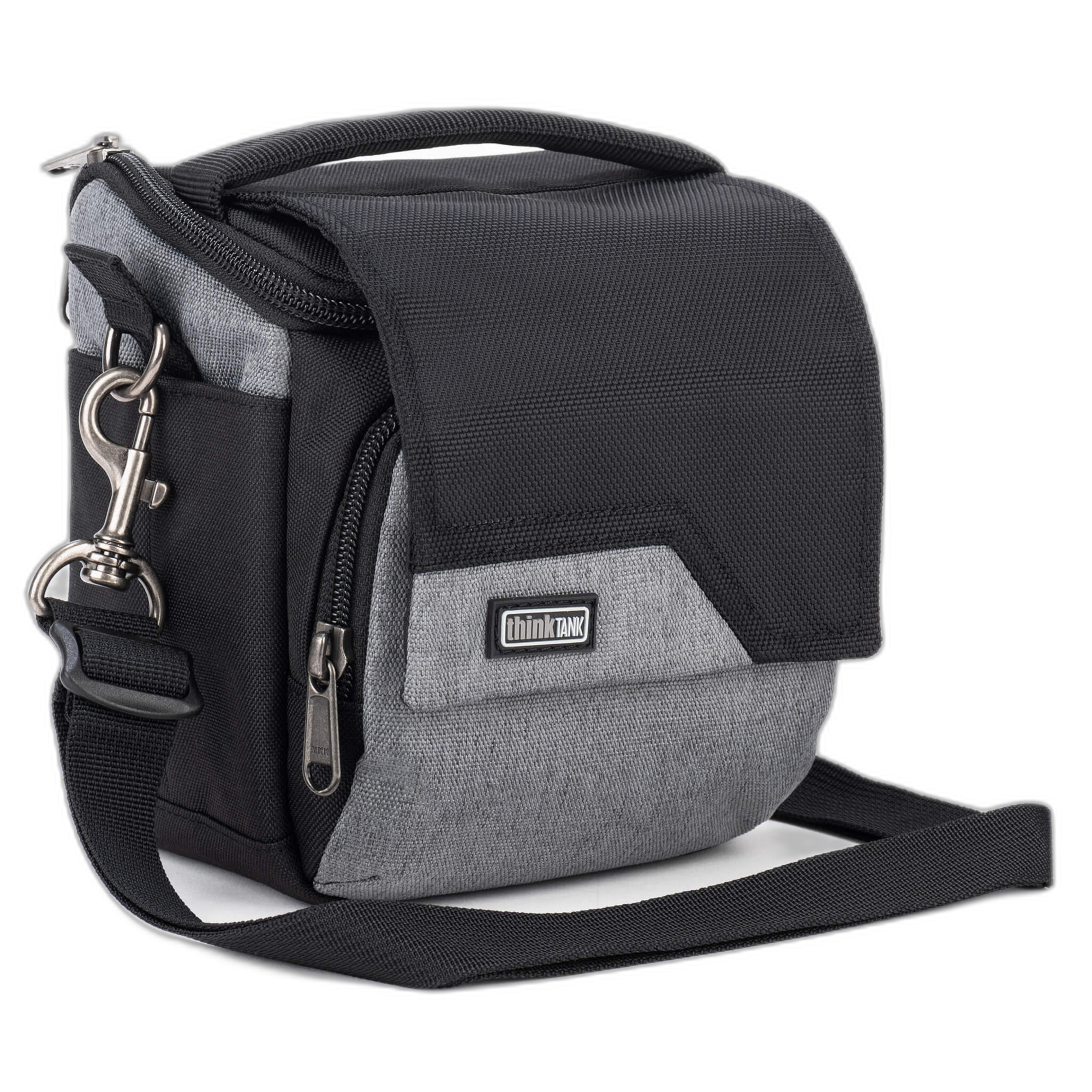
A lightweight bag and camera combination can make a meaningful difference for day trips, city shoots, behind-the-scenes content, and vacation filmmaking. Convenience is not a minor feature; it often determines whether your camera comes with you at all.
How important is stabilization when comparing 4K mirrorless cameras?
Stabilization can be extremely important, especially if you are shooting handheld, walking with the camera, or working without a gimbal. Good in-body stabilization can smooth out minor shake and make handheld footage more comfortable to watch. It will not replace deliberate camera movement technique, but it can improve results immediately for beginners.
This is another reason compact systems remain attractive for new filmmakers. A smaller body like the OM SYSTEM OM-5 can be easier to manage for handheld clips, travel sequences, and spontaneous shooting. Wider lenses also help here, because they naturally reduce the appearance of shake compared with tighter focal lengths.
If you are building a Sony system for wide handheld shots, pairing a capable body with the Zeiss Batis 18mm f/2.8 can create a versatile setup for interiors, city scenes, and vlog-style coverage where both field of view and portability matter.
What is the smartest way to build a beginner video kit without overspending?
The best approach is to think in terms of a complete kit rather than just the camera body. Start with a camera that records solid 4K and offers dependable autofocus. Then budget for at least one lens that matches your shooting style, a carrying solution, and enough learning support to shorten the trial-and-error phase.
For example, a compact setup could center on the OM SYSTEM OM-5 plus a small bag like the Think Tank V2 Mirrorless Mover 10. A Sony-oriented creator might choose a Sony mirrorless body and add the Zeiss Batis 18mm f/2.8 for wide video work. A shopper looking for value might prioritize a used option such as the Panasonic LUMIX S9 or Nikon Zf so more of the budget can go toward accessories and creative tools.
And if you are learning the Sony system, structured instruction can be just as valuable as hardware. Unique Photo's Understanding Your Sony Mirrorless Camera: Intermediate class is a practical add-on for creators who want to improve setup confidence and get more consistent results from their gear.
Which mirrorless camera is the best value for beginner and intermediate filmmakers?
The best value depends on how you shoot. If you want a highly portable body for travel, walk-and-talk video, and everyday content creation, the OM SYSTEM OM-5 is a strong contender. If you want full-frame value and are comfortable exploring the used market, the Used Panasonic LUMIX S9 is worth a serious look. If your priority is advanced autofocus and a premium Sony ecosystem, the Sony a7R VI shows what a high-performance mirrorless platform can offer as your needs grow.
Value is not only about the lowest price. It is about buying the camera and lens combination that helps you create confidently, learn faster, and keep shooting consistently. For most filmmakers, the right camera is the one that balances image quality, autofocus, handling, and system growth without forcing compromises that get in the way of actual production.
If you are ready to compare mirrorless cameras for 4K video, shop new and used gear at Unique Photo. Our team can help you find the right body, lens, class, and accessories to build a video kit that fits your budget and your creative goals.