Choosing between a prime lens and a zoom lens is one of the most common questions photographers ask when building an everyday kit. If you shoot family moments, street scenes, travel, food, portraits, or day-to-day life, the right lens can make photography easier and more enjoyable. At Unique Photo, we help photographers compare lens options every day, and the truth is simple: the best choice depends on how you shoot.
Prime lenses offer simplicity, speed, and often stronger low-light performance. Zoom lenses deliver flexibility, convenience, and fewer lens changes. For everyday photography, both can be excellent. The better option comes down to your priorities: image quality, portability, subject variety, budget, and shooting style.
What Is the Difference Between a Prime Lens and a Zoom Lens?
A prime lens has a fixed focal length, such as 20mm, 35mm, 50mm, or 75mm. That means you cannot zoom in or out with the lens itself. If you want a tighter or wider framing, you move your feet.
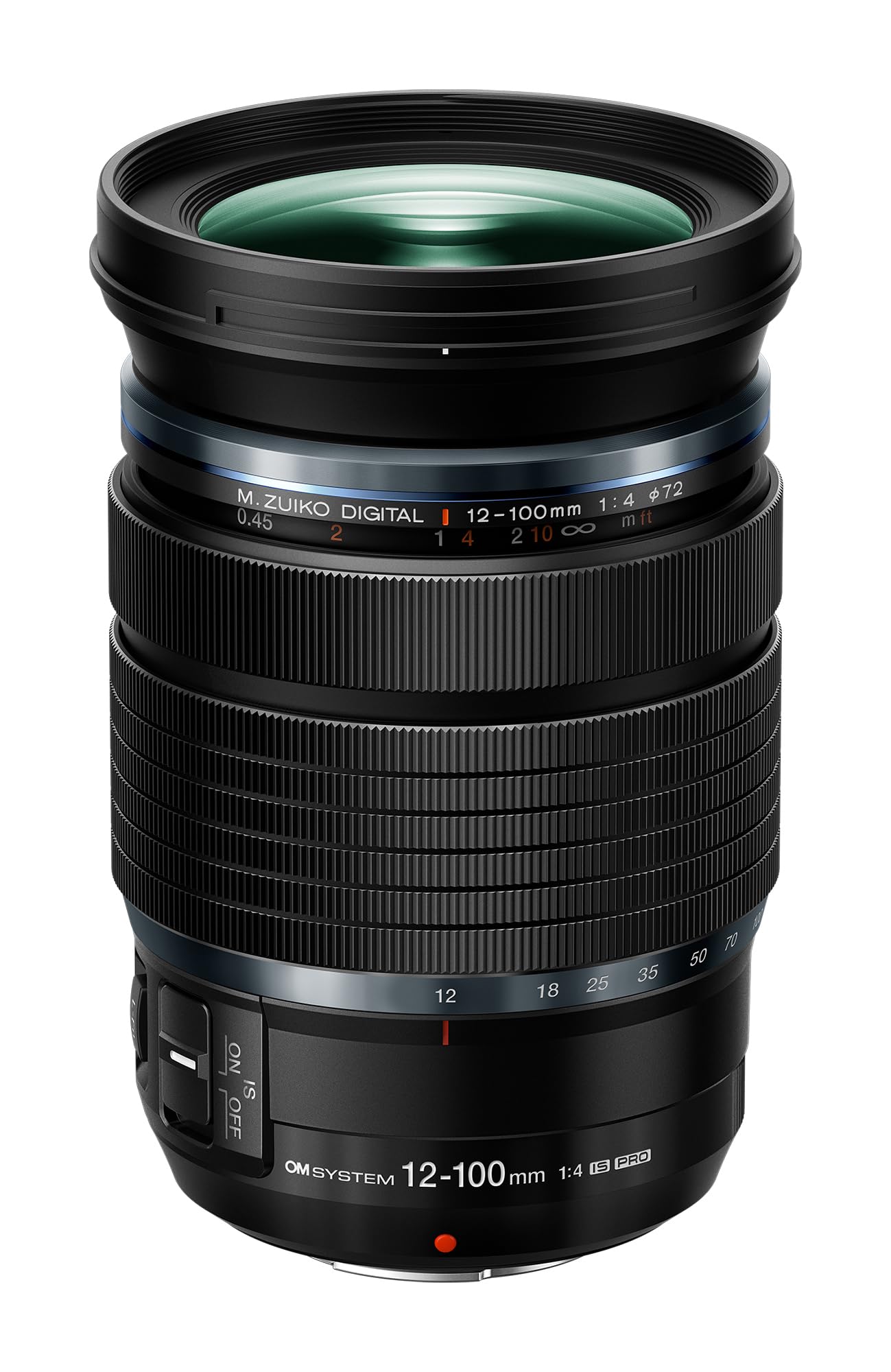
A zoom lens covers a range of focal lengths, such as 14-42mm, 16-50mm, 28-105mm, or 12-100mm. This allows you to reframe quickly without changing lenses or changing your position as much.
For everyday photography, this difference affects how you work in real-world situations. A prime lens can encourage more thoughtful composition and often gives you a brighter maximum aperture. A zoom lens can adapt instantly when your subject distance changes, which is helpful for travel, family events, and general walkaround shooting.
Are Prime Lenses Better for Everyday Photography?
Prime lenses are often praised for their sharpness, compact design, and wide apertures. If your goal is to keep your camera setup light while getting beautiful subject separation and stronger low-light performance, a prime may be the better everyday lens for you.
Many photographers love primes because they simplify decision-making. Instead of constantly adjusting focal length, you learn to see the world through one angle of view. Over time, that can improve consistency and composition.
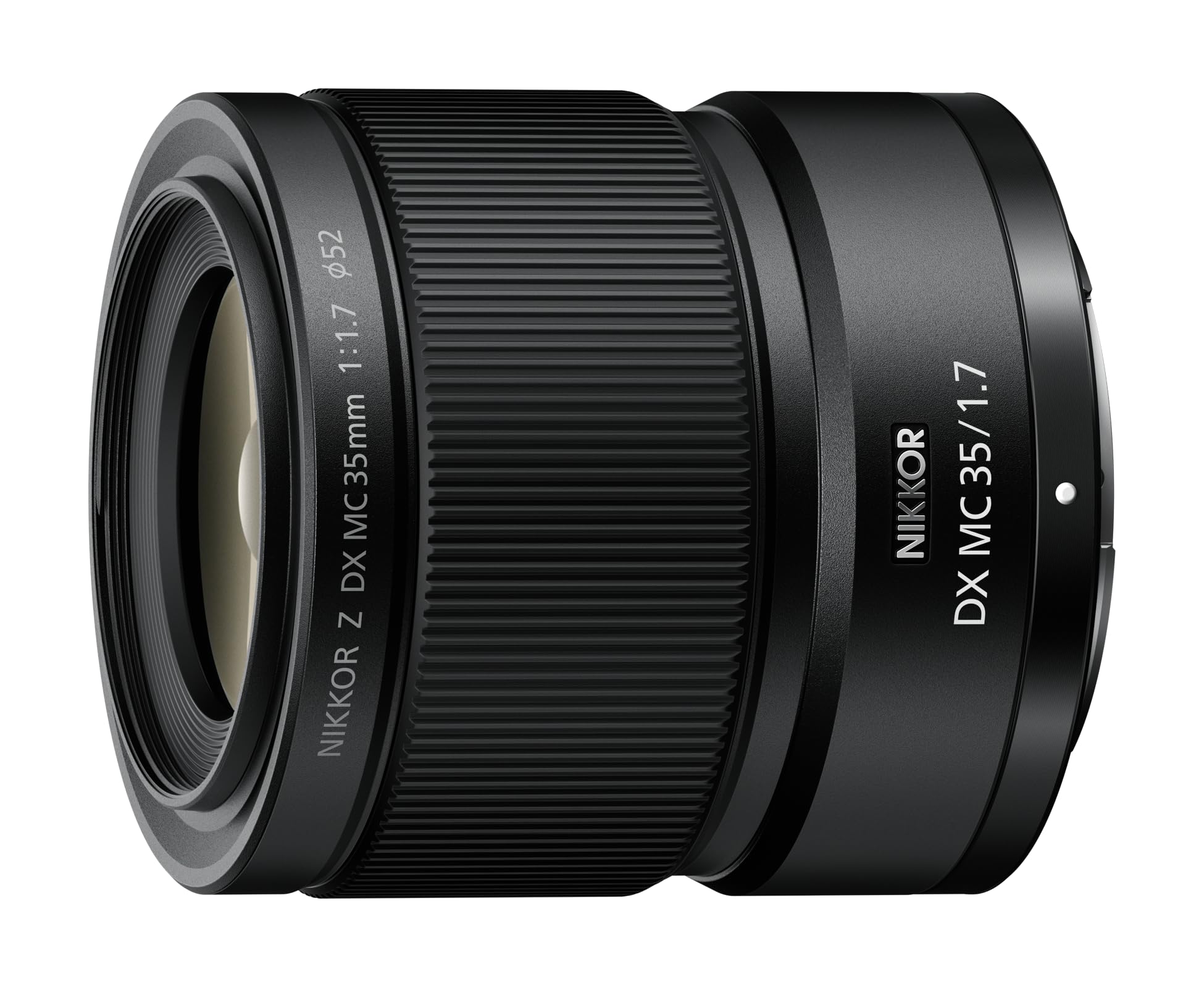
For example, the OM SYSTEM M.Zuiko Digital ED 20mm f/1.4 PRO Lens is the kind of fast prime that makes sense for everyday use. A focal length in this range is versatile for street photography, travel, environmental portraits, and casual daily moments. Likewise, the Nikon NIKKOR Z DX MC 35mm f/1.7 Lens is a strong example of a practical everyday prime, especially for photographers who want a natural perspective and a bright aperture for lower-light scenes.
Advantages of prime lenses for daily shooting:
- Wider apertures for low-light photography
- More background blur for portraits and detail shots
- Often lighter and smaller than zooms
- Can encourage stronger composition habits
- Often excellent optical performance
Potential drawbacks of prime lenses:
- Less flexibility when subjects move closer or farther away
- You may need to switch lenses more often
- One focal length may feel limiting in travel or family settings
Are Zoom Lenses Better for Everyday Photography?
For many photographers, yes. A zoom lens is often the most practical choice for everyday photography because it can handle a wide variety of scenes without forcing you to carry multiple lenses. If you move between landscapes, portraits, close details, and casual snapshots in the same outing, a zoom can be incredibly efficient.
This is why zooms are popular with travel photographers, parents, event shooters, and anyone who wants one lens to do as much as possible. At Unique Photo, zoom lenses are frequently recommended to photographers who want convenience and versatility first.
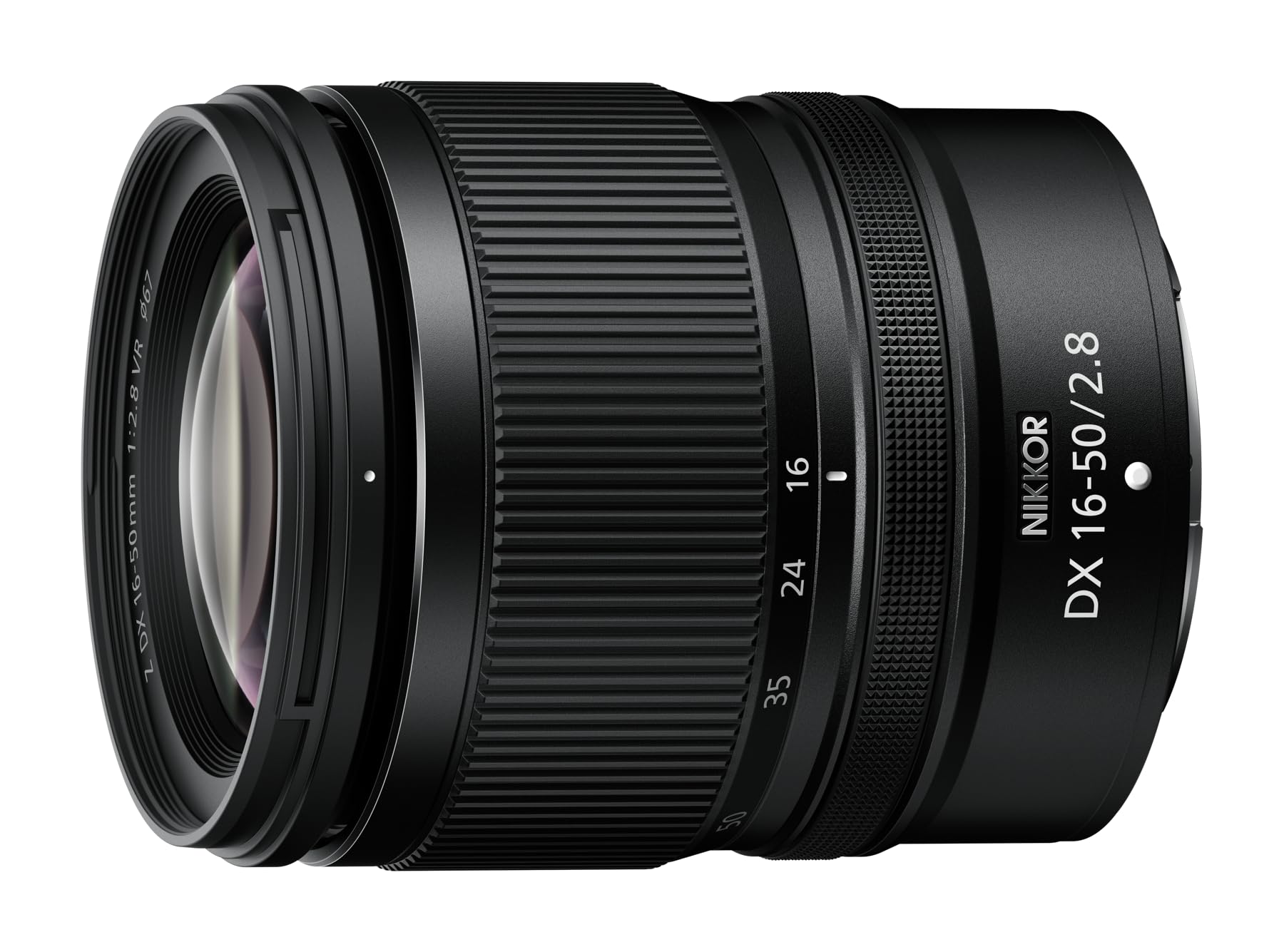
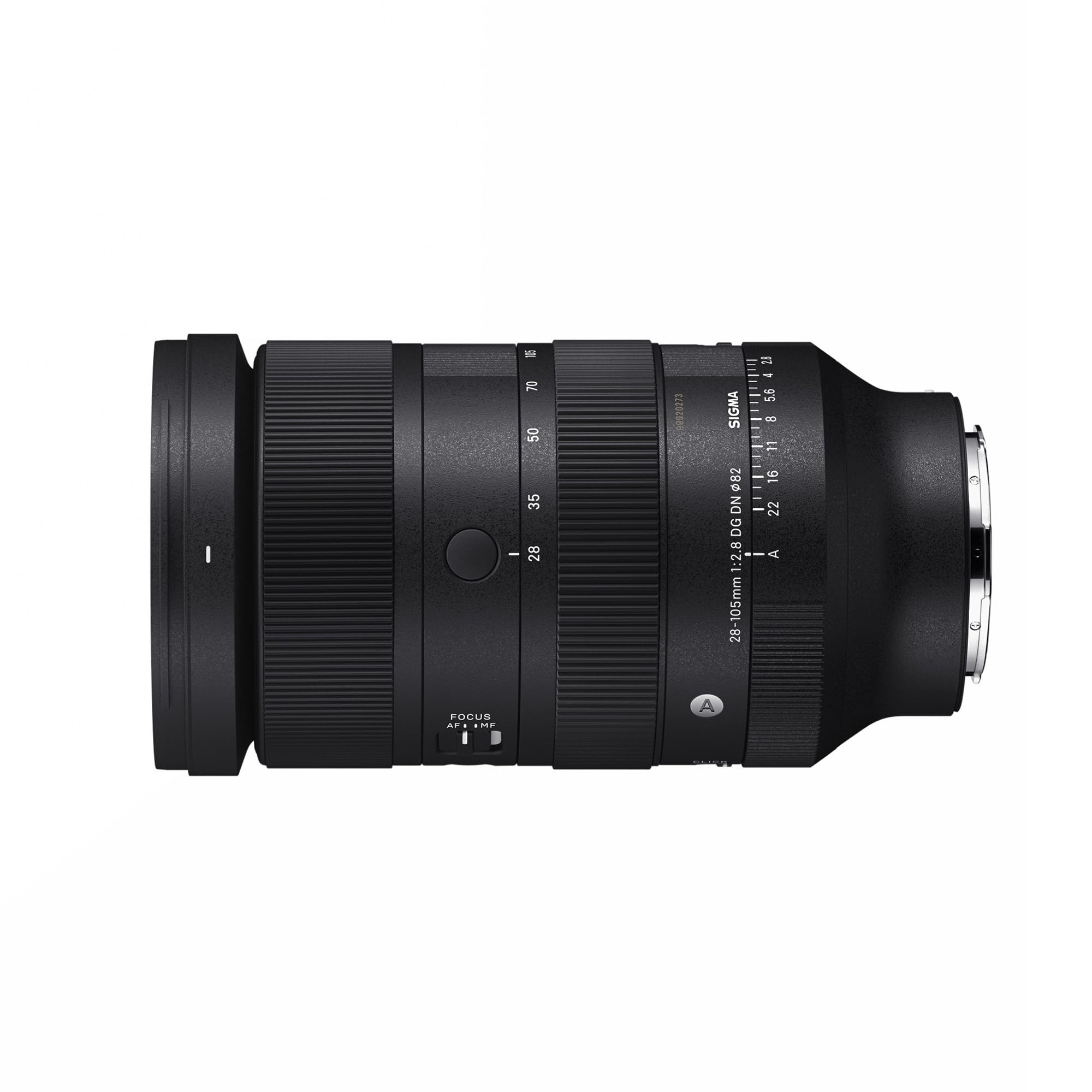
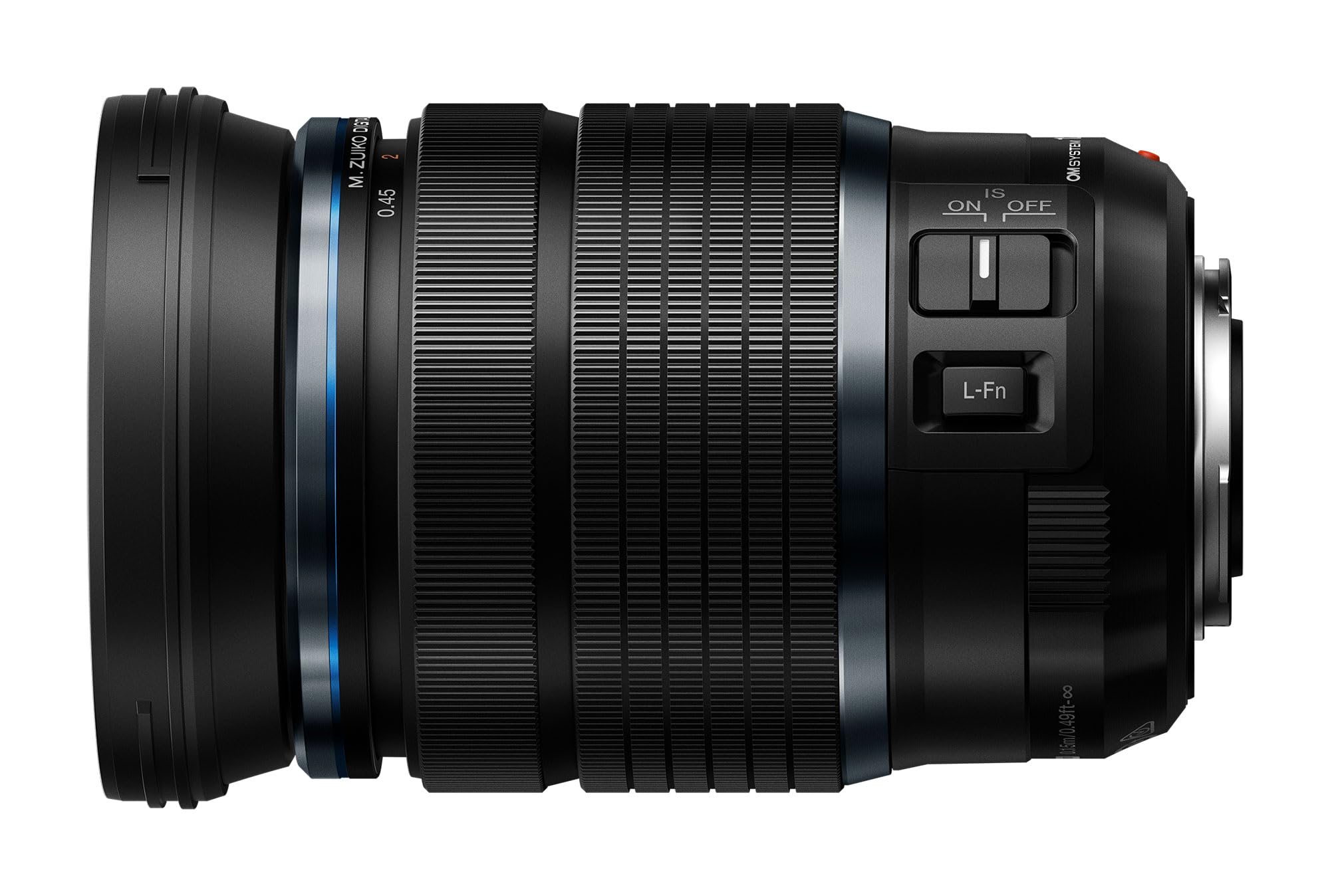
The OM SYSTEM M.Zuiko Digital ED 12-100mm f/4 IS PRO Lens is a great example of a zoom lens that can cover an enormous range of everyday subjects, from wide scenes to tighter portrait framing. The Nikon NIKKOR Z DX 16-50mm f/2.8 VR is another strong walkaround choice for photographers who want a flexible standard zoom. For full-frame L-Mount users, the Sigma 28-105mm F2.8 DG DN Art offers a versatile focal range with a bright aperture that narrows the traditional gap between zoom and prime performance.
Advantages of zoom lenses for daily shooting:
- One lens can handle many situations
- Fewer lens changes while traveling or walking around
- Faster reframing when moments happen quickly
- Excellent for family, vacation, and all-purpose photography
Potential drawbacks of zoom lenses:
- Some zooms are larger and heavier than primes
- Many zooms have smaller maximum apertures than primes
- You may get less background blur compared to a fast prime
Prime vs Zoom Lens for Travel Photography
If you travel often, your lens choice should balance image quality, flexibility, and packing convenience. A zoom lens is usually the easiest recommendation for travel because it can handle architecture, street scenes, portraits, and detail shots without repeated lens swaps.
A compact standard zoom like the OM SYSTEM M.Zuiko Digital ED 14-42mm f/3.5-5.6 EZ Lens can be ideal for lightweight travel kits. If you want broader range in one lens, the OM SYSTEM M.Zuiko Digital ED 12-100mm f/4 IS PRO Lens stands out as a do-it-all option. On the other hand, some travel photographers prefer a small prime because it keeps the kit simple and discreet. A fast everyday prime can be especially appealing for low-light restaurants, night streets, and indoor scenes.
If your trips involve a mix of sightseeing and spontaneous moments, a zoom usually wins on convenience. If you care more about compactness, speed, and a consistent creative look, a prime can be more enjoyable.
Prime vs Zoom Lens for Street Photography and Daily Carry
Street photography and everyday carry setups often favor smaller lenses. This is where prime lenses shine. A small, bright prime can make your camera feel more responsive and less intimidating. Many photographers also find that a fixed focal length helps them react faster because they already know how the frame will look before raising the camera.
The Nikon NIKKOR Z DX MC 35mm f/1.7 Lens is a good example of a lens that fits this role well. A focal length in this category is versatile enough for candids, environmental portraits, storefronts, and urban details.
That said, zooms still have a place in street and everyday carry if they are compact enough. A lens like the Nikon NIKKOR Z DX 16-50mm f/2.8 VR gives you room to shoot wider scenes and tighter compositions without changing position as much, which can be useful in busy environments.
Which Lens Is Better in Low Light: Prime or Zoom?
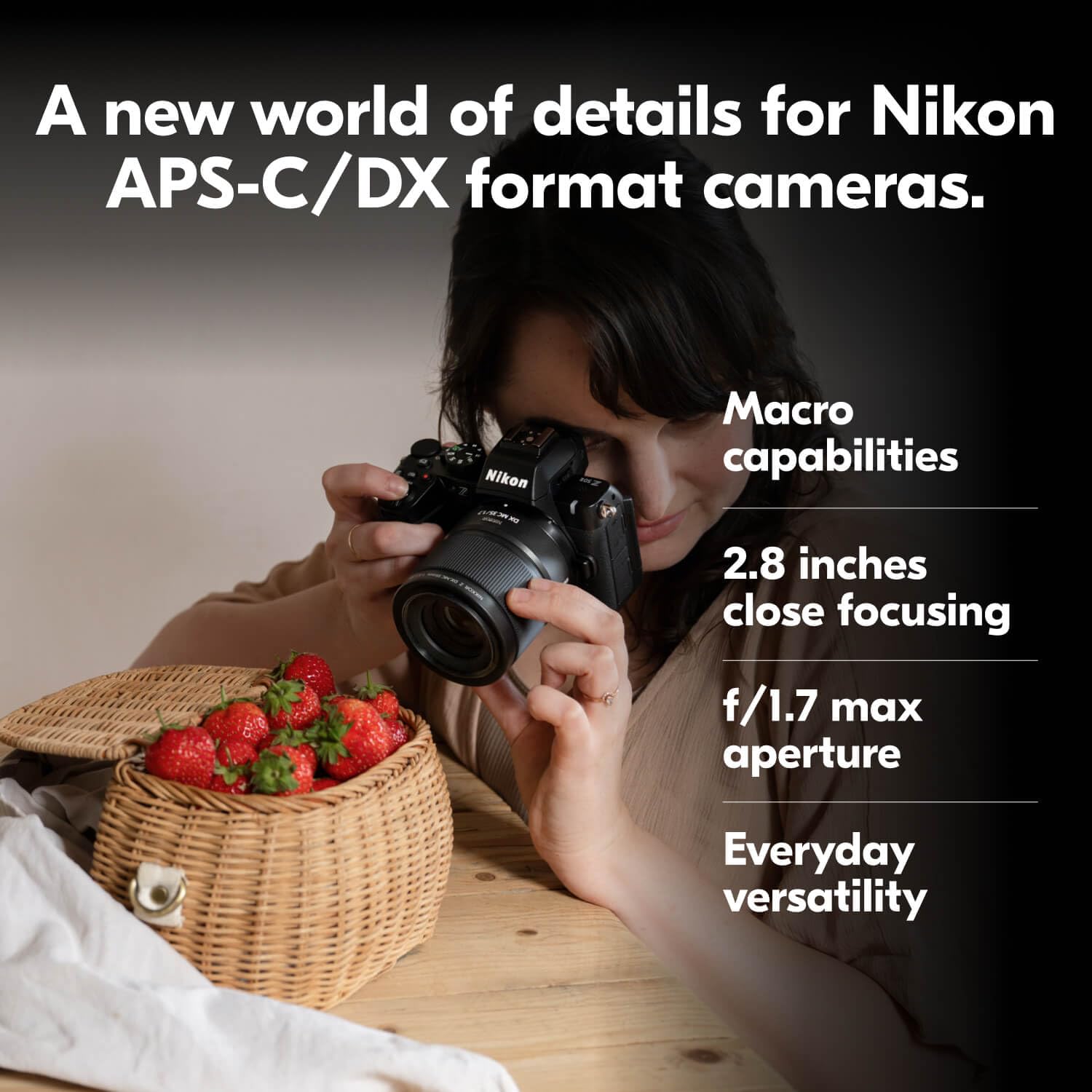
In general, prime lenses are better in low light because they often have wider maximum apertures. A lens such as f/1.4, f/1.8, or f/1.7 lets in more light than many variable-aperture zooms and even more than many constant f/4 zooms. That can help you use faster shutter speeds or lower ISO settings indoors or after sunset.
For everyday photography, this matters when shooting children indoors, dinners, museums, concerts, cafés, or nighttime street scenes. A fast prime can also create more pronounced background blur, which helps subjects stand out.
However, not all zooms are slow. The Sigma 28-105mm F2.8 DG DN Art is a great example of a zoom lens with a bright aperture, making it attractive to photographers who want zoom flexibility without giving up too much low-light capability.
Is Image Quality Better on a Prime Lens?
Prime lenses have long had a reputation for superior image quality, and in many cases that is still true. Because primes are designed around one focal length, they can often deliver impressive sharpness, contrast, and control over distortion and aberrations. For photographers who value crisp detail and clean rendering, primes remain highly appealing.
That said, modern zoom lenses have improved dramatically. Many current zooms offer excellent sharpness across much of their range, and for most everyday uses, the difference may be smaller than expected. In real-world photography, convenience can matter just as much as minor optical differences.
If you print large, crop heavily, or care deeply about maximum subject isolation, a prime may still have the edge. If your priority is capturing more moments with fewer interruptions, a zoom may actually lead to better results overall because you are more likely to get the shot.
Best Lens for Beginners: Prime or Zoom?
For beginners, a zoom lens is often the easiest starting point because it teaches focal length preferences quickly. With one lens, you can experiment with wide, normal, and short telephoto perspectives. This helps you discover whether you naturally prefer landscapes, portraits, street scenes, or close framing.
The OM SYSTEM M.Zuiko Digital ED 14-42mm f/3.5-5.6 EZ Lens and Nikon NIKKOR Z DX 16-50mm f/2.8 VR are examples of beginner-friendly zoom concepts for everyday use. They are practical, versatile, and well suited for learning.
A prime lens can also be excellent for beginners, especially if the goal is to understand composition and depth of field more quickly. A lens like the OM SYSTEM M.Zuiko Digital ED 20mm f/1.4 PRO Lens or the Nikon NIKKOR Z DX MC 35mm f/1.7 Lens can help a new photographer see how aperture affects subject separation and low-light shooting.
If you are unsure, start with a zoom. If you already know you love a certain field of view and want stronger low-light performance, choose a prime.
When Should You Choose a Prime Lens Over a Zoom Lens?
A prime lens is usually the better everyday choice if:
- You frequently shoot indoors or at night
- You want more background blur
- You prefer a smaller, simpler setup
- You like a consistent visual style
- You enjoy moving around to compose more intentionally
For example, portrait-oriented photographers may appreciate a lens like the OM SYSTEM M.Zuiko Digital ED 75mm f/1.8 Lens for its classic telephoto look and subject isolation, while general-purpose shooters may find a wider prime more practical for all-day use.
When Should You Choose a Zoom Lens Over a Prime Lens?
A zoom lens is usually the better everyday choice if:
- You want one lens for many situations
- You shoot travel, family, and events
- You do not want to change lenses often
- You need to react quickly to changing scenes
- You value convenience more than maximum aperture
Lenses like the OM SYSTEM M.Zuiko Digital ED 12-100mm f/4 IS PRO Lens and the Sigma 28-105mm F2.8 DG DN Art are especially appealing if you want broad capability from a single lens.
Prime or Zoom Lens: Which Is Better for Everyday Photography?
If you want the shortest answer, here it is:
- Choose a prime lens if you care most about low-light performance, background blur, compact size, and a more deliberate shooting experience.
- Choose a zoom lens if you care most about flexibility, convenience, and covering many situations with one lens.
For most photographers, a zoom lens is the more practical everyday tool. For many enthusiasts, a prime lens is the more inspiring everyday tool. Neither is universally better. The right lens is the one that matches how you actually shoot.
At Unique Photo, many photographers eventually build around both: a flexible zoom for daytime walkaround use and travel, plus a fast prime for portraits, night scenes, and creative shallow-depth-of-field images. That combination offers the best of both worlds.
Final Thoughts on Choosing the Right Everyday Lens
When deciding between a prime and zoom lens, think about your habits, not just specifications. Do you mostly photograph family gatherings, vacations, and spontaneous moments? A zoom may be your best everyday lens. Do you love low-light scenes, clean subject separation, and a lighter kit? A prime may be a better match.
Unique Photo offers a wide range of everyday photography lenses for mirrorless systems, from compact primes to versatile zooms. If you are still narrowing down your options, consider comparing standard zoom lenses, fast prime lenses, and walkaround travel lenses based on your camera system and favorite subjects.
For next steps, Unique Photo could internally link readers to related pages such as mirrorless lenses, OM System lenses, Nikon Z lenses, travel photography lenses, and beginner camera gear guides to help shoppers continue their research.