Yes—there absolutely are trusted under-the-radar photography contests worth entering, but they are usually not the loudest ones on social media or the biggest names with the largest entry fees. The best lesser-known contests tend to offer something more useful than hype: thoughtful judging, category relevance, honest exposure within the photographic community, and a realistic chance of being seen. In that sense, evaluating photography contests feels a lot like evaluating camera gear. You are looking for reliability, transparency, and whether the tool—or in this case, the contest—actually supports your work.
For photographers trying to decide where to invest time and submission fees, the strongest approach is to think like a reviewer. Is the contest well-run? Do the judges have credibility? Are rights terms fair? Does winning help your career, portfolio, or network in a measurable way? In this review-style guide, we take a closer look at what makes an under-the-radar contest trustworthy, which kinds of contests are often worth entering, and how to prepare submissions that hold up under scrutiny.
Just as a strong photo practice benefits from the right tools and inspiration, contest preparation benefits from careful editing, technical consistency, and visual confidence. That is why resources such as books, exposure tools, and reach-extending accessories can all play a role in producing stronger entries.
Why Under-the-Radar Contests Can Be Better Than Big-Name Competitions
The most famous international contests often attract massive submission pools, making the odds of meaningful recognition extremely slim. By contrast, niche contests run by regional arts organizations, respected galleries, publishers, camera clubs with strong juries, nonprofits, and specialty magazines can provide better value. These competitions may not bring instant global fame, but they can offer juried exhibitions, publication, portfolio reviews, grants, or community recognition that actually helps photographers move forward.
A trusted smaller contest often feels more curated and less transactional. You are less likely to disappear into a sea of tens of thousands of entries, and more likely to be judged in a context where your work is understood. Wildlife, documentary, portraiture, street, conceptual, and fine art photography all benefit from contests that are aligned with their specific visual language rather than broad umbrella competitions that treat every image genre the same.
How to Review a Contest Before You Enter
Judge Quality and Relevance
The first sign of a credible contest is a judging panel with real, verifiable experience. Editors, curators, gallerists, museum professionals, working photographers, and respected educators are all good signs. If the judges are vague, anonymous, or only presented as influencers, that is a red flag. A trustworthy contest should tell you who is judging and why their opinion matters.
Rights and Usage Terms
This is where many contests fail the trust test. A reputable contest does not ask for sweeping perpetual rights to use all submitted images without compensation. Reasonable promotional use for the contest itself is standard; a broad rights grab is not. Read the rules carefully. If the terms suggest you lose control of your work simply by entering, skip it.
Fee Structure and Prize Value
Not every paid contest is a bad contest, but the fee should make sense relative to the prizes, exposure, or opportunities offered. A modest entry fee can be fair if the contest provides strong judging, publication, exhibition, or cash awards. If the fees are high and the benefits are vague, it may be more marketing funnel than legitimate opportunity.
Past Winners and Contest Legacy
Look at previous winners. Are the selected images genuinely strong? Do they show consistency in taste and standards? Did winners receive real coverage, exhibitions, or career momentum? A contest with a short but credible history can still be worthwhile, but there should be enough evidence that it delivers what it promises.
The Types of Under-the-Radar Contests Most Worth Entering
Regional Museum, Gallery, and Arts Center Competitions
These are often overlooked because they lack blockbuster branding, yet they can offer some of the best real-world outcomes. Exhibitions, opening receptions, collector visibility, and local press can matter a lot—especially for emerging fine art photographers. If the institution has a strong reputation in its region, the contest is often more valuable than a random global online award badge.
Magazine and Publisher-Led Themed Calls
Specialty publications in documentary, portraiture, black-and-white, travel, or fine art photography frequently host focused contests. These can be excellent because the judging is usually connected to editorial sensibilities. If your work fits the publication, the exposure can be more relevant than a generic top prize elsewhere.
Nonprofit and Advocacy Photography Awards
Contests centered on environment, humanitarian storytelling, conservation, or community issues can be very worthwhile when run by established organizations. They may not always offer the biggest prize money, but they often place images in front of audiences who care deeply about the subject matter.
University- and Residency-Affiliated Opportunities
Some schools, visual arts programs, and residency organizations run annual competitions that remain relatively quiet outside academic or regional circles. These can be excellent if you are building a conceptual or long-form body of work and want to be seen by curators or educators rather than mass-market audiences.
What Makes an Entry Strong Enough to Compete
Winning smaller, credible contests is rarely about chasing trends. It is usually about clarity, editing discipline, and a distinct point of view. One of the easiest ways to strengthen your chances is to submit a coherent set when allowed, or choose an image that is technically polished and emotionally direct when only single-image entry is permitted.
That preparation process often looks a lot like refining your photographic craft overall. Studying sequencing, intent, and visual voice can be just as important as camera settings. A photography book can be especially useful here, not as a contest hack, but as a way to deepen your understanding of how strong bodies of work communicate.
Useful Tools for Building Better Contest Submissions
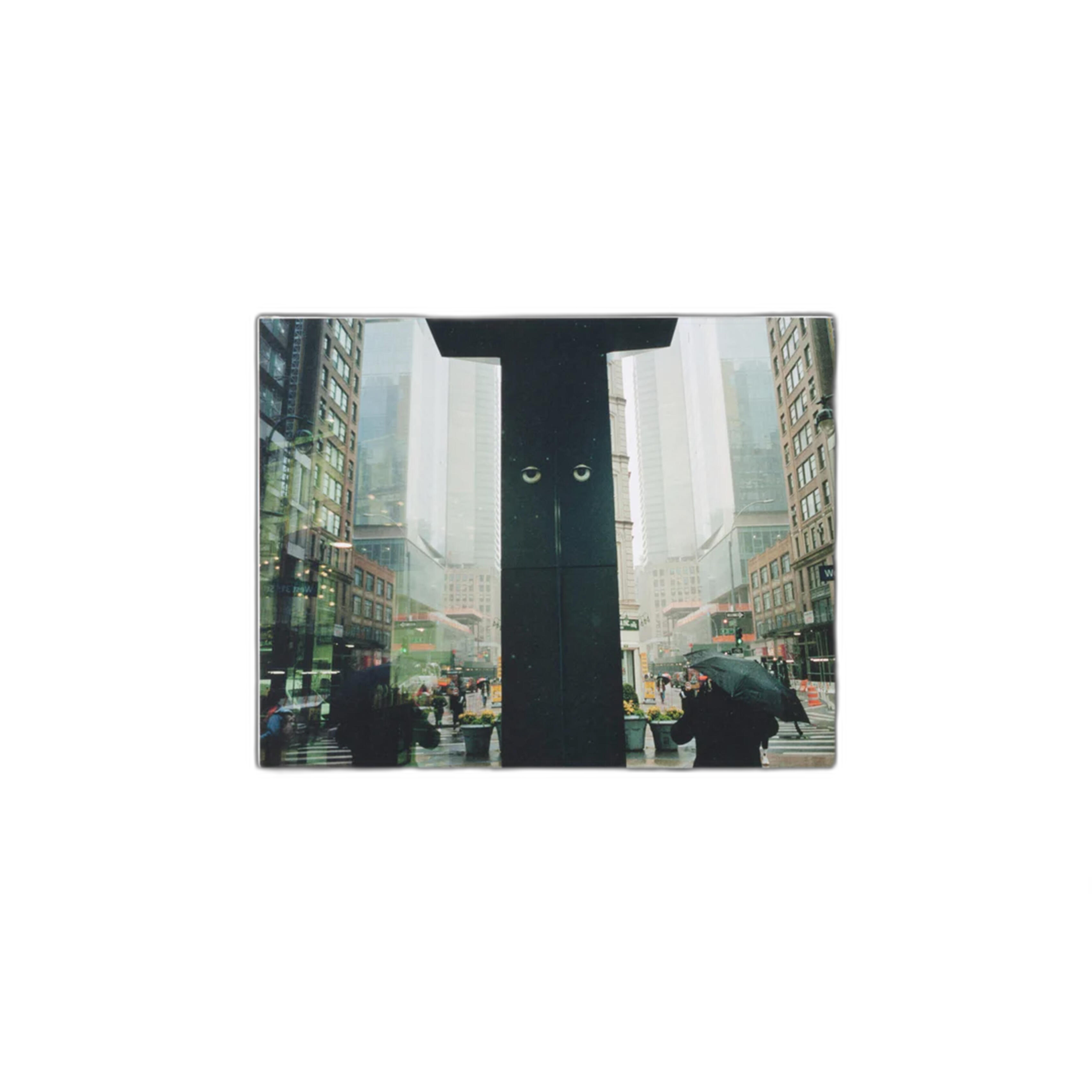
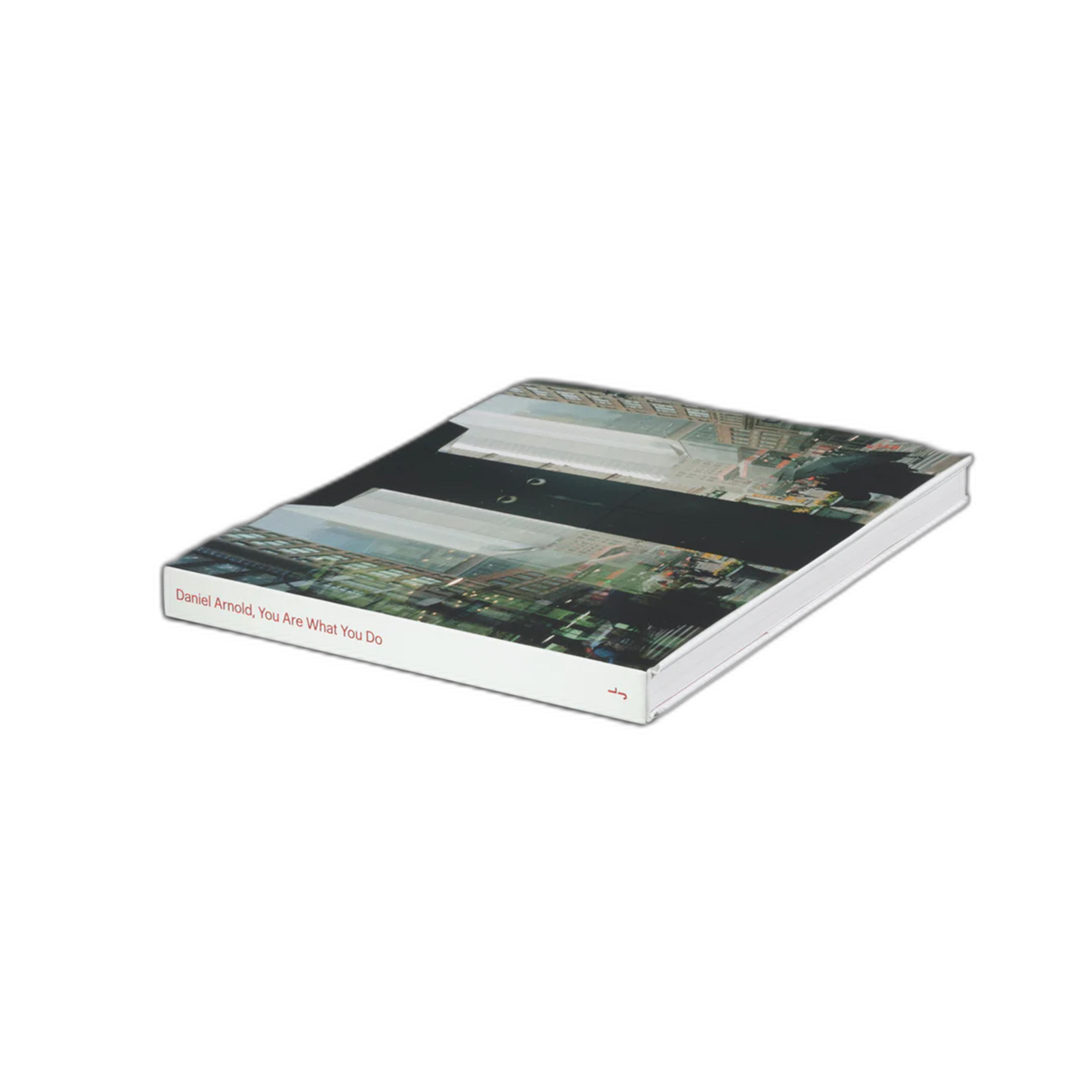
Best for Visual Editing Inspiration: You Are What You Do - Daniel Arnold
While not a contest product in the conventional sense, You Are What You Do - Daniel Arnold is exactly the kind of book that can sharpen a photographer's eye before entering juried competitions. Arnold's work is known for immediacy, instinct, and a highly personal street-driven visual intelligence. For photographers entering documentary, street, lifestyle, or observational contests, a book like this can be a reminder that juries often respond to images with specificity and conviction rather than generic polish alone.
As a preparation resource, this title works best for photographers who need to refine editing taste and remember that strong work usually comes from consistency of seeing. It is not a technical manual—it is a visual reference point. Buy it from Unique Photo if you want a thoughtful addition to your creative toolkit.
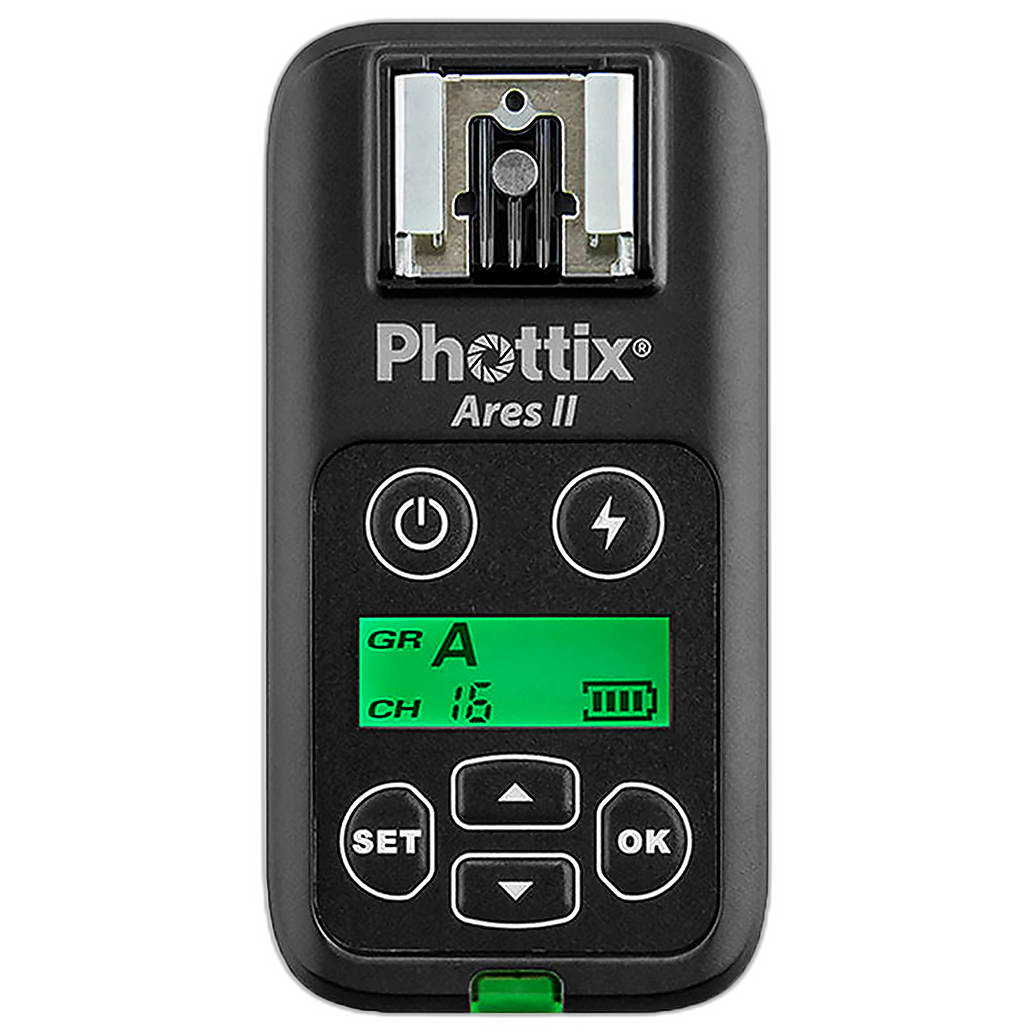
Best for Technical Consistency: Sekonic L-478DR-U-PX Meter with Phottix ARES II Trigger and Receiver
Contest judges may forgive risk, but they rarely reward careless exposure. The Sekonic L-478DR-U-PX Meter with Phottix ARES II Trigger and Receiver is a serious tool for photographers who want dependable, repeatable lighting in portrait, studio, and staged conceptual submissions. If you are entering portrait competitions, editorial-style categories, or fine art calls where clean exposure and lighting control matter, a dedicated meter can absolutely improve consistency.
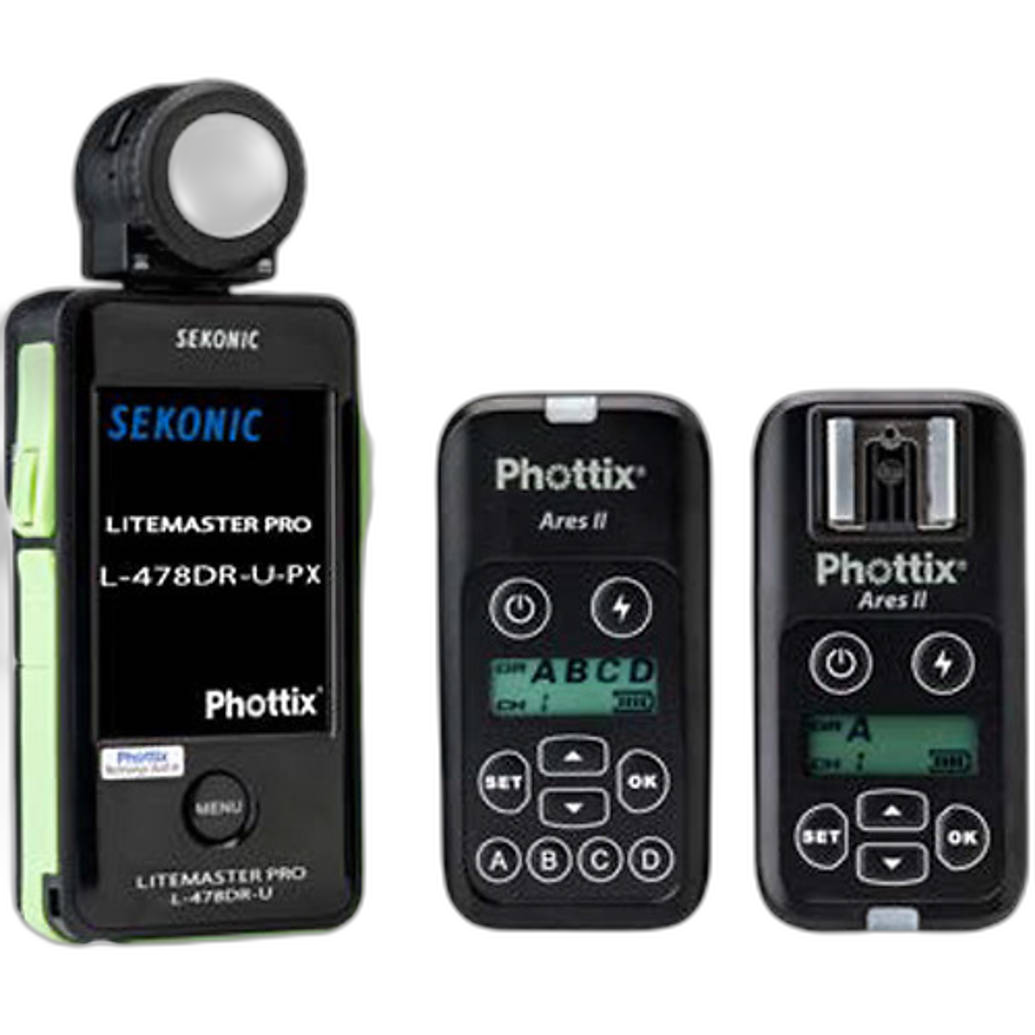
Its value for contest prep is straightforward: when your files need to look intentional, especially across a set, metering helps maintain tonal coherence. That matters more than many photographers realize. Juries reviewing multiple images can quickly spot uneven exposure, inconsistent flash balance, or avoidable technical flaws. Unique Photo is a strong place to buy professional accessories like this.
Best for Wildlife and Sports Contest Reach: Nikon AF-S TC-14E III 1.4x Teleconverter Lens - Black
For wildlife, birding, or outdoor action photographers entering specialist contests, subject access is part of image quality. The Nikon AF-S TC-14E III 1.4x Teleconverter is a practical reach extender for compatible Nikon telephoto setups, giving photographers more framing flexibility without the bulk or cost of moving immediately to a longer prime lens.
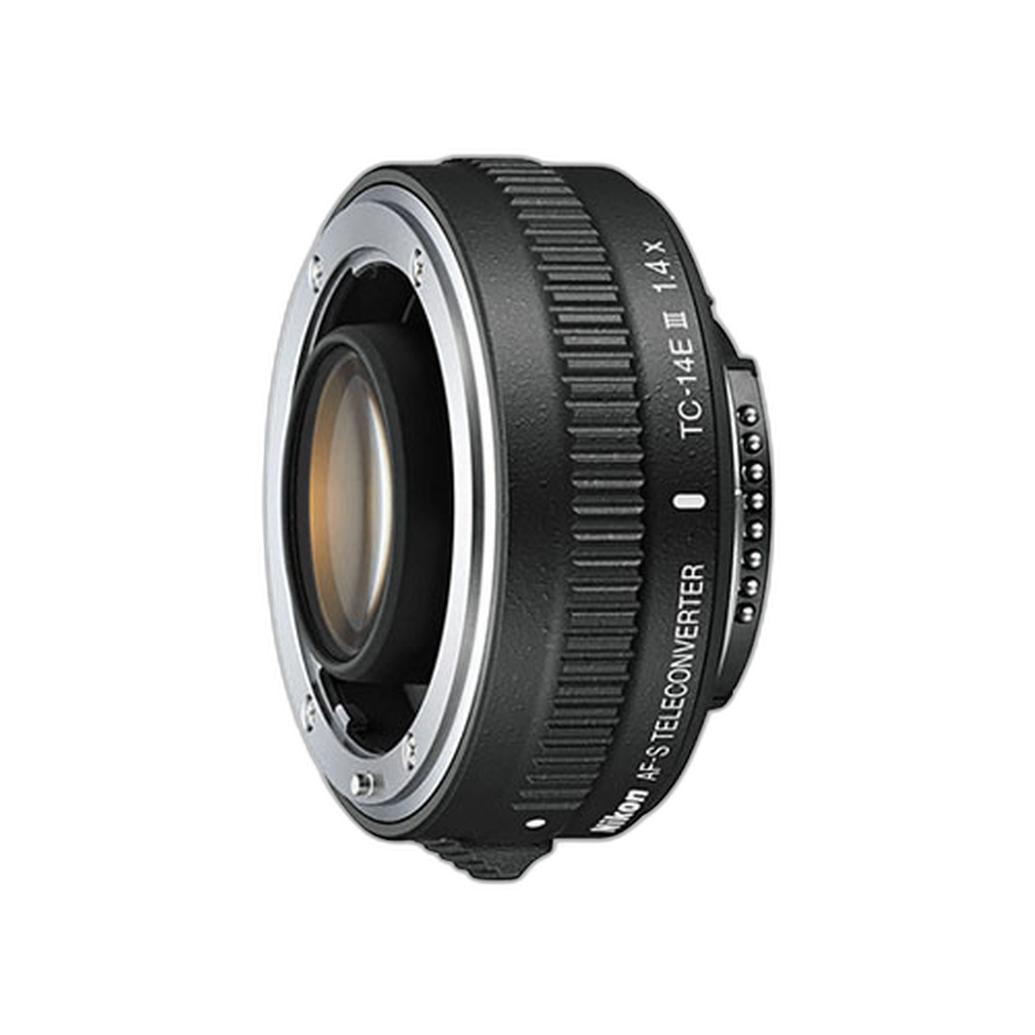
Its relevance to contests is obvious: stronger subject isolation, larger subjects in frame, and more opportunities in wildlife categories. A great animal image is often impossible if you simply cannot get close enough. If your contest strategy includes birds, safari, nature, or field sports imagery, this is one of the more credible accessory upgrades to consider from Unique Photo.
Pros and Cons of Entering Under-the-Radar Photography Contests
Pros
- Often better odds of meaningful recognition than major global competitions
- Can provide targeted exposure to curators, editors, and niche audiences
- Usually more aligned category judging for specialized genres
- May lead to exhibitions, features, grants, or regional credibility
- Can be a smart way to build resume lines without overspending on prestige contests
Cons
- Lower public visibility compared to headline international contests
- Quality varies widely, so careful vetting is essential
- Some smaller contests still have weak prizes or poor rights terms
- Career impact may be incremental rather than immediate
- Entry fees can add up if you submit broadly without a plan
So, Are There Any Trusted Under-the-Radar Photography Contests Worth Entering?
The short review verdict is yes—but only if you approach them selectively. The best under-the-radar contests are the ones with credible judges, fair rights policies, strong previous winners, and benefits that align with your actual goals. If your aim is publication, seek editorially connected contests. If you want exhibition opportunities, look to galleries and arts centers. If your work is issue-driven, nonprofit competitions can be stronger than commercial awards.
Think less about prestige for prestige's sake and more about fit. A modest contest that truly understands your genre may do more for your development and visibility than a giant competition where your work gets lost.
Recommendation
If you are entering under-the-radar photography contests, treat the process like a gear purchase: research carefully, ignore hype, and invest where the value is real. Build stronger submissions with thoughtful editing, technical consistency, and genre-appropriate tools. A book like You Are What You Do - Daniel Arnold can sharpen your visual instincts, the Sekonic L-478DR-U-PX can improve exposure precision, and the Nikon AF-S TC-14E III can help wildlife and action photographers produce more competitive images.
For photographers ready to strengthen both their portfolios and their submission workflow, Unique Photo is a trusted place to buy the books and gear that support better contest-ready work.