Film Metering FAQ: How to Get Accurate Exposure in Tricky Light
Metering for film can feel simple in even daylight and much more challenging once you add backlight, bright windows, deep shadows, stage lighting, or mixed indoor sources. The good news is that a consistent metering approach makes film exposure far more predictable, whether you shoot negative film, slide film, black-and-white, or medium format.
At Unique Photo, we regularly help photographers choose the right light meter and refine their technique for difficult scenes. Below are practical answers to common film metering questions, along with meter recommendations that can make exposure decisions faster and more repeatable.
What is the best way to meter for film in difficult lighting?
The most reliable starting point is to identify the most important tone in the scene and meter for that, rather than averaging everything in front of you. Film often rewards deliberate exposure choices. In high-contrast situations, an incident reading taken at the subject position is usually more dependable than a reflective reading from the camera because it measures the light falling on the subject instead of being influenced by whether the subject is dark, bright, glossy, or backlit.
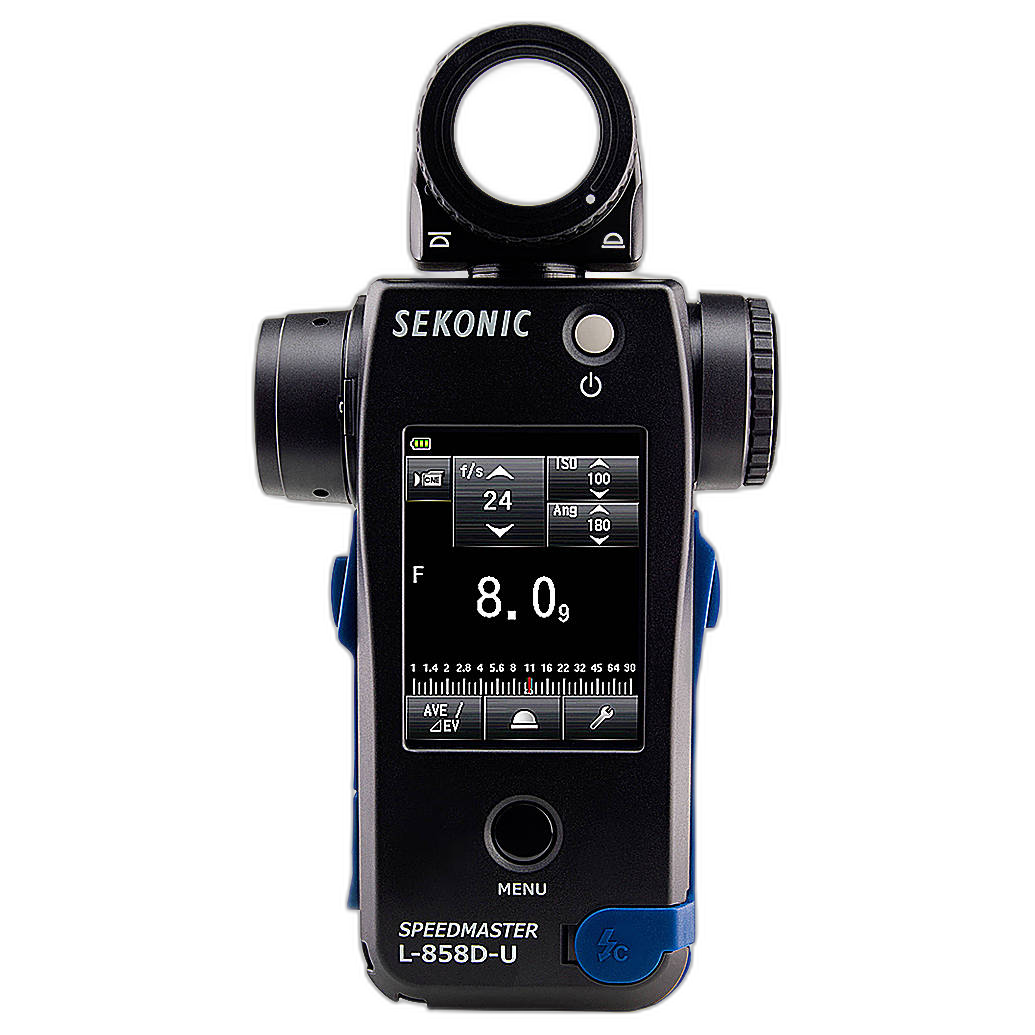
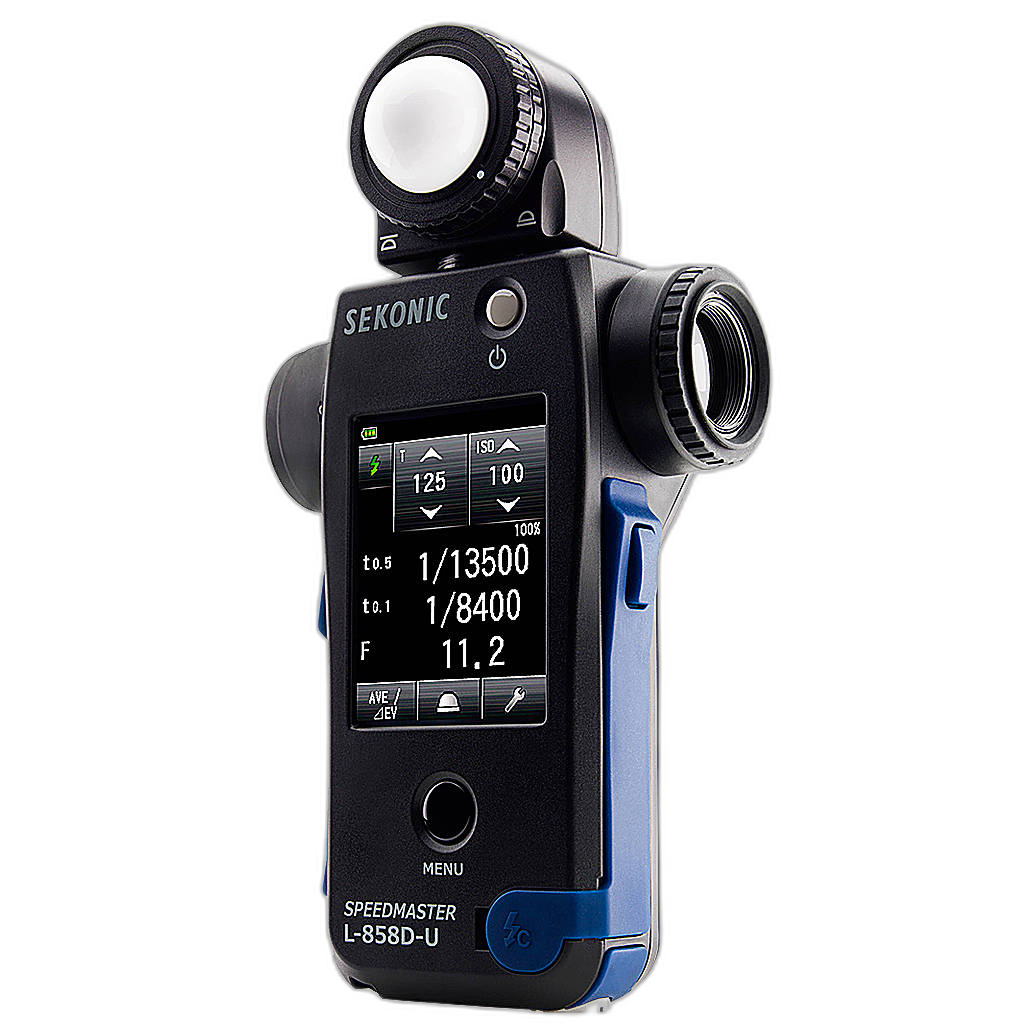
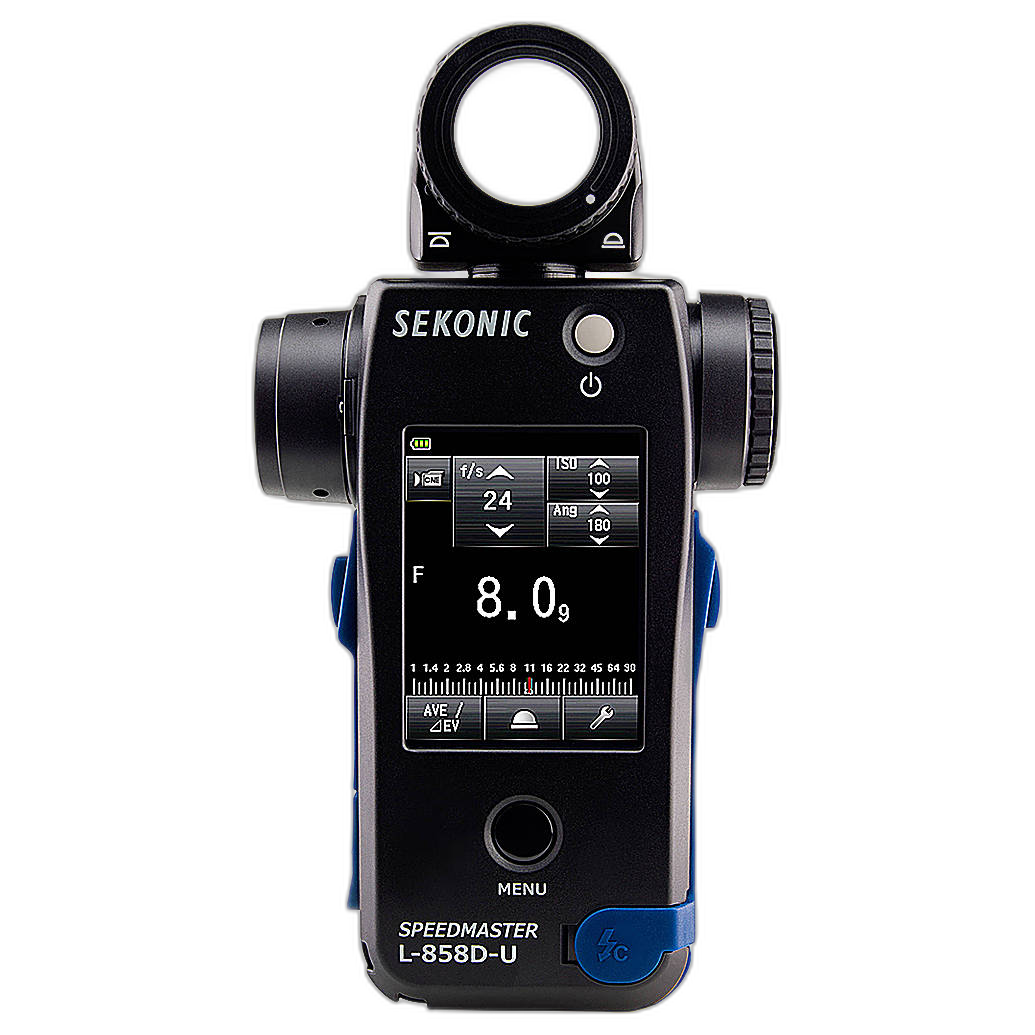
If you frequently work in changing conditions, a dedicated handheld meter can make a major difference. The Sekonic L-858D-U Speedmaster Light Meter is an excellent option for photographers who want precision, versatility, and strong performance in both ambient and flash workflows.
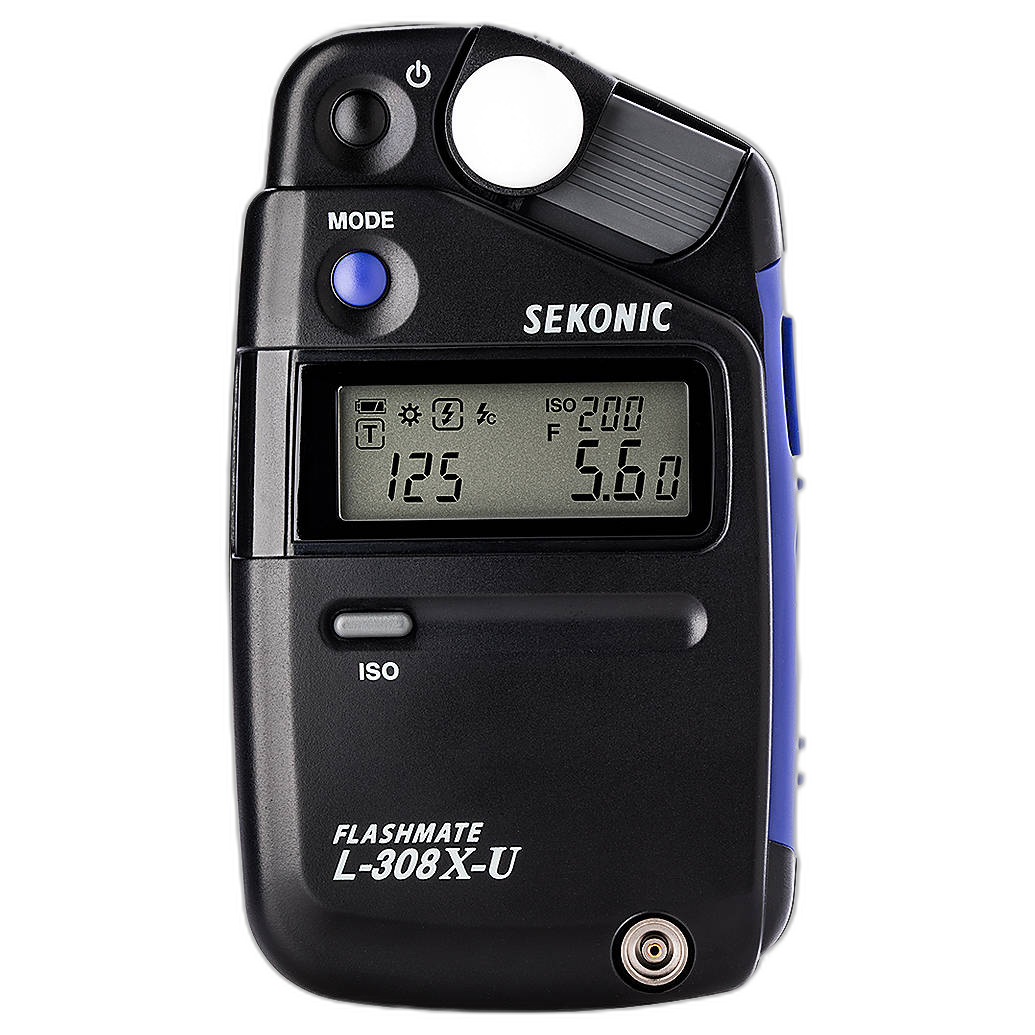
For a simpler, compact solution, the Sekonic L-308X-U Flashmate Light Meter is popular with film shooters who want dependable incident and reflected readings without added complexity.
Should I meter differently for negative film and slide film?
Yes. Negative film generally has more exposure latitude, especially toward overexposure, so many photographers prefer to give it a little extra light to preserve shadow detail and produce richer negatives. Slide film is much less forgiving, especially in highlights, so metering must be more exact. With transparency film, protecting bright areas is often the priority.
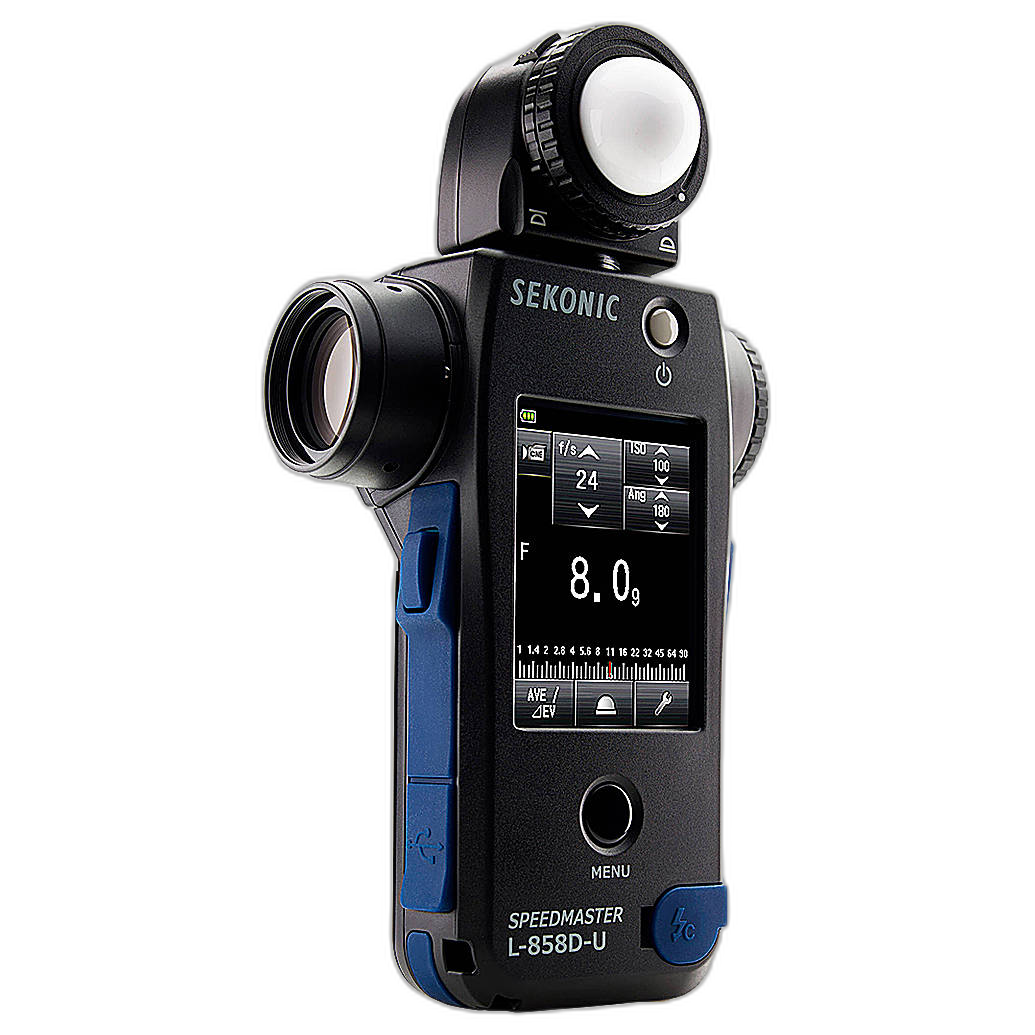
For negative film, an incident reading is often a strong baseline. If you are using reflective metering, be careful with scenes containing large bright or dark areas that can mislead the meter. For slide film, spot-oriented evaluation and careful placement of highlights are especially important. A meter with advanced control, like the Sekonic L-858D-U Speedmaster, gives you the flexibility needed for exacting work.
When should I use incident metering instead of reflective metering?
Use incident metering whenever you can stand in the same light as your subject or reach the subject position. It is especially useful for portraits, studio work, window light, open shade, and scenes where subject tone varies dramatically. Because incident metering ignores the subject's reflectance, it is often the fastest way to get a consistent exposure on film.
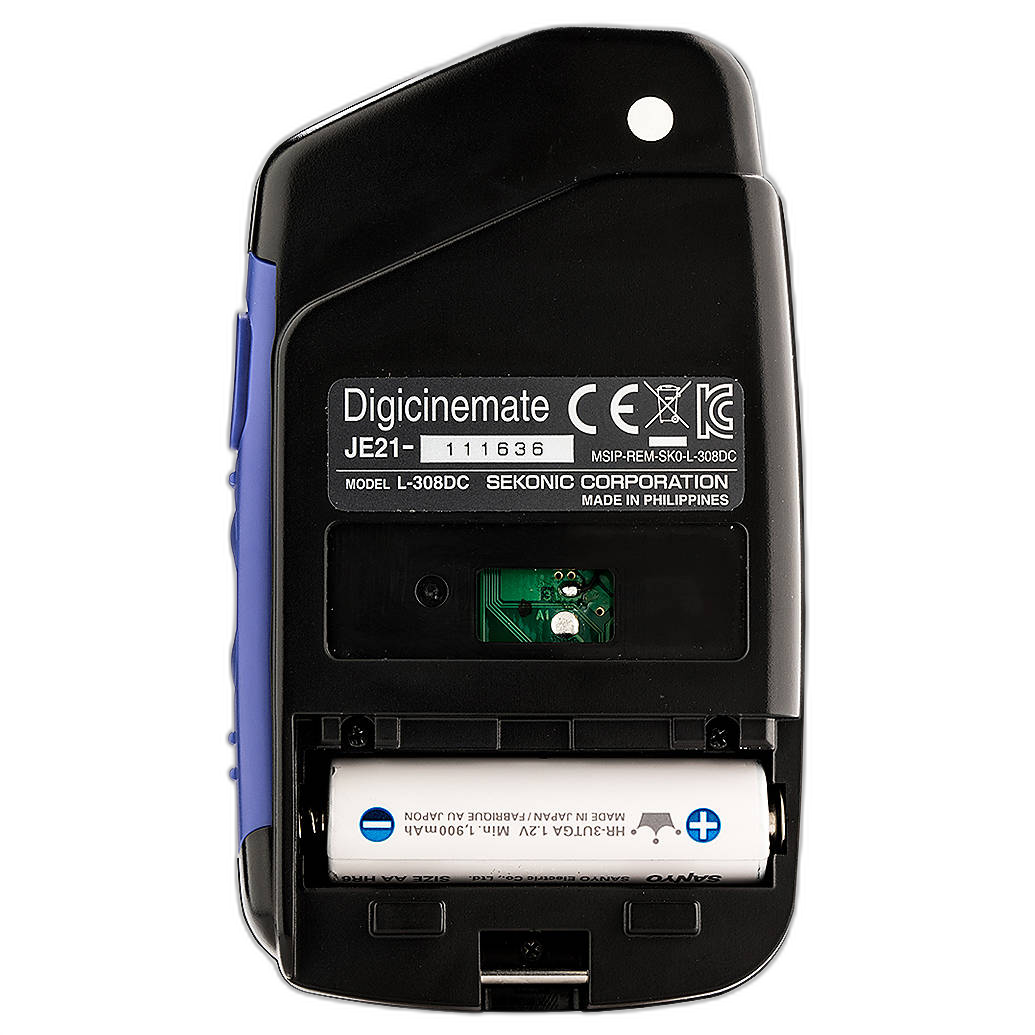
Reflective metering is still useful when the subject is too far away or inaccessible. In that case, try to meter from a midtone area or compare readings from important highlights and shadows to understand the contrast range. If you want a straightforward meter for everyday film work, the Sekonic L-308X-U Flashmate offers a very practical balance of portability and accuracy.
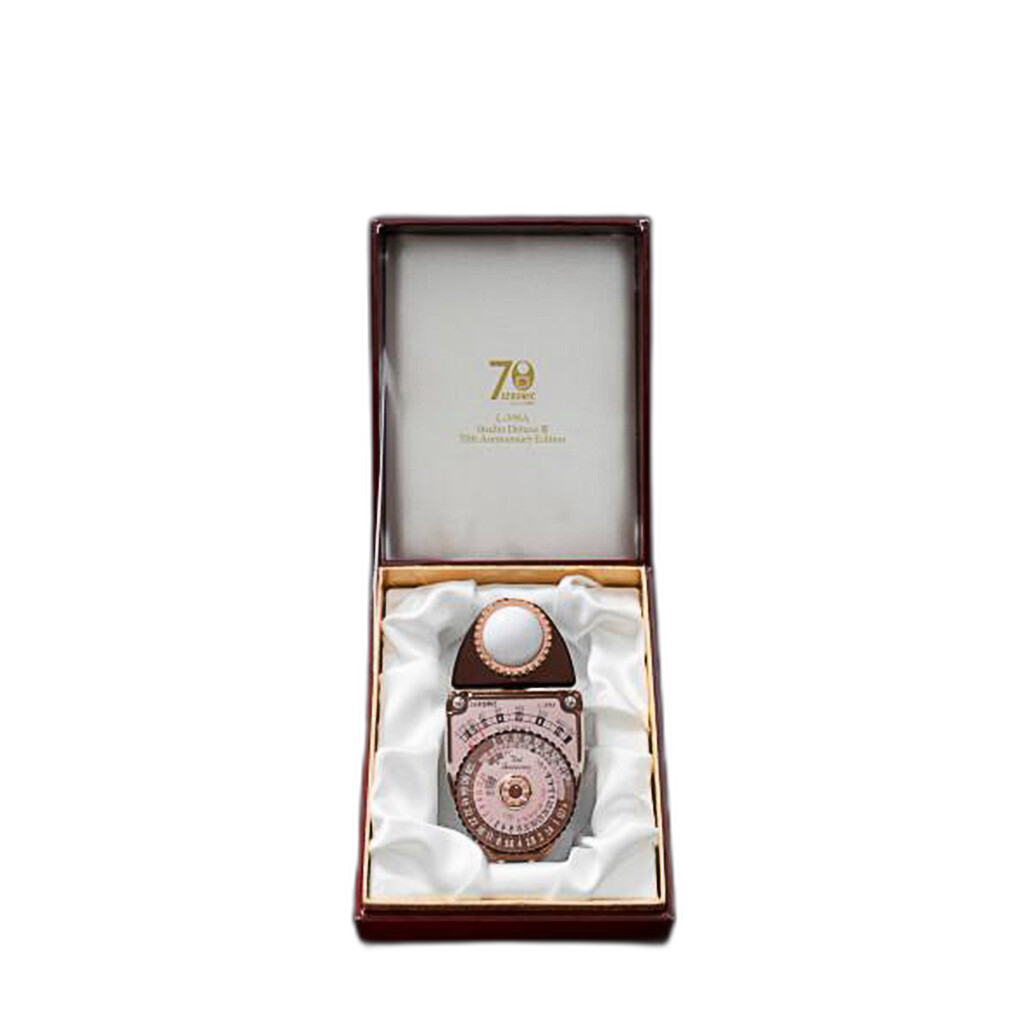
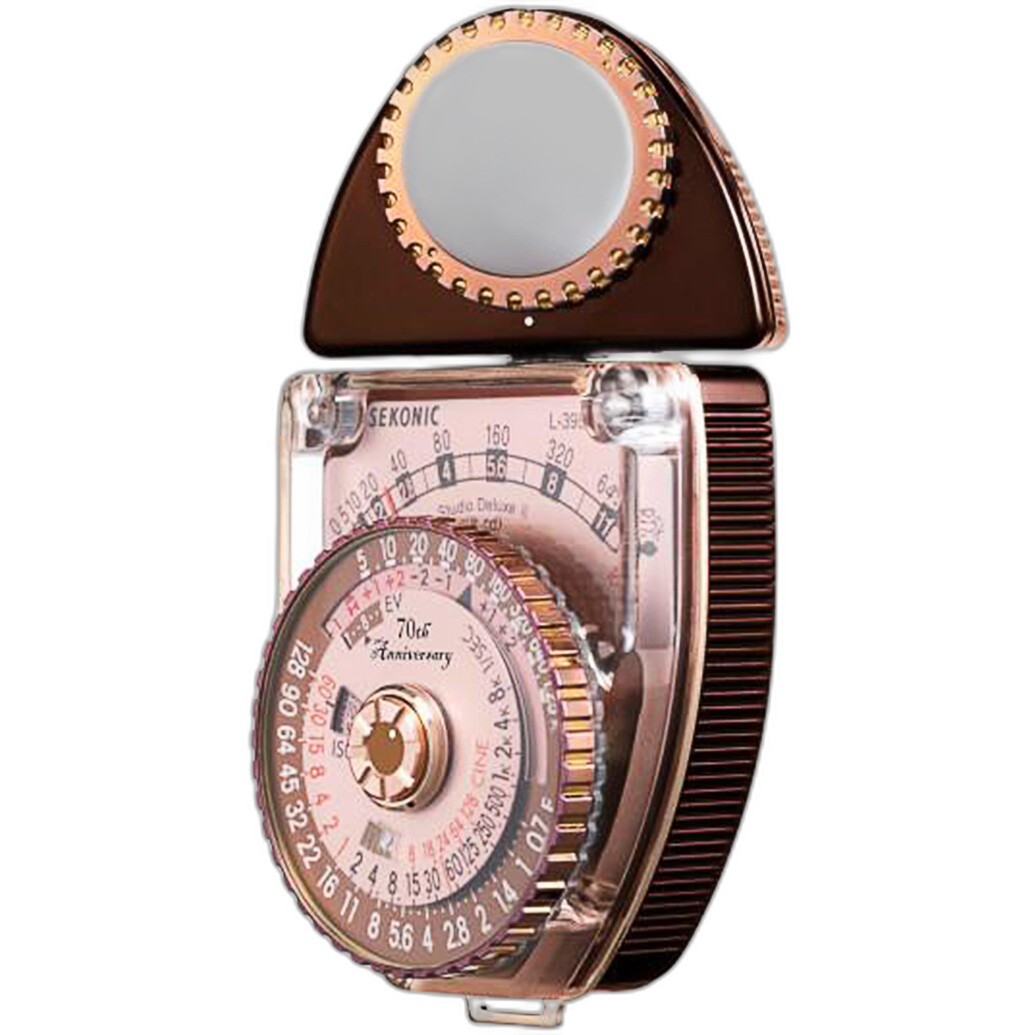
Photographers who prefer an analog, battery-free tool often appreciate the Sekonic L-398A Studio Deluxe 70th Anniversary Edition Light Meter, a classic choice for ambient and studio-oriented shooting.
How do I meter a backlit subject on film?
Backlighting is one of the most common reasons film exposures go wrong. If you rely on a camera's reflective meter, it may see the bright background and underexpose the subject. The solution is to meter the light on the subject directly with an incident meter or move in close enough to take a reflective reading from the subject area alone.
Ask yourself what matters most in the final image. If the subject's face or clothing is the priority, expose for that and let the background fall where it may. If you want to retain bright background detail, compare the subject reading with the background and decide whether the scene exceeds the film's latitude. A capable meter like the Sekonic L-858D-U Speedmaster helps when you need to evaluate these differences quickly and confidently.
What should I do when the scene has deep shadows and bright highlights?
Start by measuring the highlights you want to preserve and the shadows where you still want visible detail. Then decide which part of the tonal range is more important for your film stock. Negative film can usually handle strong highlight exposure better than blocked shadows, while slide film often demands stricter highlight protection.
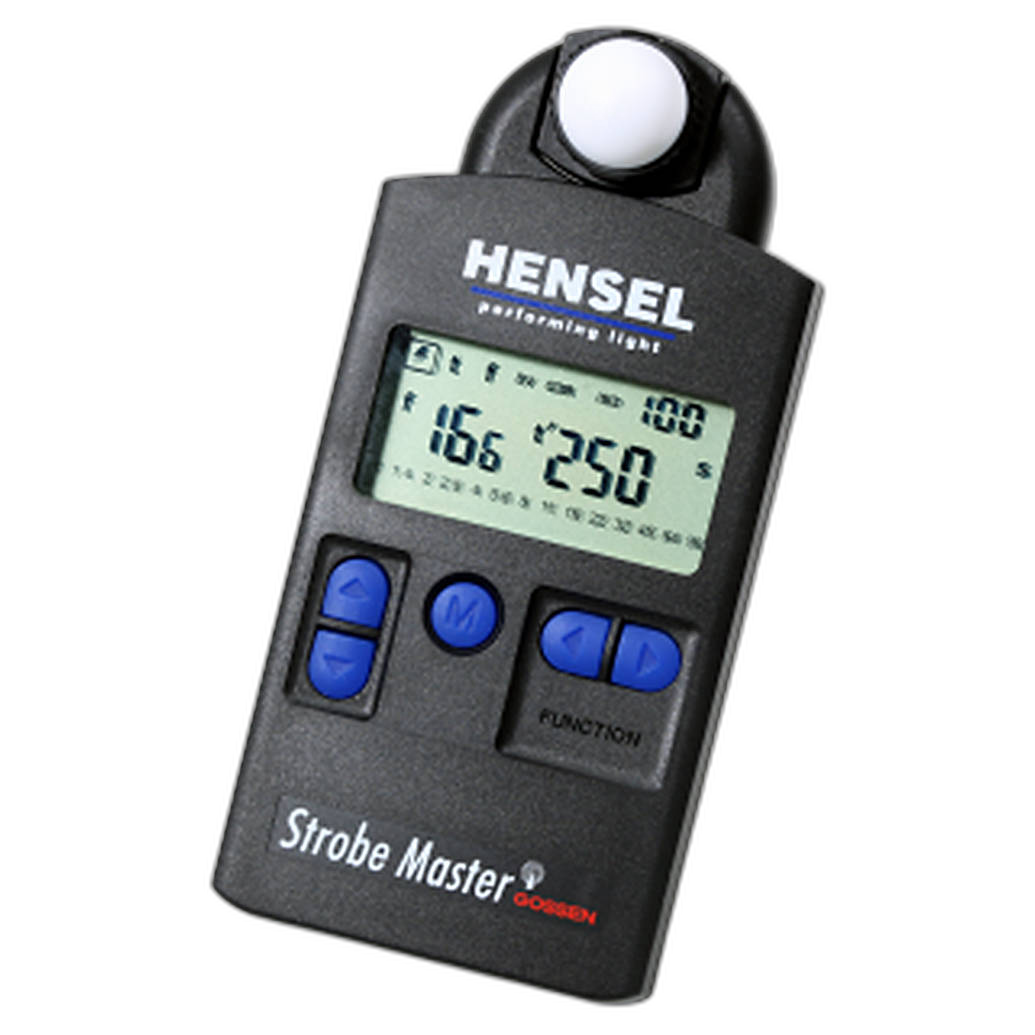
In practical terms, many film photographers expose to keep important shadows open with negative film, then adjust development or printing later if needed. In scenes with extreme contrast, it may be better to wait for softer light, use fill flash, or reposition the subject. For studio and flash-heavy setups, the Hensel Strobe Master Light Meter can be a valuable addition for controlling light ratios more precisely.
How do I meter mixed lighting, like window light and tungsten indoors?
Mixed lighting creates two exposure questions at once: how bright each source is and how each source will render on your film. First, meter the key light on your subject. Then evaluate the secondary source to see how much brighter or darker it is. This helps you decide whether you want balanced illumination, a dramatic contrast, or a dominant main light.
For color film, remember that accurate exposure does not automatically solve color balance. Tungsten, daylight, and LED sources can all shift color differently. A handheld meter lets you establish the correct exposure, and from there you can decide whether to use filters, change bulbs, or embrace the color contrast creatively. Compact meters like the Sekonic L-308X-U Flashmate are especially handy for location work, while the L-858D-U is ideal if you want more advanced control.
Is a handheld light meter really worth it if my camera already has a meter?
For many film photographers, yes. Built-in camera meters are useful, but handheld meters give you more control and consistency, especially across multiple cameras, older fully mechanical bodies, medium format systems, and studio setups. They also help when your camera's meter is unreliable, unavailable, or easily fooled by unusual scenes.
A handheld meter is particularly worthwhile if you shoot film regularly, work with flash, or want to reduce guesswork in difficult light. If you want a modern all-around meter, the Sekonic L-858D-U Speedmaster is a premium choice. If you want an affordable and practical step into handheld metering, the Sekonic L-308X-U Flashmate is an excellent place to start. Budget-minded photographers should also consider used options from Unique Photo, such as a Used Sekonic L-858D-U Speedmaster Light Meter - Excellent or a Used Sekonic L-308X-U Flashmate Light Meter - Good when available.

What are the most common film metering mistakes?
One common mistake is trusting an average reflective reading in a scene that is mostly bright or mostly dark. Another is forgetting that film stock matters; what works for color negative film may not work nearly as well for slide film. Photographers also run into trouble by metering the wrong area, changing their composition after metering, or not accounting for strong backlight.
It is also easy to overlook consistency. If you meter incident for one frame, reflective for the next, and estimate the third, it becomes hard to learn from your results. Sticking to one approach for similar scenes helps you recognize patterns and improve quickly. A dedicated meter encourages that consistency and makes your results easier to repeat from roll to roll.
What is a good meter for beginners shooting film?
If you are new to handheld metering, the Sekonic L-308X-U Flashmate Light Meter is one of the best beginner-friendly choices because it is compact, straightforward, and useful for both ambient and flash. It is easy to carry alongside a film camera and simple enough to learn without feeling limiting.
If you prefer a classic analog workflow and like the idea of a battery-free meter, the Sekonic L-398A Studio Deluxe 70th Anniversary Edition has lasting appeal. And if you want to invest once in a meter that can grow with you into advanced film, digital, and lighting work, the Sekonic L-858D-U Speedmaster is a top-tier option.
Accurate metering for film is less about chasing a single perfect formula and more about choosing a consistent method that matches your subject, film stock, and lighting conditions. With the right handheld meter and a little practice, even difficult scenes become far easier to judge. Explore new and used light meters at Unique Photo to find the right fit for your shooting style, and if you need help choosing, our team is always here to guide you.