Film Exposure FAQ: Metering, Overexposure, and Getting Reliable Results
Getting consistent exposure on film is part technique, part experience, and part using the right tools. Whether you are shooting negative film, slide film, or a fully manual camera, understanding how to meter for the scene in front of you will help you produce more reliable negatives and better scans or prints.
At Unique Photo, we regularly help film photographers choose light meters and refine their workflow for changing light, backlit scenes, portraits, and mixed lighting. Below are the most common questions we hear about exposing film accurately, along with practical guidance you can apply right away.
What is the best way to meter for film photography?
The best metering method depends on your camera, your subject, and the film stock you are using. In general, incident metering is one of the most dependable ways to get an accurate exposure because it measures the light falling on the subject rather than the light reflecting off it. That means bright clothing, dark backgrounds, snow, or deep shadows are less likely to fool the meter.
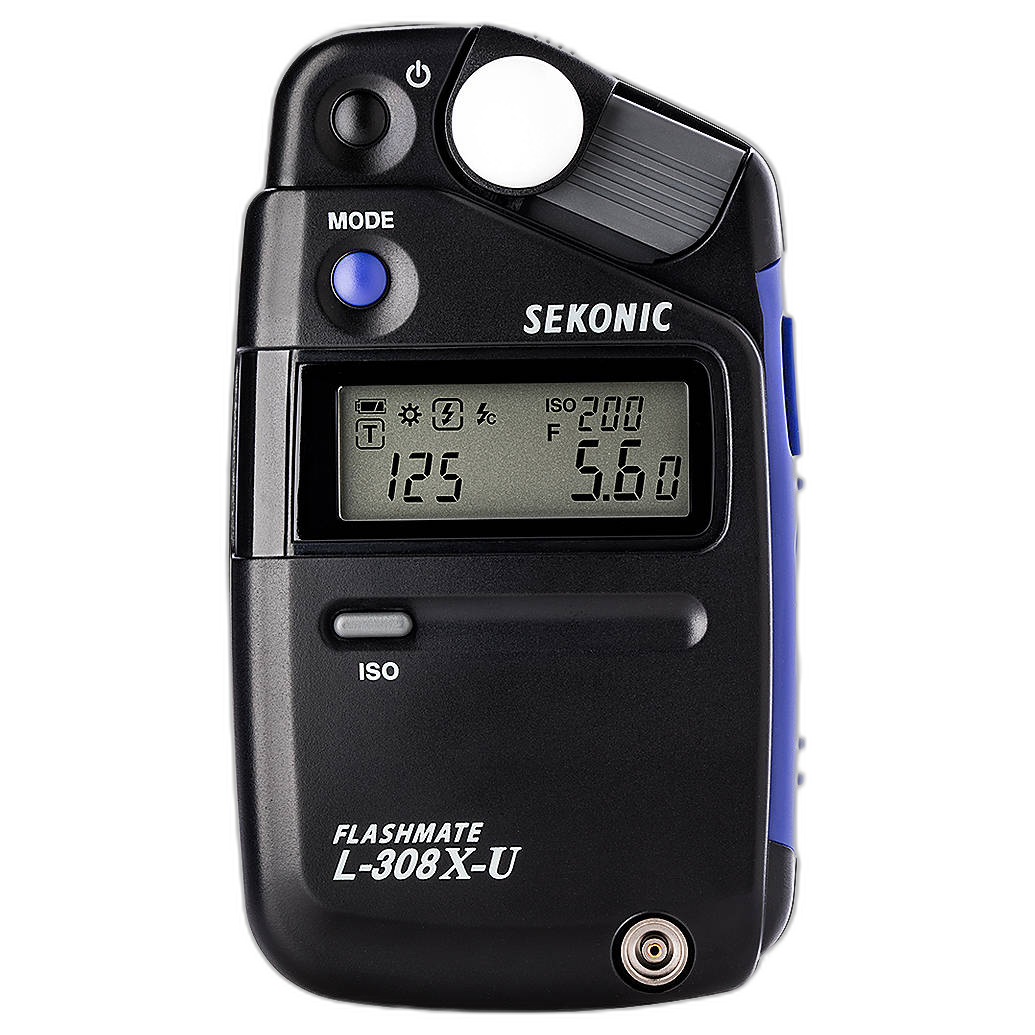
If you work with portraiture, studio lighting, or controlled outdoor setups, an incident-capable handheld meter can streamline your process. The Sekonic L-308X-U Flashmate Light Meter is a compact and practical choice for photographers who want a simple, reliable handheld meter for ambient and flash work.
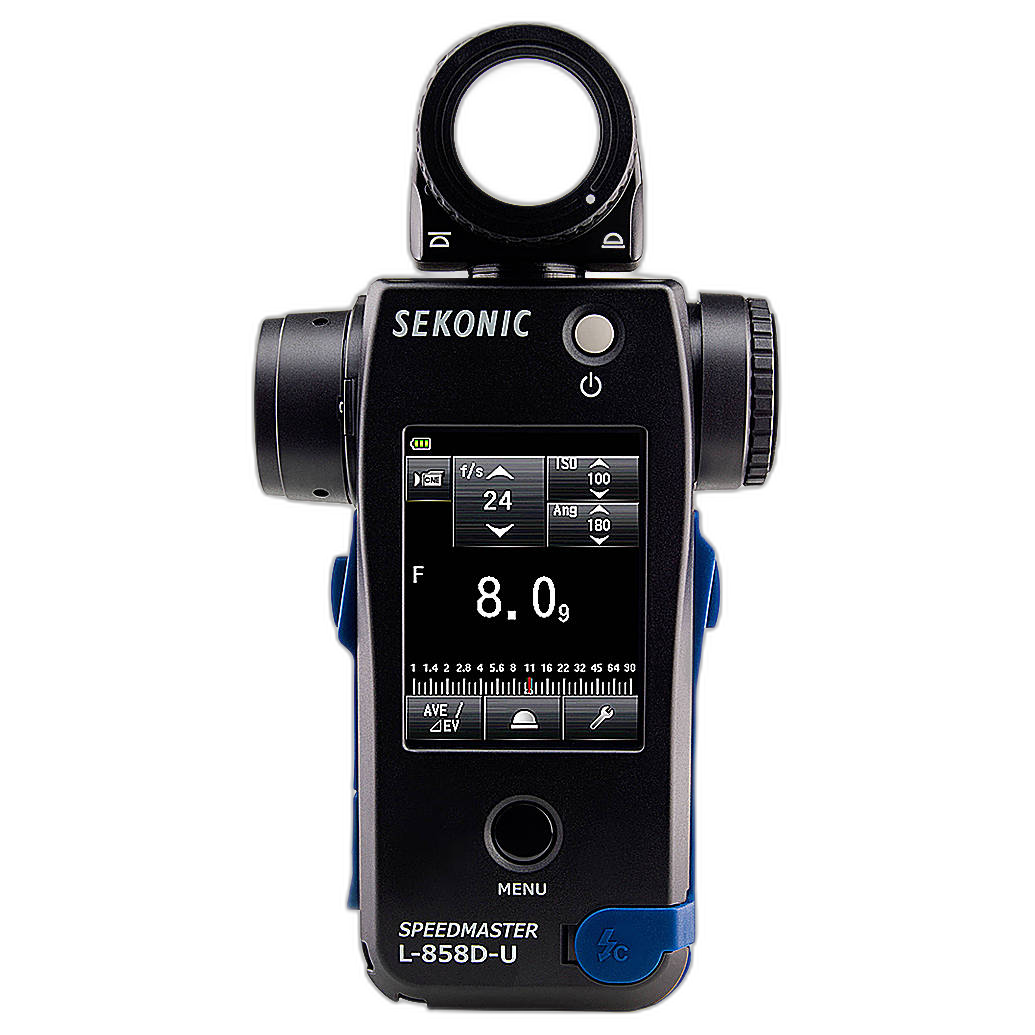
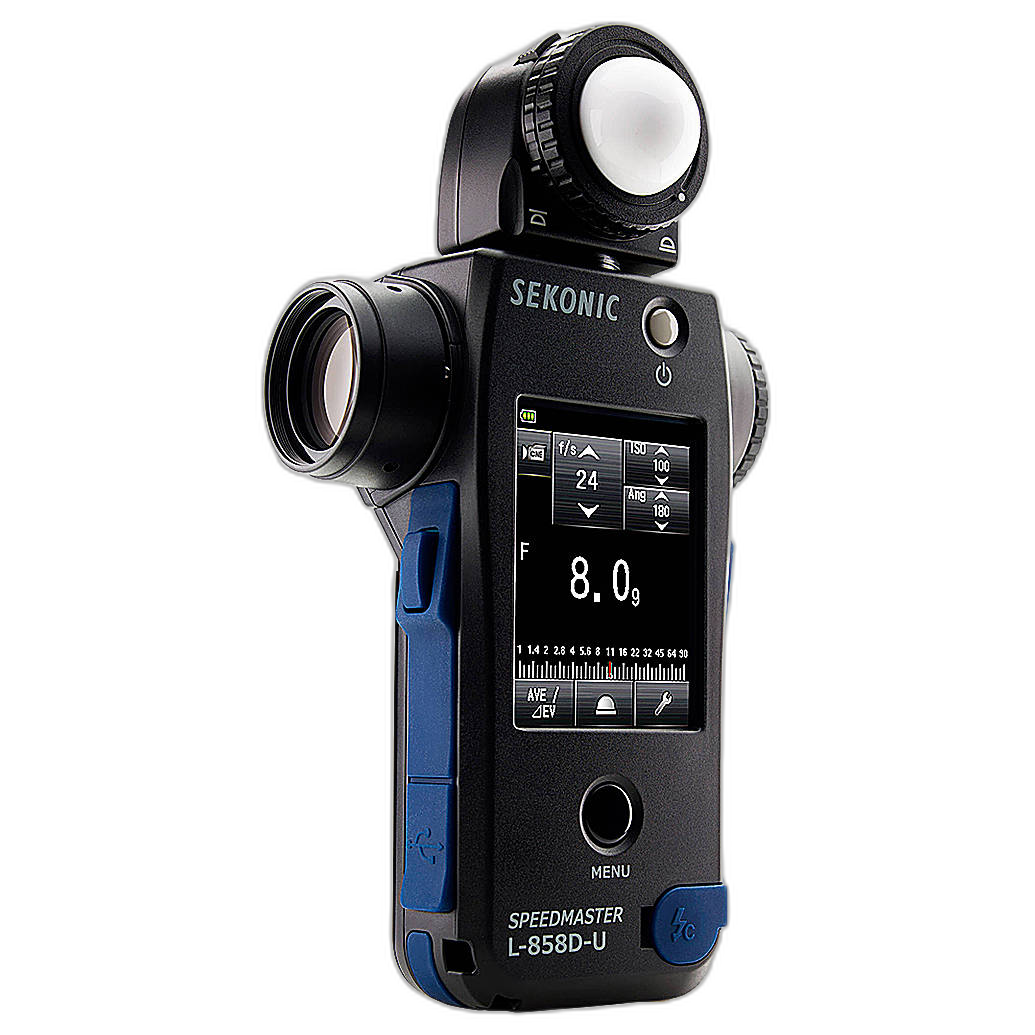
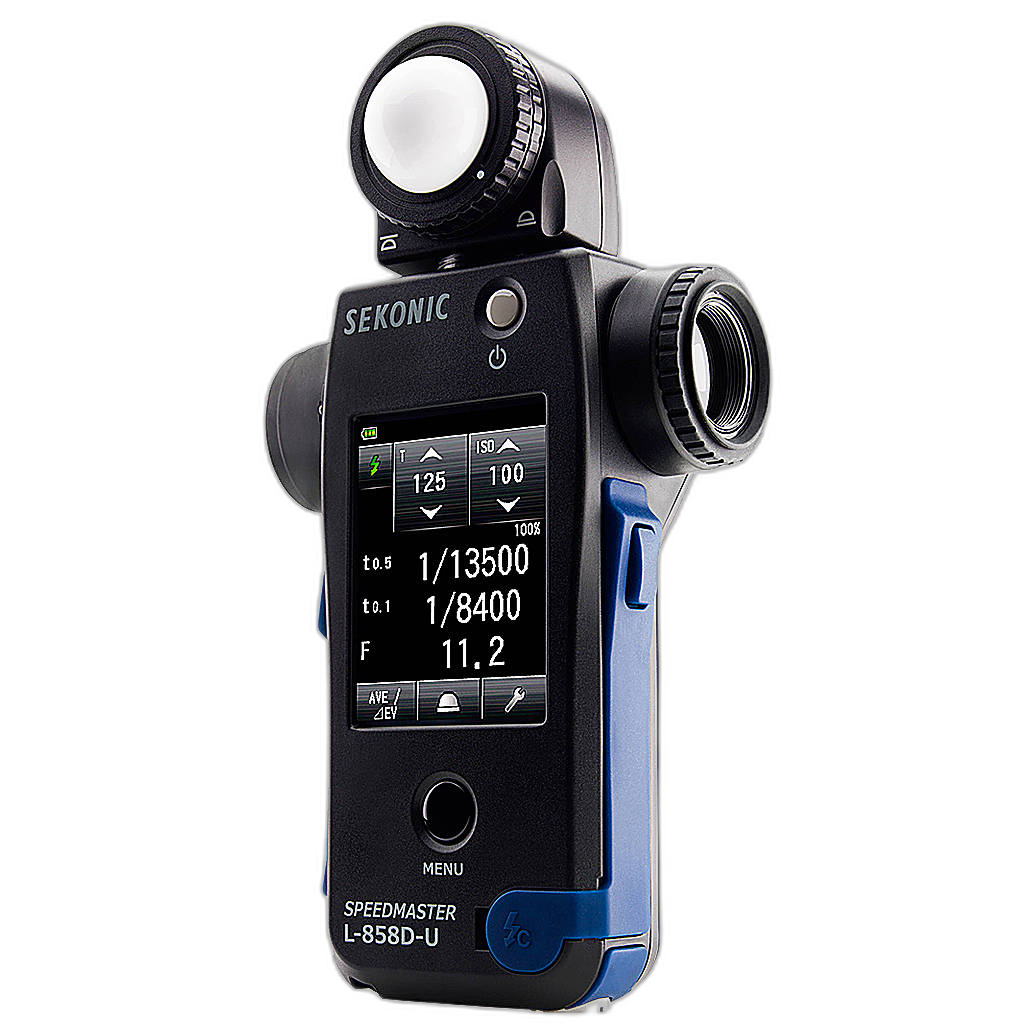
For photographers who want more advanced features, the Sekonic L-858D-U Speedmaster Light Meter offers extensive control for ambient, flash, and more demanding workflows. It is especially useful for photographers who shoot both film and digital and want one meter that can cover almost any scenario.
Should I overexpose negative film?
Color negative and black-and-white negative films generally handle overexposure better than underexposure. That is why many photographers rate a film slightly slower than the box speed, especially when they want fuller shadows and smoother tonality. For example, ISO 400 negative film may be exposed at EI 200 or 320 if you want a little more density in the negative.
The key is moderation. A small amount of overexposure can be helpful, but too much can reduce highlight separation or make scans harder to balance, depending on the film and lab workflow. If you are still learning a film stock, bracket a few frames in consistent light and compare the results. A handheld meter helps you repeat that test accurately so you can decide how you prefer to rate your film in real use.
What about slide film or reversal film?
Slide film is far less forgiving than negative film, especially in the highlights. If you are shooting reversal film, exposure precision matters much more, and many photographers aim to expose exactly at the meter reading or with only very slight adjustments based on the scene. Bright skies, white clothing, reflective surfaces, and high-contrast midday light all require extra care.
For this kind of work, a high-precision meter such as the Sekonic L-858D-U Speedmaster Light Meter can be a major advantage. Its expanded functionality is useful when you need confidence in challenging lighting conditions or when testing a new film stock.
Is an in-camera meter good enough for film?
An in-camera meter can absolutely be good enough, especially if you know how it behaves and understand when it may be influenced by bright or dark areas in the frame. The most important thing is consistency. If your camera meter tends to underexpose backlit scenes or overreact to a lot of snow or sand, you can learn to compensate.
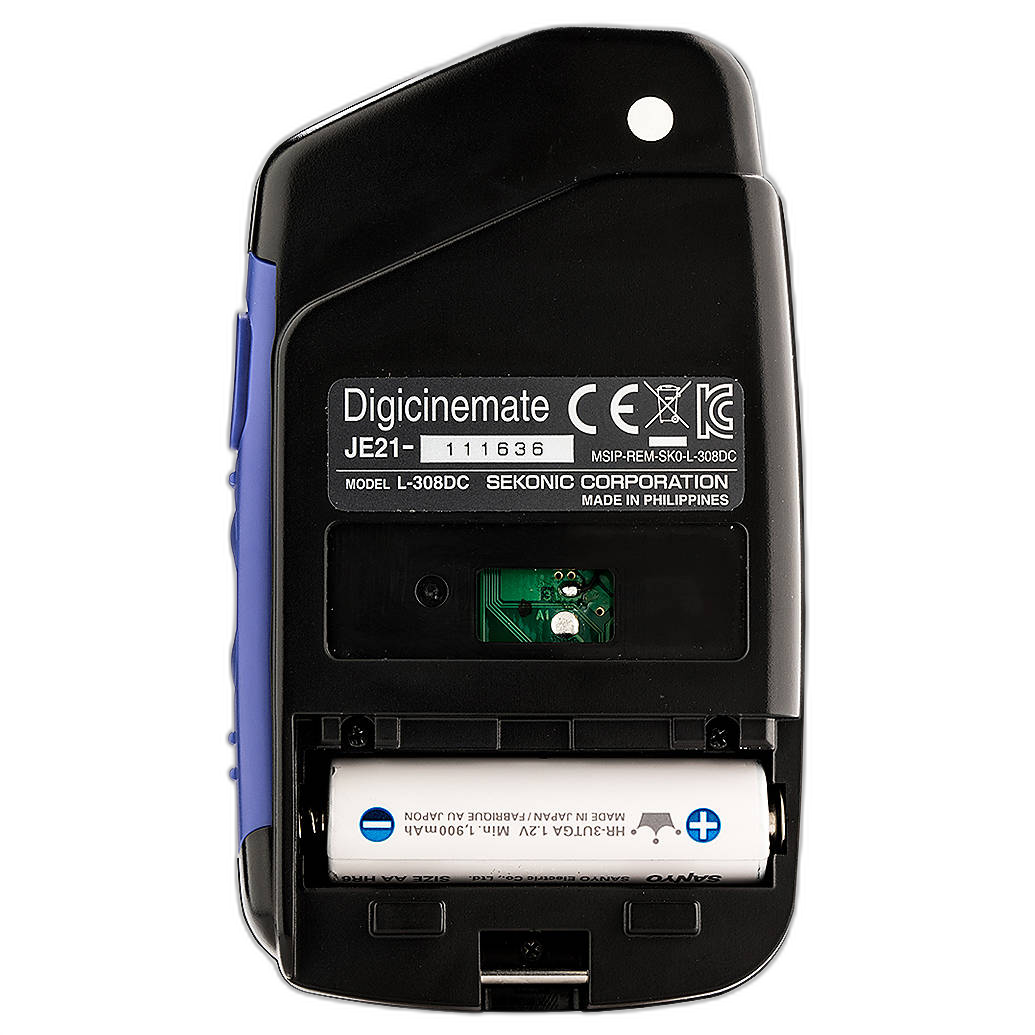
That said, older film cameras do not always meter perfectly. Some vintage or used cameras may have meters that have drifted over time, and that can lead to repeated exposure errors if you trust them without testing. In those cases, an external meter is often the easiest way to verify readings and avoid wasting film. Even a compact handheld option such as the Sekonic L-308X-U Flashmate can give you a reliable reference point when checking a camera body you are evaluating or actively using.
If you prefer to buy used gear, Unique Photo also carries pre-owned meter options when available, including the Used Sekonic L-308X-U Flashmate Light Meter - Good and the Used Sekonic L-858D-U Speedmaster Light Meter - Excellent.

How do I meter difficult scenes like backlighting, snow, or high contrast?
These scenes challenge reflective metering because the brightness of the frame can bias the reading. In backlit portraits, for example, the camera may expose for the bright background and leave your subject too dark. In snow scenes, the meter often tries to turn bright white snow into middle gray, producing underexposed frames.
One solution is to meter off the subject directly with an incident meter. Another is to meter a midtone in the same light as your subject and lock in that exposure manually. If neither is possible, use exposure compensation thoughtfully. Bright snow often needs added exposure, while scenes with large dark areas may need less than your camera meter suggests. The more controlled and repeatable your metering is, the easier it becomes to make these decisions confidently.
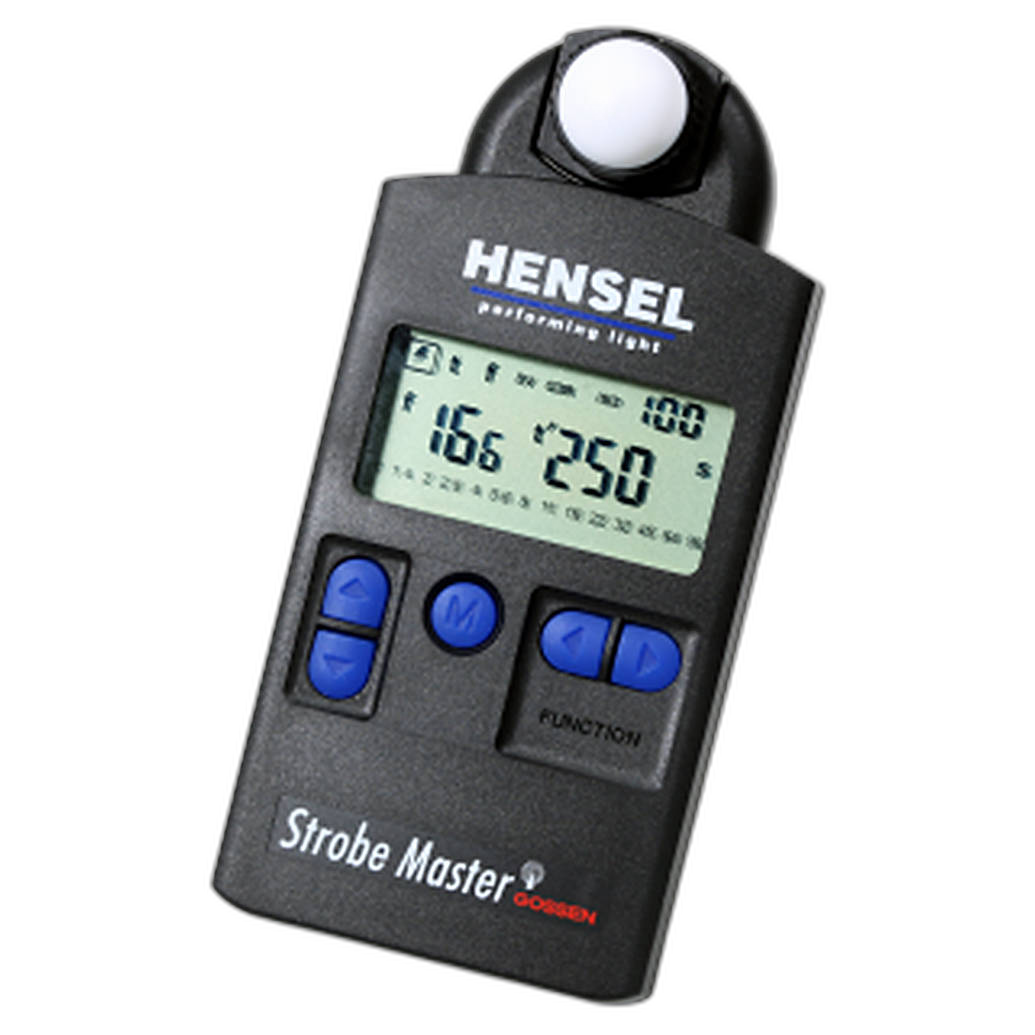
Photographers working with strobes or mixed lighting may also consider the Hensel Strobe Master Light Meter, especially if flash exposure is a central part of their film workflow.
Do I need a flash meter for film photography?
If you use studio strobes, off-camera flash, or any lighting setup where flash is contributing significantly to the exposure, a flash meter can save time and improve consistency. Film does not give you immediate playback, so metering flash output before you shoot is one of the best ways to avoid surprises once the roll comes back from the lab.
The Sekonic L-308X-U Flashmate Light Meter is a strong entry point for photographers who want an affordable, portable meter for both ambient and flash readings. If you need more advanced controls and broader capability, the Sekonic L-858D-U Speedmaster Light Meter is a more full-featured solution for demanding lighting setups.
Are analog light meters still worth using?
Yes, especially for photographers who appreciate a simple, battery-free workflow. Analog meters can be excellent for film shooters who want a tactile, straightforward way to read light without navigating digital menus. They are also appealing for classic camera users who want a period-friendly tool with dependable ambient metering capability.
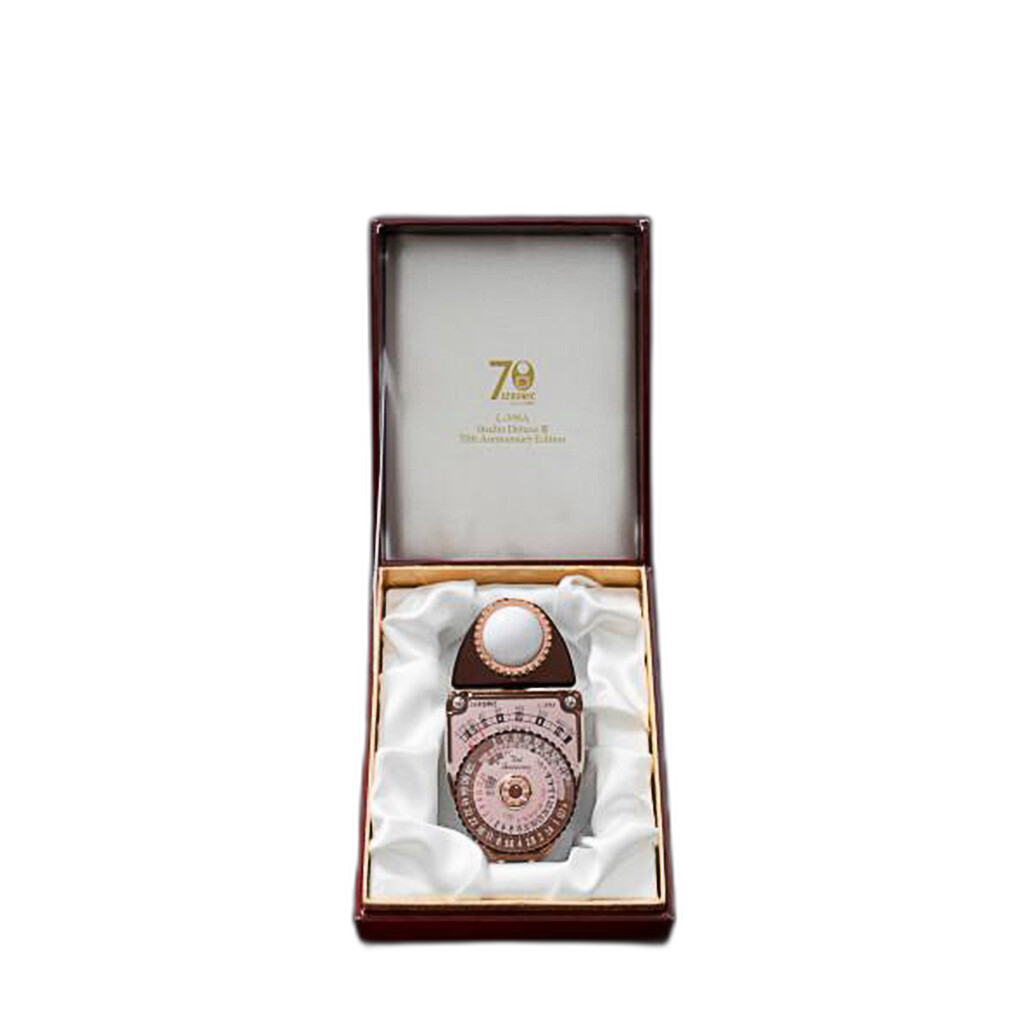
The Sekonic L-398A Studio Deluxe 70th Anniversary Edition Light Meter remains a favorite style of meter for photographers who value simplicity and traditional operation. It is particularly attractive for ambient light work, portraits, and learning the fundamentals of exposure in a very direct way.
How can I become more consistent with film exposure from roll to roll?
Consistency comes from testing one variable at a time. Pick one film stock, rate it the same way for several rolls, and meter scenes with a repeatable method. Keep notes on lighting conditions, exposure decisions, lens aperture, and whether you relied on an in-camera or handheld meter. Once you review your negatives or scans, patterns become easier to spot.
It also helps to decide on a personal baseline. Some photographers prefer to expose negative film for the shadows and let highlights fall where they may. Others meter for midtones and rely on the latitude of the film. Neither approach is automatically right for everyone, but sticking with one method long enough to evaluate it is what leads to dependable results.
A dedicated handheld meter can make this learning process much easier because it removes some of the guesswork. If you want a lightweight solution, the Sekonic L-308X-U Flashmate is an excellent everyday option. If you want advanced flexibility for ambient and flash, the Sekonic L-858D-U Speedmaster is a premium tool that can grow with your photography.
What should beginners buy first: a meter, more film, or a camera with a built-in meter?
For most beginners, the smartest first step is not necessarily the most expensive gear. If your camera already has a reasonably accurate built-in meter and you are shooting forgiving negative film, you may learn a lot simply by practicing and reviewing your results carefully. But if your camera meter is questionable, inconsistent, or absent, a handheld meter becomes one of the most practical upgrades you can make.
The Sekonic L-308X-U Flashmate Light Meter is often the sweet spot for beginners because it is compact, versatile, and easy to carry. For photographers who want a more advanced long-term investment, the Sekonic L-858D-U Speedmaster Light Meter is a professional-grade choice. And if you enjoy traditional tools, the Sekonic L-398A Studio Deluxe 70th Anniversary Edition offers a classic metering experience that many film photographers still love.
Reliable film exposure starts with understanding light and using tools that fit your shooting style. If you are ready to improve your metering technique, explore handheld meters and film photography gear at Unique Photo, where our team can help you choose the right solution for your camera, your film stock, and the way you like to shoot.