Introduction: Using Sony Lens Compare Beta to Choose the Right Portrait Prime
When photographers shop for portrait glass, the conversation usually starts with focal length, then quickly moves to background blur, subject separation, rendering, autofocus speed, and how a lens draws faces at different distances. Sony Lens Compare Beta is especially helpful here because it lets you think beyond specs on a page and evaluate how different lenses fit your style of portraiture. While the available comparison set here includes a mix of wide, standard, zoom, and even adapted or specialty options, that variety actually makes the exercise more useful: it shows why true portrait shooters so often gravitate toward primes for consistency, speed, and character.
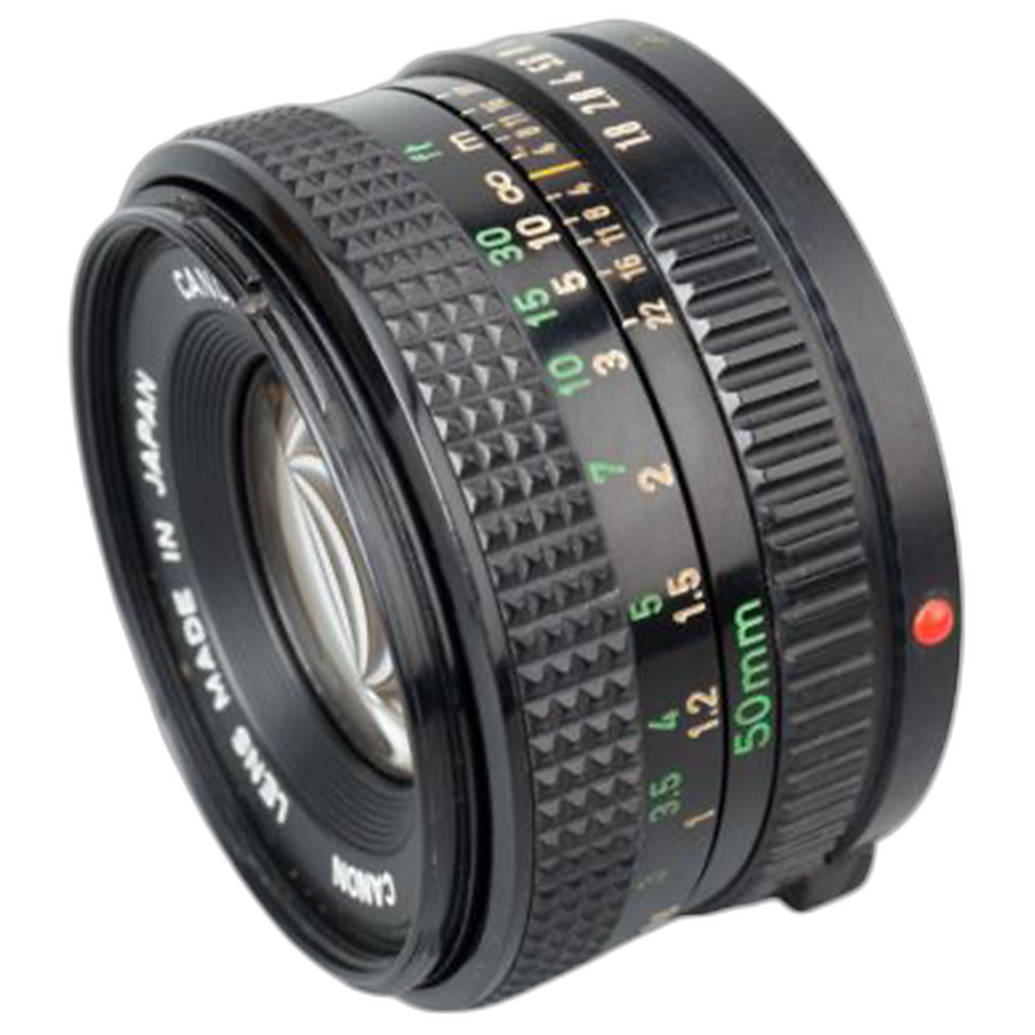
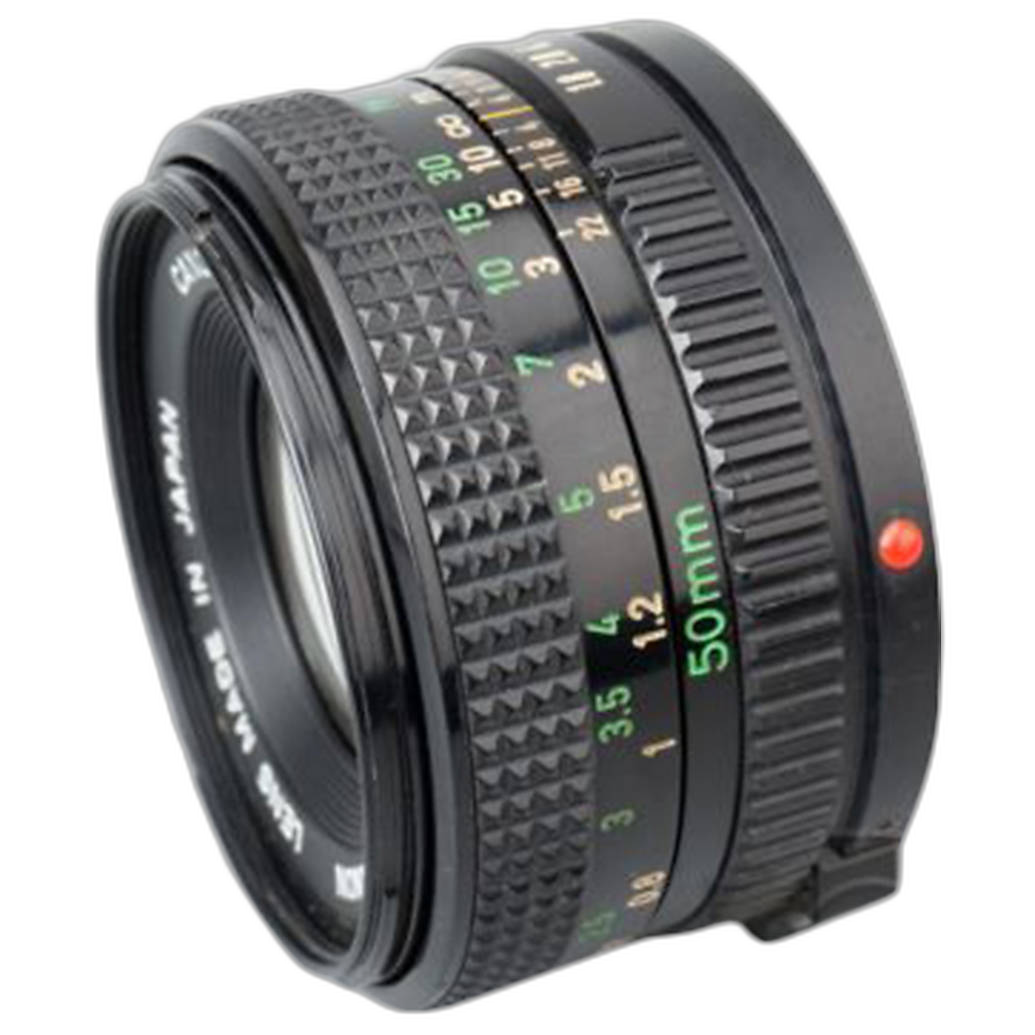
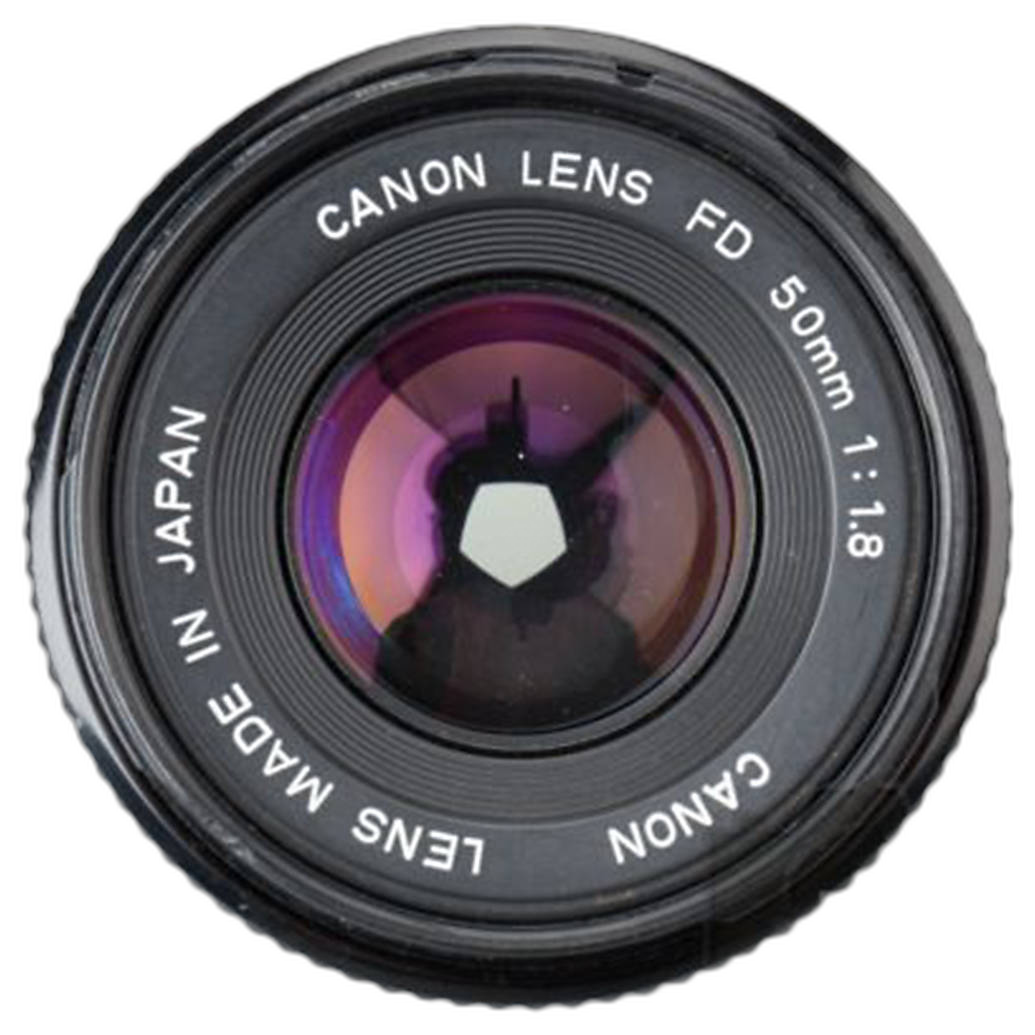
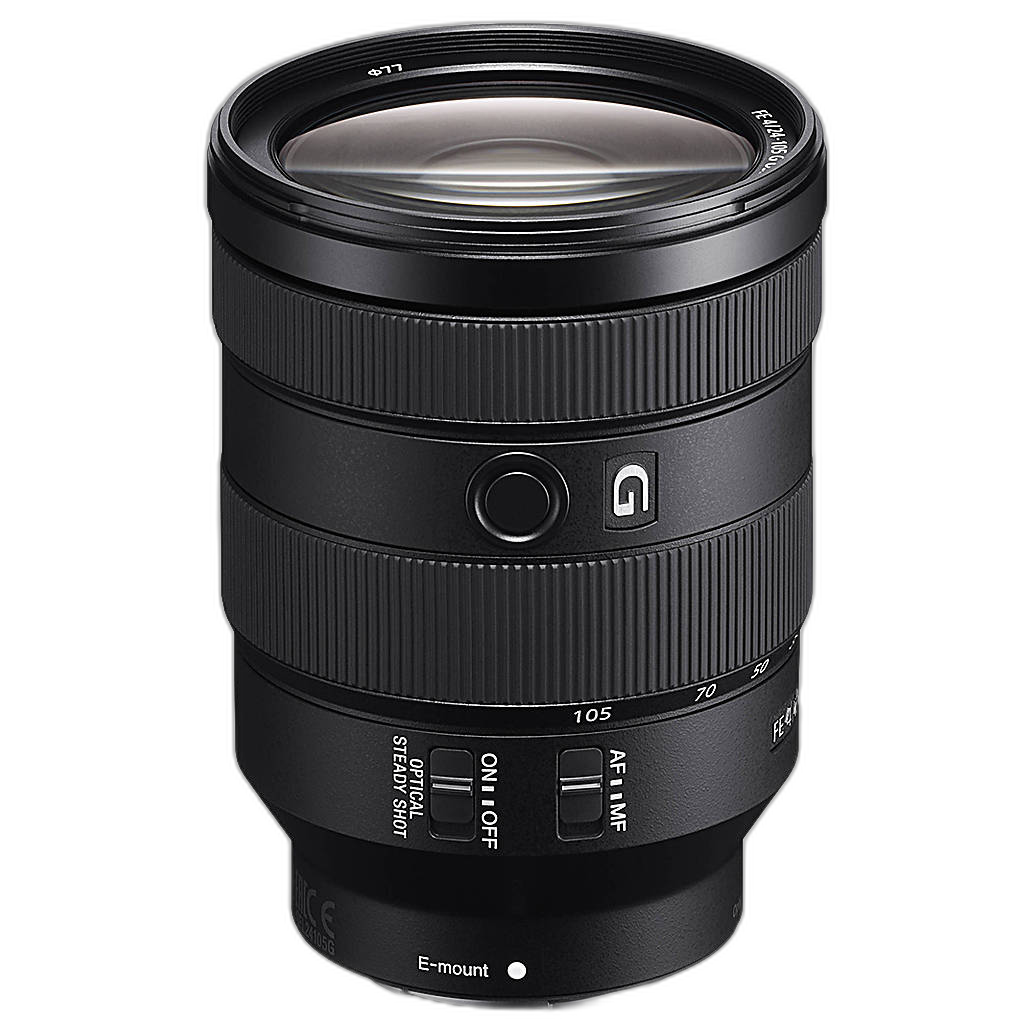
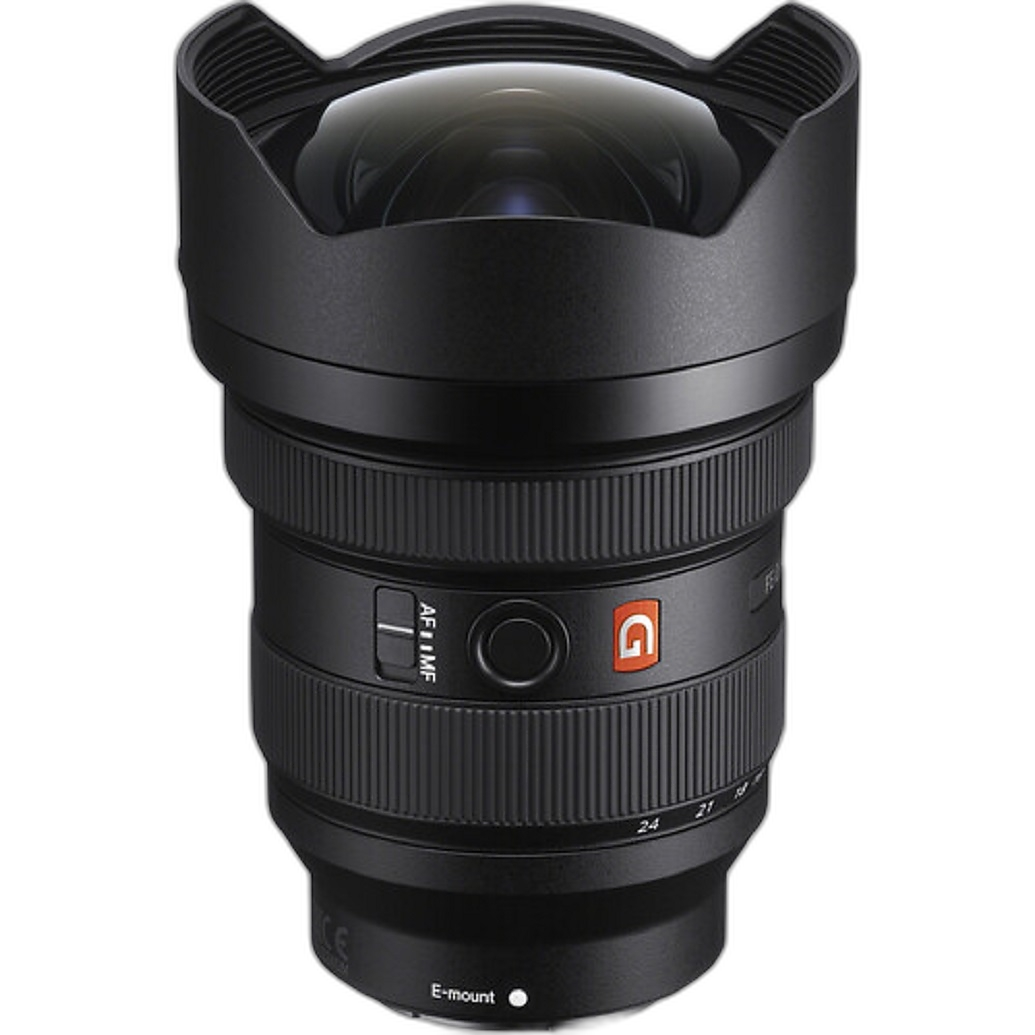
For this review, the most relevant lens in the group for classic portrait use is the Used Canon FD 50mm f/1.8 Lens - Good, which represents the kind of affordable standard prime many photographers use to learn portrait fundamentals. In contrast, lenses like the Sony FE 24-105mm f/4 G OSS and Sony FE 12-24mm f/2.8 GM help illustrate where zooms and ultra-wides fit into portrait work, and where they do not. If your goal is flattering framing, cleaner subject isolation, and a more intentional portrait look, a prime lens still makes the strongest case.
The core takeaway: Sony Lens Compare Beta is most valuable when used not just to compare lenses, but to compare portrait approaches. A fast normal prime encourages you to move your feet, refine your composition, and learn how perspective changes faces and body proportions. That discipline often leads to better portraits than relying on zoom range alone.
Product Positioning: Why a 50mm Prime Still Matters for Portraiture
The Used Canon FD 50mm f/1.8 Lens - Good is not a native Sony lens, but it is highly representative of the classic portrait prime formula: compact size, bright aperture, simple optical concept, and a natural angle of view that works for waist-up, environmental portraits, and tighter compositions depending on your camera format. On full-frame, 50mm sits in a versatile middle ground. It feels more intimate than a wide lens, but less compressed than an 85mm. On APS-C, it becomes even more portrait-friendly, behaving closer to a short telephoto field of view.
What makes a lens like this compelling in a portrait discussion is not just shallow depth of field. It is the combination of subject engagement, manageable working distance, and image character. Many photographers using Sony Lens Compare Beta are trying to decide whether they truly need a dedicated portrait prime or whether a general-purpose zoom is enough. A lens in the 50mm prime category often becomes the answer because it offers a more distinctive look and a more intentional shooting experience.
Key Features
Classic 50mm Perspective for Natural-Looking Portraits
A 50mm lens remains one of the best training tools for portrait photographers. It avoids the exaggerated facial distortion that can show up with wider focal lengths at close distances, while still allowing you to include environment when needed. In Sony Lens Compare Beta terms, this is where comparing against the Sony FE 12-24mm f/2.8 GM becomes instructive: the ultra-wide can be creative for editorial portraits, but it is rarely the flattering default for headshots or beauty work.
With 50mm, you can shoot half-body portraits, seated portraits, street-style portraiture, and indoor natural-light sessions without everything feeling compressed or stretched. It is one of the most balanced focal lengths for photographers who want one prime to do a little of everything.
Bright f/1.8 Aperture and Portrait Separation
Even an f/1.8 lens can create a substantial visual difference compared with an f/4 zoom, especially at portrait distances. Wider apertures help separate your subject from cluttered backgrounds, improve low-light flexibility, and give portraits a more polished look. That matters when comparing a lens like this to the Sony FE 24-105mm f/4 G OSS. The Sony zoom is excellent as a general-purpose lens, but for pure portrait style, the faster prime can deliver more background blur and a stronger sense of subject emphasis.
That said, aperture is not magic by itself. To get the best portrait look, combine a moderately wide aperture with thoughtful subject-to-background distance. Sony Lens Compare Beta can help visualize lens differences, but in practice your spacing and composition are just as important as the spec sheet.
Manual, Deliberate Shooting Encourages Better Technique
One underrated advantage of older or simpler primes is that they slow you down in a good way. Portrait photography often benefits from intention. Rather than spraying frames while zooming back and forth, you begin to pay closer attention to eye alignment, expression timing, body angle, and background placement. This kind of deliberate workflow can produce stronger results, especially for photographers still developing their portrait instincts.
For users comparing against autofocus modern Sony options, this is less about convenience and more about learning. If you are using Sony Lens Compare Beta to think through your priorities, ask yourself whether you value speed and flexibility most, or whether you want a lens that pushes you toward a more crafted portrait process.
Compact Size for More Relaxed Portrait Sessions
Small primes are often less intimidating than large professional zooms or exotic specialty optics. Subjects tend to relax when the camera setup feels lighter and less imposing. That can matter in family sessions, casual portraits, travel portraiture, and documentary-style work. A smaller lens also makes it easier to keep a nimble kit, which is ideal for natural-light shooters working on location.
How Sony Lens Compare Beta Helps Portrait Photographers
Sony Lens Compare Beta is particularly useful when you approach it with portrait-specific questions:
- How much working distance do I want between myself and the subject?
- Do I prefer environmental portraits or tighter subject isolation?
- How important is shallow depth of field versus zoom flexibility?
- Will I mostly shoot indoors, outdoors, or in mixed light?
- Do I want a lens with a neutral look or stronger optical character?
For example, comparing the Sony FE 24-105mm f/4 G OSS to a fast prime reveals an important truth: zooms are highly practical, but they do not always create the same visual signature. Meanwhile, comparing a standard prime concept to the Sony FE 12-24mm f/2.8 GM shows just how dramatically focal length changes the emotional feel of a portrait. Wide lenses can be expressive and dynamic, but they demand careful camera-to-subject distance to avoid unflattering results.
Portrait Tips and Tricks When Comparing Prime Lenses
1. Compare Perspective, Not Just Sharpness
Many buyers fixate on resolution, but portrait success usually depends more on perspective and rendering. A lens can be clinically sharp and still not be your favorite portrait option. Look at how a focal length shapes the face, shoulders, and background. If possible, use Sony Lens Compare Beta to narrow your choices, then think in terms of how each lens will place you physically in relation to your subject.
2. Use Background Distance to Maximize Subject Separation
A common mistake is assuming a fast prime automatically produces beautiful blur. In reality, the farther your subject is from the background, the smoother and less distracting that background becomes. A 50mm f/1.8 can look far more dramatic with good spacing than a longer or faster lens used in a cramped room.
3. Don’t Shoot Too Close with Wider Lenses
Environmental portraits with wide lenses can be fantastic, but close-up facial portraits with ultra-wide focal lengths often distort features. If you use a lens like the Sony FE 12-24mm f/2.8 GM for portraits, keep it intentional: include context, use center placement carefully, and avoid putting faces near frame edges.
4. Stop Down Slightly for Better Eye Sharpness
Wide open is not always best. At f/1.8, depth of field can be razor thin, especially at close distances. For portraits where both eyes need to be crisp, stopping down to f/2.2 or f/2.8 can improve hit rate while preserving strong separation.
5. Let the Prime Shape Your Style
One reason portrait photographers love primes is consistency. Using one focal length repeatedly trains your eye. You start to recognize flattering distances instinctively, anticipate framing faster, and build a more coherent visual style. Sony Lens Compare Beta helps at the buying stage, but the real benefit comes once you commit and learn the lens deeply.
Pros and Cons
Pros
- Classic 50mm focal length is highly versatile for portrait work
- f/1.8 aperture offers stronger background blur than typical f/4 zooms
- Compact form factor can help subjects feel more comfortable
- Excellent learning tool for composition and portrait fundamentals
- Affordable path into portrait prime shooting, especially for experimental or adapted setups
Cons
- Not a native Sony autofocus portrait lens
- Manual or adapted operation may slow down fast-paced sessions
- 50mm is flexible, but some photographers may still prefer 85mm for classic headshots
- Used condition means cosmetic or performance wear may vary by copy
How It Compares to the Zoom Alternatives
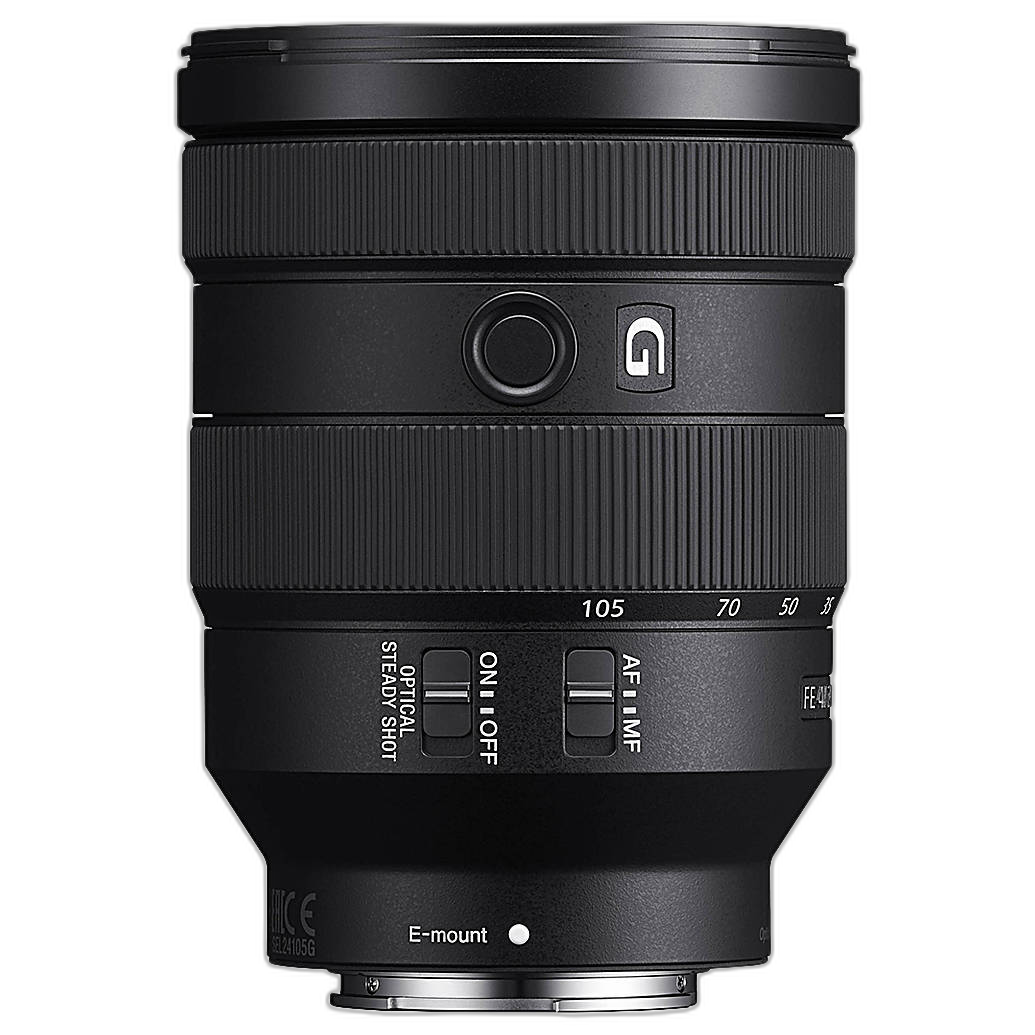
The Sony FE 24-105mm f/4 G OSS is the practical all-rounder. It is the lens you bring when you need coverage from environmental framing to tighter portraits without switching glass. For events, travel, and hybrid shooting, it is extremely compelling. But for photographers chasing that unmistakable portrait aesthetic, a dedicated prime still has the edge in speed and creative discipline.
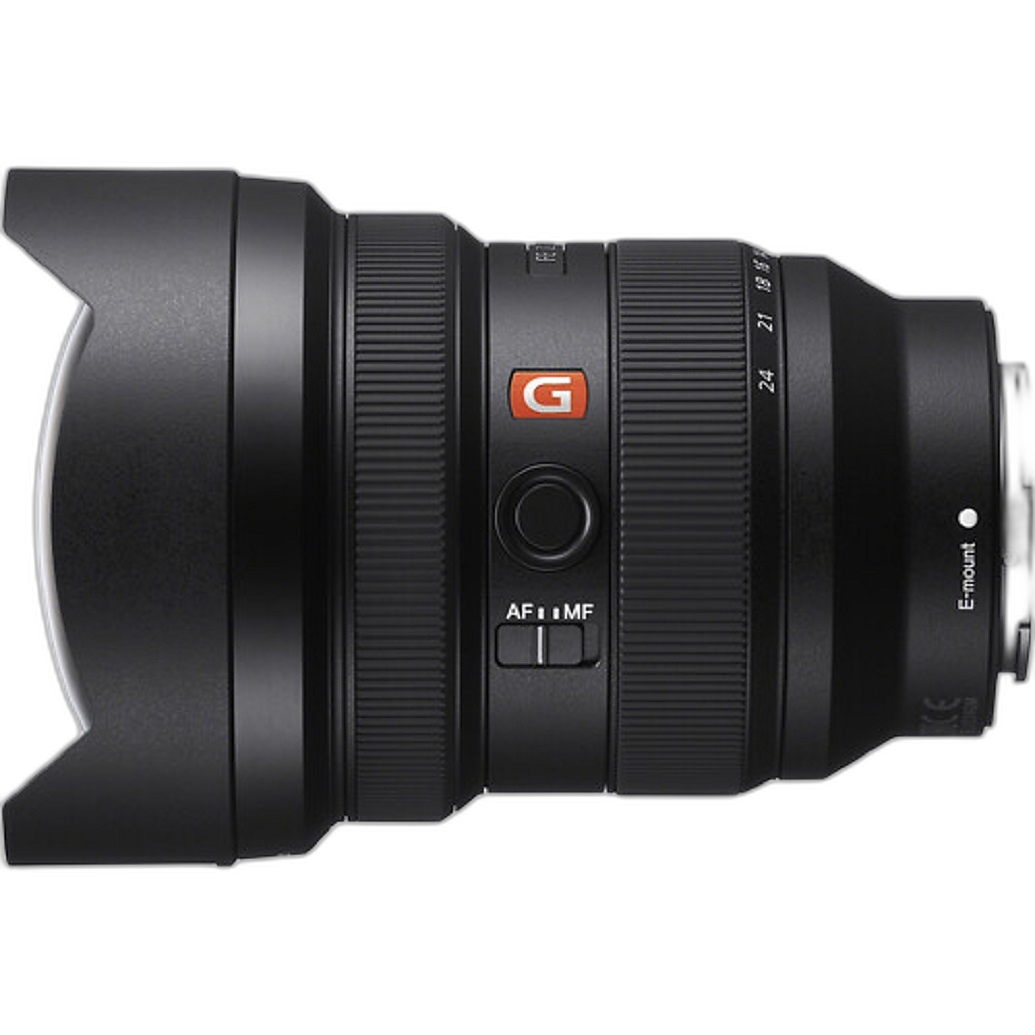
The Sony FE 12-24mm f/2.8 GM, by contrast, is more of a specialty creative choice for portraiture. It excels when you want dramatic perspective, architecture in frame, or stylized editorial energy. It is not the natural starting point for flattering everyday portraiture, but it is a powerful reminder that portrait lenses are chosen as much for storytelling intent as for optical quality.
Verdict
If you are using Sony Lens Compare Beta to decide what really matters in portrait photography, the lesson is clear: a prime lens remains one of the smartest ways to build better portrait habits and achieve a more distinctive look. In this comparison set, the Used Canon FD 50mm f/1.8 Lens - Good stands out as the best representation of the portrait-prime mindset: simple, bright, compact, and creatively focused.
It is not the most modern option, and it is not the most convenient. But it highlights exactly why portrait photographers continue to love prime lenses. You get a flattering standard focal length, better subject separation than a slower zoom, and a more intentional way of working. If your priority is learning portrait composition and developing a consistent visual style, this kind of lens is an excellent place to start.
For shoppers who want maximum flexibility, the Sony FE 24-105mm f/4 G OSS is the stronger generalist. For ultra-creative environmental portrait work, the Sony FE 12-24mm f/2.8 GM offers a very different but exciting direction. But for pure portrait fundamentals, the prime philosophy wins.
If you are ready to explore portrait lenses, compare options, and buy with confidence, Unique Photo is the place to shop for lenses, accessories, and expert guidance.