Introduction: Two Excellent Sony Zooms for Very Different Shooters
When photographers ask for the best Sony zoom, the real answer usually depends on how they shoot. In this comparison, we’re looking at two standout full-frame E-mount options that often come up in recommendation engines, buying guides, and real-world user discussions: the Sony FE 12-24mm f/2.8 GM and the Sony FE 24-105mm f/4 G OSS. Both are premium Sony zoom lenses, but they serve very different purposes. One is an ultra-wide professional tool built for dramatic landscapes, architecture, interiors, and high-end video work. The other is a versatile everyday zoom that many users consider one of the smartest all-around choices in the Sony system.
Beta-style recommendations often favor a lens based on technical extremes: the widest field of view, the brightest aperture, the most exotic optical design. User opinions, on the other hand, tend to reward practicality: range, convenience, stabilization, portability, and value over time. That tension makes this comparison especially useful. If you are deciding between an aspirational ultra-wide zoom and a dependable do-it-all standard zoom, this review breaks down where each lens shines, where each makes compromises, and which photographer should buy which.
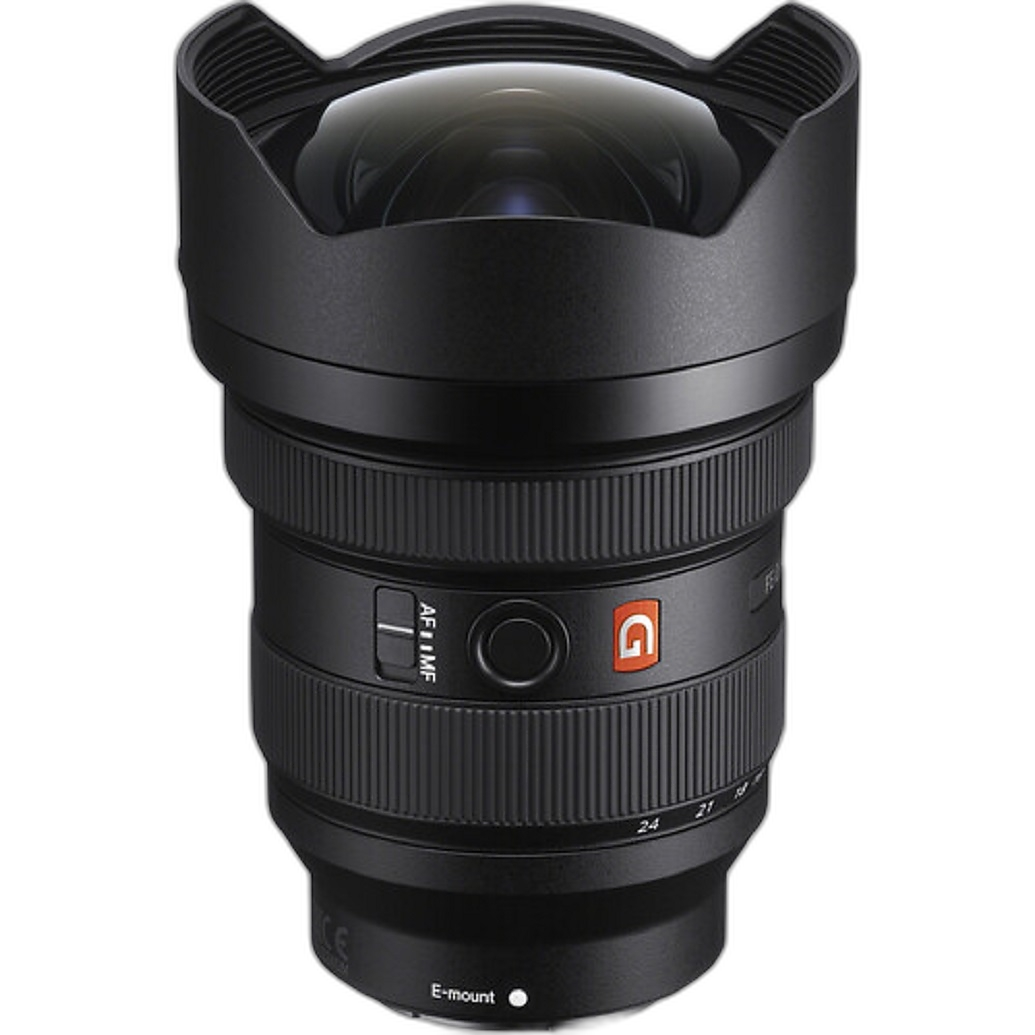
Sony FE 12-24mm f/2.8 GM: The Specialist’s Ultra-Wide Powerhouse
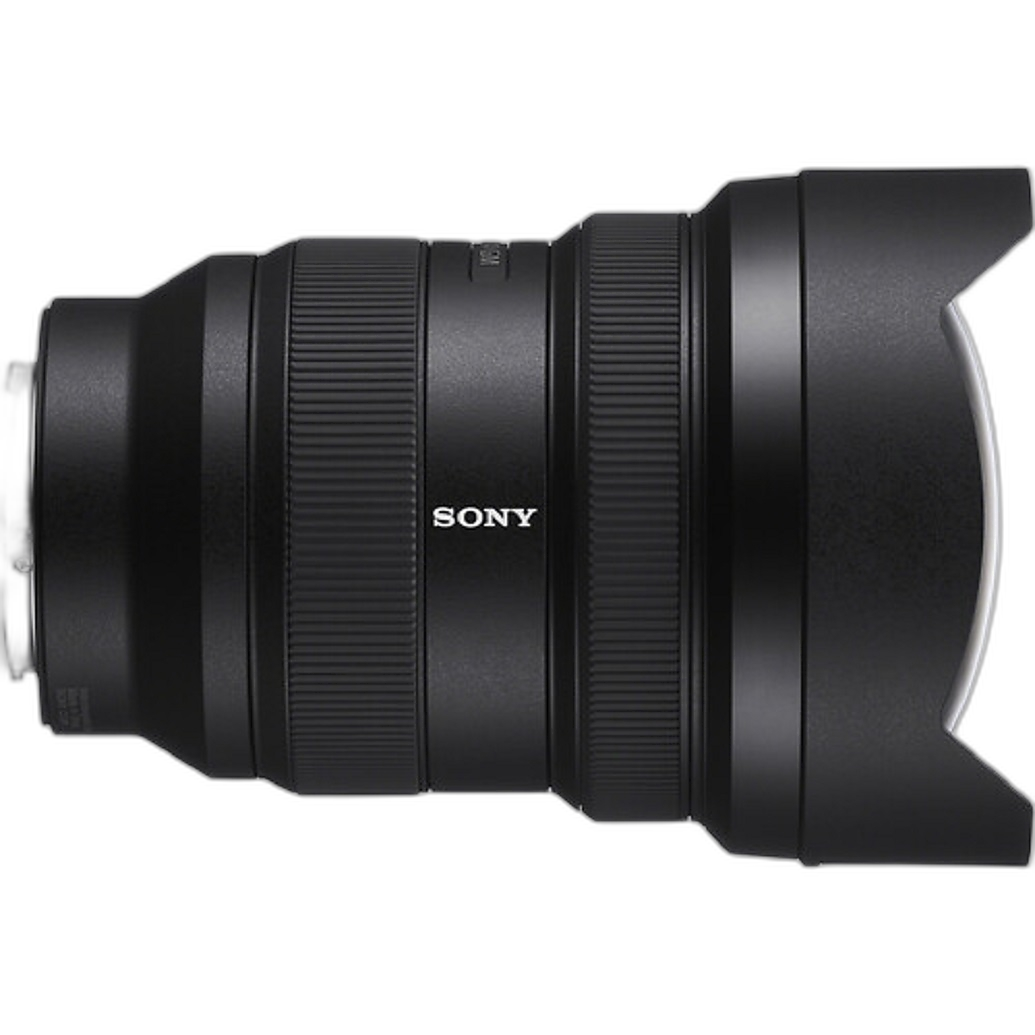
The Sony FE 12-24mm f/2.8 GM sits in Sony’s top-tier G Master lineup, and it behaves like it. This is the lens recommendation systems often push when the brief includes words like best, ultimate, or professional. It offers an extraordinary 12mm ultra-wide perspective on full-frame, plus a fast constant f/2.8 aperture. That combination is rare, ambitious, and undeniably impressive.
Field of View and Creative Impact
The defining feature here is coverage. At 12mm, this lens captures scenes with a scale and sense of immersion that few lenses can match. For architecture, interiors, dramatic landscapes, and gimbal-based video where you want a broad perspective, it is a standout. Users who love this lens often describe it as inspiring because it encourages compositions that simply are not possible with more conventional zooms.
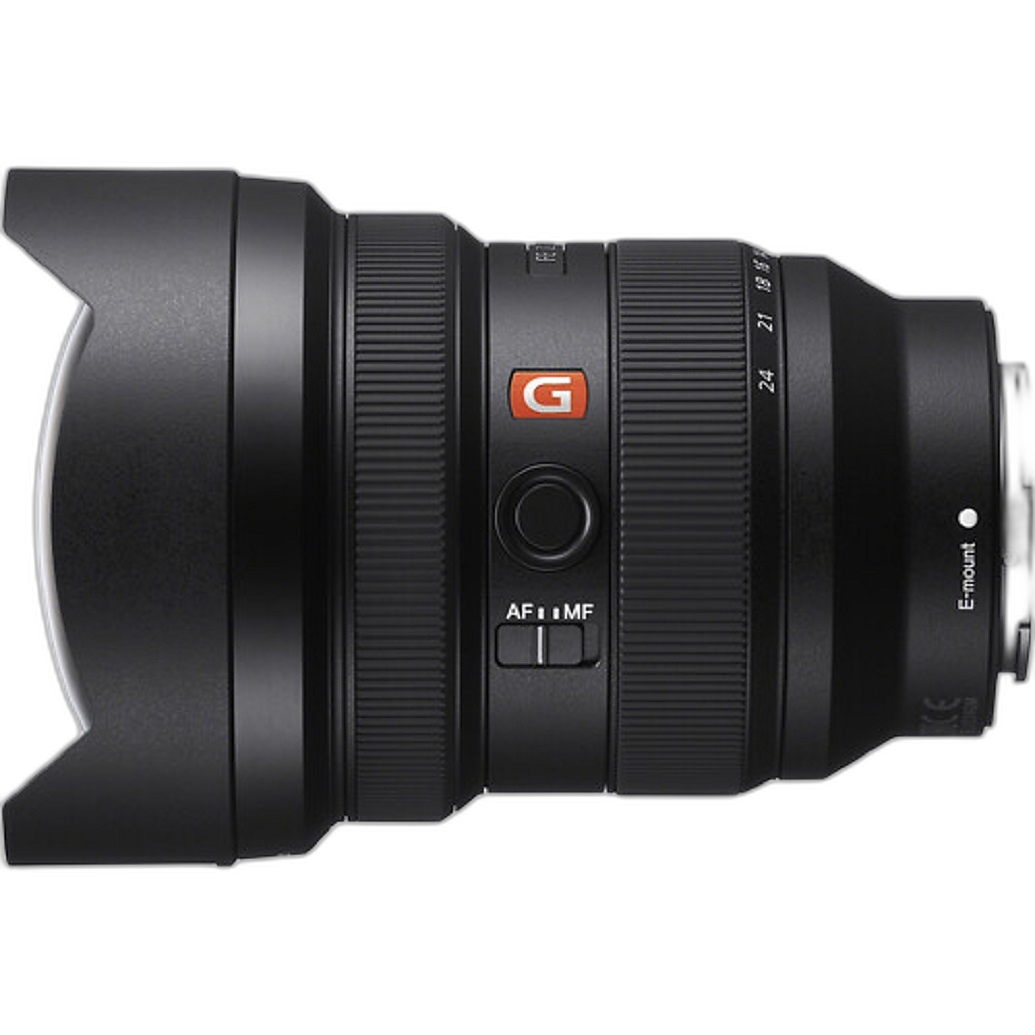
Constant f/2.8 Aperture
The bright f/2.8 aperture helps separate this lens from slower ultra-wide alternatives. It gives low-light shooters more flexibility for astrophotography, event work in tight spaces, and video production. While depth of field remains naturally deep at these focal lengths, the wider aperture still matters for exposure control and cleaner image quality in dim conditions.
Optical Quality and Premium Build
As a G Master lens, the 12-24mm f/2.8 GM is designed for users with high expectations. It is built for strong sharpness, good contrast, and control over flare and aberrations in difficult lighting. User sentiment around this lens is typically centered on image quality and confidence: when the assignment is important and the shot demands maximum width without stepping down to a slower aperture, this lens feels like the premium solution.
Tradeoffs in Daily Use
Where recommendation engines may overvalue this lens is in general-purpose use. Real users are quick to point out that 12-24mm is a specialized range. If you do not regularly shoot ultra-wide, it can become a lens you admire more than use. It also lacks the everyday flexibility of a standard zoom, making it a harder one-lens solution for travel, portraits, or casual walkaround photography.
Sony FE 24-105mm f/4 G OSS: The Practical Favorite
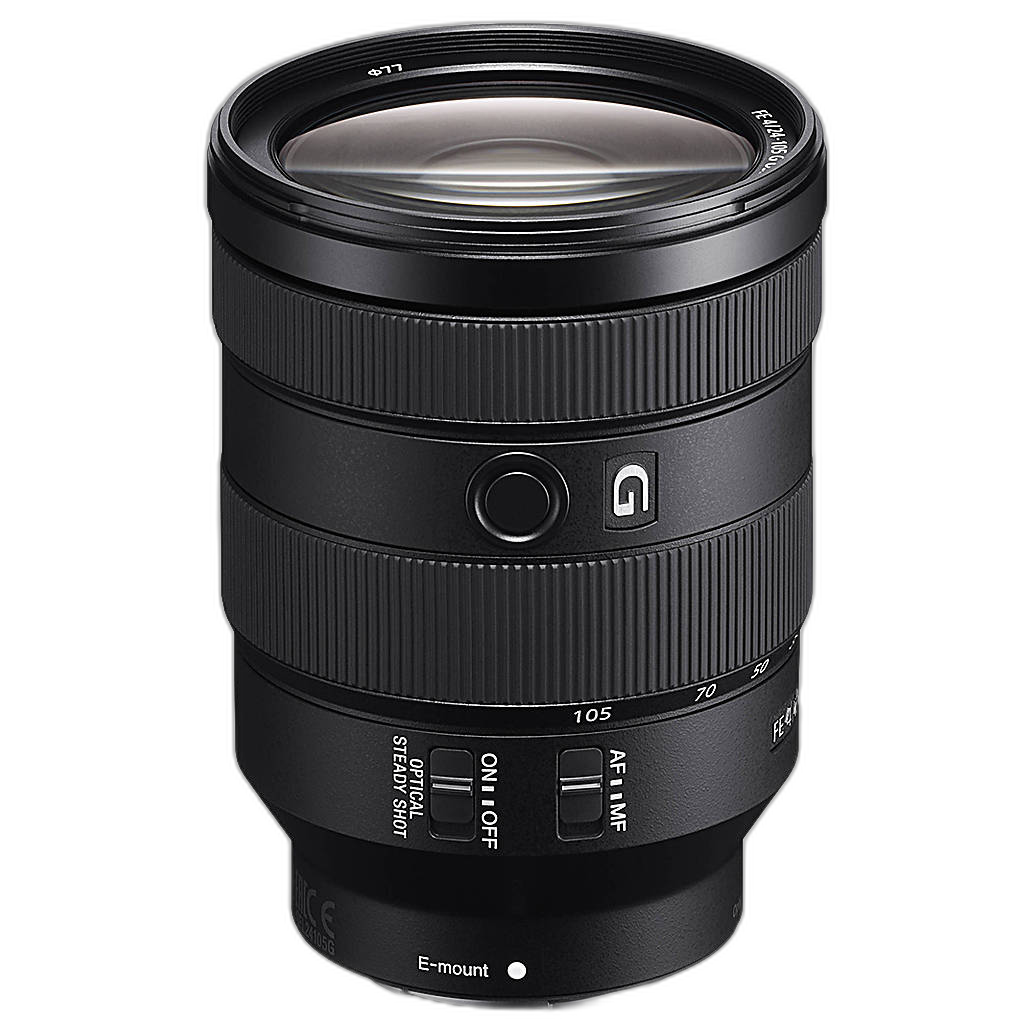
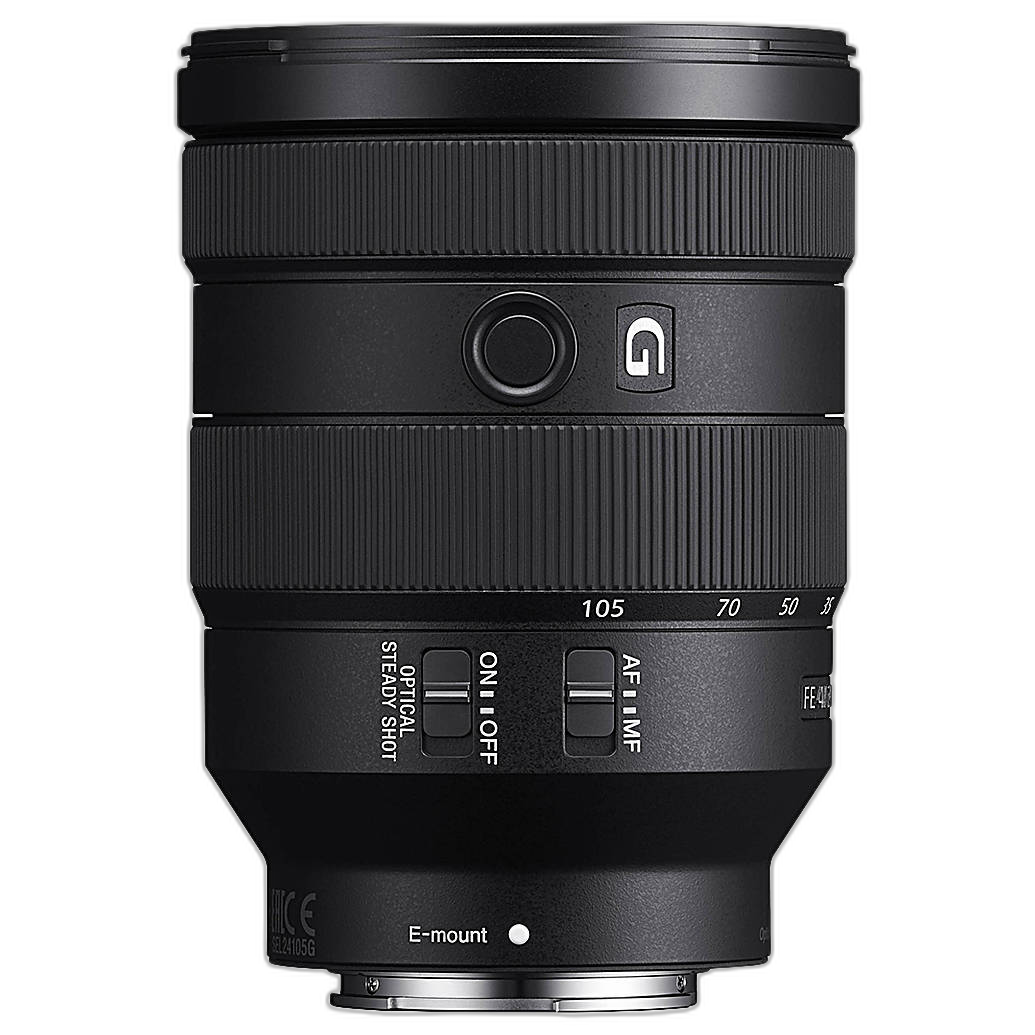
If the 12-24mm is the recommendation engine’s aspirational pick, the Sony FE 24-105mm f/4 G OSS is the people’s choice. This is one of the most sensible and broadly useful zooms in Sony’s full-frame lineup. It covers wide, normal, and short telephoto perspectives in a single lens, making it attractive for travel, documentary work, events, portraits, and day-to-day shooting.
Versatility That Matches Real-World Photography
The biggest reason users consistently praise the 24-105mm f/4 G OSS is simple: it fits real shooting habits. Starting at 24mm gives you enough width for landscapes, street scenes, and environmental portraits, while the 105mm long end reaches into flattering portrait territory and tighter framing for details. For many photographers, this focal range covers the majority of what they shoot in a week.
Constant f/4 and Optical SteadyShot
While it does not have the headline-grabbing f/2.8 aperture of the G Master ultra-wide, the constant f/4 aperture keeps exposure behavior predictable throughout the zoom range. More importantly for many buyers, built-in OSS stabilization adds practical handheld confidence for stills and video. In actual user feedback, this makes the lens feel dependable in situations where convenience matters more than absolute speed.
Travel and Everyday Use
This is the lens that often wins once idealized shopping gives way to actual ownership. Users frequently prefer it because it reduces lens changes, travels well, and supports a broad mix of subjects. It is not the most glamorous Sony zoom, but it is one of the smartest. For photographers who want one high-quality lens to leave on the camera most of the time, it is easy to see why this model remains so popular.
Where It Gives Ground
The limitations are equally clear. It does not go especially wide, especially long, or especially fast. If you specialize in ultra-wide work, the 24mm starting point may feel restrictive. If you shoot in very low light or want the strongest background separation, f/4 can be limiting compared with faster alternatives. Recommendation engines sometimes underrate it because it lacks a dramatic spec, but users routinely rate it highly because it solves more everyday problems.
Beta Recommendations vs User Opinions
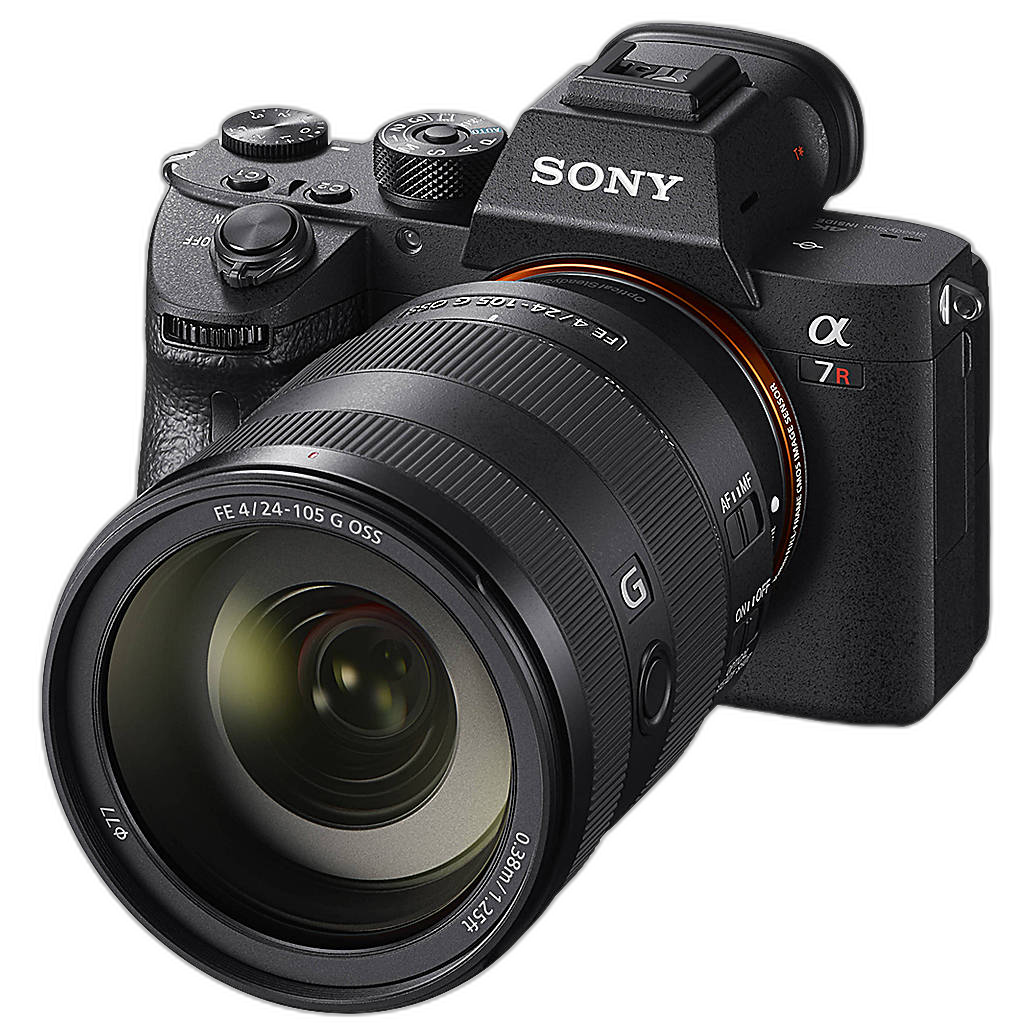
This comparison highlights a familiar pattern in gear shopping. Algorithmic or beta recommendations often lean toward the Sony FE 12-24mm f/2.8 GM because it is more distinctive on paper: wider, faster, and part of the elite G Master line. It is easier to call it the “best” in a vacuum. But user opinion tends to be more grounded. Most photographers do not need 12mm every day, and many get far more value from the broad usability of the Sony FE 24-105mm f/4 G OSS.
In other words, the 12-24mm f/2.8 GM is often the best lens for a narrower set of advanced needs, while the 24-105mm f/4 G OSS is often the better lens for a wider range of actual buyers. Neither perspective is wrong. The key is understanding whether you need a specialist tool or a generalist workhorse.
Pros and Cons
Sony FE 12-24mm f/2.8 GM
- Pros: exceptionally wide 12-24mm range, bright constant f/2.8 aperture, premium G Master positioning, ideal for landscapes, architecture, interiors, and immersive video, highly distinctive creative look.
- Cons: specialized focal range, less useful as an everyday single-lens option, likely overkill for general photography, better for purpose-driven shooters than casual users.
Sony FE 24-105mm f/4 G OSS
- Pros: highly versatile focal range, great all-around travel and everyday lens, constant f/4 aperture, built-in OSS stabilization, strong balance of quality and practicality.
- Cons: less dramatic than ultra-wide or faster lenses, not as strong in very low light as f/2.8 alternatives, 24mm may not be wide enough for dedicated architecture or interior shooters.
Which Sony Zoom Should You Buy?
Choose the Sony FE 12-24mm f/2.8 GM if your work or creative style depends on ultra-wide perspectives and you want one of Sony’s most ambitious wide-angle zooms. It is the right pick for photographers and videographers who regularly shoot landscapes, interiors, architecture, night skies, or high-impact cinematic wide shots.
Choose the Sony FE 24-105mm f/4 G OSS if you want the more practical recommendation. For travel, family photography, portraits, events, documentary shooting, and general day-to-day use, it is the lens more users are likely to keep mounted and appreciate over the long term.
Verdict
For pure prestige and specialization, the Sony FE 12-24mm f/2.8 GM is the more exciting lens. For most photographers, however, the Sony FE 24-105mm f/4 G OSS is the better overall buy because it aligns more closely with how people actually shoot. If you are choosing based on user satisfaction and long-term practicality, the 24-105mm earns the stronger recommendation. If your portfolio demands dramatic wide-angle work, the 12-24mm is absolutely worth it.
Whichever direction fits your photography, Unique Photo is an excellent place to buy both lenses, with a strong selection of Sony gear for full-frame E-mount shooters.