If you are shopping for the best beginner DSLR or mirrorless camera for travel photography in 2024, the good news is that entry-level and enthusiast-friendly cameras are better than ever. For most new travelers, the right camera is not simply the one with the biggest sensor or longest spec sheet. It is the camera you will actually want to carry through airports, city streets, hiking trails, and day trips. At Unique Photo, many first-time buyers are looking for a travel camera that balances image quality, portability, battery life, lens options, and ease of use.
In this guide, we will break down what beginners should prioritize, whether DSLR or mirrorless makes more sense in 2024, and what kinds of camera setups are ideal for travel photography. While specific model availability changes throughout the year, the buying advice below will help you choose confidently.

What is the best beginner camera for travel photography in 2024?
The best beginner travel camera in 2024 is usually a mirrorless camera with a compact kit lens. Mirrorless systems tend to be lighter, easier to pack, and more beginner-friendly when it comes to autofocus, eye detection, live exposure preview, and video performance. For travelers who want a straightforward upgrade from a smartphone, mirrorless is often the easiest transition.
That said, a beginner DSLR can still be a smart choice if you want longer battery life, an optical viewfinder, and strong value on cameras and lenses. DSLRs are especially appealing for budget-conscious buyers who do not mind carrying a little more weight.
In practical terms, the best beginner camera for travel photography should offer:
- Reliable autofocus for people, street scenes, and landmarks
- Good image quality in daylight and low light
- Compact size for all-day carrying
- Interchangeable lenses for flexibility
- Built-in wireless sharing for posting on the go
- Simple controls with room to grow
Unique Photo often recommends that beginners focus less on chasing the newest body and more on choosing a system with lenses and accessories that support the way they travel.
Mirrorless vs DSLR for travel photography: which is better for beginners?
For most travelers in 2024, mirrorless cameras are the better beginner choice. They are lighter, more compact, and often include modern features like subject tracking, silent shooting, in-body stabilization on select models, and stronger video tools.
Choose mirrorless if you want:
- A smaller camera bag
- Better autofocus for moving subjects
- Live preview of exposure and white balance
- Great hybrid photo/video performance
- A modern system with expanding lens support
Choose DSLR if you want:
- Better battery life
- Lower used-market pricing
- An optical viewfinder
- A classic handling experience
- Access to a large library of DSLR lenses
For travel specifically, weight matters. After a full day walking through museums, markets, beaches, or mountain viewpoints, even a small difference in camera size can become important. That is why mirrorless cameras dominate most beginner travel recommendations today.
What features matter most in a beginner travel camera?
When comparing beginner DSLR and mirrorless cameras, prioritize real-world travel features instead of advanced pro specs you may not need yet.
1. Size and weight
A compact camera body with a lightweight lens is easier to bring everywhere. A camera left in the hotel is not helping your travel photography.
2. Lens ecosystem
Travel photography can include landscapes, street scenes, portraits, architecture, food, wildlife, and casual video. A strong lens lineup matters just as much as the body itself.
3. Autofocus performance
Fast, accurate autofocus is useful for candid moments, travel companions, busy urban environments, and changing light. Modern mirrorless autofocus systems are often especially helpful for beginners.
4. Battery life
If you travel long days without easy charging access, battery performance matters. DSLRs still have an edge here, though many mirrorless cameras now perform well with a spare battery.
5. Image stabilization
Stabilization can help when shooting handheld in low light or while walking around unfamiliar places. Some lenses include optical stabilization, and some mirrorless bodies include in-body image stabilization.
6. Weather resistance
Not every beginner camera is weather sealed, but if you travel often in changing outdoor conditions, it is worth considering.
7. Easy sharing
Wi-Fi and Bluetooth make it easier to transfer photos to your phone for quick editing and posting while traveling.
Best types of beginner mirrorless cameras for travel photography
Rather than focusing only on one model, it helps to think in categories. Here are the most practical mirrorless options for new travel photographers in 2024.
APS-C mirrorless cameras
APS-C mirrorless cameras are often the sweet spot for beginners. They deliver excellent image quality, better low-light performance than a smartphone, interchangeable lenses, and relatively compact bodies. For many travelers, an APS-C mirrorless camera with a standard zoom is the best all-around starting point.
Why APS-C works so well for travel:
- Strong balance of quality and portability
- Affordable compared to full-frame
- Great lens choices in compact sizes
- Excellent for landscapes, street, portraits, and casual video
Micro Four Thirds mirrorless cameras
If your top priority is portability, Micro Four Thirds cameras remain very attractive. Bodies and lenses are often especially small and travel-friendly. They are ideal for travelers who want interchangeable lenses without carrying much weight.
Full-frame mirrorless cameras
Full-frame can be excellent for travel, especially for low light and dynamic range, but it is not always the best first step for beginners. Full-frame bodies and lenses are usually larger and more expensive. If you are just starting out, APS-C often offers the better value.

Are beginner DSLRs still worth buying for travel in 2024?
Yes, beginner DSLRs are still worth buying if your budget is limited or if you prefer a traditional photography experience. A DSLR can be a very good travel camera for beginners who want strong still-image performance and long battery life.
Entry-level DSLR systems also benefit from years of lens development. You can often build a travel kit at a lower overall cost, especially if you are open to previous-generation gear.
Still, there are tradeoffs. DSLRs tend to be bulkier, autofocus in live view is usually less advanced than mirrorless, and many brands are now putting more development into mirrorless systems. For travelers who want the most modern experience, mirrorless remains the stronger long-term recommendation.
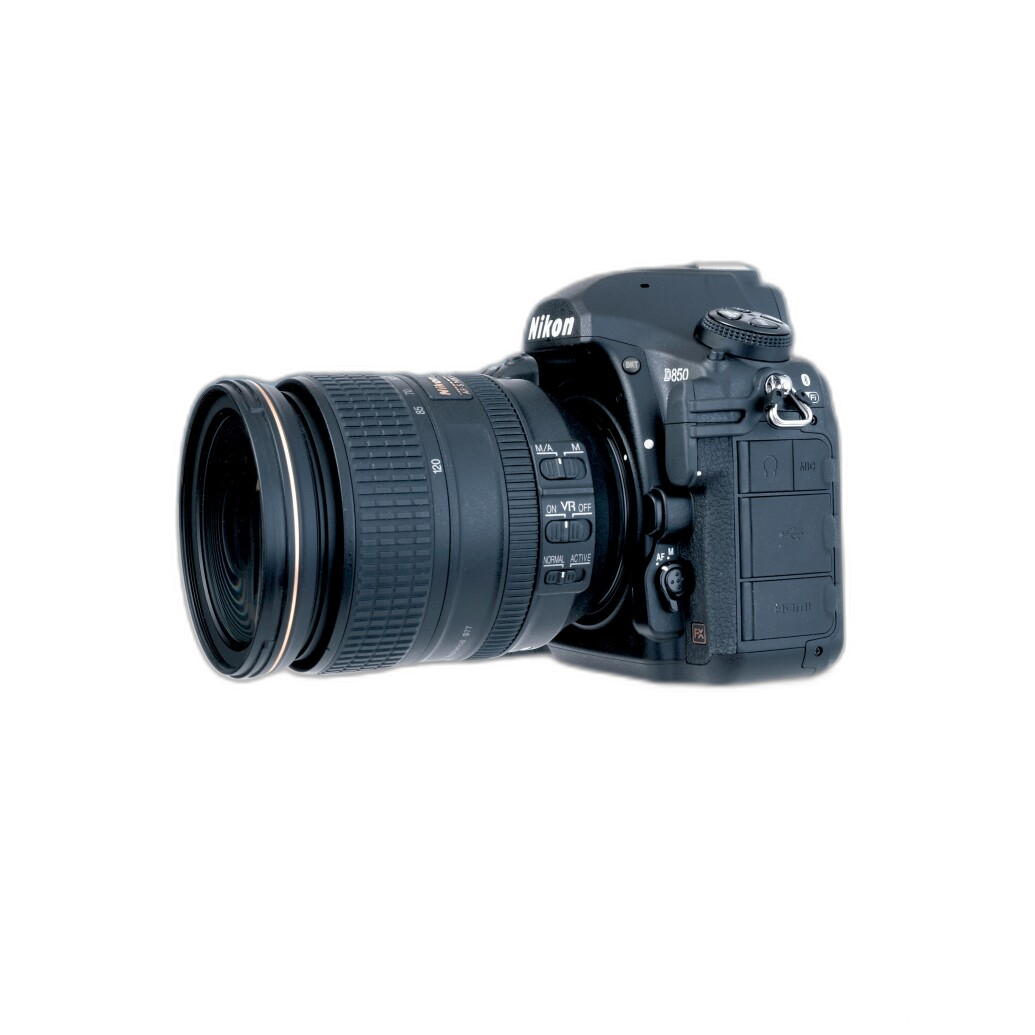
If you want to understand DSLR handling and workflow more deeply, educational resources can help. Unique Photo also carries books such as the Nikon D850 Guide to Digital SLR Photography by David Busch, which can be useful for photographers learning classic DSLR concepts and controls.
Best lenses for beginner travel photography
Your lens choice can have an even bigger impact than your camera body. For most beginners, the best travel lens is a compact standard zoom. This usually covers wide-angle to short telephoto, making it suitable for city scenes, landscapes, street photos, food, and portraits.
Best lens types for travel beginners:
- Kit zoom lens: The easiest and most versatile starting point
- Wide-angle zoom: Great for landscapes, architecture, and interiors
- Compact prime lens: Ideal for low light, portraits, and lighter travel setups
- Travel zoom: Convenient when you want one lens for many subjects
A smart beginner strategy is to start with the kit lens and add one lightweight prime later. This keeps your travel bag simple while helping you learn what focal lengths you use most often.
How much should beginners spend on a travel camera?
For most new photographers, the best value range is the entry-level to midrange mirrorless category with a kit lens. Spending too little may limit autofocus, low-light performance, and lens options. Spending too much can lead to buying features you do not need yet.
A practical beginner budget usually includes:
- Camera body
- Kit lens
- One spare battery
- Memory card
- Protective bag
- Optional lightweight tripod
At Unique Photo, many first-time travelers find that a balanced starter kit is better than putting the entire budget into the camera body alone.
What makes a camera good for travel landscapes, cities, and portraits?
Travel photography often mixes several genres, so beginners should choose a camera that is flexible.
For landscapes
Look for good dynamic range, a wide-angle lens option, and enough resolution for cropping and printing. Stability also matters if you like sunrise, sunset, or handheld low-light scenes.
For cities and street photography
A smaller, discreet camera helps you blend in and carry comfortably. Fast autofocus and a responsive shutter are useful for capturing spontaneous moments.
For portraits and travel companions
Face and eye detection can make a huge difference. A standard zoom or compact prime lens is usually enough to create flattering portraits during your trip.
Is a kit lens enough for beginner travel photography?
Yes, for many beginners, a kit lens is absolutely enough to start. Modern kit lenses are often sharper and more versatile than many new photographers expect. They are especially useful for learning composition, focal lengths, and exposure without carrying extra gear.
If you later notice that you want stronger background blur, better low-light performance, or more reach, then you can add a prime or telephoto lens. But for most travel beginners, the kit lens is the right place to begin.
Travel photography tips for beginners using DSLR or mirrorless cameras
Once you choose your camera, a few habits will help you get better results faster:
- Travel light so you are more likely to shoot often
- Use aperture priority mode to learn depth of field
- Keep one extra battery and memory card with you
- Shoot during early morning or late afternoon when light is softer
- Back up images regularly while traveling
- Practice quick settings changes before your trip
- Focus on storytelling, not just landmarks
Education can also make a big difference. Unique Photo offers workshops and classes that help photographers build confidence in real shooting situations. Travel-minded creatives may enjoy experiences like EXPO: Stories from the Road - Photography Across Worlds w. Matthew Borowick, while nature and landscape learners may appreciate classes such as Macro and Landscape Photography at Duke Farms with Michael Downey.
Should beginners learn editing for travel photography?
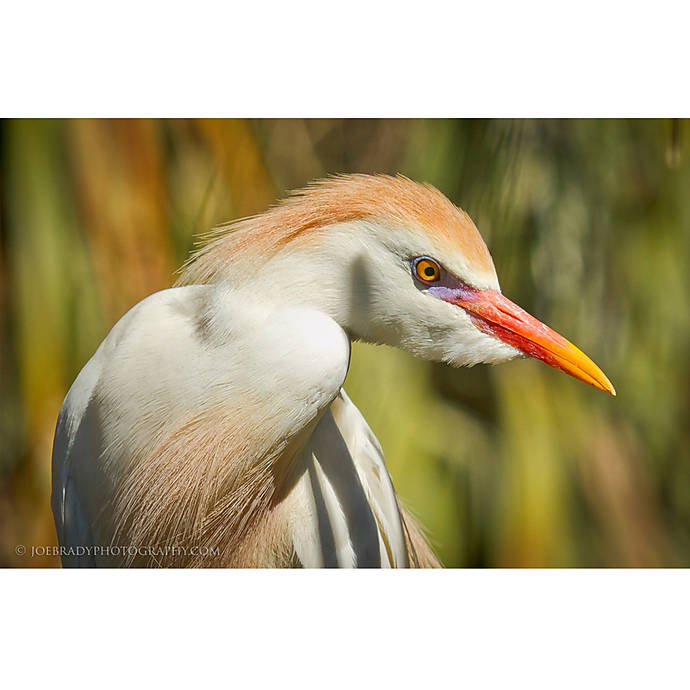
Absolutely. Editing is an important part of modern travel photography, even for beginners. Small adjustments to exposure, contrast, color, cropping, and white balance can make your photos look much closer to what you saw in person.
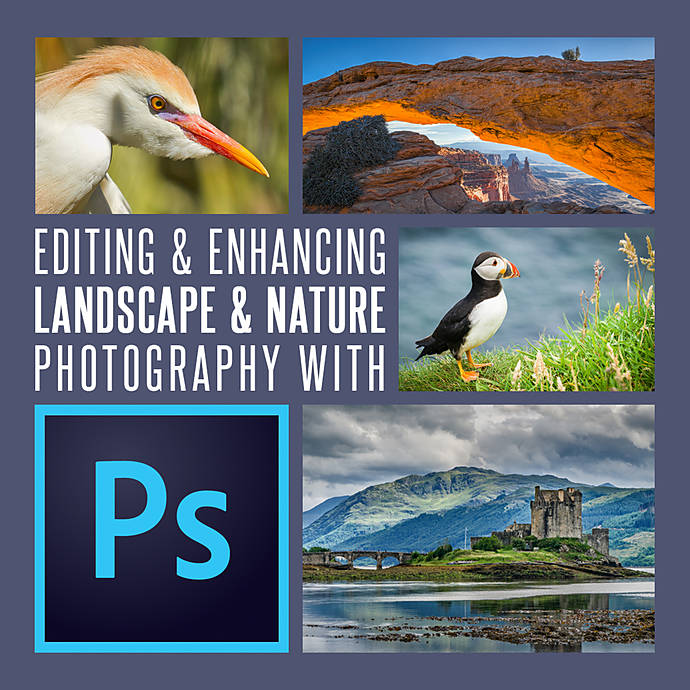
If you are new to editing, start simple. Learn how to straighten horizons, recover highlights, lift shadows carefully, and apply subtle color correction. Unique Photo offers educational opportunities such as Editing and Enhancing Landscape and Nature Photography with Photoshop for those who want to improve their post-processing skills.
Final thoughts: how to choose the best beginner DSLR or mirrorless camera for travel photography in 2024
If you want the shortest answer, here it is: most beginners should choose an APS-C mirrorless camera with a compact kit lens. It is the best balance of image quality, size, autofocus performance, and long-term flexibility for travel photography in 2024.
A beginner DSLR still makes sense if budget and battery life are your top priorities, but mirrorless is generally the more travel-friendly path. The right camera is the one that fits your trip style, your comfort level, and your willingness to carry it every day.
Unique Photo is a great place to explore beginner-friendly cameras, lenses, classes, and photography learning resources as you build your travel kit. For helpful internal linking opportunities, consider directing readers to your mirrorless camera category pages, DSLR camera collections, travel lens roundups, camera bags, memory cards, batteries, tripods, and Unique University workshops for beginners.