Portrait Photography FAQ: Posing, Lenses, Light, and Creative Growth
Portrait photography raises some of the most common questions we hear at Unique Photo: which lens is most flattering, how should you light a face, and what makes a portrait feel intentional rather than accidental? Whether you are photographing family members, clients, or creative personal work, a strong portrait comes from understanding light, lens choice, communication, and posing together.
Below, we answer some of the most important portrait photography questions and highlight educational opportunities from Unique Photo that can help you build confidence behind the camera.
What focal length is best for flattering portraits?
For many photographers, the most flattering portrait focal lengths fall in the short telephoto range. Lenses around 85mm to 135mm on full-frame cameras are popular because they create a natural-looking perspective, avoid the exaggerated facial features that wider lenses can introduce, and provide pleasing background separation. A 50mm lens can also work beautifully for environmental portraits, while a 35mm lens is often better when you want to include more of the subject's surroundings.
The key is matching the lens to the intent of the image. A tighter headshot often benefits from a longer focal length, while a lifestyle portrait may call for something wider so the setting becomes part of the story. If you want to deepen your understanding of how lenses affect the face, perspective, and overall portrait impact, educational sessions focused on facial shaping and lens selection can be incredibly helpful.
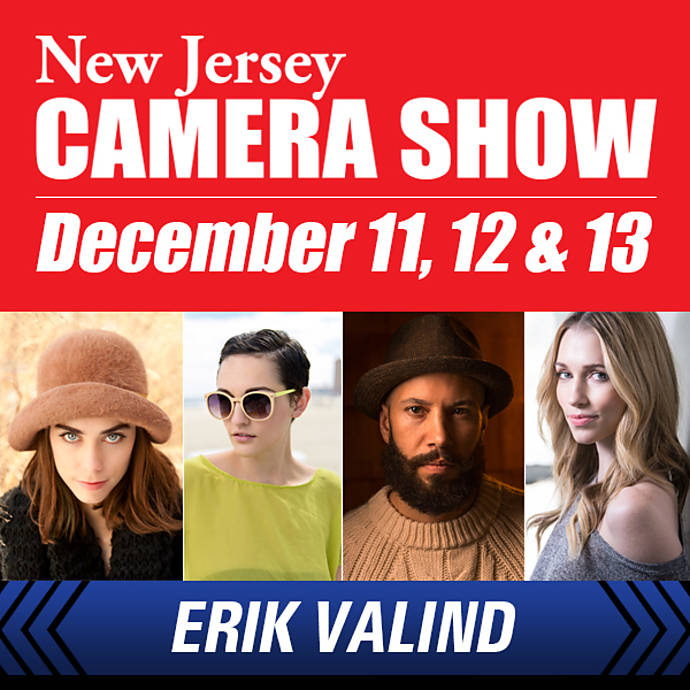
Unique Photo regularly offers classes that explore these exact topics, such as NJCS: Shaping the Face with Lenses and Light with Erik Valind (Tamron).
How should I light a face for a more professional portrait?
Professional-looking portrait light usually starts with direction and control. A single soft light placed slightly above eye level and angled across the face is often enough to create shape, dimension, and catchlights in the eyes. From there, you can adjust contrast with a reflector or fill light. Broad lighting can make one side of the face appear fuller, while short lighting often adds slimming definition and mood.
Softboxes, umbrellas, reflectors, and even window light can all produce excellent results when used intentionally. The goal is not just brightness, but sculpting the subject's features in a way that supports the mood of the portrait. Learning how to light, capture, and finish an image as a complete workflow can dramatically improve consistency.
For photographers who want hands-on guidance, NJCS: Light it, Shoot it, Print it... with Bob Davis (Canon) is a great example of the kind of education Unique Photo offers to help photographers understand the full portrait process.

Why do some portraits feel awkward even when the lighting is good?
Lighting matters, but expression, pose, and subject comfort are just as important. A portrait can be technically well lit and still feel stiff if the subject's hands, shoulders, chin angle, or posture are not working together. The best portraits usually come from subtle direction: relaxing shoulders, shifting weight, separating arms from the body, and guiding the chin to create a more defined jawline.
Equally important is the photographer's ability to communicate. People photograph better when they feel seen and understood rather than over-corrected. Small, purposeful adjustments create a more natural result than trying to force a dramatic pose all at once.
At Unique Photo, we often recommend studying posing as its own skill. Workshops like EXPO: Flattering and Purposeful Posing with Jerry Ghionis (Nikon) can help photographers learn how to guide subjects with confidence.

How can I make my portraits feel more emotional and less generic?
Emotional portraits come from more than camera settings. They are built through trust, observation, and intent. Before you ever press the shutter, consider what you want the viewer to feel. Is the portrait meant to be confident, vulnerable, dramatic, warm, or playful? That answer influences your lighting ratio, lens choice, background, pose, and even how much eye contact you ask from the subject.
Psychology plays a major role in portraiture. The subject's body language, gaze, and relationship to the frame all change how the image is perceived. Even slight differences in camera height or subject positioning can shift the emotional tone of a portrait from approachable to powerful.
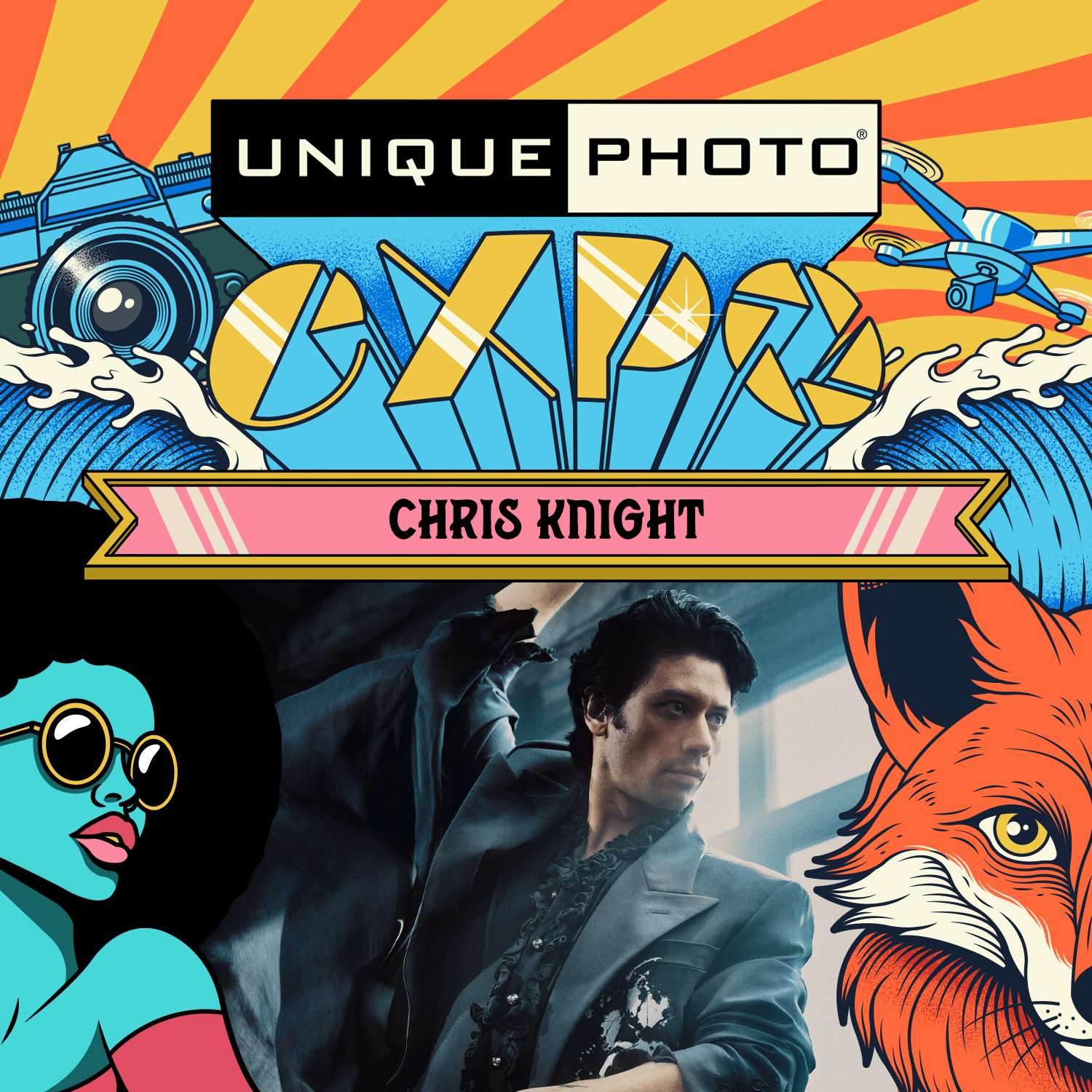
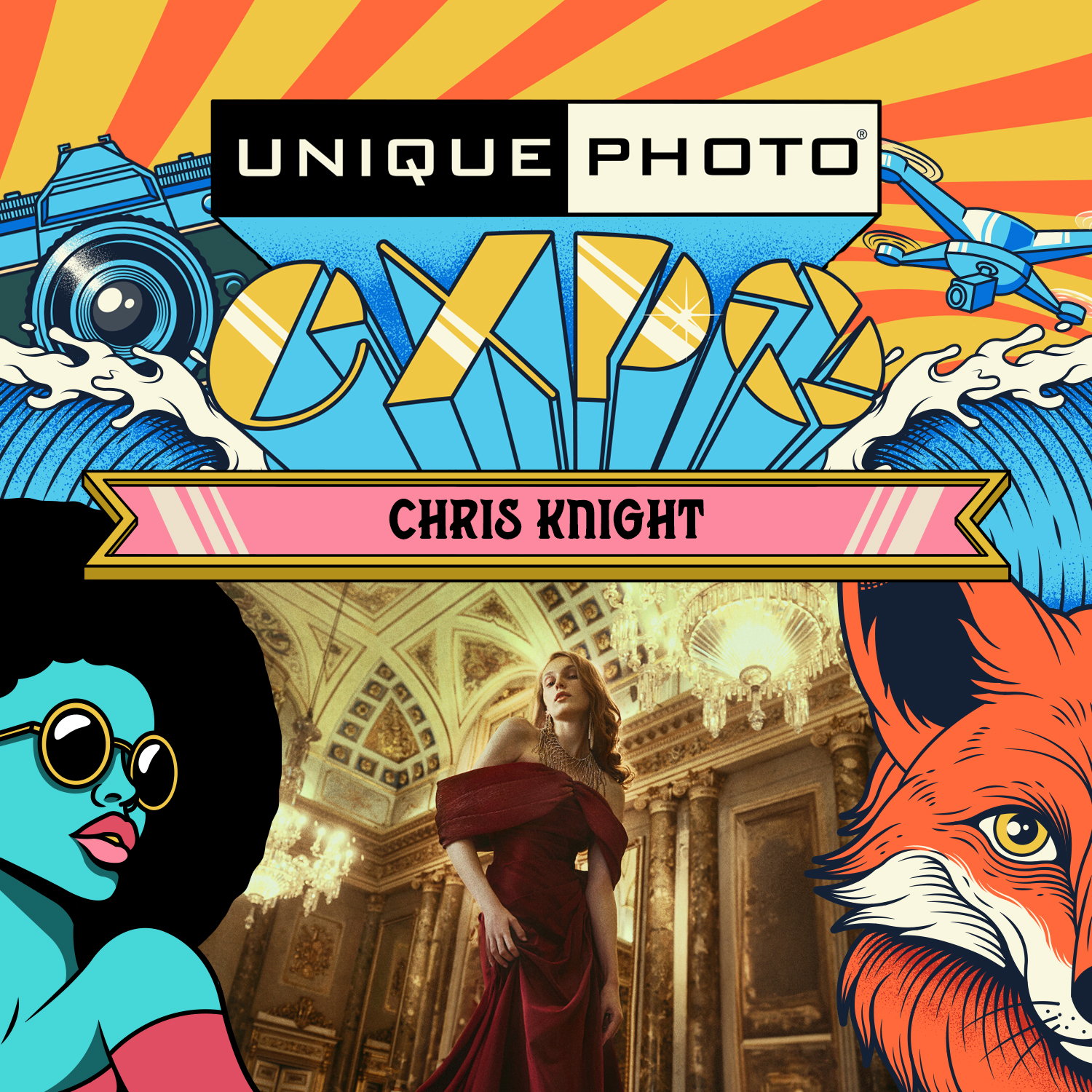
Photographers looking to grow in this area may benefit from specialized portrait education such as EXPO: The Psychology of the Portrait - Part 1 with Chris Knight (Fujifilm) and EXPO: The Psychology of the Portrait - Part 2 with Chris Knight (Fujifilm), both of which reflect the kind of thoughtful learning opportunities available through Unique Photo.
Can I create strong portraits without heavy editing?
Absolutely. Strong portraits begin in-camera. Good light, thoughtful composition, and deliberate posing reduce the need for extensive retouching later. While post-production can refine skin, color, and contrast, it cannot fully replace a portrait that was poorly directed or badly lit at capture.
Focusing on in-camera decision-making also helps develop a more consistent style. When you know how you want your final image to look, you make better choices about wardrobe, background, white balance, exposure, and expression before you ever open editing software.
If this approach appeals to you, PCS: In-Camera Artistry with Jerry Ghionis (Nikon) is a strong example of the education photographers seek when they want cleaner, more intentional portraits straight out of camera.
What if I want my portraits to tell a bigger story?
Story-driven portraits often combine technical portrait skills with a sense of place, timing, and narrative. That might mean using environmental details, layering motion into the frame, photographing during a meaningful time of day, or incorporating props and styling that support the concept. Not every portrait needs to be a close-up; sometimes stepping back and letting the environment speak gives the image more depth.
Creative portraiture also benefits from broad inspiration beyond classic headshots. Studying visual storytelling, sequencing, and personal project development can help you create portraits that feel cinematic or documentary in tone.
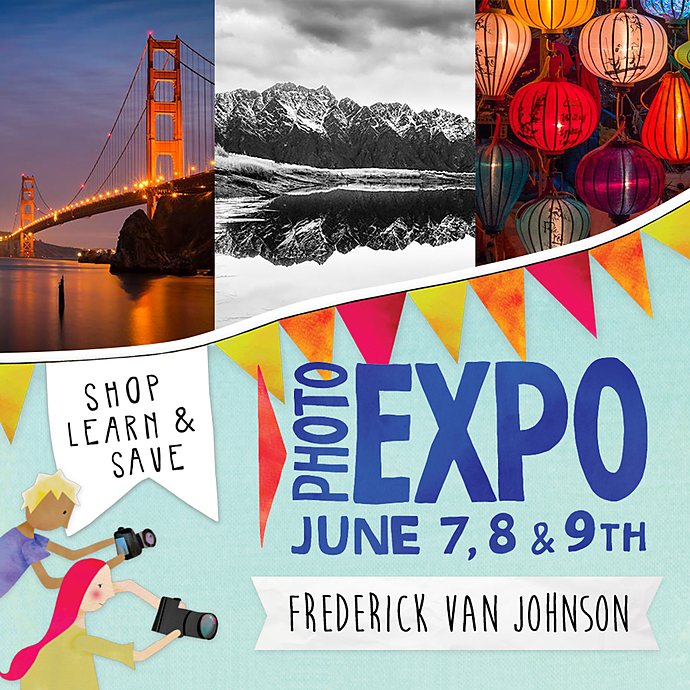
At Unique Photo, event-based learning can be a great way to expand creatively. For example, EXPO: Time Travel with Frederick Van Johnson (Panasonic) represents the kind of imaginative educational programming that can spark fresh approaches to visual storytelling.
Is film a good way to improve my portrait photography skills?
Film can be an excellent training tool for portrait photographers. Because it slows the process down, it encourages more careful attention to exposure, metering, composition, and subject direction. Many photographers find that working with film helps them become more intentional, which carries over into digital portrait sessions as well.
Film also has its own aesthetic appeal, including distinctive grain structure, highlight roll-off, and color response. Whether you are interested in 35mm portraits, medium format work, or simply learning foundational shooting discipline, film remains a valuable creative option.
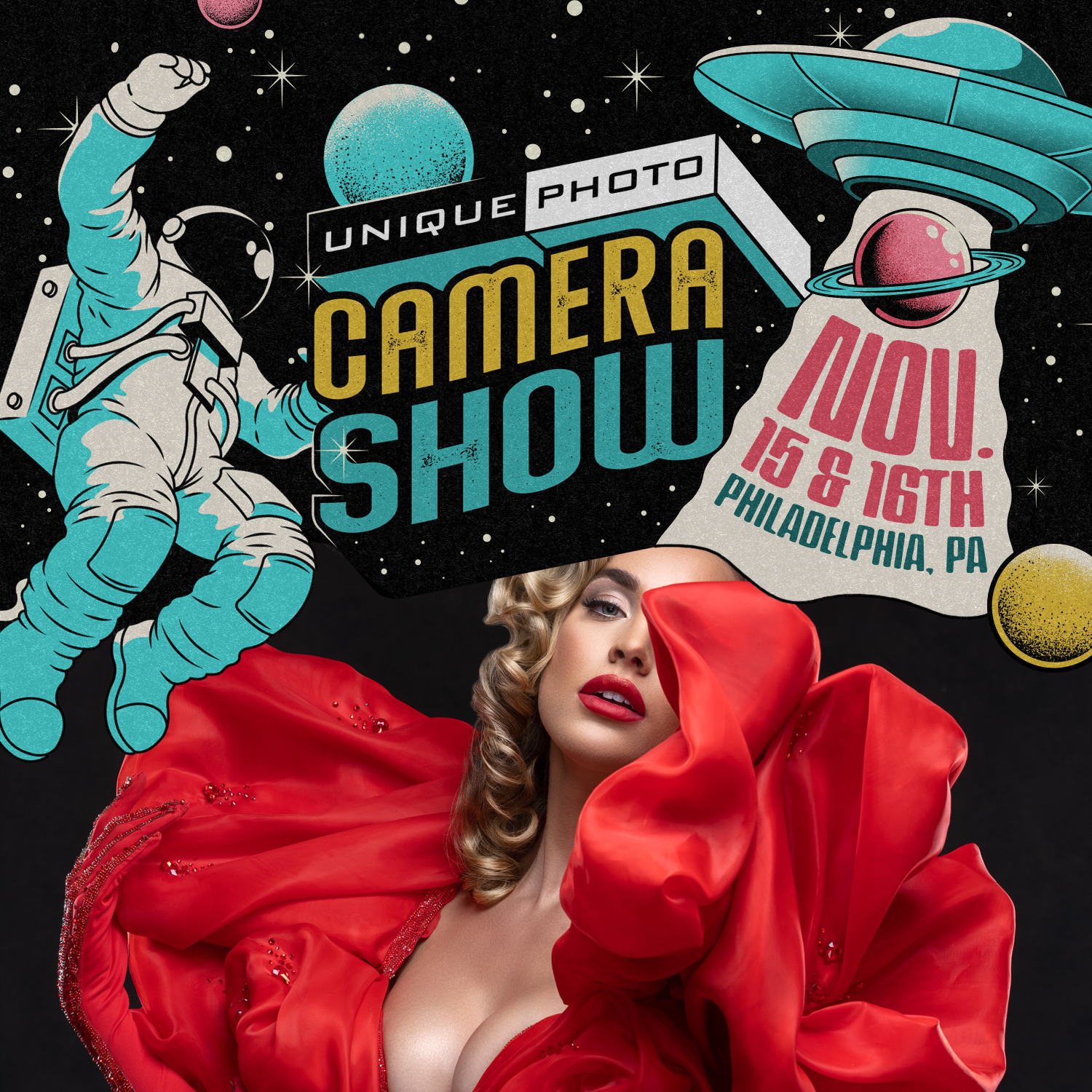
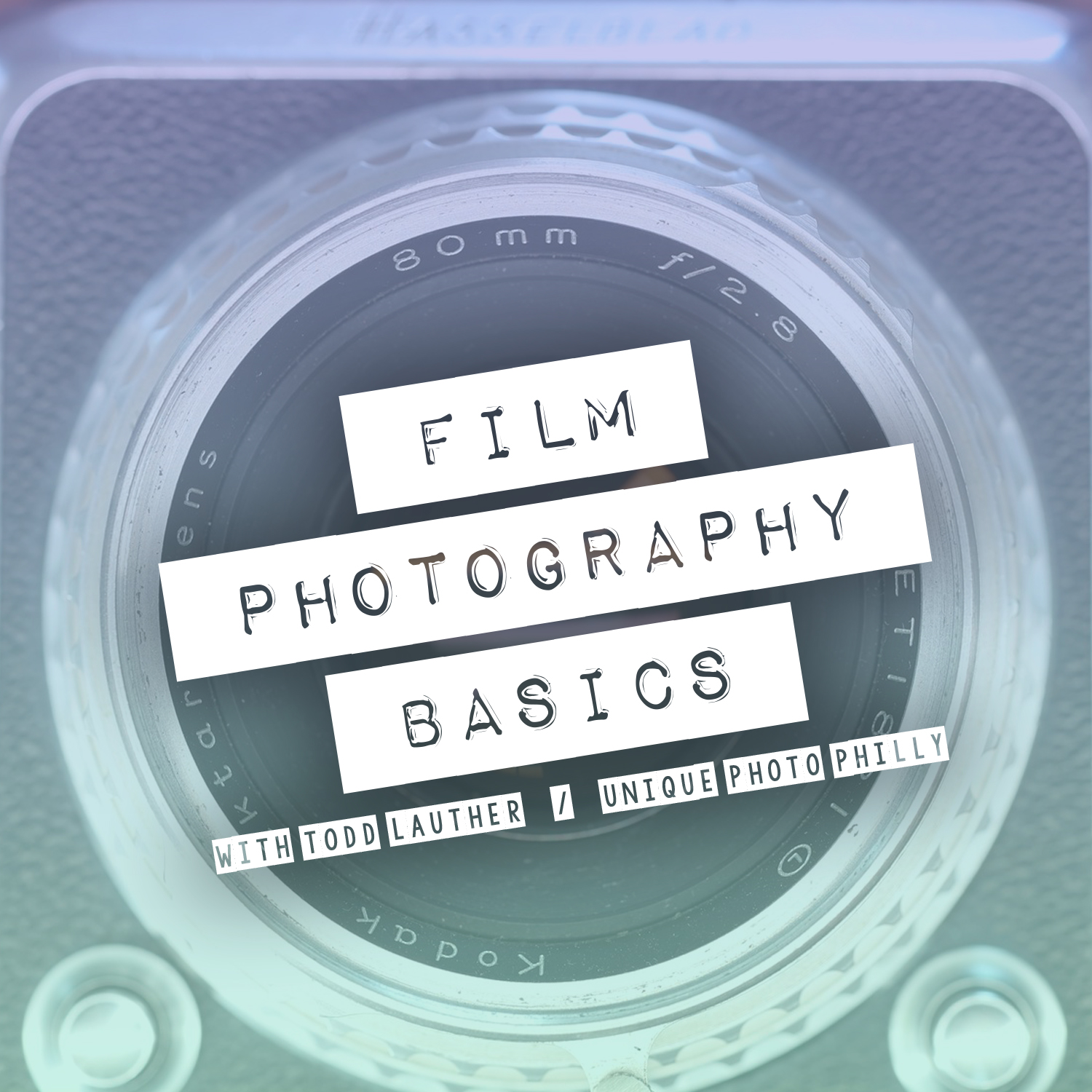
If you are curious about starting with analog techniques, Film Photography Basics with Todd Lauther (Philly) is a great example of the kind of educational experience Unique Photo offers for photographers exploring classic image-making methods.
How do I keep improving as a portrait photographer?
Consistent improvement comes from a mix of practice, review, and education. Photograph a variety of faces. Try different lighting patterns. Compare results across focal lengths. Study what changes when you alter camera height, subject angle, or background distance. Most importantly, review your work critically and identify whether the problem is technical, emotional, or compositional.
Workshops and live educational events can speed up that progress because they let you see how experienced photographers solve real-world portrait challenges. Learning from professionals in person often reveals small techniques that are easy to miss when learning alone, from directing hands to using light modifiers more effectively.
Unique Photo offers a wide range of classes, expos, and portrait-focused educational events designed to help photographers at every level. If you are ready to strengthen your portraits, explore our upcoming workshops and hands-on learning opportunities to build your technique with confidence.