Photography Contest FAQ: How to Find Legit Competitions and Avoid Scams
Photography contests can be a great way to gain exposure, build confidence, and even win valuable prizes—but not every competition is worth your time or entry fee. At Unique Photo, we recommend approaching contests strategically: look for credibility, read the rules carefully, and submit work that reflects both your technical skills and your creative voice.
Below, we answer some of the most common questions photographers ask when evaluating contests, preparing entries, and choosing gear that can help them create stronger submissions.
How can I tell if a photography contest is legitimate?
A credible contest usually has transparent rules, clearly listed judges, specific deadlines, and detailed information about prizes, usage rights, and eligibility. If a contest is vague about who is running it, promises exposure without naming actual partners or publications, or asks for high fees without explaining where the money goes, that is a signal to look closer. We also recommend reviewing whether the organizer has a professional website, a track record of previous winners, and terms that do not claim excessive rights to your images.
Legitimate contests often align with a respected publication, nonprofit, gallery, manufacturer, or educational organization. Before entering, confirm whether your copyright remains yours and whether the organizer is requesting only limited promotional use related to the competition. If the rules suggest the host can use your images forever, in any context, without compensation, that is often not a good trade for serious photographers.
What are the biggest red flags that suggest a contest may be a scam?
Watch for contests that guarantee you are a finalist before judging is complete, pressure you to buy a book or certificate, or make winning seem tied to additional purchases. Another warning sign is unclear judging criteria. If there is no information about how images will be evaluated, who will review them, or when winners will be announced, proceed cautiously.
We also advise photographers to be wary of contests with broad rights grabs. Some low-quality competitions are less interested in celebrating photography than in collecting images they can use for marketing. Always read the fine print. A strong contest should be exciting because of its reputation, audience, and opportunity—not because it relies on urgency or vague promises.
Are paid-entry photography contests worth it?
They can be, but only when the contest offers genuine value. An entry fee may be reasonable if it supports reputable judging, exhibition opportunities, meaningful prizes, or charitable fundraising. The key is to evaluate what you are receiving in return. A contest tied to a respected institution, magazine, festival, or gallery may justify a fee if the exposure and networking potential are real.
Before paying, ask yourself a few practical questions: Does the contest serve your niche? Will the winners be seen by editors, brands, curators, or other photographers you want to reach? Are the prizes useful to your work? If the answer is yes, a paid contest can be a smart investment in your visibility. If the contest feels generic or offers little beyond a badge graphic and email marketing, your budget may be better spent elsewhere.
What kinds of contests are best for building exposure?
The best contests for exposure are usually niche-specific or attached to organizations with an engaged audience. Wildlife, portrait, street, documentary, wedding, and fine art competitions can all be valuable when the host has credibility in that area. A smaller contest with a highly relevant audience can sometimes do more for your career than a massive general-interest competition.
Exposure is most useful when it reaches the right people. For example, a portrait photographer may benefit from entering competitions judged by editors, gallery curators, or commercial art buyers, while a nature photographer may want contests connected to conservation organizations or outdoor publications. Focus less on the size of the prize list and more on whether the contest puts your work in front of the audience you want to attract.
How should I choose images for a contest submission?
Start by matching your images to the contest theme and judging criteria. A technically strong image is important, but relevance matters just as much. If the category emphasizes storytelling, impact, or originality, choose work that communicates clearly and leaves a lasting impression. Avoid submitting your personal favorite if it does not fit the competition's purpose.
Editing consistency also matters, especially when submitting a series. Judges respond well to cohesive work that feels intentional rather than a group of unrelated images. Make sure your files are properly cropped, color-managed, and exported to the contest's specifications. If you are entering portrait, documentary, or low-light categories, a fast prime can help you create polished, high-impact images with strong subject separation. A lens like the Sigma 50mm f/1.4 DG HSM Art is a strong choice for photographers who want sharp detail and attractive background blur in portraits and editorial-style entries.
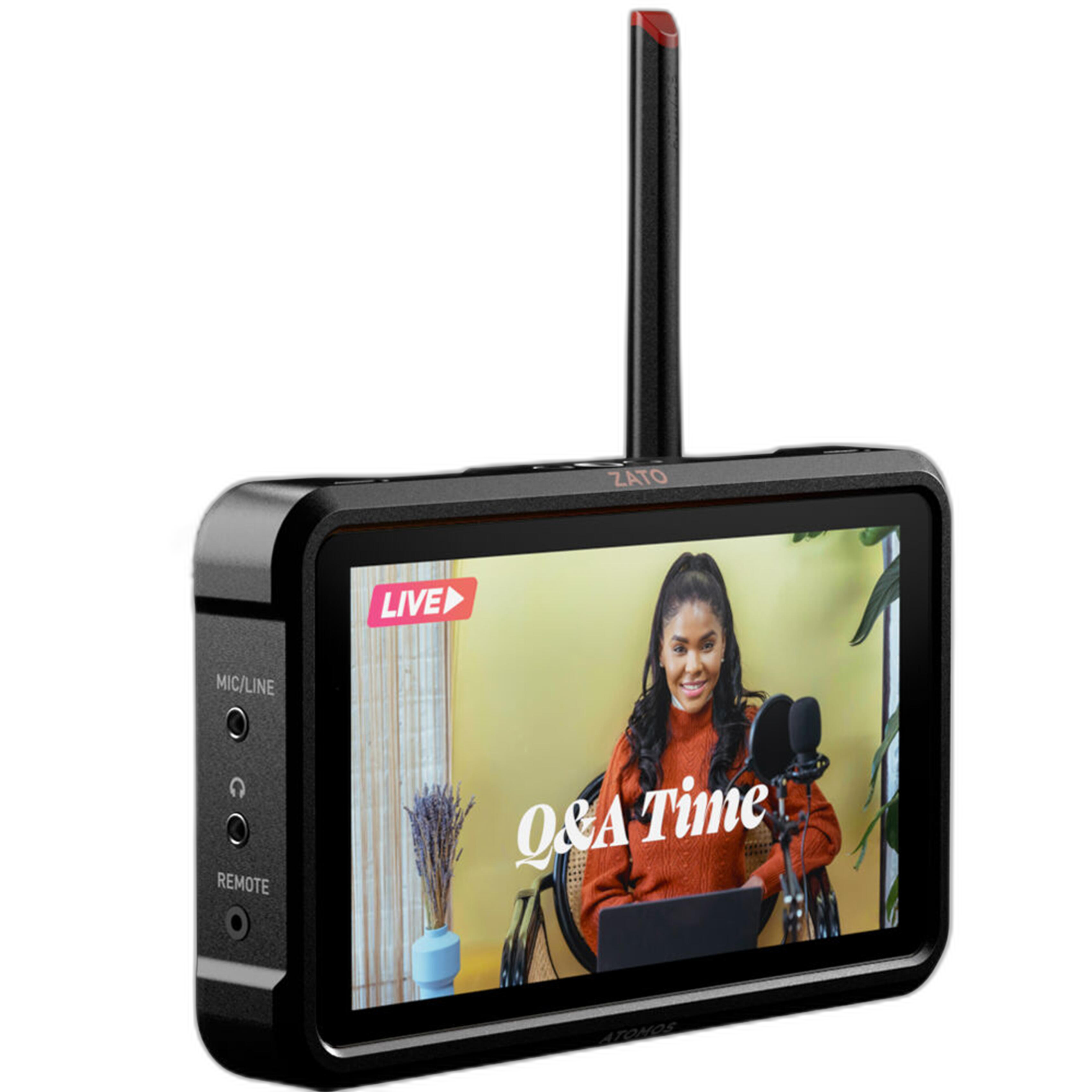
For photographers creating mixed-media entries, behind-the-scenes content, or social-first contest campaigns, tools that improve your presentation can help. The Atomos ZATO CONNECT 5-inch Network Connected Monitor and Encoder can support livestreaming and connected workflows, which is useful if a contest includes online audience engagement, creator interviews, or digital portfolio promotion.
What gear is useful for contest-worthy wildlife or sports photography?
Long lenses are often essential when your subject cannot be approached closely. If you are entering wildlife, bird, or outdoor action contests, reach and speed matter. A telephoto lens with a bright maximum aperture helps isolate the subject, maintain faster shutter speeds, and perform better in changing light.
A strong option for Canon EF shooters looking for professional-level reach is the Used Sigma 300mm f/2.8 APO DG HSM with 1.4X Teleconverter. That combination gives photographers versatility for wildlife and field sports while helping preserve image quality and autofocus performance. Choosing quality used gear can also be a smart way to expand your contest toolkit while staying within budget.
Do judges care more about creativity or technical perfection?
In most strong competitions, both matter—but creativity is often what separates finalists from everyone else. Judges see many technically clean photographs. What tends to stand out is a distinct point of view, a compelling moment, strong composition, and emotional or conceptual depth. Technical errors can hurt an otherwise excellent image, but technical perfection alone rarely wins.
That said, sharp focus where it matters, controlled exposure, and intentional editing are still essential. A contest image should feel finished. If you are building your entry around portraits, environmental storytelling, or fine art work, high-quality optics can make a real difference. Fast primes in the Sigma Art series are popular with photographers who want crisp rendering and a polished professional look.
Should I submit a single image or a series?
Submit whichever format best serves the rules and your strongest work. A single image can be powerful when it delivers immediate impact. A series is often better when the contest values narrative, consistency, or long-form storytelling. If you choose a series, every image should contribute something important. Weak filler images can dilute an otherwise excellent submission.
Review the judging criteria closely. Some competitions reward a signature hero frame, while others are designed for documentary or editorial sequences. If you are unsure, ask whether your selected images would still make sense to someone seeing them for the first time. Clarity and cohesion are crucial in either format.
How can I improve my chances after I enter a contest?
Keep building the visibility of your work beyond the contest itself. Update your portfolio, prepare a concise artist statement, and make sure your website and social platforms are current in case judges, editors, or sponsors look you up. Some photographers also create supporting video or behind-the-scenes content to strengthen their personal brand around a body of work.
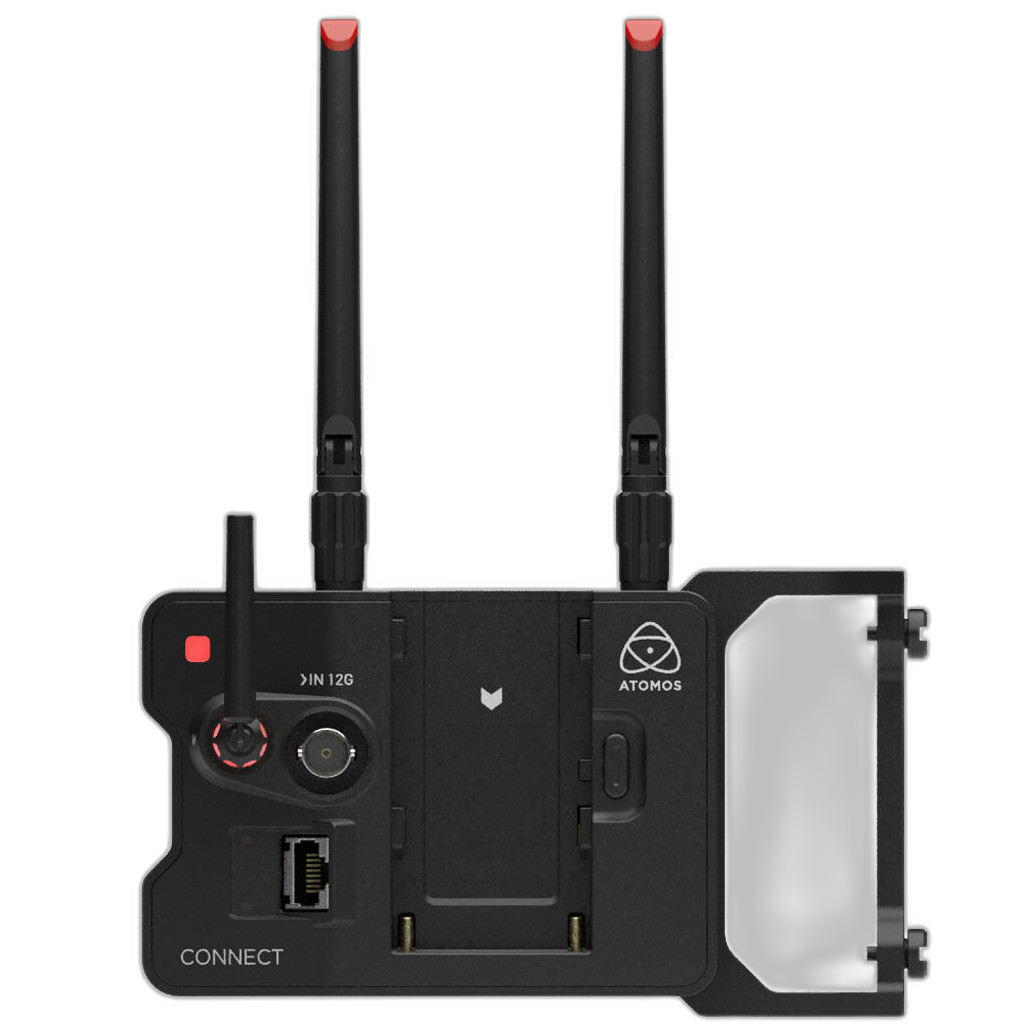
If you are producing video accompaniment, educational breakdowns, or livestream presentations tied to your project, connected production tools can be useful. The OPEN BOX Atomos Connect Network for Ninja V and V+ HDMI Monitors is a practical option for creators who want to expand into networked monitoring and streamlined content delivery.
Most importantly, do not treat contests as the only path to recognition. They are one piece of a larger strategy that should include client work, personal projects, networking, workshops, exhibitions, and publishing opportunities.
Is entering contests a good idea for beginners?
Yes—if you approach them as a learning opportunity rather than a referendum on your talent. Contests can help new photographers learn how to edit their work, follow submission requirements, and understand what makes an image resonate. The right competition can also be motivating, especially when it encourages you to shoot with a clear goal in mind.
Beginners should focus on reputable contests with clear categories and realistic expectations. It is often better to enter a few strong competitions thoughtfully than to submit everywhere. As your skills grow, your entry strategy can become more targeted and ambitious.
Photography contests can absolutely be worthwhile when you choose carefully, protect your rights, and submit work that represents your best creative voice. If you are preparing your next entry and want expert advice on lenses, used gear, or tools to support your workflow, Unique Photo is here to help you find the right equipment and take your competition-ready photography further.