Introduction: A Smarter Way to Choose a Sony Portrait Lens
For portrait photographers, lens choice is rarely just about focal length. It is about how a lens renders out-of-focus backgrounds, how skin tones feel in real-world files, how contrast and sharpness shape facial features, and how all of those traits come together in a final portrait. Sony Lens Compare Beta has become an especially useful reference point for photographers trying to narrow down portrait options without relying on spec sheets alone.
Looking at the Sony options available at Unique Photo, several lenses stand out for portrait use and comparison-based evaluation: the compact Used Sony FE 40mm f/2.5 G Lens - Excellent, the versatile Used Sony FE 50mm f/2.5 G Lens - Excellent, and the premium Used Sony FE 50mm f/1.2 GM Lens in both Excellent and Fair condition. While these are very different lenses in size, speed, and positioning, they are exactly the kind of models portrait photographers compare when refining their kit around bokeh quality, subject separation, color rendering, and value.
The Compare Beta concept is especially useful because portrait shooters often discover that their favorite lens on paper is not always their favorite lens in practice. A smaller lens may feel more natural for environmental portraits, while a faster GM optic may produce the richer blur and tonal transition they want for close-up work. That makes these Sony options worth studying side by side before buying from Unique Photo.
Products Reviewed for Portrait Lens Comparison
This review focuses on how portrait photographers can interpret compare-tool style results when evaluating the following Sony lenses:
- Used Sony FE 40mm f/2.5 G Lens - Excellent
- Used Sony FE 50mm f/2.5 G Lens - Excellent
- Used Sony FE 50mm f/1.2 GM Lens - Excellent
- Used Sony FE 50mm f/1.2 GM Lens - Fair
Although the two 50mm f/1.2 GM listings represent different condition grades rather than different optics, they matter to buyers because the comparison process often ends with a budget decision. If Compare Beta confirms the rendering style you want, a Fair-condition copy can be a practical route into premium portrait performance.
Design and Positioning in a Portrait Workflow
Sony FE 40mm f/2.5 G: Environmental Portrait Specialist
The 40mm f/2.5 G sits in an interesting place for portraiture. It is not the classic headshot focal length, but it is highly appealing for environmental portraits, lifestyle work, wedding candids, and editorial shooting where context matters. Compare tool users evaluating field of view will likely notice that 40mm gives portraits a more immersive look than 50mm, especially indoors or in tighter locations.
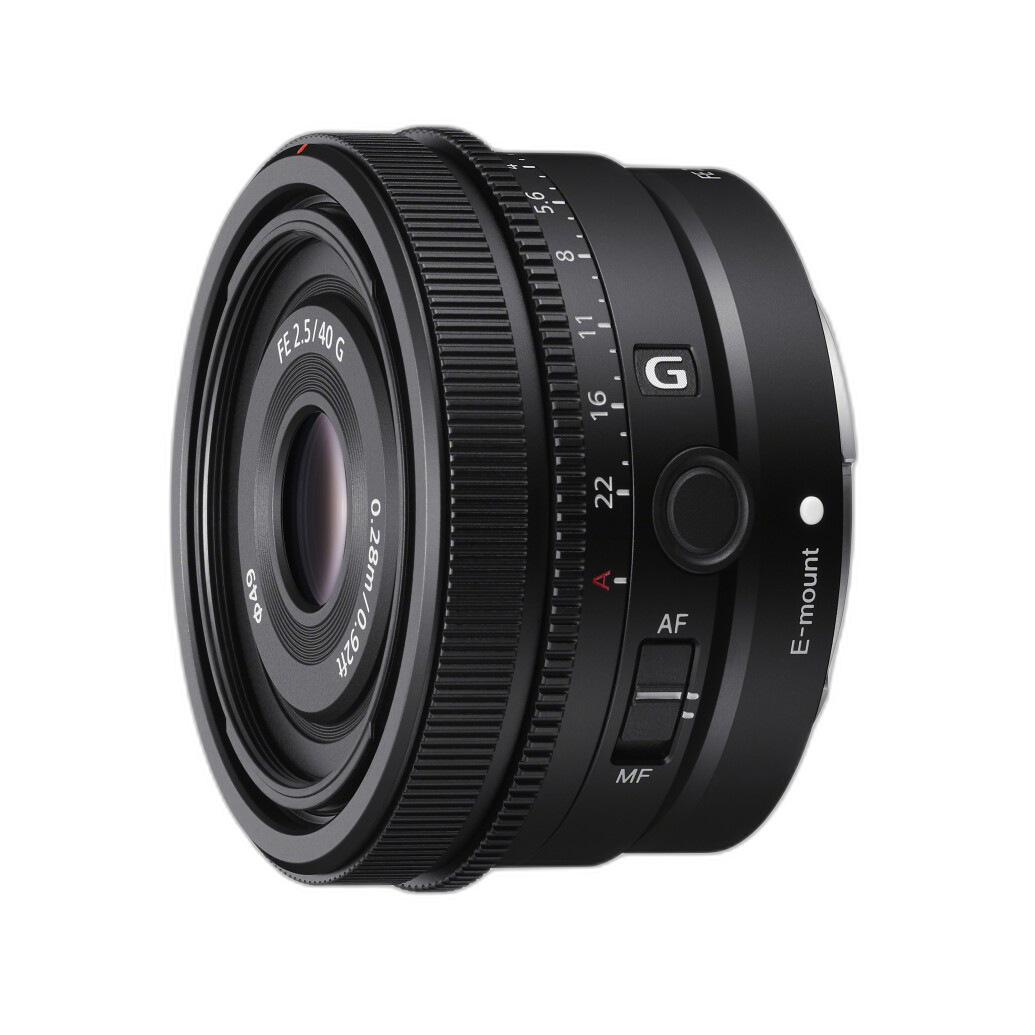
For portrait photographers, the real question is whether its smaller maximum aperture limits subject isolation too much. In many cases, the answer depends on shooting style. If you value mobility, low weight, and subtle perspective over maximum blur, the 40mm f/2.5 G can be a very intelligent choice.
Sony FE 50mm f/2.5 G: Balanced, Natural Perspective
The 50mm f/2.5 G offers a more classic normal perspective for portrait work. It tends to feel more flattering than 40mm for single-subject compositions while remaining compact and easy to carry. In Lens Compare Beta terms, it is likely the lens many photographers use as a baseline: neutral perspective, manageable size, and good all-around optical behavior.
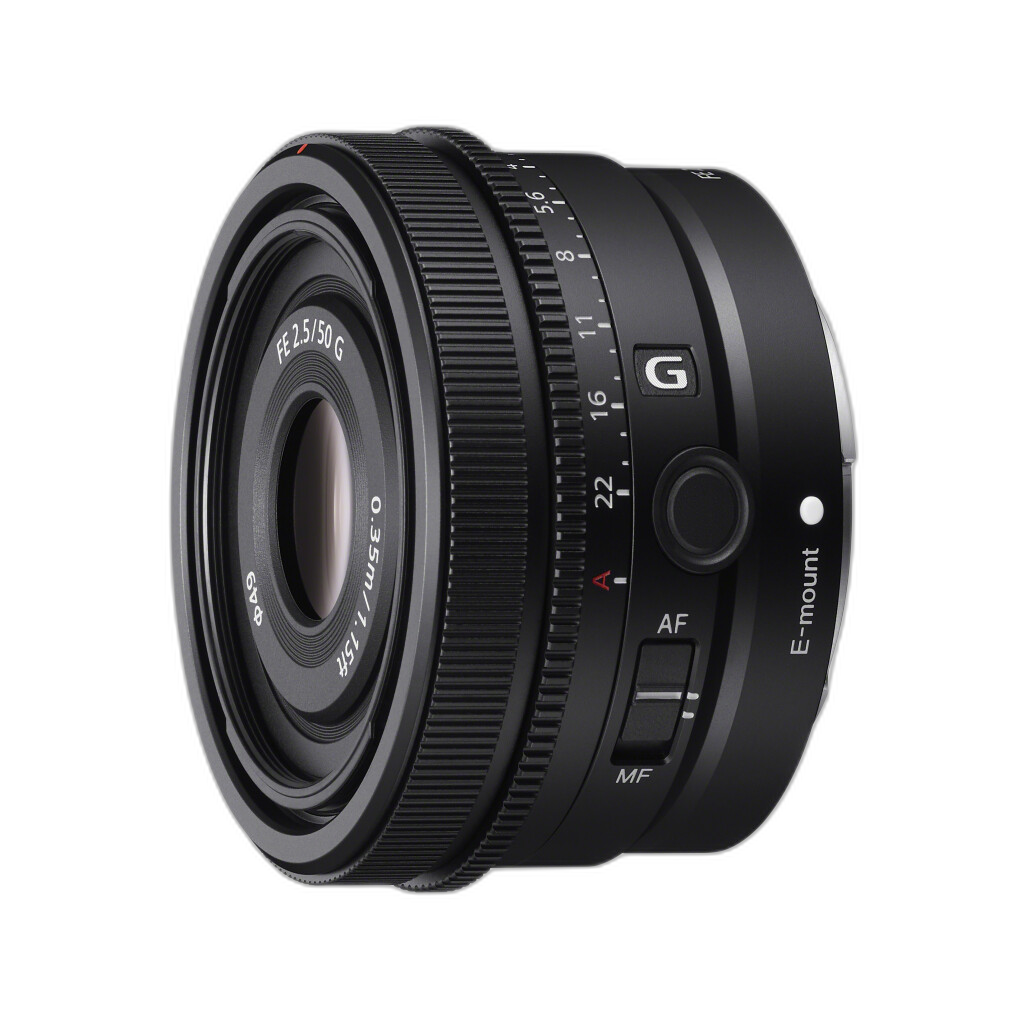
For portraits, this is the option that may appeal to shooters who prioritize consistency and portability but still want cleaner subject separation than a wider focal length usually delivers.
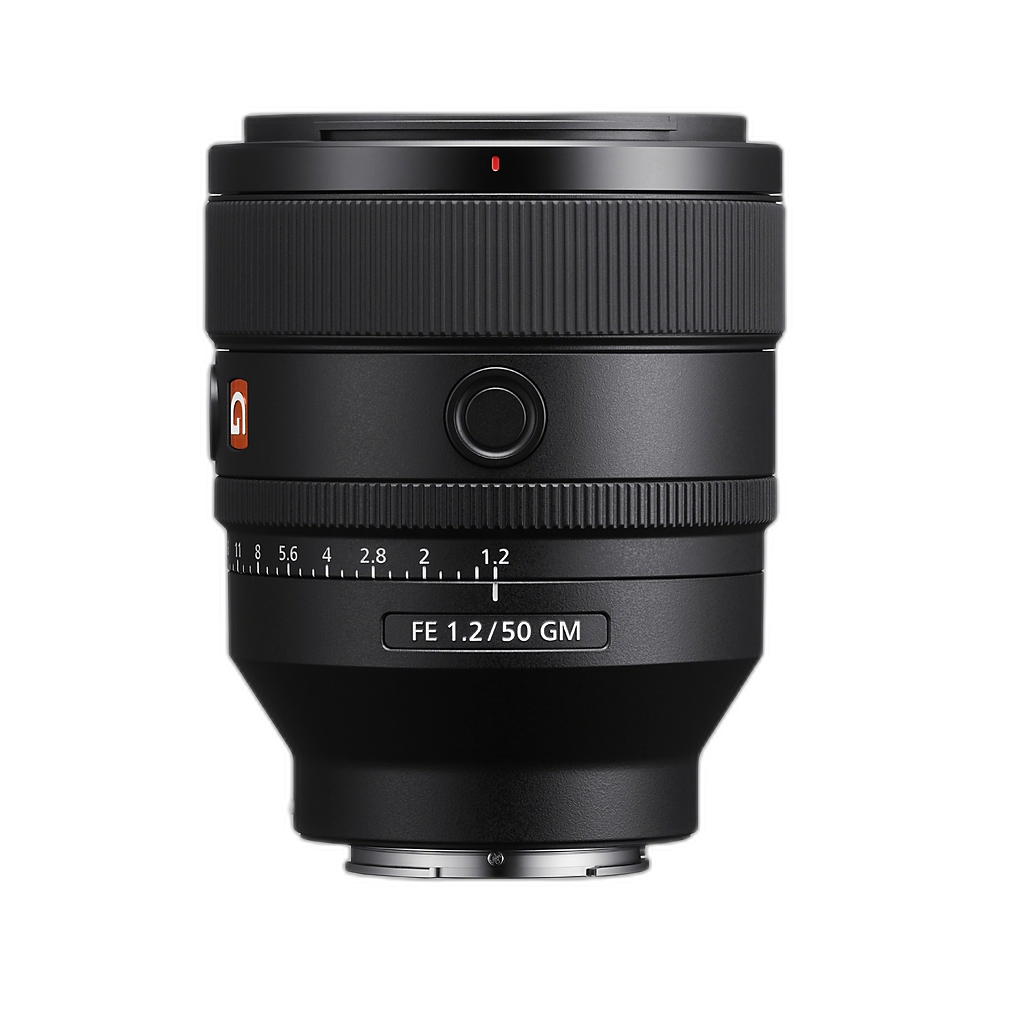
Sony FE 50mm f/1.2 GM: The Rendering-First Portrait Choice
The 50mm f/1.2 GM is where Compare Beta becomes especially meaningful for portrait specialists. This lens is not just about sharpness. It is about rendering character: deep subject isolation, smoother bokeh transitions, stronger low-light capability, and a more premium visual signature that many portrait photographers immediately recognize in sample comparisons.

When users compare this lens against the smaller f/2.5 G alternatives, the difference is less about whether one is “better” and more about what kind of portrait aesthetic they want. If your work depends on separation, shallow depth of field, and a luxurious background blur, the GM establishes a very different level of creative control.
Key Features Portrait Photographers Should Analyze in Sony Lens Compare Beta
Bokeh and Subject Separation
For portrait photographers, bokeh is often the first thing to inspect. Sony Lens Compare Beta can help reveal whether background blur appears nervous or smooth, whether highlights stay rounded, and how gracefully a lens transitions from in-focus to out-of-focus areas.
Among the lenses covered here, the FE 50mm f/1.2 GM is the obvious leader in shallow-depth-of-field portrait work. It can create dramatic separation even in less-than-ideal backgrounds, which is valuable for wedding, fashion, and outdoor portrait shooters who cannot always control location elements. The 50mm f/2.5 G still offers respectable separation, but with a more restrained look. The 40mm f/2.5 G produces the least dramatic blur of the group, though it can still render very attractive environmental portraits when used thoughtfully.
A good tip when using Compare Beta: do not just zoom into the subject. Spend time studying the background edges, highlight circles, and transition zones around hair and shoulders. That is where portrait rendering differences become obvious.
Skin Tone Rendering and Color Character
Skin tones are another area where portrait photographers often rely on side-by-side visual tools. While sensor and processing choices matter too, lens contrast, coatings, and microcontrast can affect how files appear straight out of camera. Compare Beta results can help photographers spot subtle differences in warmth, neutrality, and tonal smoothness.
The 50mm f/1.2 GM is likely to appeal to photographers who want rich tonal depth and a polished, high-end look. The smaller G lenses often lean toward a cleaner, lighter, more straightforward rendering style. Neither approach is inherently better, but portrait shooters should compare how each lens handles highlights on skin, contrast across facial contours, and transitions in mixed lighting.
A practical tip: when analyzing compare images for skin, avoid judging only exposure or white balance. Instead, look at cheek transitions, forehead highlights, and how naturally the lens handles fine tonal differences without making skin look harsh.
Sharpness Versus Portrait Friendliness
Portrait photographers want detail, but not always in the same way landscape shooters do. Compare Beta can help reveal not just center sharpness but the overall “feel” of detail. A lens that is clinically sharp may not always be the most flattering for portraits, while a lens with excellent clarity and softer transitions may produce more attractive facial rendering.
The 50mm f/1.2 GM is expected to deliver exceptional detail, but what makes it compelling for portraits is how that detail coexists with smooth background rendering. The 50mm f/2.5 G will likely look crisp and clean, making it a strong option for commercial or casual portrait use. The 40mm f/2.5 G, meanwhile, can be especially appealing for photographers who want portraits that feel documentary, modern, and spatially connected to the environment.
Size, Handling, and Real-World Usability
Feature comparisons should not stop at image quality. Portrait photographers who shoot for hours at events or on location need to weigh optical benefits against fatigue and convenience. The compact Sony G primes are easy to carry, discreet to use, and ideal for hybrid photo-video shooters or travel portrait specialists. The 50mm f/1.2 GM is substantially more ambitious optically, but with that comes more weight and a more serious footprint.
Compare Beta may not measure handling directly, but it should remind buyers that image differences have to be significant enough to justify a larger lens. For many photographers, the answer will be yes. For others, the compact f/2.5 lenses may better match how they actually shoot.
How Portrait Photographers Can Use Sony Lens Compare Beta Effectively
Compare Similar Framing, Not Just Specs
Do not reduce the process to aperture numbers alone. A 40mm and 50mm lens will change composition and facial perspective. Make sure you are comparing images with similar subject placement and framing goals before drawing conclusions.
Study the Edges of the Frame
Portrait photographers often focus on eyes first, but edge rendering matters too, especially for environmental portraits or off-center compositions. Compare how each lens holds detail, contrast, and background behavior away from the middle of the frame.
Pay Attention to Hair, Fabric, and Background Texture
Hair detail, clothing texture, and complex backgrounds reveal a lot about a portrait lens. These areas show whether the lens renders crispness naturally or with a harsher feel. They also show whether blur transitions stay smooth.
Think About Your Delivery Style
If you mostly deliver natural-light lifestyle portraits, the 40mm or 50mm f/2.5 G lenses may be ideal. If you market shallow-depth-of-field signature portraits, the 50mm f/1.2 GM is far more aligned with that style. Compare Beta should support your shooting identity, not distract from it.
Pros and Cons
Used Sony FE 40mm f/2.5 G Lens - Excellent
- Pros: Compact and lightweight, great for environmental portraits, natural lifestyle perspective, easy everyday carry.
- Cons: Less subject separation than faster portrait lenses, 40mm may feel a little wide for close facial work.
Used Sony FE 50mm f/2.5 G Lens - Excellent
- Pros: Classic normal perspective, portable design, solid balance of sharpness and usability, versatile for portraits and everyday shooting.
- Cons: f/2.5 cannot match the dramatic blur of the GM option, less specialized for premium portrait rendering.
Used Sony FE 50mm f/1.2 GM Lens - Excellent / Fair
- Pros: Outstanding bokeh potential, superb subject isolation, premium portrait rendering, strong low-light capability, high-end creative look.
- Cons: Larger and heavier, significantly more specialized, may be more lens than casual portrait shooters need.
Which Sony Lens Compare Beta Result Matters Most for Portrait Shooters?
If the priority is maximum bokeh, more dimensional skin rendering, and a premium portrait signature, the Used Sony FE 50mm f/1.2 GM Lens is the clear standout. If the priority is a lighter everyday portrait setup with excellent practicality, the Used Sony FE 50mm f/2.5 G Lens is a smart compromise. If you lean into documentary-style portraits, environmental storytelling, or travel portrait sessions, the Used Sony FE 40mm f/2.5 G Lens may actually be the most useful and enjoyable option.
Verdict and Recommendation
Sony Lens Compare Beta is most valuable when it helps portrait photographers move beyond generic specs and focus on rendering differences that truly affect client work: bokeh smoothness, tonal transitions in skin, real-world sharpness character, and overall visual style. In that context, the Used Sony FE 50mm f/1.2 GM Lens is the most compelling portrait choice in this group, especially for photographers who want the strongest subject-background separation and a more luxurious image feel.
That said, the Used Sony FE 50mm f/2.5 G Lens - Excellent may be the best value-focused portrait option for many shooters, while the Used Sony FE 40mm f/2.5 G Lens - Excellent remains an excellent choice for environmental portrait specialists.
If you are refining your lens lineup based on Compare Beta results and want to buy from a trusted retailer, Unique Photo is the place to shop these used Sony lenses. For most portrait photographers seeking the strongest creative upgrade, the recommendation here goes to the Used Sony FE 50mm f/1.2 GM Lens, with the Fair-condition copy offering a potentially more accessible path into top-tier Sony portrait rendering.