Portrait photography is all about connection, light, focal length, and the way a lens renders a subject. If you are researching the best portrait lens, comparing short telephoto options, or looking for practical portrait photography tips, this guide from Unique Photo covers both lens reviews and real-world shooting advice to help you create flattering, professional-looking results.
From classic 45mm and 75mm portrait lenses for Micro Four Thirds to modern 90mm full-frame options and specialty medium format glass, the right lens choice affects perspective, background separation, working distance, and overall mood. Below, we break down what to look for and how to shoot portraits more effectively.
What Makes a Good Portrait Lens?
When photographers search for the best lens for portrait photography, they are usually looking for a combination of flattering focal length, strong subject separation, sharp focus on the eyes, and pleasing background blur. A good portrait lens often offers:
- A useful portrait focal length: typically between 50mm and 135mm full-frame equivalent for headshots, half-body portraits, and lifestyle work.
- A bright maximum aperture: such as f/1.2, f/1.8, or f/2.8 for shallow depth of field and low-light flexibility.
- Pleasing bokeh: smooth out-of-focus rendering helps draw attention to the subject.
- Reliable autofocus or precise manual control: especially important for eyes and subtle expressions.
- Strong optical performance: sharp detail where you need it, with appealing contrast and color.
Unique Photo carries portrait-friendly lenses across multiple systems, and the best option depends on your camera format, your shooting distance, and whether you prefer environmental portraits, classic headshots, or creative editorial work.
Best Focal Lengths for Portrait Photography
One of the most common portrait photography questions is: What focal length is best for portraits? The answer depends on style.
- 35mm to 50mm equivalent: useful for environmental portraits that include more of the scene.
- 85mm to 135mm equivalent: often considered the sweet spot for flattering facial proportions and background compression.
- Longer telephoto options: great for tight headshots and stronger subject isolation.
On Micro Four Thirds, lenses like a 45mm or 75mm can provide highly portrait-friendly equivalent fields of view. On full-frame systems, a 90mm lens is a strong portrait choice. Medium format shooters may also prefer longer focal lengths for refined rendering and separation.
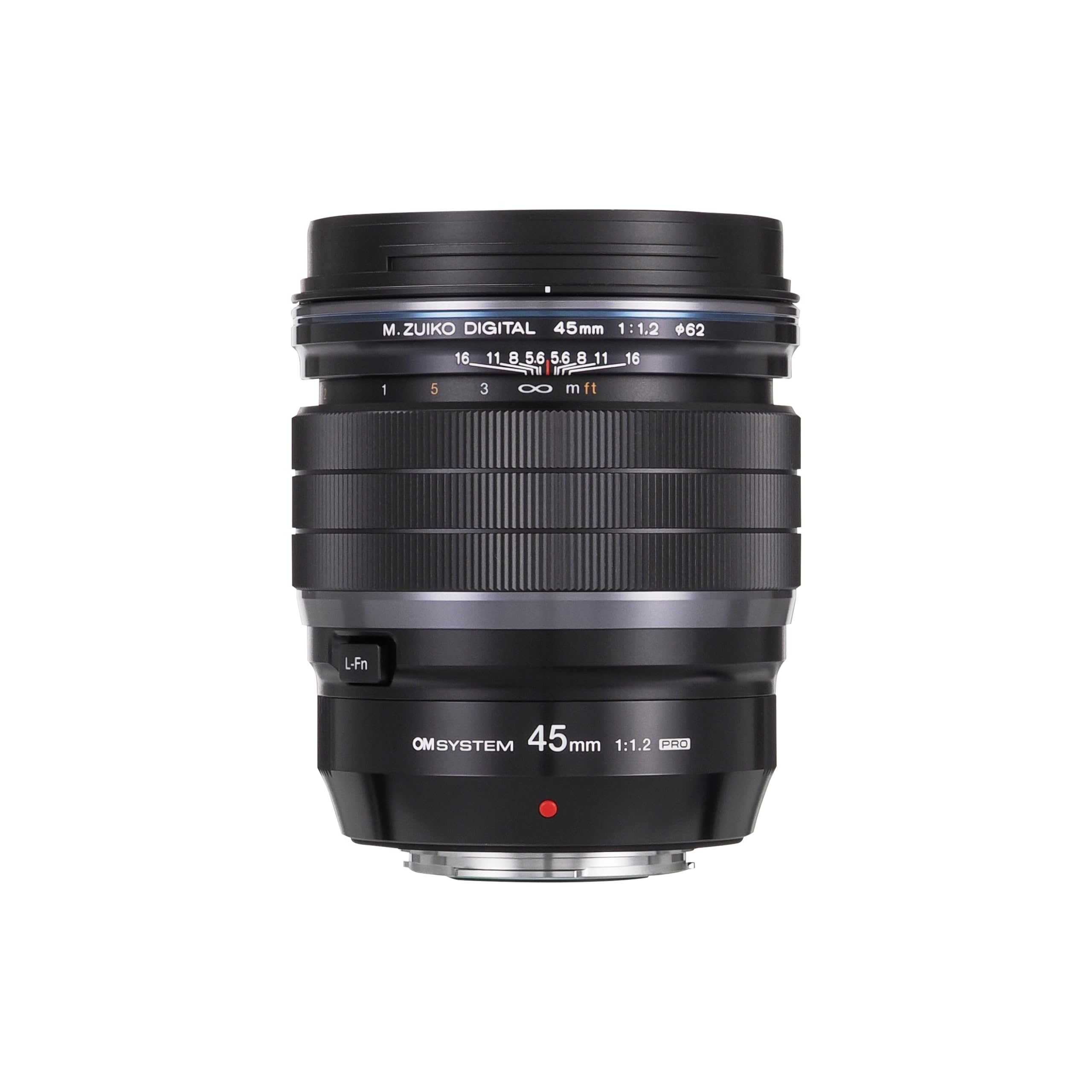
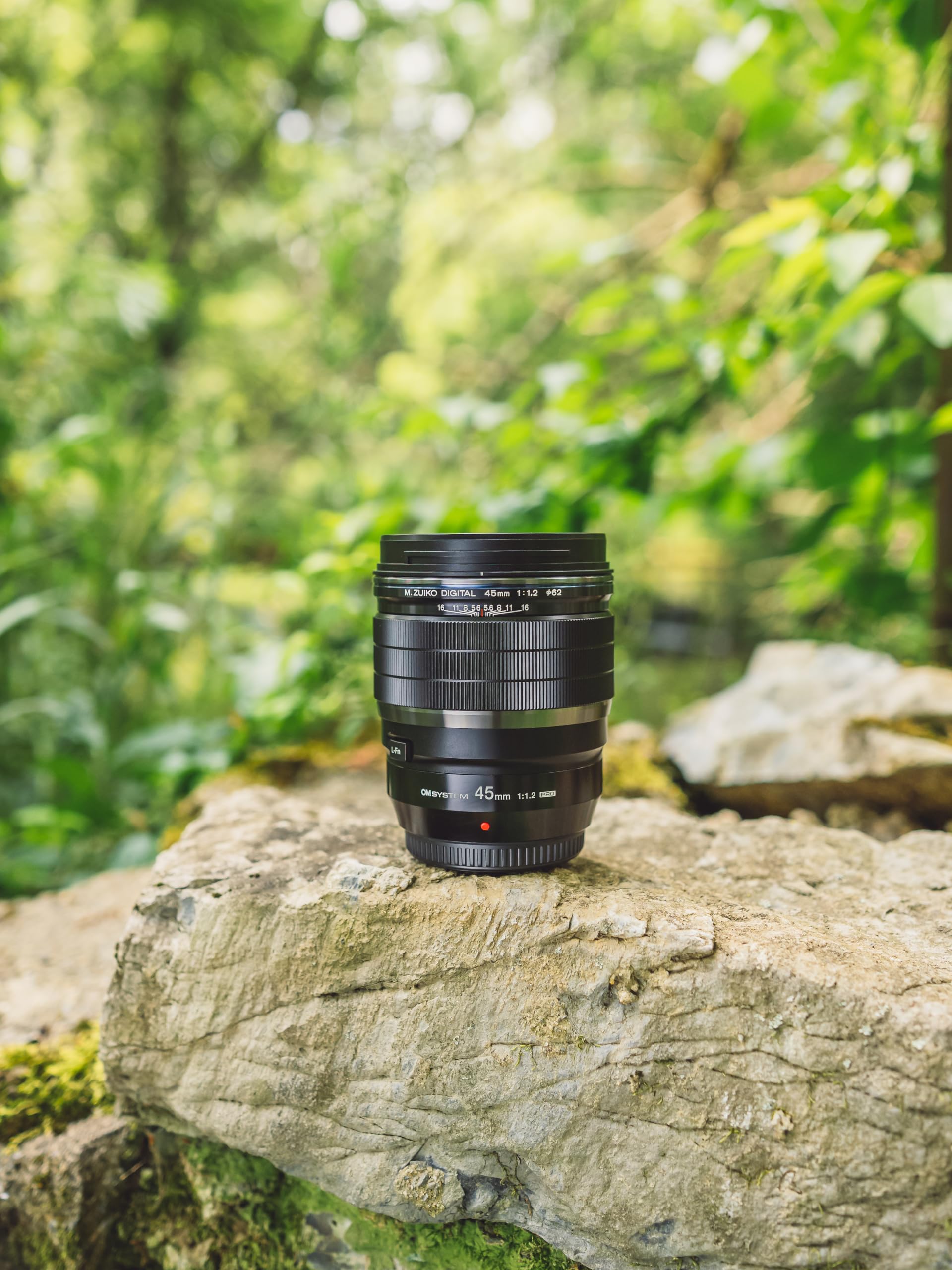
OM SYSTEM M.Zuiko Digital ED 45mm f/1.2 PRO Review for Portraits
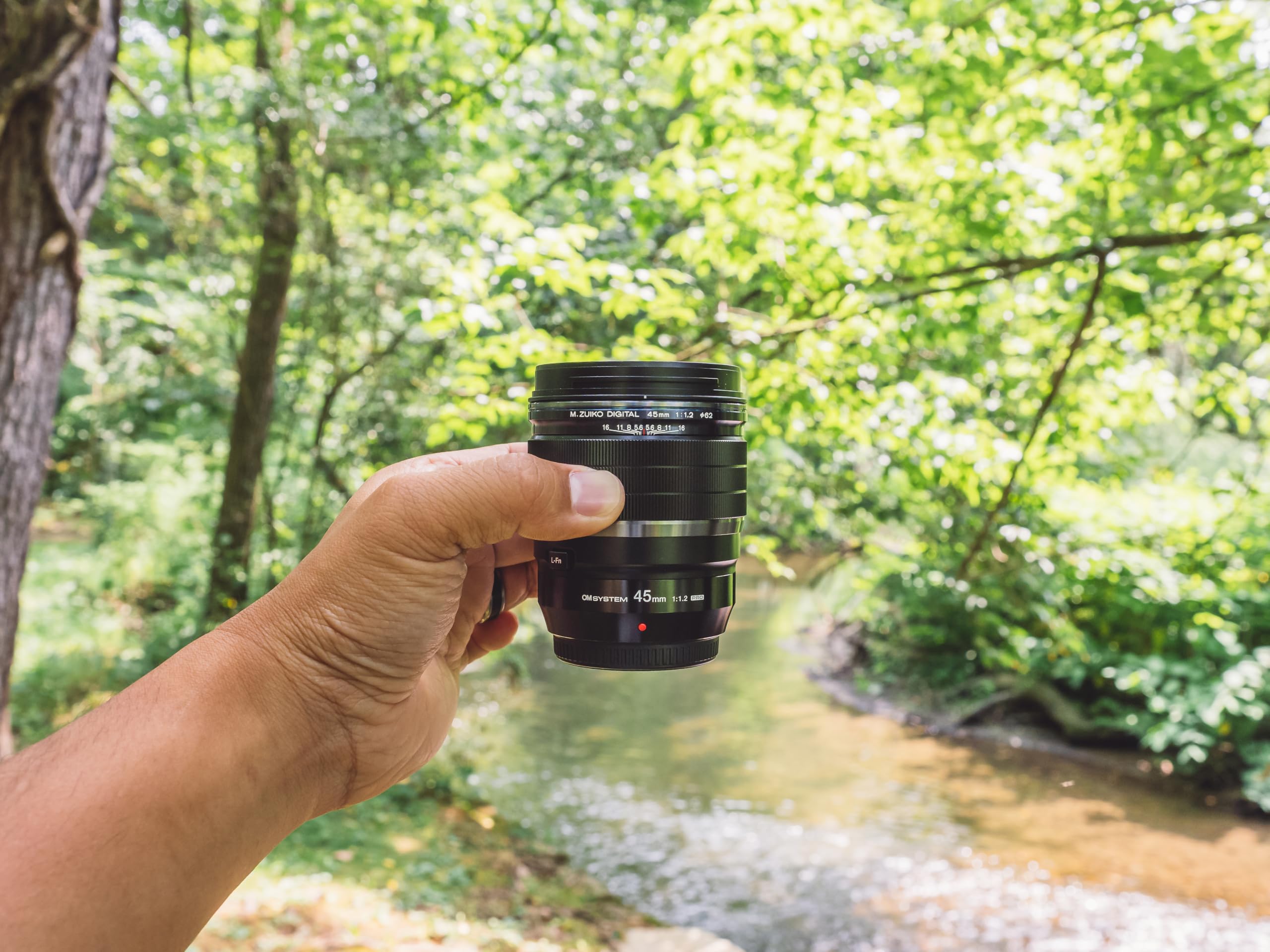
The OM SYSTEM M.Zuiko Digital ED 45mm f/1.2 PRO is one of the most compelling portrait lenses for Micro Four Thirds shooters. With a field of view equivalent to a classic 90mm portrait lens on full frame, it sits right in the ideal range for flattering headshots and tighter portraits.
For portrait photographers, this lens stands out for a few reasons:
- Fast f/1.2 aperture: excellent for low-light portrait sessions and soft background blur.
- Portrait-friendly working distance: close enough for interaction, far enough for flattering perspective.
- Professional build quality: a strong choice for event, wedding, and studio photographers.
- Beautiful subject separation: ideal when you want the eyes crisp and the background smooth.
In practical use, the 45mm f/1.2 PRO is a standout for indoor natural light portraits, wedding candids, and outdoor golden hour sessions. It gives Micro Four Thirds users a premium portrait option without sacrificing portability. For photographers shopping Unique Photo for a serious portrait lens, this is an easy lens to shortlist.
OM SYSTEM M.Zuiko Digital ED 75mm f/1.8 Review for Headshots
The OM SYSTEM M.Zuiko Digital ED 75mm f/1.8 is widely appreciated by portrait photographers who want extra reach and a more compressed look. On Micro Four Thirds, this lens delivers an angle of view similar to a 150mm full-frame lens, making it especially attractive for headshots and tightly framed portraits.
Why portrait shooters love this type of lens:
- Excellent compression: facial features appear natural and flattering.
- Strong background blur: even with the smaller sensor format, the longer focal length helps isolate the subject.
- Great for outdoor portraits: you can simplify busy backgrounds by shooting from farther away.
- Ideal for candid work: the extra reach helps when you do not want to crowd the subject.
This lens is particularly effective for senior portraits, fashion details, and clean headshot compositions. If your portrait style leans toward tighter framing and elegant separation, the 75mm f/1.8 is a smart choice to explore at Unique Photo.
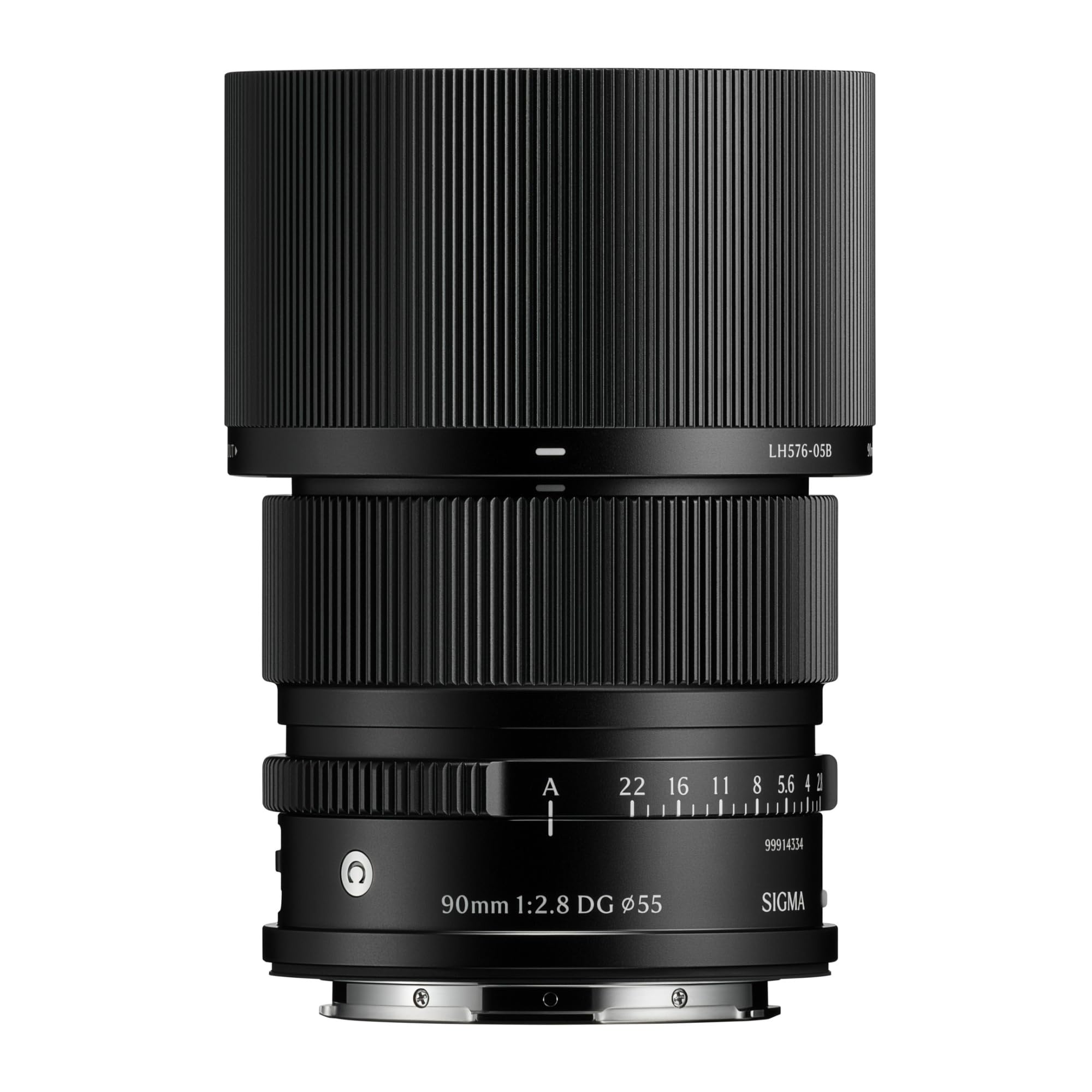
Sigma 90mm f/2.8 Contemporary Review for Portrait Photography
The Sigma 90mm f/2.8 DG Contemporary is a modern portrait option that appeals to photographers who want a compact short telephoto lens with crisp rendering and refined styling. A 90mm focal length is a classic portrait choice because it balances comfortable working distance with flattering compression.
Compared to ultra-fast portrait primes, an f/2.8 lens trades some blur potential for a smaller size and lighter carry. That can be a major advantage for travel portraits, street portraiture, or all-day event shooting.
Portrait strengths of the Sigma 90mm f/2.8 include:
- Natural portrait perspective: flattering for faces without feeling too distant.
- Compact design: easy to carry for on-location sessions.
- Sharp optical performance: useful for detail-rich portraits and editorial work.
- Versatile use: suitable for portraits, detail shots, and compressed outdoor scenes.
If you prefer a lighter portrait setup and often shoot in controlled light, the Sigma 90mm f/2.8 can be a very practical addition to your camera bag.
Can Medium Format Lenses Work for Portrait Photography?
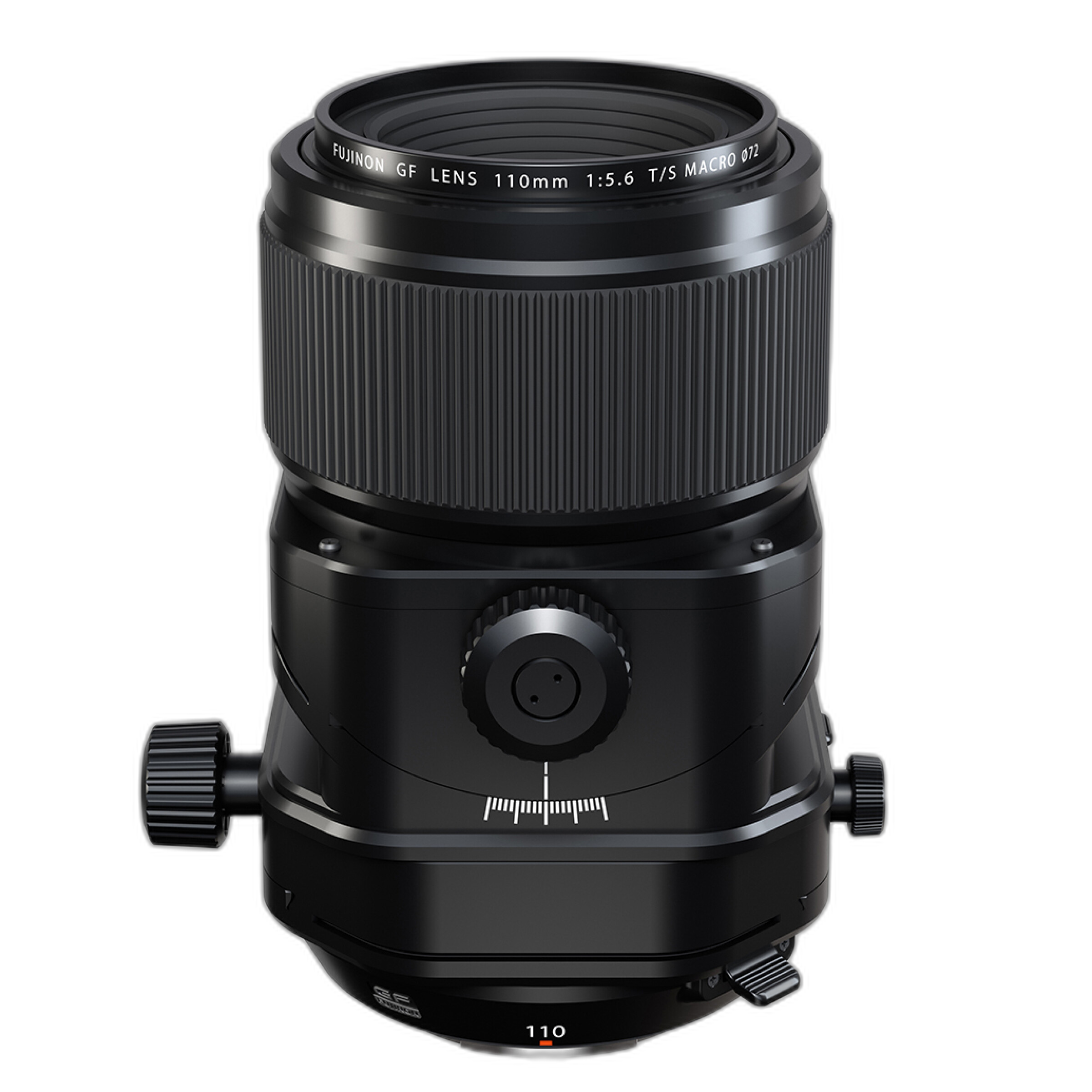
Medium format portrait photographers often look for lenses that deliver exceptional tonal transitions, strong detail, and more deliberate composition. While the Fujifilm FUJINON GF 30mm f/5.6 T/S and FUJINON GF 110mm f/5.6 T/S Macro are tilt-shift designs rather than conventional portrait lenses, they can still play a role in creative portraiture.
The GF 110mm f/5.6 T/S Macro is particularly interesting for stylized portrait work, beauty photography, and controlled studio applications where precise plane-of-focus placement matters. The GF 30mm f/5.6 T/S is more specialized, but can be useful for environmental portraiture with perspective control.
These are not typical first-choice lenses for beginner portrait shooters, but advanced photographers interested in editorial, commercial, or conceptual portrait work may appreciate what tilt-shift glass can do. Unique Photo is a valuable resource for photographers exploring these more specialized lens categories.
How to Choose the Right Portrait Lens for Your Style
To choose the best portrait lens, think less about hype and more about how you actually shoot.
- For classic headshots: choose a short telephoto like a 90mm equivalent or longer.
- For weddings and indoor portraits: a fast aperture like f/1.2 gives more flexibility in lower light.
- For outdoor lifestyle sessions: 75mm to 90mm type focal lengths offer strong separation and flattering perspective.
- For environmental portraits: wider options can include more storytelling context.
- For travel and lightweight kits: compact lenses such as a 90mm f/2.8 style lens may be ideal.
If you are unsure which system-specific lens fits your needs, browsing portrait lens options at Unique Photo can help you compare focal lengths, form factors, and shooting applications more easily.
Portrait Photography Tips for Sharper, More Flattering Results
Even the best portrait lens works better when paired with strong technique. Here are essential shooting tips that make a noticeable difference.
1. Focus on the eyes
In most portraits, the eyes should be the sharpest part of the image. When using wide apertures like f/1.2, even slight focus errors become obvious. Use eye detection autofocus if your camera supports it, or manually confirm focus when working in a controlled setting.
2. Watch your shooting distance
Perspective distortion is caused more by distance than by the lens itself. If you stand too close with a wider lens, facial features can look exaggerated. A portrait lens in the 85mm to 135mm equivalent range helps you keep a comfortable distance and maintain flattering proportions.
3. Use aperture intentionally
Wide open is not always best. Shooting at f/1.2 or f/1.8 can create gorgeous separation, but for group portraits or angled poses, stopping down to f/2.8 or f/4 may produce better overall sharpness across the face.
4. Simplify the background
Good portrait photography is often about removing distractions. Position your subject away from clutter, use longer focal lengths to compress the background, and look for clean tones or repeating patterns that support the subject rather than compete with them.
5. Use flattering light
Window light, open shade, and golden hour are portrait favorites because they produce soft transitions and natural skin tones. If the light is harsh, move your subject into shade or diffuse the light when possible.
6. Communicate clearly
Portraits improve when subjects feel comfortable. Give simple posing direction, keep the session moving, and watch for natural expressions between posed moments.
How Filters Can Affect Portrait Photography
Some portrait photographers also like experimenting with creative filters. The Tiffen 72mm Wedding Portrait filter is the type of accessory that can add a soft, romantic effect depending on your style and lighting setup. For wedding portrait photographers or anyone chasing a more classic, dreamy look in-camera, filters like this can be worth testing.
As always, the effect should support the image rather than overpower it. Subtlety usually works best in modern portrait photography.
Best Portrait Lens Setups for Different Types of Shooters
If you are building or refining your portrait kit, here are a few practical approaches:
- Micro Four Thirds portrait shooter: the OM SYSTEM 45mm f/1.2 PRO for versatile portrait work, plus the 75mm f/1.8 for tighter headshots.
- Minimalist full-frame shooter: a compact Sigma 90mm f/2.8 for flattering portraits without heavy gear.
- Creative studio photographer: specialized medium format lenses for controlled, conceptual portraiture.
The right choice depends on whether you prioritize speed, portability, compression, or artistic control.
Common Portrait Lens Mistakes to Avoid
When choosing or using a portrait lens, photographers often run into a few avoidable issues:
- Using a focal length that does not match the intended framing
- Shooting too wide open for every portrait
- Ignoring background distractions
- Standing too close to the subject
- Prioritizing blur over expression and lighting
A great portrait comes from the full combination of lens choice, lighting, composition, and connection with your subject.
Final Thoughts on Portrait Lens Reviews and Shooting Tips
The best portrait lens is the one that supports your preferred style and helps you work confidently with your subjects. For Micro Four Thirds photographers, the OM SYSTEM M.Zuiko Digital ED 45mm f/1.2 PRO is an especially strong all-around portrait lens, while the OM SYSTEM M.Zuiko Digital ED 75mm f/1.8 is excellent for tighter framing and standout headshots. For photographers on other systems, a lens like the Sigma 90mm f/2.8 DG Contemporary offers a compact, flattering option for portrait work.
If you are ready to upgrade your portrait photography kit, Unique Photo is a great place to compare lenses, explore accessories, and find the right tools for your next session.
For internal linking opportunities, consider guiding readers to related Unique Photo categories and resources such as mirrorless lenses, portrait photography accessories, camera filters, and educational content on lighting for portraits, wedding photography gear, and best lenses for mirrorless cameras.