Portrait photographers love to compare lenses because small optical differences can have a huge impact on skin tones, subject separation, background blur, and overall rendering. In lens reviews, photographers often focus on technical features like maximum aperture, focal length, autofocus performance, and bokeh quality, then back those observations up with sample images, shooting notes, and editing tips. If you are researching the best portrait lens for your style, this guide from Unique Photo breaks down what reviewers look for and how to evaluate portrait lenses more effectively.
What photographers look for in a portrait lens review
When photographers review portrait lenses, they usually go beyond sharpness charts. A great portrait lens is not just clinically sharp; it also needs pleasing rendering, flattering compression, and reliable focus on the eyes. Many reviews compare how lenses perform wide open versus stopped down, how they handle highlights in the background, and whether the transition from sharp focus to blur feels smooth and natural.
Some of the most common criteria in portrait lens reviews include:
- Maximum aperture: Wider apertures like f/1.2 or f/1.4 help create shallow depth of field and stronger subject isolation.
- Bokeh quality: Reviewers look at how smoothly out-of-focus highlights render and whether backgrounds feel creamy or busy.
- Focal length: Popular portrait ranges include 45mm, 50mm, 75mm, 85mm, and 135mm depending on sensor size and shooting distance.
- Autofocus accuracy: Eye detection and fast AF are critical for portraits, especially at wide apertures.
- Color and contrast: Lens coatings and optical design can influence skin tone rendering and microcontrast.
- Build and handling: Reviewers often mention weight, balance, weather resistance, and focus ring feel.
At Unique Photo, many portrait shooters compare both premium and value-oriented options to decide which lens delivers the best real-world results for their workflow.
How aperture affects portrait photography
Aperture is one of the first specs photographers discuss in portrait lens reviews because it directly affects depth of field, low-light performance, and the overall look of an image. Wide-aperture lenses like f/1.2 can produce dramatic separation between the subject and background, making the eyes pop while softening distracting elements behind the model.
However, wider is not always automatically better. Many reviewers point out that shooting at f/1.2 or f/1.4 requires precise focusing, especially for close-up headshots where depth of field can be razor thin. For group portraits or environmental portraits, photographers may stop down to f/2, f/2.8, or even f/4 to keep more of the subject in focus.
A standout option in this conversation is the OM SYSTEM M.Zuiko Digital ED 45mm f/1.2 PRO Lens, a lens often appreciated for its bright aperture and portrait-friendly rendering on Micro Four Thirds. Its fast maximum aperture makes it appealing for photographers who want soft backgrounds and strong low-light capability.
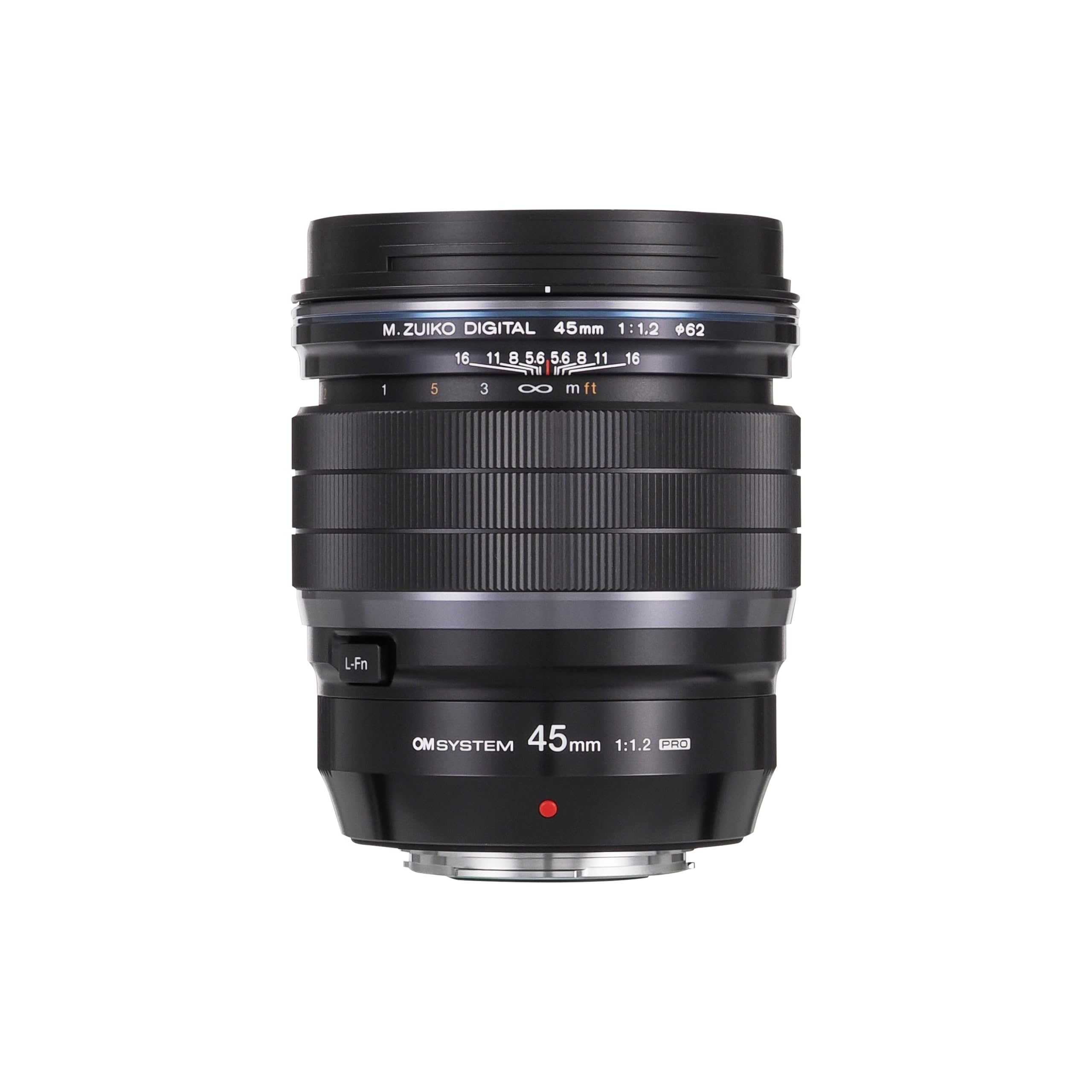
In reviews, lenses with bright apertures are commonly tested in natural light, window light, and golden hour sessions to show how they perform in realistic portrait situations rather than only in lab-style tests.
Why bokeh matters in portrait lens comparisons
Bokeh is one of the most discussed topics in portrait lens reviews because it plays a major role in the emotional feel of an image. Technically, bokeh refers to the quality of the out-of-focus areas, not just how blurred they are. Two lenses can both create shallow depth of field, but one may render backgrounds in a smoother, more pleasing way.
Photographers reviewing portrait lenses often compare:
- The shape of specular highlights
- Whether the blur looks creamy or nervous
- How the lens transitions from focus to defocus
- Whether there is onion-ring texture or outlining in highlights
- How cat-eye shapes appear toward the edges of the frame
For example, a lens such as the OM SYSTEM M.Zuiko Digital ED 45mm f/1.2 PRO Lens is the kind of optic portrait photographers often evaluate closely for subject-background separation and smooth rendering in tighter compositions.
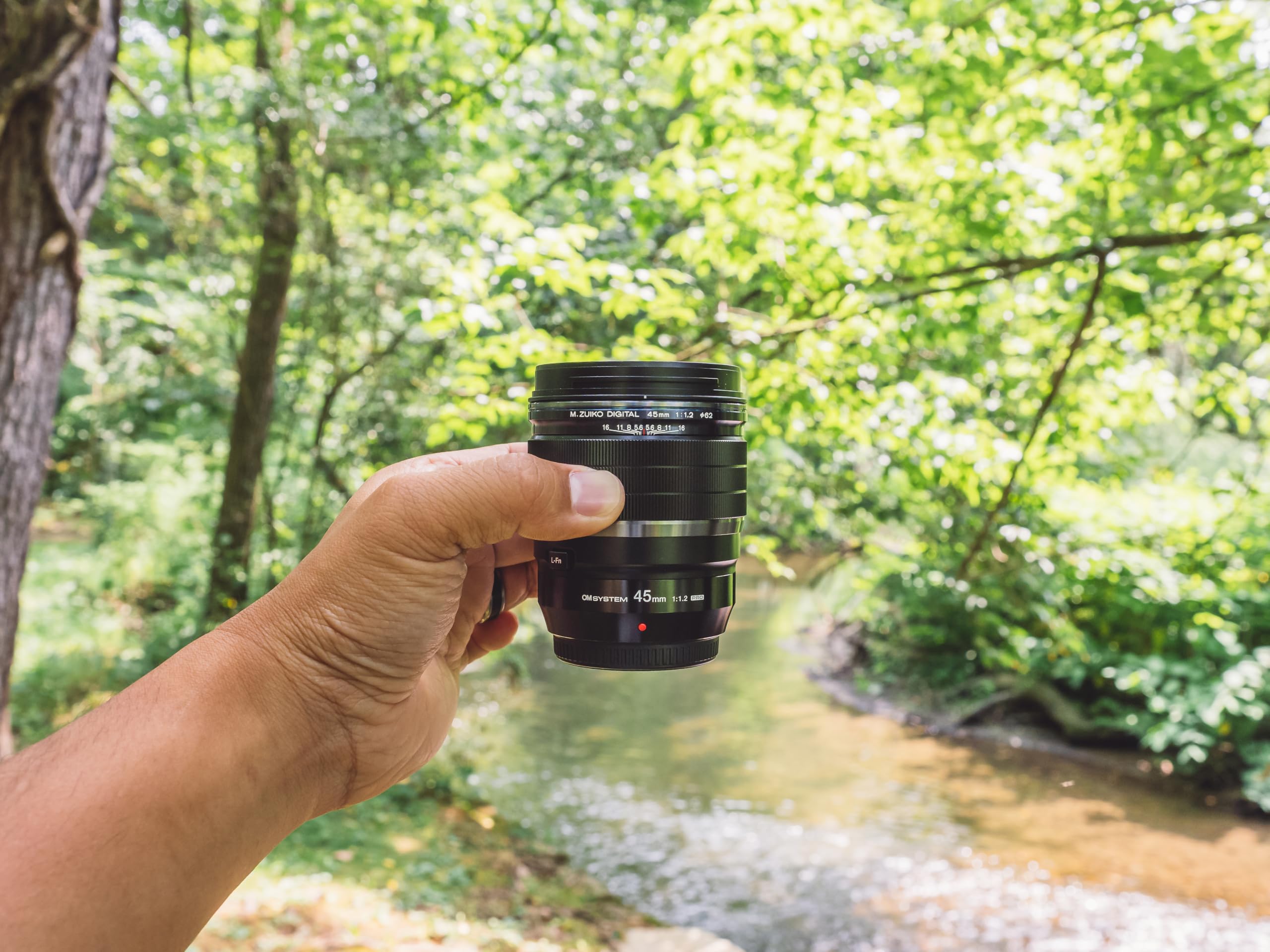
Sample images are especially useful here. Reviewers frequently post backlit portraits, foliage backgrounds, and city lights to show how a lens renders real-world bokeh under different conditions.
Best focal lengths for portraits: 45mm, 75mm, 85mm, and beyond
Portrait lens reviews often revolve around focal length because perspective strongly shapes the look of a portrait. Shorter focal lengths can feel more environmental and immersive, while longer focal lengths create stronger compression and often flatter facial features.
Here is how photographers typically discuss common portrait focal lengths:
- 45mm to 50mm: Great for natural-looking half-body portraits and environmental work.
- 75mm to 85mm: A classic range for headshots and flattering subject compression.
- 105mm to 135mm: Excellent for tighter portraits, outdoor sessions, and highly compressed backgrounds.
The Viltrox AF 75mm 1.2 E for Sony E is a great example of a lens that would appeal to photographers who want a classic portrait perspective paired with a very bright aperture. In many portrait discussions, lenses in the 75mm to 85mm range are praised for balancing flattering perspective with comfortable working distance.
Reviewers often compare multiple focal lengths by photographing the same subject from similar framing distances, helping readers see how facial proportions and background compression change from lens to lens.
How photographers use sample images to compare portrait lenses
One of the best parts of portrait lens reviews is the sample image section. Real portraits reveal more than spec sheets alone. Photographers usually share close-up eye-detail shots, outdoor natural-light portraits, indoor low-light images, and side-by-side comparisons to show how a lens behaves in everyday shooting.
Useful sample image comparisons often include:
- Wide-open versus stopped-down portraits
- Backlit scenes to test flare and contrast
- Skin tone rendering in daylight and shade
- Busy backgrounds to evaluate bokeh quality
- Center versus edge sharpness in environmental portraits
Some photographers also compare dedicated portrait lenses to fixed-lens cameras that are popular for lifestyle and candid portrait work. For example, cameras like the Used Fujifilm X100VI Limited Edition Digital Camera, Used Leica Q3 Full Frame Digital Point and Shoot, or Used Ricoh GRIII HDF Digital Point and Shoot may appear in discussions when photographers want a more compact option for environmental portraits, travel portraits, or documentary-style people photography. While these are not interchangeable portrait lenses, they are still relevant in broader conversations about portrait rendering and shooting style.
Sharpness versus character in portrait lens reviews
Not every portrait photographer wants the sharpest lens possible. In fact, many reviewers discuss the balance between technical sharpness and artistic character. Extremely sharp lenses can be fantastic for editorial work, beauty photography, and high-resolution sensors, but some photographers prefer a lens with gentler contrast or a more organic rendering style for flattering skin and a classic portrait look.
When reading portrait lens reviews, pay attention to how photographers describe:
- Microcontrast for detail and dimensionality
- Wide-open sharpness on the eyes and eyelashes
- Aberration control around hair and bright highlights
- Rendering character in skin, hair, and background transitions
This is why review galleries matter so much. A lens can measure well in a test chart and still produce a portrait look that feels too clinical for a particular creative style. Unique Photo customers often compare test results with actual portrait sessions before making a final decision.
Autofocus, eye detection, and handling for portrait sessions
Modern portrait photography depends heavily on autofocus performance. Reviewers regularly test whether a lens locks onto the eye quickly, stays accurate in low light, and keeps up with movement during candid or lifestyle sessions. This is especially important when using wide apertures, where even slight focus errors become obvious.
Portrait lens reviews also mention practical handling details such as:
- Lens weight during long shoots
- Balance on smaller mirrorless bodies
- Manual focus responsiveness
- Weather sealing for outdoor sessions
- Noise levels for hybrid photo and video use
For portrait photographers who shoot on location, comfort and usability matter almost as much as image quality. A lens that performs beautifully but feels cumbersome may not be the best fit for weddings, events, or long portrait sessions.
Portrait shooting tips photographers mention in lens reviews
Great portrait lens reviews usually include more than gear impressions. Many photographers share shooting advice that helps readers get better results no matter what lens they choose. These practical tips often make a bigger difference than gear alone.
Common portrait shooting tips include:
- Focus on the nearest eye: This is especially important at f/1.2 or f/1.4.
- Use distance strategically: More space between the subject and background improves blur.
- Watch your shutter speed: Fast portrait lenses help in low light, but motion blur can still ruin an image.
- Position your subject carefully: Turn shoulders slightly and angle the face toward the light for a more flattering result.
- Test multiple apertures: Do not assume the widest setting is always best for every portrait.
Lighting is also a huge part of portrait quality. Reviewers frequently point out that even the best lens benefits from soft, directional light. For photographers building a more advanced setup, a light shaping solution such as the Aputure INFINIMAT LED with Clear Softbox and 1600W Control Box Pack can help create polished, professional-looking portraits with controlled softness and flattering falloff.
Editing tips for portrait lens comparison images
When photographers share portrait lens comparisons, editing consistency is important. If contrast, white balance, skin retouching, and sharpening vary too much between images, it becomes harder to judge the actual lens differences. Strong reviews usually explain how images were processed so readers can make fair comparisons.
Helpful editing tips for portrait lens test images include:
- Apply the same base color correction across all comparison shots
- Keep sharpening and clarity moderate to avoid masking rendering differences
- Match exposure before comparing contrast and bokeh
- Zoom in on eye detail and hair edges to inspect sharpness and aberrations
- Review background highlights at full size for bokeh evaluation
Many portrait photographers also create contact sheets or side-by-side edits to compare aperture settings, focal lengths, or lens brands. This makes subtle differences easier to spot, especially when reviewing portrait lenses for client work.
How to choose the right portrait lens for your style
The best portrait lens depends on what and how you shoot. Studio photographers may prioritize edge-to-edge sharpness and autofocus reliability. Outdoor portrait shooters may care more about weather sealing, flare resistance, and subject separation in natural light. Event and wedding photographers may value a lighter lens that performs well in changing conditions.
Ask yourself these questions when reading portrait lens reviews:
- Do you prefer environmental portraits or tight headshots?
- Do you need fast autofocus for candid moments?
- Do you want technical sharpness or more artistic character?
- How important is low-light performance?
- Will you shoot mostly handheld, in studio, or on location?
At Unique Photo, portrait photographers can explore options across systems and budgets, whether they are searching for a premium portrait prime, a bright mid-telephoto lens, or compact cameras for travel and lifestyle portrait work.
Final thoughts on portrait lens reviews and real-world comparisons
Portrait lens reviews are most useful when they combine technical analysis with real shooting experience. Aperture, bokeh, sharpness, autofocus, and handling all matter, but sample images and practical workflow notes often reveal the most about how a lens will perform in actual portrait sessions. Whether you are comparing a fast option like the OM SYSTEM M.Zuiko Digital ED 45mm f/1.2 PRO Lens or considering a classic portrait focal length such as a 75mm prime, the key is to match lens behavior to your creative style.
Unique Photo is a great place to research portrait gear, compare lens options, and build out a complete portrait setup. For next steps, consider exploring internal category pages and related resources such as mirrorless lenses, portrait lighting, used camera gear, and camera buying guides to refine your shortlist and see which tools fit your workflow best.