Must-Have Video Lighting Kits for Small Studios
Building a reliable lighting setup for a small studio does not have to be complicated. Whether you are recording talking head videos, streaming, producing interviews, or adding cinematic style to creative content, the right continuous lighting kit can dramatically improve image quality, skin tones, and overall production value.
At Unique Photo, we help creators choose lighting that fits their space, workflow, and budget. Below, we answer some of the most common questions about small-studio video lighting and highlight a few strong options available from our lineup.
What makes a good video lighting kit for a small studio?
A strong small-studio kit should be easy to position, quick to adjust, and flexible enough to handle different shooting styles. For video, continuous LED lights are usually the best starting point because you can see the result in real time. Look for features like adjustable brightness, bi-color control for matching ambient light, soft modifiers for flattering faces, and a compact footprint that works in tighter rooms.
For many creators, a two- or three-light setup is ideal: one key light to shape the face, one fill or bounce to soften shadows, and one hair or background light to create separation. If portability matters, backpack-style kits can make setup and breakdown much easier.
What are the best budget-friendly LED lighting options for talking head videos?
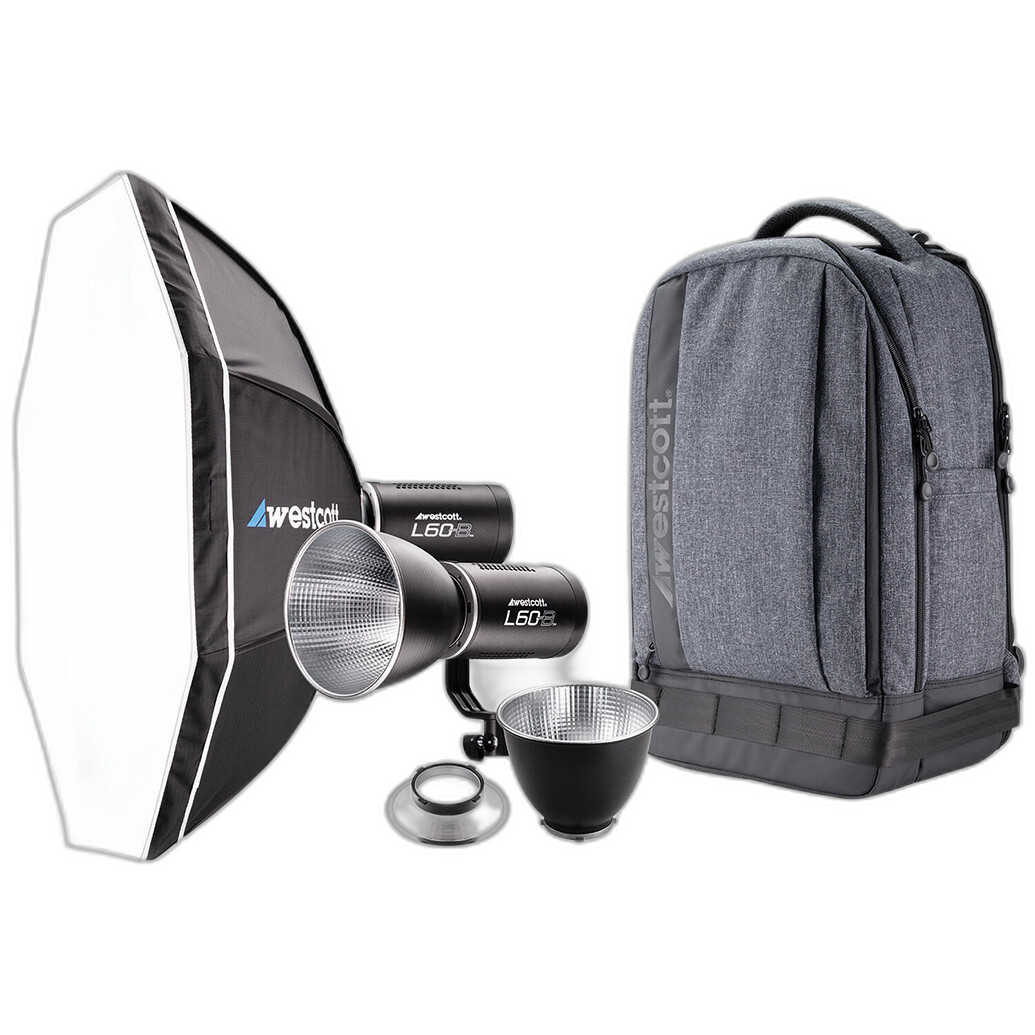
For talking head content, bi-color LED kits are often the smartest value because they allow you to quickly shift between warmer and cooler color temperatures depending on your room and your camera settings. A kit like the Westcott L60-B Bi-Color COB LED 2-Light Backpack Kit is a practical choice for creators who want compact lights with room to grow. Two lights are enough for a polished interview or YouTube setup, especially when paired with soft diffusion or careful placement.
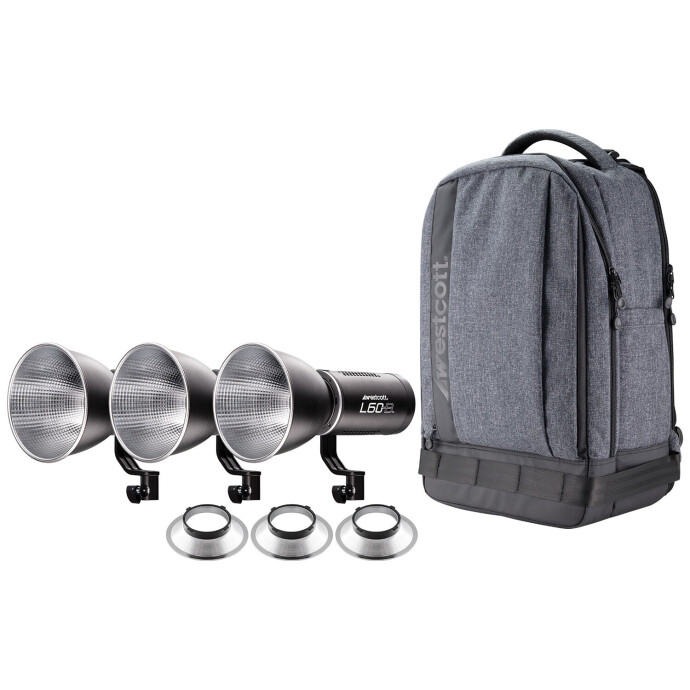
If you want a more complete package for key, fill, and background lighting, the Westcott L60-B Bi-Color COB LED 3-Light Backpack Kit gives you more flexibility in one purchase. That extra fixture can be the difference between a flat image and a more professional look with depth and separation.
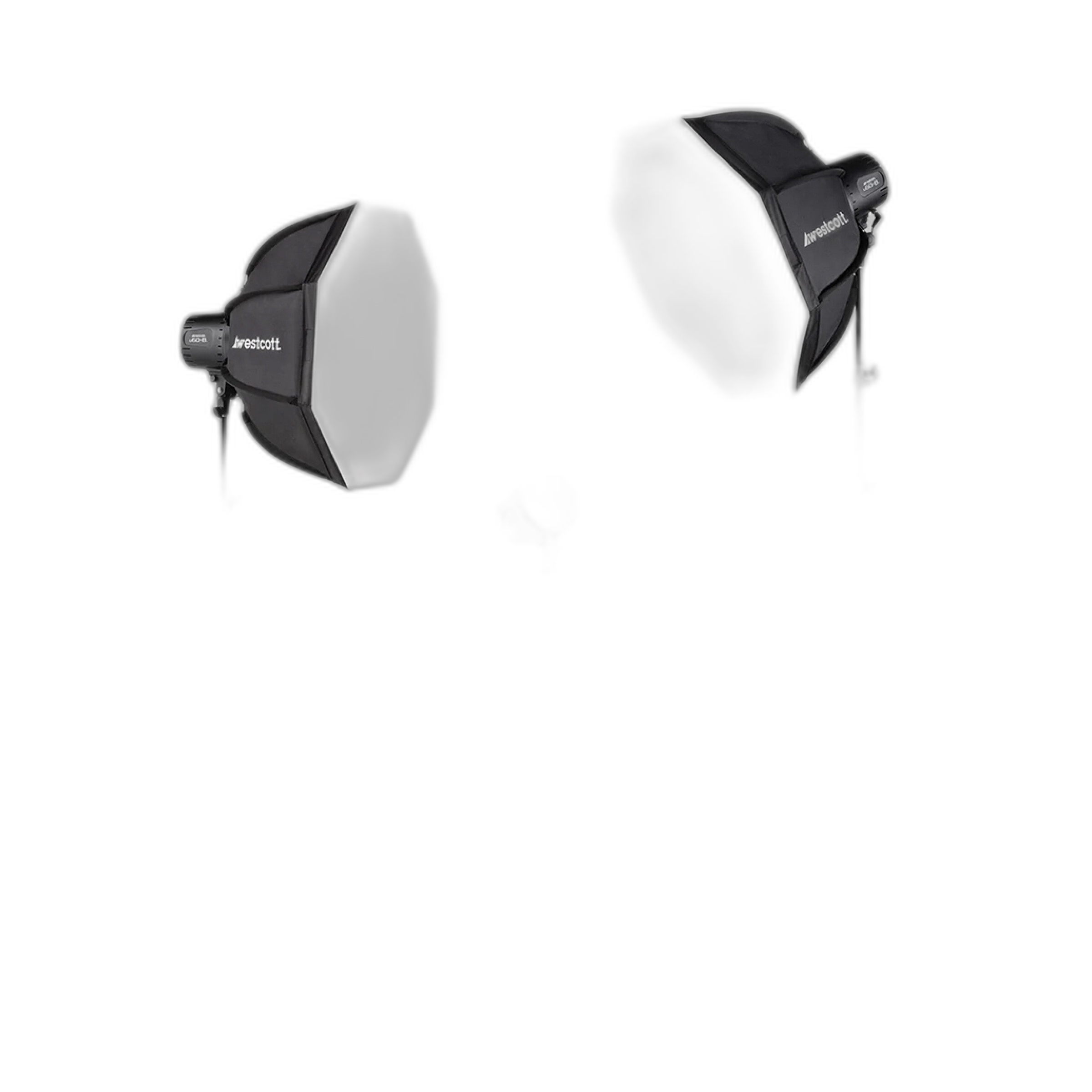
Another excellent option for softer portrait-style illumination is the Westcott U60-B Bi-Color LED 3-Light Softbox Kit. Because softboxes are already part of the kit, it is especially appealing for creators who want flattering light on faces without having to build out a modifier system separately.
Are LED panels or COB LED lights better for studio video?
Both can work, but COB LED lights often offer more output and more modifier options, which makes them especially useful in small studios where you need to control spill and shape light carefully. Traditional panels are convenient and slim, but COB fixtures paired with softboxes, lanterns, or reflectors can produce a more refined and cinematic result.
For creators who want a versatile studio-ready solution, the Westcott L60-B and U60-B kits stand out because they are designed for continuous video use and are easy to adapt to different scenes. If you are filming podcasts, courses, interviews, or product videos, these kinds of systems often give you more control than a basic flat panel setup.
Is it worth investing in RGB lights for creative shoots?
Yes, if your work includes music videos, stylized portraits, branded content, social media reels, or sets where color plays a major role. RGB lights are not a requirement for every studio, but they can expand your creative range significantly. Instead of relying only on neutral white light, you can add color accents to walls, backgrounds, props, or edge lighting for a more dynamic scene.
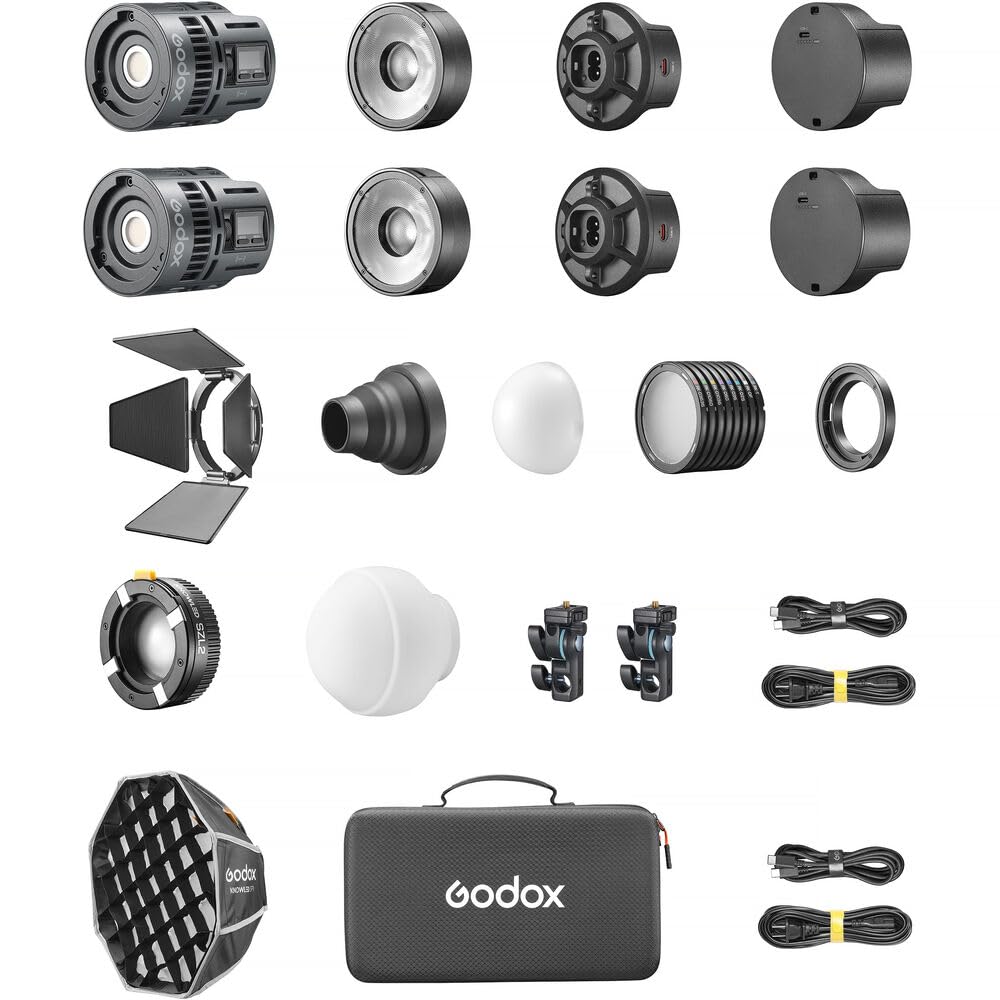
The Godox RS60R RGB LED Monolight 2-Light Kit is a strong option for creators who want both practical and creative flexibility. You can use it for standard white-balanced lighting when needed, then shift into RGB effects for mood, branding, or stylized storytelling. For small studios, a two-light RGB kit can be especially useful as background or accent lighting paired with a separate soft key light.
If most of your content is straightforward talking head video, bi-color may be the better first investment. But if your productions need visual variety, RGB can be well worth it.
How should I light a talking head video in a small room?
A simple three-point approach still works extremely well in a home studio. Start with a large, soft key light positioned slightly above eye level and around 45 degrees from the subject. Add a fill light on the opposite side at a lower intensity, or use a reflector if you want to keep things simple. Then place a third light behind the subject as a hair light or aim it at the background for separation.
This is where kits like the Westcott U60-B Bi-Color LED 3-Light Softbox Kit and Westcott L60-B Bi-Color COB LED 3-Light Backpack Kit become especially useful. They give you enough fixtures to build a classic setup without mixing and matching separate lights from the start.
If your room is very small, prioritize softness over raw power. Larger soft sources close to the subject usually look better than harsh lights placed farther away. Also try to pull your subject away from the wall, even by a few feet, to create more dimension.
How do you balance natural light and artificial light in a home studio?
The key is consistency. Daylight changes throughout the day, so if you rely on window light, your video can shift in brightness and color during a session. You generally have two good approaches: either make natural light your main source and use LEDs to fill and shape it, or reduce window influence with curtains or blinds and let your artificial lights do most of the work.
Bi-color lights are particularly helpful here because you can match the color temperature of your LED fixtures to the daylight coming through a window or warm them up to blend with interior practical lights. That is one reason kits like the Westcott L60-B Bi-Color COB LED 2-Light Backpack Kit and Westcott L60-B Bi-Color COB LED 3-Light Backpack Kit are so useful in home studios.
For the most repeatable results, set your camera white balance manually and keep your room lighting controlled as much as possible. This will help your footage stay consistent from one recording session to the next.
Do I need a two-light kit or a three-light kit?
A two-light kit is enough for many creators. One light can act as your key, while the second handles fill or background separation. If your content is mostly solo, seated, and recorded in a controlled room, a two-light kit can be an efficient and affordable starting point.
A three-light kit becomes more valuable when you want more polished results, more setup options, or plan to shoot a variety of content types. The third light can illuminate a backdrop, create a rim light, or help maintain a cleaner look when you are working in darker environments. That is why three-light options like the Westcott U60-B Bi-Color LED 3-Light Softbox Kit or Westcott L60-B Bi-Color COB LED 3-Light Backpack Kit are often better long-term investments for growing studios.
What if I am not ready to buy a full lighting kit yet?
If you are still testing ideas, building a set, or planning a short-term production, renting can be a smart way to evaluate gear before committing. Unique Photo offers solutions like the Westcott Lighting Philadelphia Studio Rental Package for Half Day, which can be useful for trying out a more complete lighting approach for a client session, pilot episode, or studio test.
This approach is especially helpful if you are comparing bi-color and RGB workflows or figuring out how much output your space really needs.
Are strobe kits a good choice for video lighting?
Not for continuous video use. Strobes are designed primarily for still photography because they flash rather than remain on continuously. Products like the Profoto Pro-B3 Duo 750Ws Monolight (2-Light Kit) and Hensel Certo 200 Basic 2-Light Kit are excellent tools for photographers, but they are not the right foundation for someone building a video lighting setup.
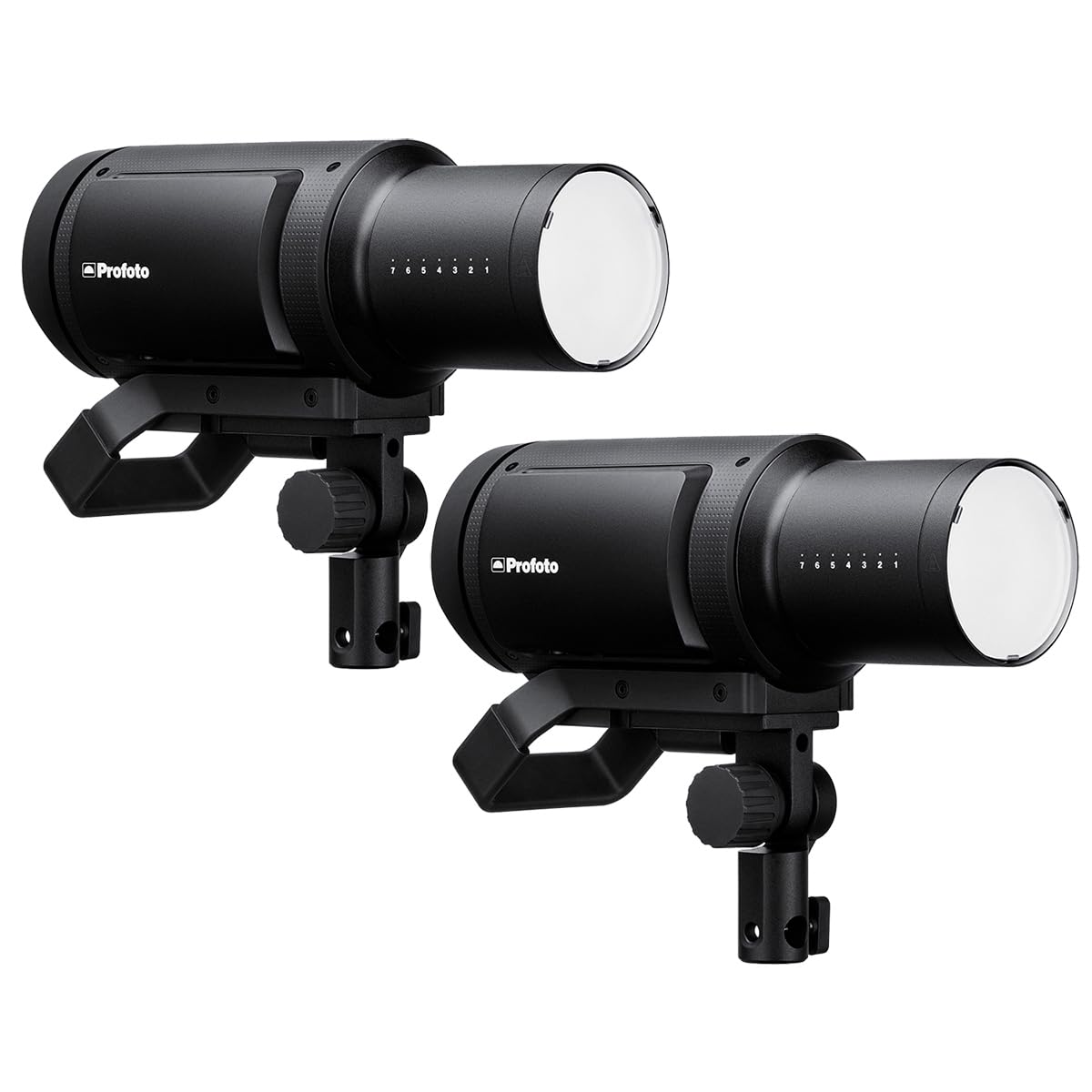
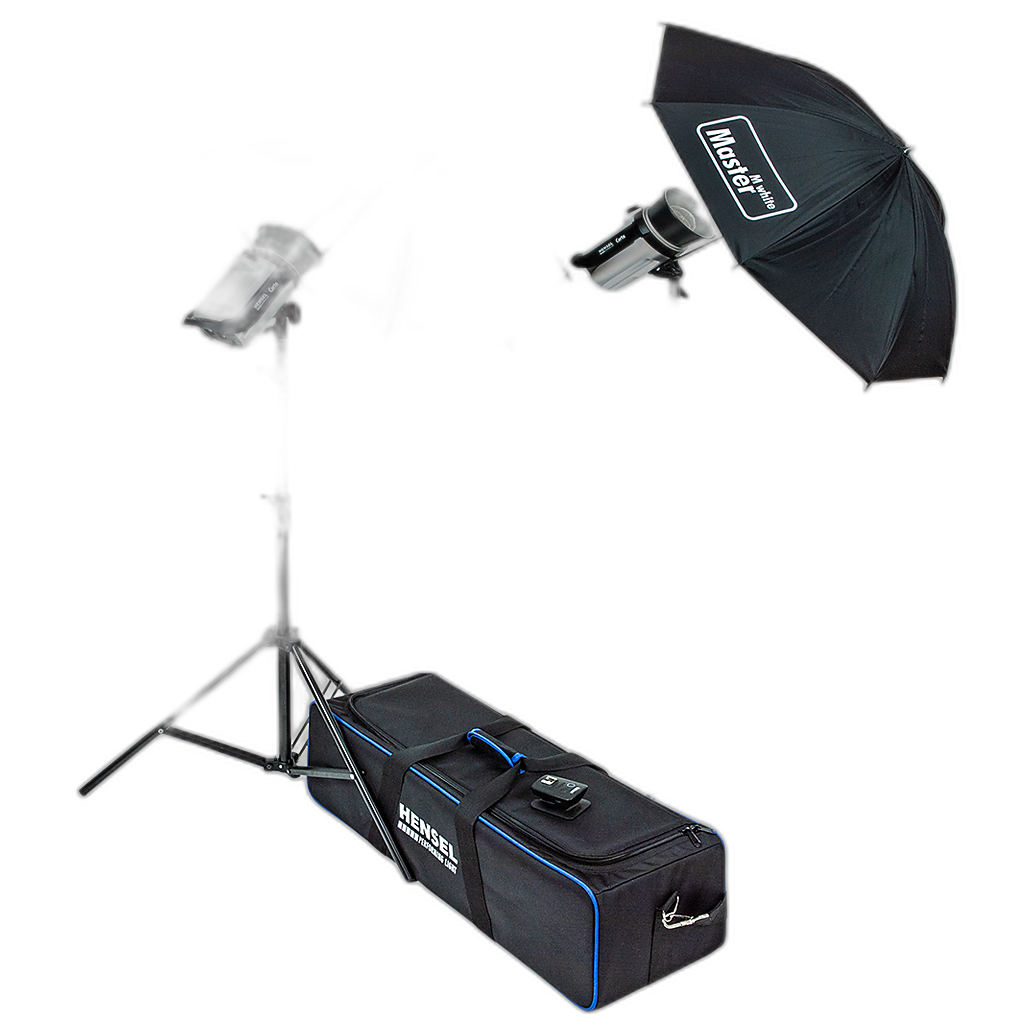
If your studio handles both photo and video, it can make sense to own separate tools for each job. Continuous LEDs are the practical choice for video creators because they provide constant illumination and immediate visual feedback.
What is the easiest all-around starting point for a small studio creator?
If you want a versatile system that works for interviews, tutorials, social content, and general studio shooting, a bi-color three-light LED kit is usually the safest recommendation. It gives you enough flexibility to shape a subject well, light a background, and adapt to different room conditions. For many users, the Westcott U60-B Bi-Color LED 3-Light Softbox Kit is especially appealing because it is built around soft, flattering output, while the Westcott L60-B Bi-Color COB LED 3-Light Backpack Kit offers a portable option with excellent versatility.
For creators who want a packaged solution to begin building a production workflow, the Unique Photo Video Production Kit is also worth considering as part of a broader studio setup strategy.
Choosing the right lighting kit depends on your room size, content style, and need for portability or creative color. If you are ready to upgrade your studio, Unique Photo can help you compare bi-color and RGB options, explore rental solutions, and find the right lighting kit for your production goals.