Choosing the right portrait lens can feel simple until you actually start comparing focal lengths, maximum apertures, working distance, background compression, and how each lens fits your style. One of the most useful patterns reported by Sony Lens Compare beta users is that the “best portrait lens” is rarely one lens for everyone. Instead, the right choice depends on whether you shoot tight headshots, half-body portraits, environmental portraits, weddings, editorial work, or hybrid photo/video assignments.
At Unique Photo, we regularly see Sony shooters narrow their decision down to a few key questions: Do you want the classic 85mm look? Do you need a flexible zoom for fast-moving portrait sessions? Or do you want a normal focal length like 50mm that can handle portraits and everyday storytelling equally well? Below, we break down the main takeaways from beta-user comparisons and explain how to pick the right Sony portrait lens for your style.
What Sony Lens Compare Beta Users Learned About Portrait Focal Lengths
A major insight from Sony Lens Compare beta users is that focal length shapes portrait style more than many buyers expect. While aperture and autofocus matter, perspective and framing often define the final image.
Here is how users commonly described the portrait look of the most popular focal lengths:
- 50mm for natural perspective: Great for full-body portraits, couples, lifestyle work, and environmental portraits where you want the background to remain part of the story.
- 85mm for classic portrait compression: Often considered the sweet spot for flattering headshots and upper-body portraits, with strong subject separation and comfortable working distance.
- 70mm to 150mm for versatility and compression: Excellent for event portraits, candid moments, outdoor sessions, and photographers who want to reframe quickly without moving constantly.
- 20mm to 35mm for environmental portraiture: Useful when context matters, especially for creative portraits, branding shoots, and editorial storytelling.
Beta users repeatedly noted that lens comparison tools are most helpful when they reveal not just sharpness, but how much of the frame changes between 50mm, 85mm, and longer portrait focal lengths. For many Sony shooters, seeing those differences side by side made the buying decision much easier.
Is 85mm Still the Best Sony Portrait Lens?
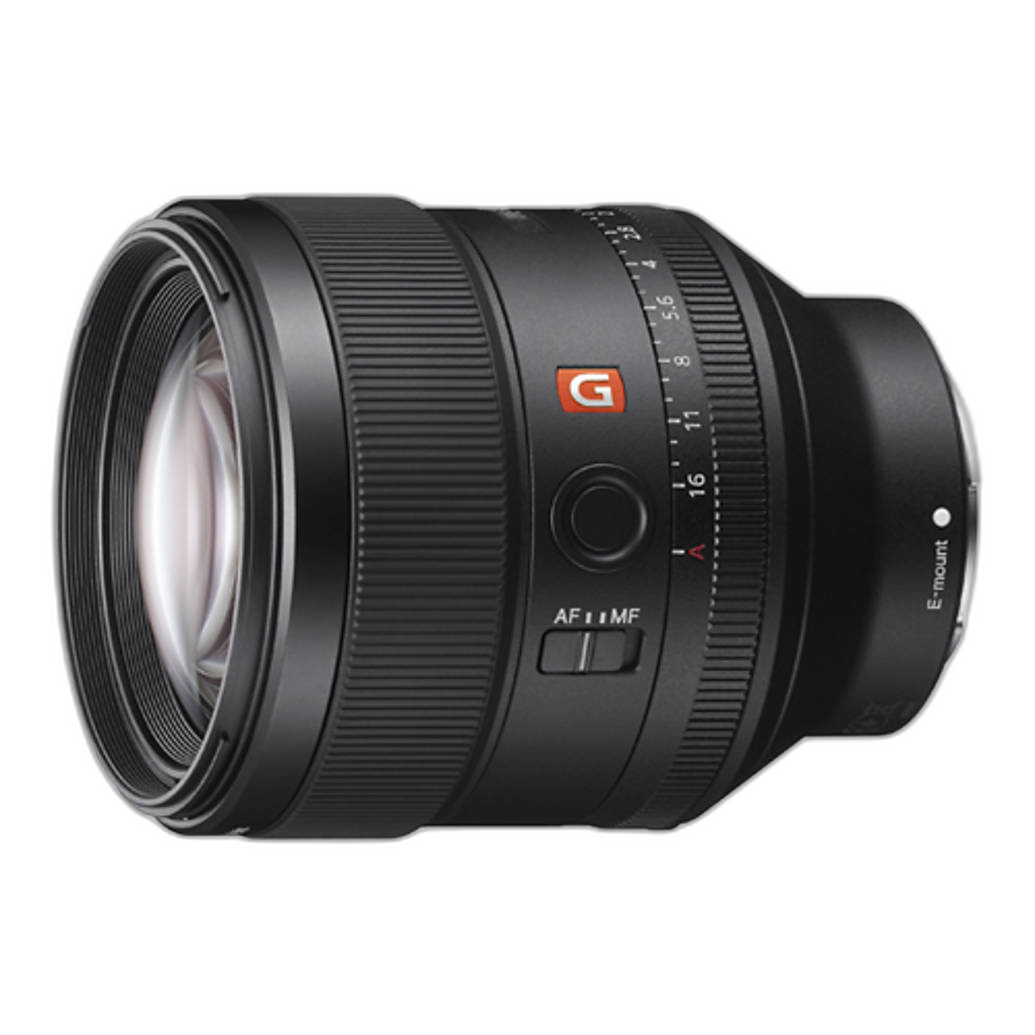
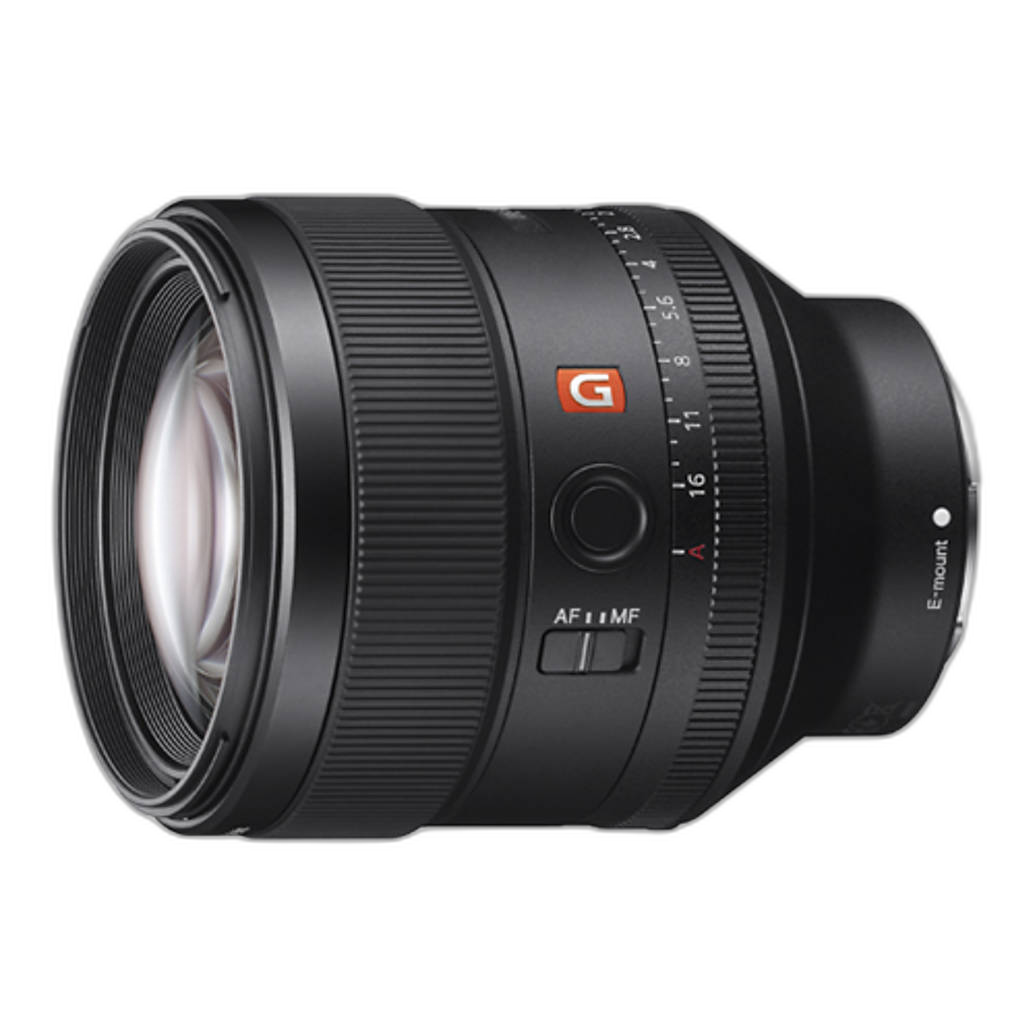
For many photographers, yes. If you search for the best Sony portrait lens, 85mm remains a leading answer for good reason. The Sony FE 85mm f/1.4 GM Lens is a standout choice for portrait specialists who want strong background blur, premium rendering, and that classic flattering look clients often expect from professional portrait work.
Users comparing portrait lenses consistently favored 85mm for:
- Headshots with pleasing facial proportions
- Creamy background separation at wide apertures
- Outdoor portrait sessions where space is available
- Wedding portraits and engagement photography
- Studio work when a tighter, more refined look is preferred
The Sony FE 85mm f/1.4 GM Lens is especially compelling for shooters who prioritize subject isolation and a polished portrait aesthetic. At Unique Photo, it is an easy recommendation for Sony photographers building a dedicated portrait kit.
For budget-conscious buyers who still want that signature focal length, the Used Sony FE 85mm f/1.4 GM - Excellent can be a smart option. Used gear can be a practical way to step into premium Sony portrait glass while preserving budget for lighting, backdrops, or a second lens.
Why Some Beta Users Preferred 50mm for Portrait Photography
Although 85mm gets much of the attention, beta users also pointed out that 50mm may be the better all-around choice for many creators. If you shoot portraits but also need one lens for everyday photography, branding sessions, documentary work, and short video clips, 50mm is hard to ignore.
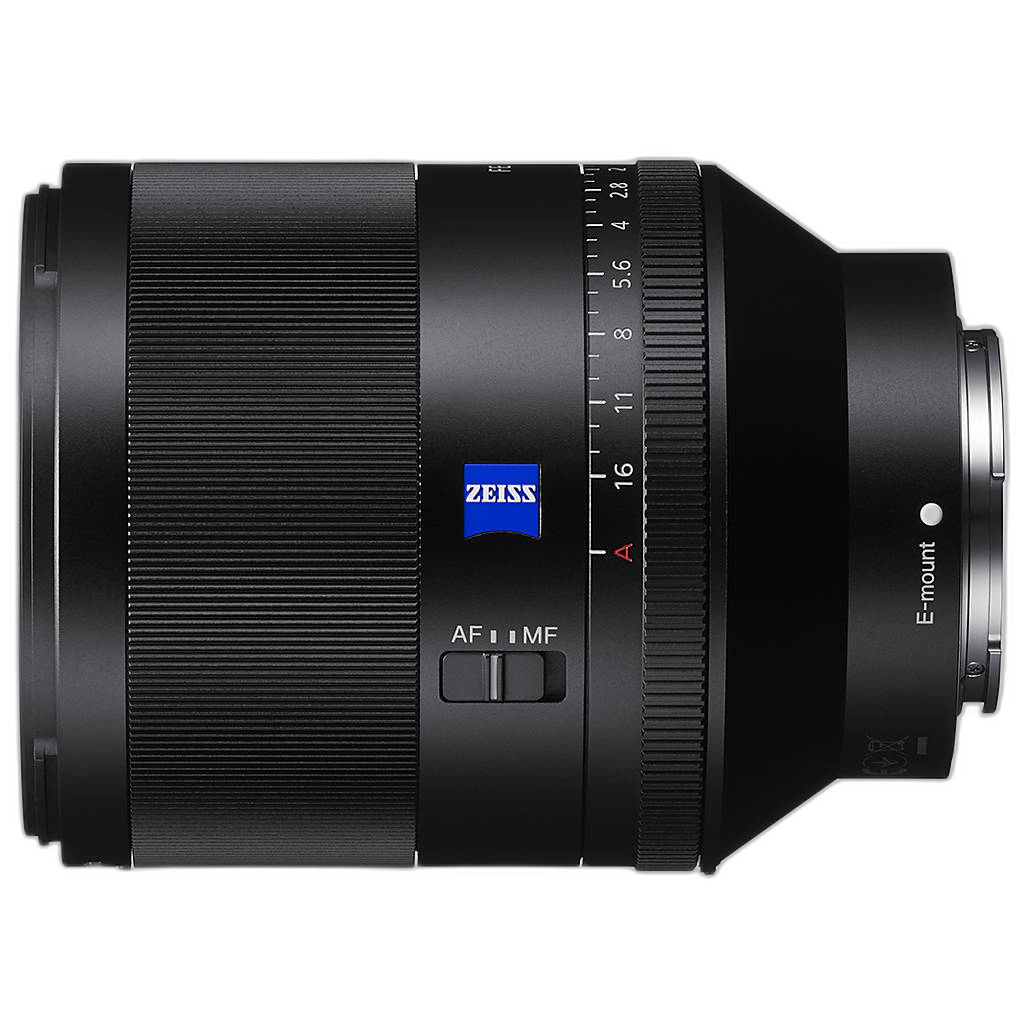
The Sony Planar T* FE 50mm f/1.4 ZA Lens fits this role well. It gives a natural field of view while still offering shallow depth of field for subject separation. In side-by-side comparisons, users often appreciated how 50mm allowed them to work in tighter indoor spaces where 85mm felt restrictive.
A 50mm portrait lens may be the better fit if you often shoot:
- Indoor portraits in smaller rooms or home studios
- Environmental portraits with more visible context
- Branding sessions where subject and surroundings both matter
- Street portraits and lifestyle photography
- Hybrid content combining stills and video
At Unique Photo, 50mm is often recommended to Sony users who want one premium prime that balances portrait quality with everyday versatility.
Are Zoom Lenses Good for Portraits on Sony Cameras?
Another key takeaway from Sony Lens Compare beta users is that modern zooms are far more capable for portrait work than many photographers assume. If your portrait workflow involves changing compositions quickly, directing people in motion, or working events and weddings, a zoom can be the most practical choice.
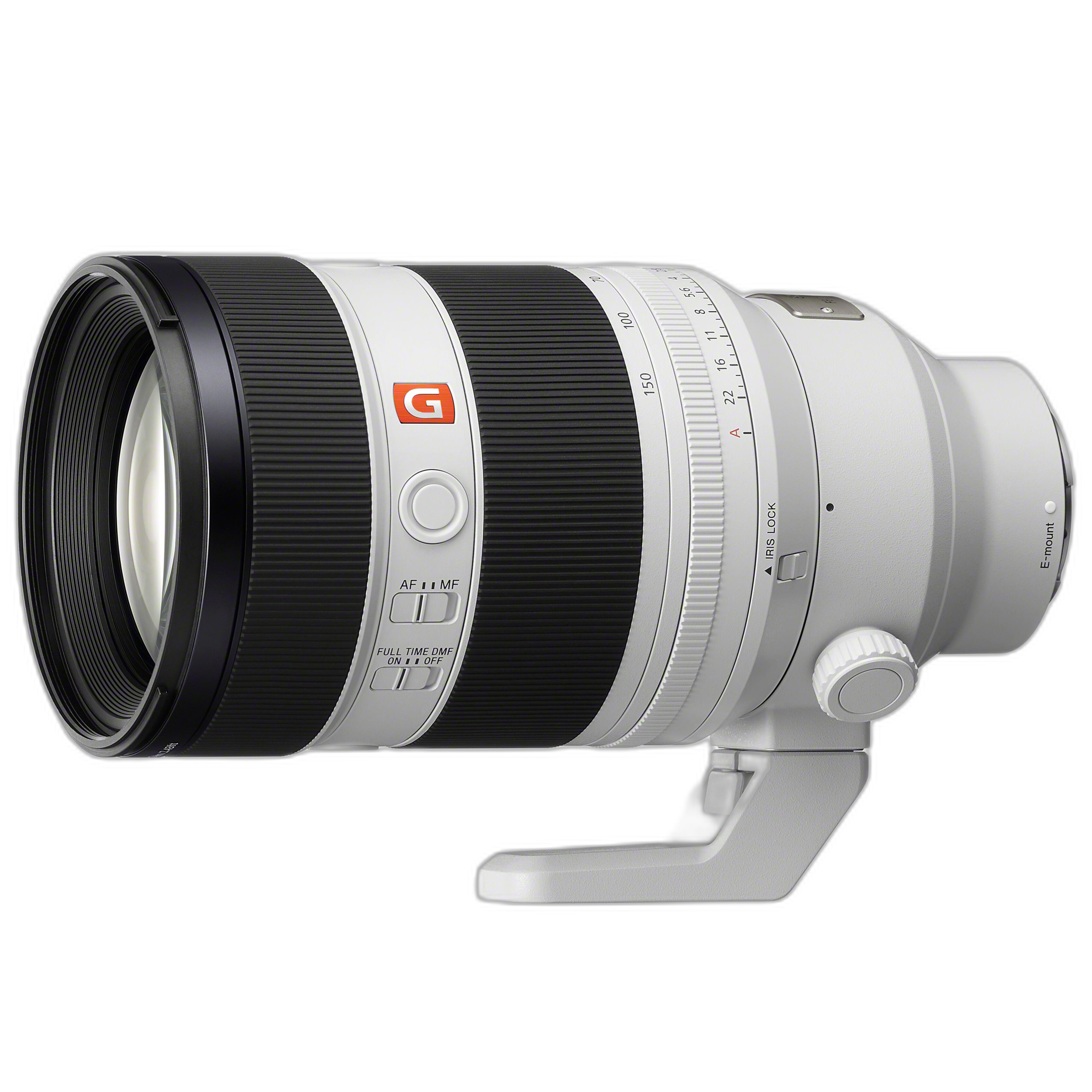
The Sony FE 50-150mm F2 GM Lens stands out here because it covers multiple portrait-friendly focal lengths in one lens. Users interested in a flexible portrait zoom liked the ability to move from natural 50mm framing to more compressed 85mm, 105mm, or 135mm-style compositions without changing position as much.
This kind of lens can be especially useful for:
- Wedding and event portraits
- Fast-paced client sessions
- Outdoor portraits with varied compositions
- Fashion and editorial work
- Photographers who want prime-like speed with zoom convenience
Beta users frequently emphasized that zooms simplify decision-making on set. Rather than carrying multiple portrait primes, a lens like the Sony FE 50-150mm F2 GM Lens can cover a wide range of portrait looks in one package.
Best Sony Lenses for Environmental Portraits
Not every portrait needs heavy background blur. Many beta users preferred wider focal lengths for environmental portraits, especially when the setting helps tell the story. Think musician portraits in a studio, chef portraits in a kitchen, or personal branding sessions in a workspace.
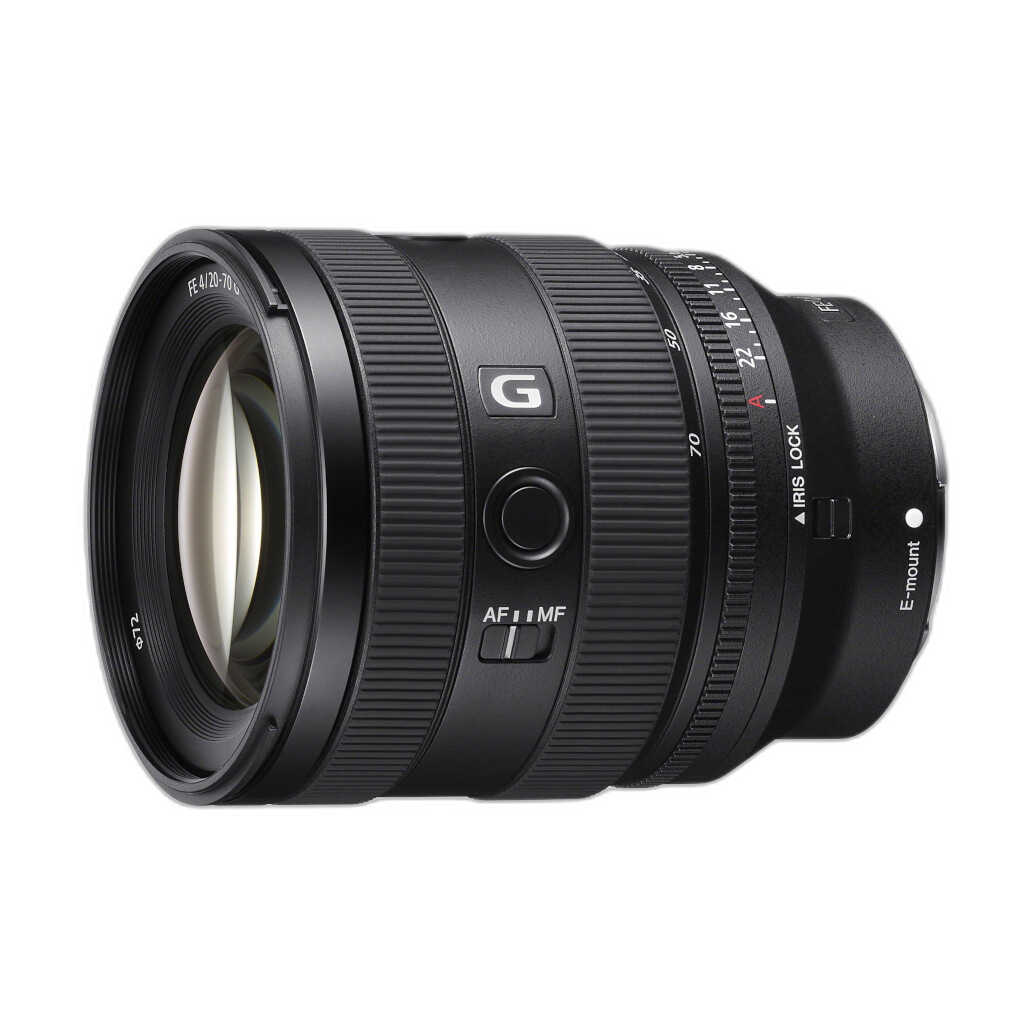
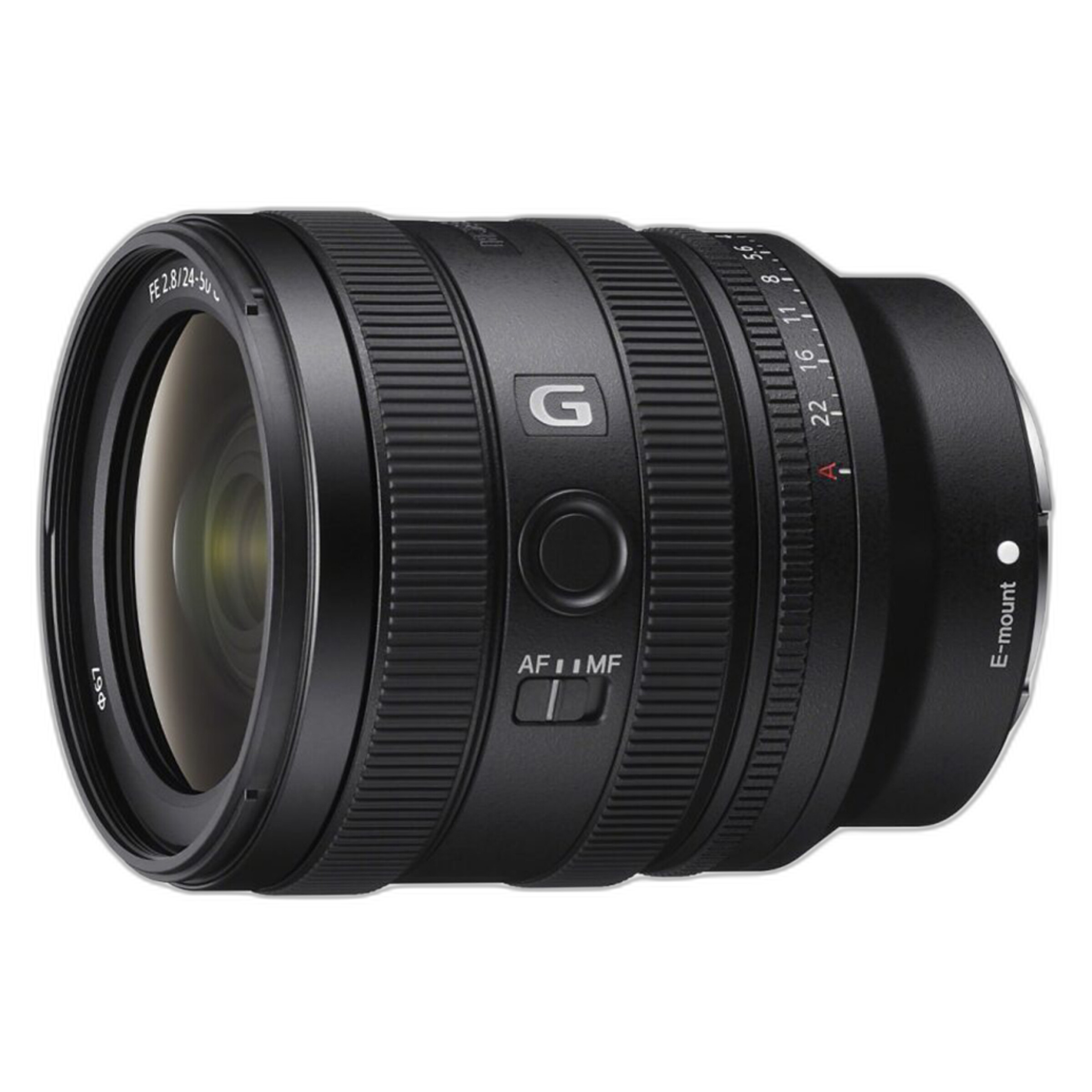
For this style, users often gravitated toward lenses like the Used Sony FE 20-70mm f/4 G Lens - Excellent or the Used Sony FE 24-50mm f/2.8 G Lens - Excellent. These lenses offer flexible framing for portraits that include architecture, interiors, or contextual background elements.
The Used Sony FE 20mm f/1.8 G Lens - Excellent can also be a creative option for photographers who want dramatic wide-angle environmental portraits. Used carefully, a 20mm lens can produce striking images with strong foreground presence and immersive storytelling.
Beta-user insight here was clear: wider lenses are not “wrong” for portraits. They simply serve a different purpose. The goal shifts from pure compression and blur to context, energy, and scene-building.
How to Choose Between a Prime and a Zoom for Portraits
This was one of the most common portrait lens comparison questions. Beta users generally divided their advice this way:
- Choose a prime if you want the strongest subject isolation, a simpler shooting approach, and a signature look tied to a specific focal length.
- Choose a zoom if you need flexibility, speed, and efficiency across different portrait setups.
If your portrait work is intentional and controlled, the 85mm or 50mm prime route may be ideal. If you shoot families, weddings, events, or a mix of portraits and general assignments, a versatile zoom may better support your workflow.
The Used Sony FE 24-50mm f/2.8 G Lens - Excellent is a useful example of a compact standard zoom that can handle portraits, detail shots, and general-purpose coverage. Likewise, the Used Sony FE 16-25mm f/2.8 G Lens - Excellent can support creative environmental portraiture when you want wider framing and modern composition styles.
What Matters Most Beyond Focal Length?
Beta users comparing Sony portrait lenses didn’t just focus on focal length. They also highlighted several practical factors that affect real-world results:
- Autofocus reliability: Essential for eye detection, moving subjects, and wide-aperture shooting.
- Working distance: Longer lenses give more comfortable personal space and can help subjects relax.
- Background rendering: Bokeh quality and transition from sharp to soft areas matter in portrait photography.
- Size and weight: Important for long sessions, travel, and handheld shooting.
- Shooting space: Your studio, home, or outdoor environment may limit which focal lengths are practical.
- Budget: Used Sony lenses from Unique Photo can make premium portrait glass more accessible.
These details often explain why one lens performs better for a specific photographer, even if another lens looks better on paper.
Portrait Lens Recommendations by Shooting Style
If you are still deciding, these simplified recommendations reflect the most common beta-user preferences:
- For classic portrait specialists: Sony FE 85mm f/1.4 GM Lens
- For portrait photographers on a value-focused budget: Used Sony FE 85mm f/1.4 GM - Excellent
- For one-lens versatility with portrait strength: Sony Planar T* FE 50mm f/1.4 ZA Lens
- For event, wedding, and fast-moving portrait work: Sony FE 50-150mm F2 GM Lens
- For environmental portrait photographers: Used Sony FE 20-70mm f/4 G Lens - Excellent
- For compact general-purpose portrait use: Used Sony FE 24-50mm f/2.8 G Lens - Excellent
- For dramatic wide-angle creative portraits: Used Sony FE 20mm f/1.8 G Lens - Excellent
Final Thoughts: The Best Sony Portrait Lens Is the One That Matches Your Workflow
The biggest lesson from Sony Lens Compare beta users is simple: there is no single best Sony portrait lens for every photographer. The best choice depends on how you shoot, where you shoot, and what kind of portraits you want to create.
If you want the timeless portrait look, start with an 85mm option. If you need flexibility and all-around use, consider 50mm or a portrait-friendly zoom. If storytelling matters as much as blur, a wider zoom or wide prime may be exactly the right fit.
At Unique Photo, Sony photographers can explore both new and used lens options to build a portrait kit that matches real shooting needs instead of chasing specs alone.
For internal linking, consider guiding readers to related Unique Photo pages such as Sony mirrorless lenses, used Sony lenses, portrait photography gear, lighting for portraits, and camera accessories for studio and location work.