Best Travel Cameras in 2024: Compact vs Mirrorless FAQ
Choosing a travel camera is always a balancing act: you want something light enough to carry all day, flexible enough to handle different scenes, and capable of delivering image quality that feels worth the trip. At Unique Photo, we usually recommend starting with how you actually travel—city walking, hiking, family vacations, or content creation—then matching your camera and lens setup to that style.
Below, we answer the most common travel camera questions shoppers ask when comparing compact cameras and lightweight mirrorless options, including how weather sealing, lens choice, and packing strategy affect your experience on the road.
Should I choose a high-end compact camera or a small mirrorless camera for travel?
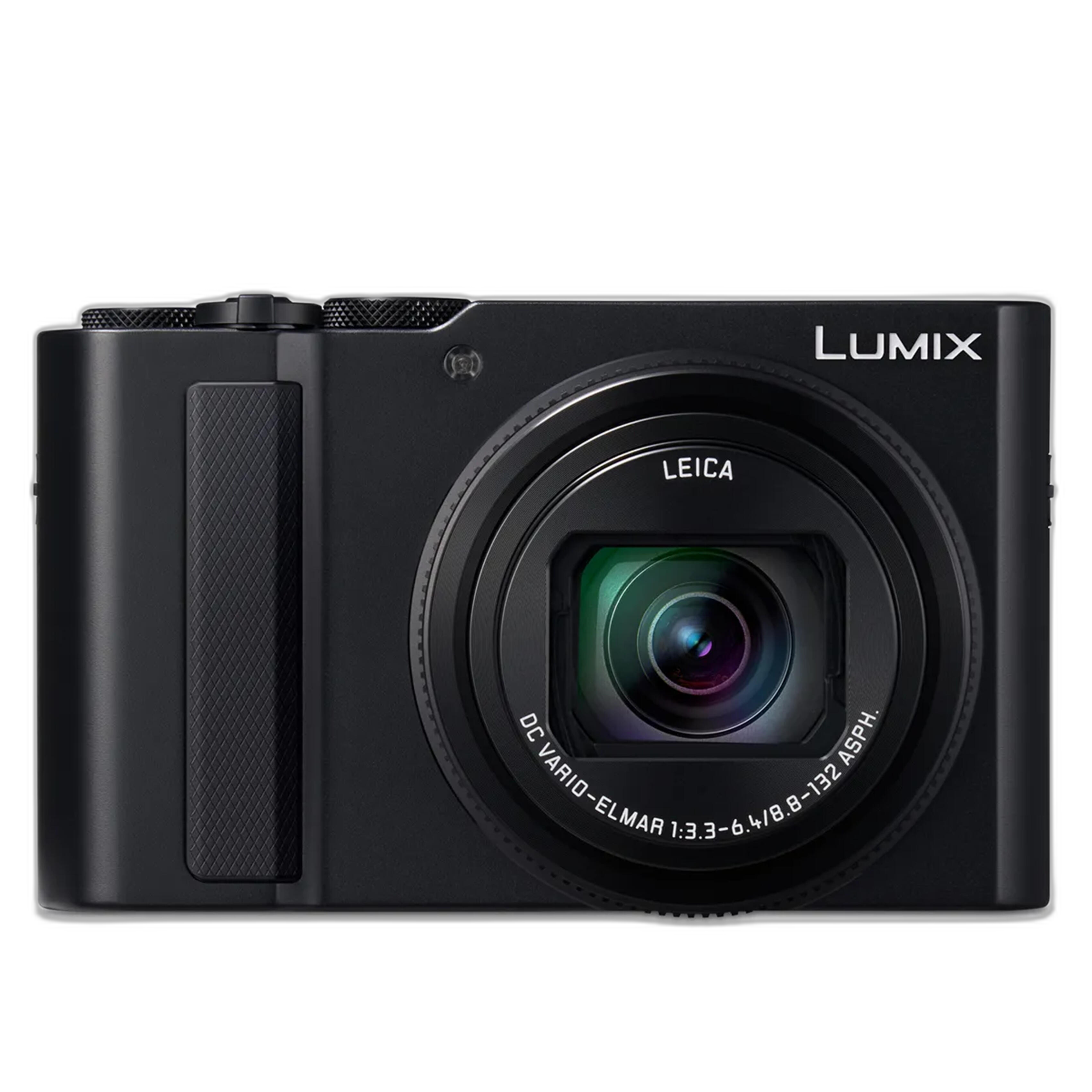
The right answer depends on whether convenience or flexibility matters more to you. A compact camera is ideal if you want the simplest possible setup: no lens changes, easy packing, and a camera you are more likely to keep with you all day. For travelers who value zoom reach in a very portable body, the Panasonic LUMIX ZS300 is a practical option. It keeps your kit minimal and is especially appealing for sightseeing, family trips, and casual travel where you want one camera that does a lot without adding bulk.
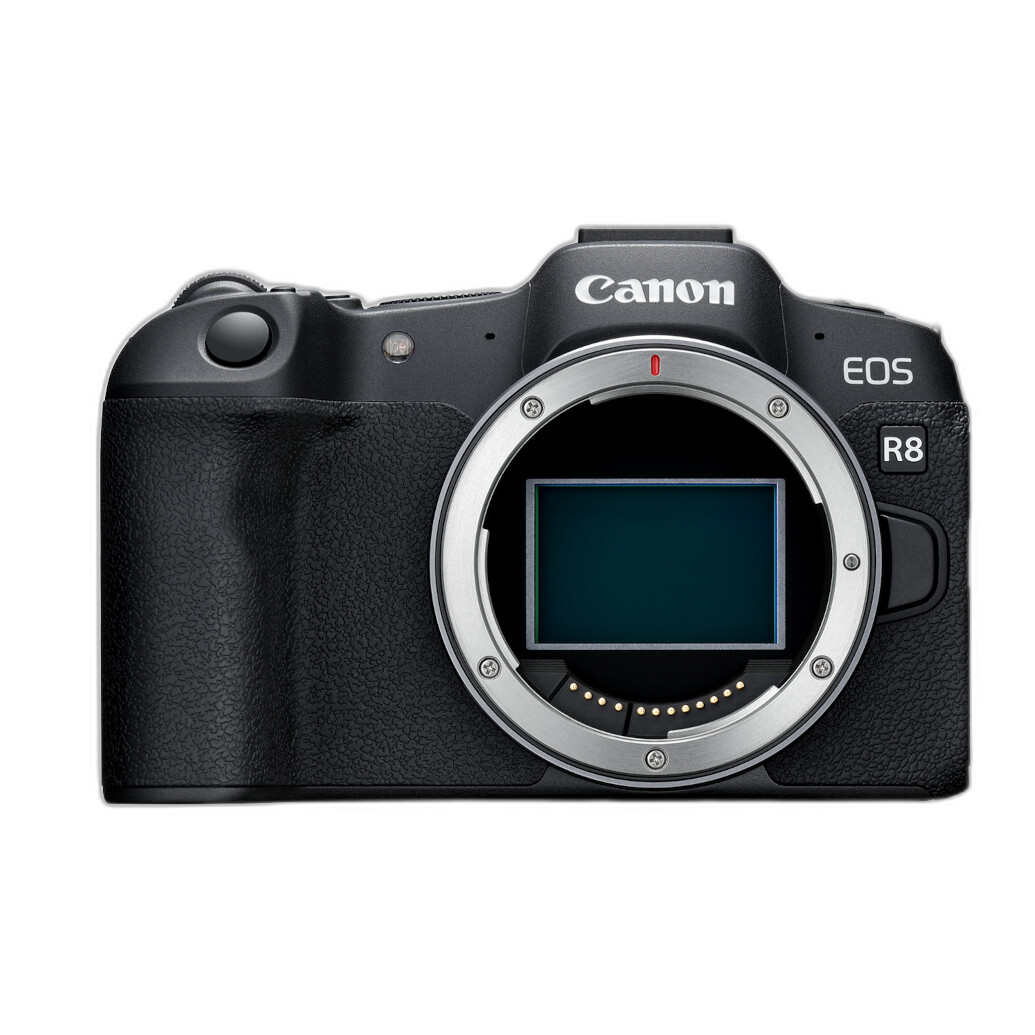
If you want better low-light performance, more room to grow, and lens interchangeability, a small mirrorless camera is usually the better long-term choice. The Canon EOS R8 is a strong fit for travelers who want full-frame image quality without carrying a large body. It is a smart step up for anyone who wants better subject isolation, cleaner high-ISO files, and more creative lens options while still keeping the kit reasonably compact.
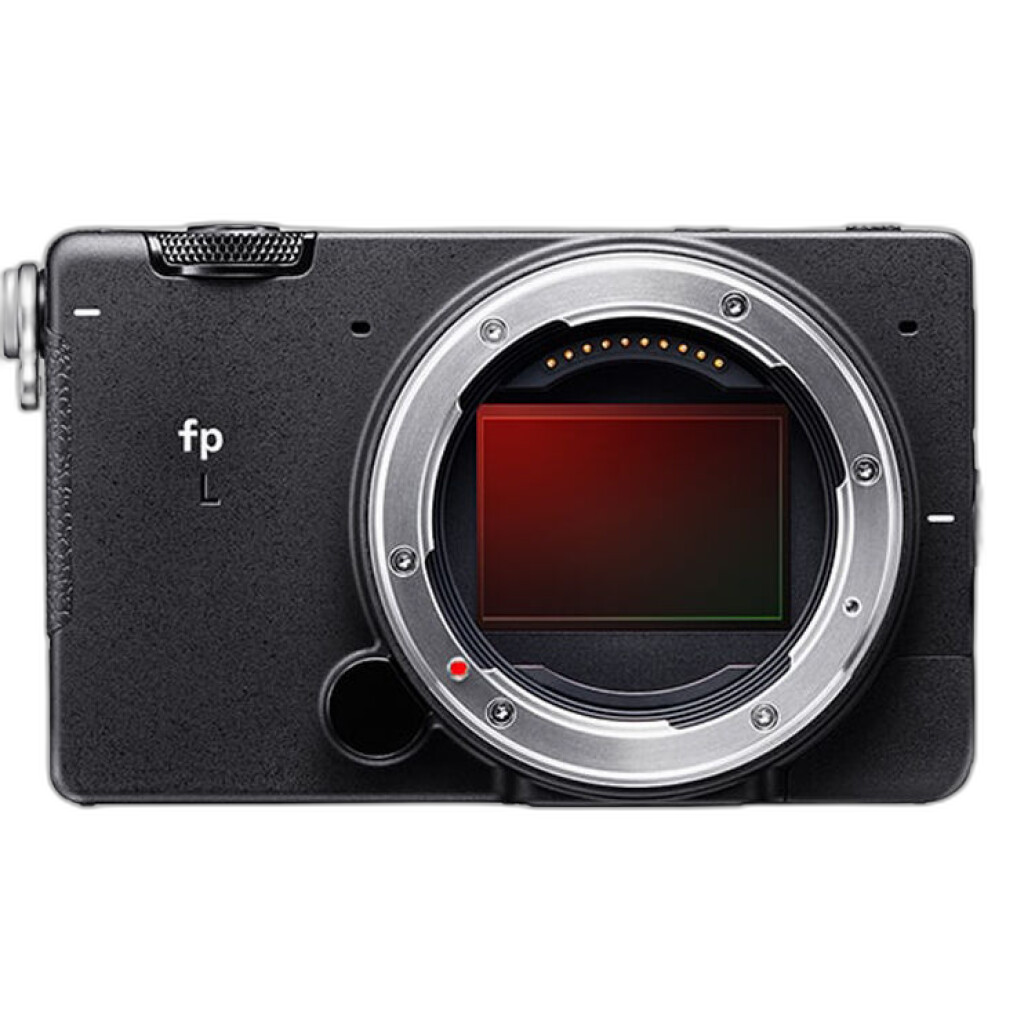
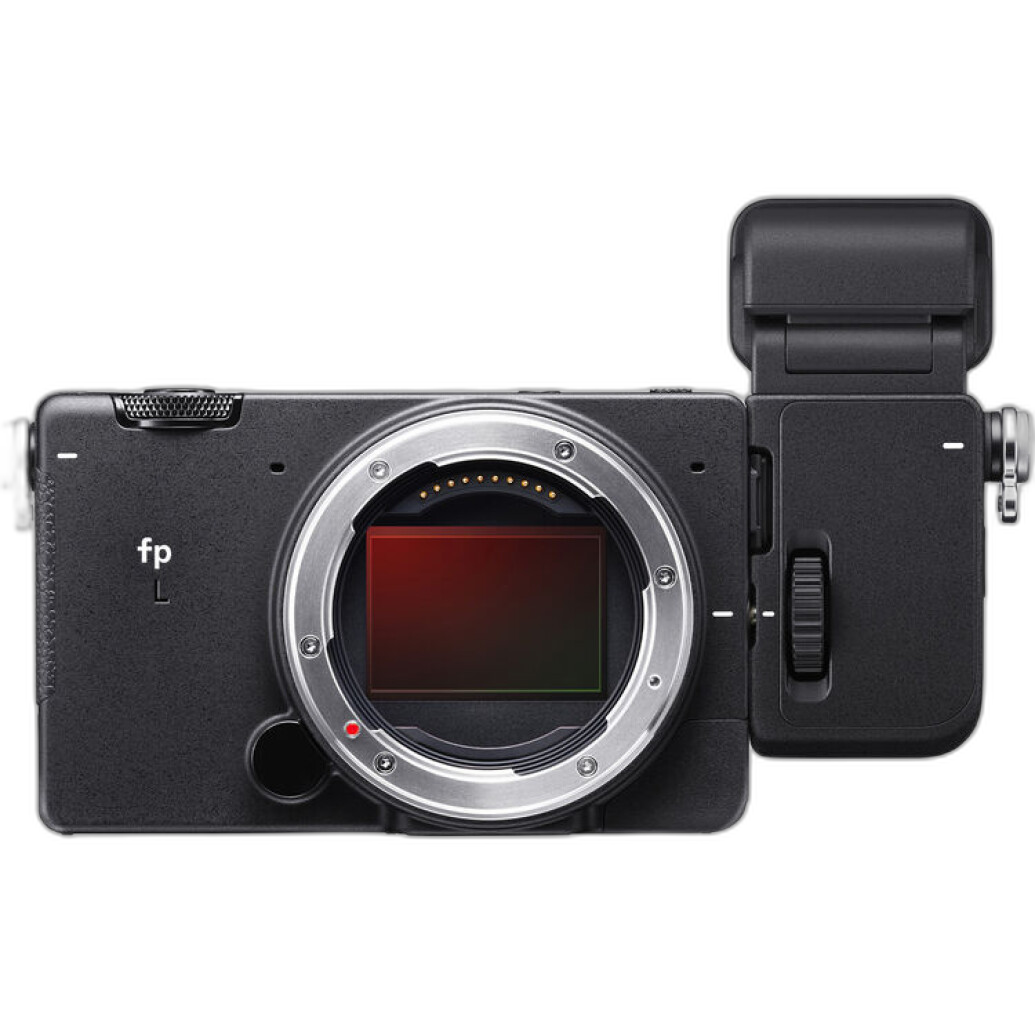
For travelers who prioritize an especially small full-frame body, the Sigma fp L also stands out. Its compact design makes it appealing for minimalist travel kits, street photography, and hybrid shooters who value portability above all.
What is the best balance of size, versatility, and image quality for most travelers?
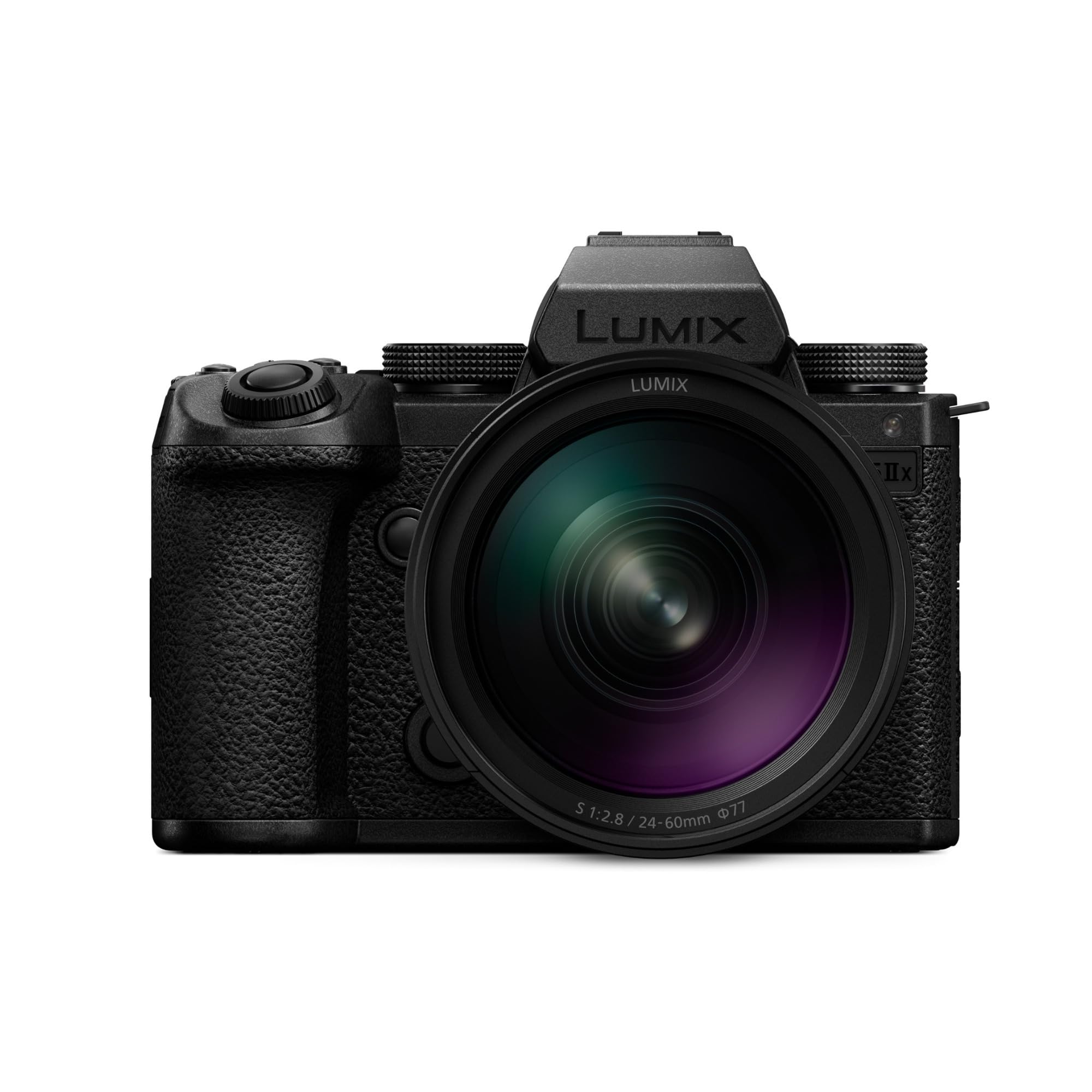
For many people, the sweet spot is a mirrorless camera paired with a versatile standard zoom. This gives you enough wide-angle coverage for architecture and landscapes, enough reach for portraits and detail shots, and image quality that clearly outperforms most smaller-sensor cameras. A kit like the Panasonic Lumix S5IIX with 24-60mm f/2.8 lens is particularly attractive because it combines a full-frame sensor with a practical zoom range and a bright aperture, making it useful for travel photography, video, and low-light scenes.
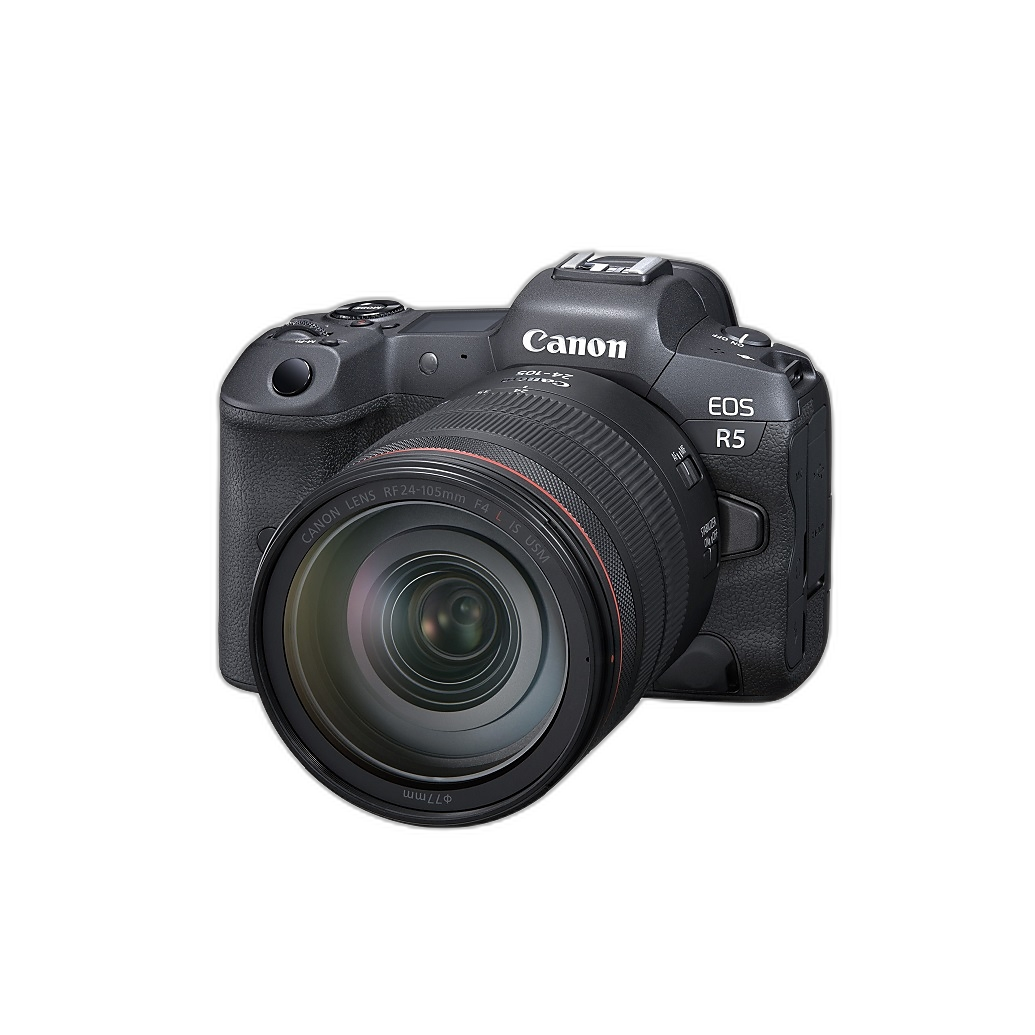
If you want an even more established all-in-one travel pairing, the Canon EOS R5 with 24-105mm lens offers a broader zoom range and premium performance. It is not the lightest option in this group, but it is extremely capable for travelers who want one setup that can handle landscapes, portraits, street scenes, and even more demanding shooting situations.
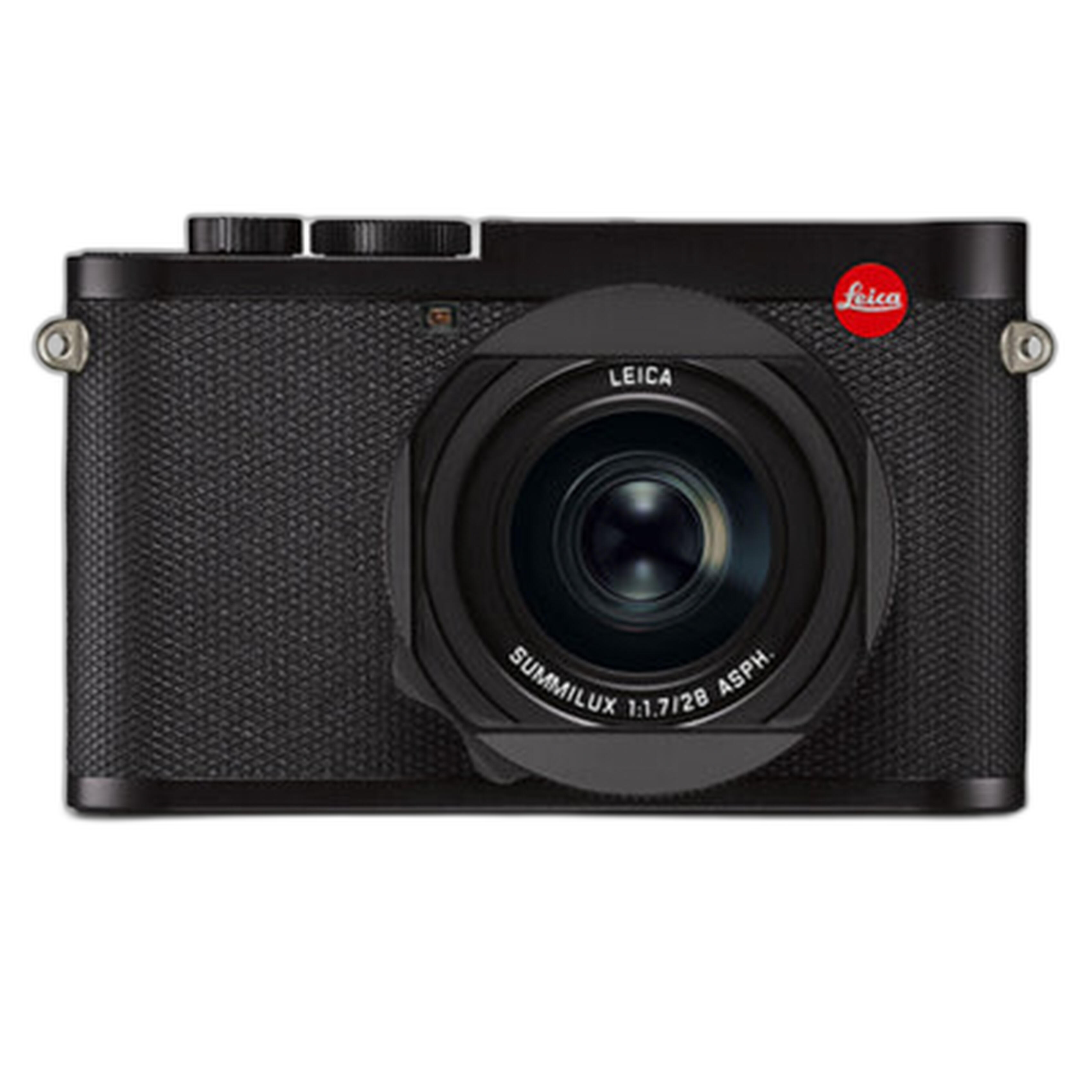
If absolute portability is the priority, a fixed-lens premium compact can still be the best overall balance. A used Leica Q2 Traveler Kit is a compelling example for travelers who want excellent image quality in a carry-everywhere format, along with the simplicity of a fixed lens and a premium shooting experience.
How important is weather sealing for travel photography?
Weather sealing matters most if your trips involve unpredictable environments: rain, dust, sea spray, mountain trails, or frequent outdoor shooting. It is less critical for travelers who mostly photograph in cities, museums, restaurants, and fair-weather destinations. That said, travel often means you cannot control conditions, so durability becomes more valuable the longer and more varied your trip is.
If you are traveling through changing climates or planning active outdoor use, a more robust mirrorless body can offer extra peace of mind. Cameras like the Canon EOS R5 or Panasonic Lumix S5IIX are better suited to travelers who expect demanding conditions and do not want to stop shooting the moment the weather turns. Weather resistance does not mean invincibility, but it can make a real difference on the road.
For lighter travel where compactness is the top priority, it can still make sense to choose a smaller body and simply pack more carefully. A small shoulder bag, dry pouch, or rain cover often helps bridge the gap for casual travelers who do not need a full ruggedized setup.
What lens is best for all-around travel use?
If you only want to bring one lens, a standard zoom is almost always the most practical answer. Something in the 24-60mm or 24-105mm range is ideal because it covers the most common travel subjects without making you switch lenses constantly. Wide enough for scenic overlooks and interiors, and long enough for portraits, food, and everyday details, this range is the easiest recommendation for most travelers.
The Panasonic Lumix S5IIX with 24-60mm f/2.8 lens is a particularly attractive one-lens solution for travelers who want good low-light flexibility and strong image quality in a relatively streamlined package. The Canon EOS R5 with 24-105mm lens is another excellent travel pairing when you want more reach and broad versatility from a single setup.
Travelers who prefer to avoid interchangeable lenses altogether may be better served by an integrated zoom camera like the Panasonic LUMIX ZS300, which simplifies packing and eliminates the need to expose the sensor during lens changes. That can be especially helpful in sandy, windy, or fast-moving travel situations.
Is a full-frame camera worth bringing on a trip?
Yes—if you care about image quality, low-light performance, and editing flexibility, full-frame can absolutely be worth it. But the real question is whether the camera is small and comfortable enough that you will actually carry it. A large camera left in the hotel is less useful than a smaller one that is always with you.
The Canon EOS R8 is one of the more compelling full-frame travel choices because it keeps weight down while still giving you many of the benefits people want from a modern mirrorless system. The Sigma fp L is also notable for delivering full-frame imaging in an unusually compact body, which appeals to travelers building a highly portable kit.
For photographers who want top-tier stills and broader professional capability, the Canon EOS R5 remains a premium travel option. It makes the most sense for trips where photography is a major priority rather than something secondary to the itinerary.
Do travelers regret bringing too much gear?
Very often, yes. One of the most common travel mistakes is packing for every possible scenario instead of the trip you are actually taking. Extra lenses, accessories, and backup items can sound reassuring at home, but they quickly become a burden when you are walking for hours, moving through airports, or trying to stay spontaneous.
Our advice is simple: start with the shots you most want to make, then build the smallest kit that supports them. A single-body, single-lens setup is usually enough for most vacations. If you know you will mostly shoot daytime city scenes, street photography, food, and landscapes, a compact camera or mirrorless body with one versatile zoom is often the smartest choice.
Cameras like the Panasonic LUMIX ZS300 reduce decision fatigue and weight. Kits like the Panasonic Lumix S5IIX with 24-60mm or Canon EOS R5 with 24-105mm keep you versatile without turning your bag into checked luggage.
Do travelers regret bringing too little gear?
Sometimes—but usually only when they bring the wrong kind of minimal setup. The goal is not to bring as little as possible; it is to bring enough to cover your style of travel without creating friction. For example, if you love low-light restaurant scenes, night streets, and portraits, an ultra-basic compact may feel limiting. If you expect wildlife or distant architecture, too little zoom can also be frustrating.
That is why it helps to think in terms of constraints. If your priority is simplicity, choose a compact with strong zoom flexibility like the Panasonic LUMIX ZS300. If your priority is image quality with a small footprint, a body like the Canon EOS R8 or Sigma fp L may be a better fit. If your trip centers heavily on photography, stepping up to a more capable all-around kit like the Canon EOS R5 with 24-105mm can prevent that feeling of having left the right tool at home.
What travel camera setup is best for city trips, road trips, and mixed travel?
For city trips, smaller is usually better. You will likely walk a lot, stop frequently, and want something discreet. A compact like the Panasonic LUMIX ZS300 or a small full-frame body such as the Sigma fp L works well here, depending on how much image quality and lens flexibility you want.
For road trips, you can usually carry a bit more, so a versatile mirrorless kit makes sense. The Canon EOS R8 is a strong middle-ground choice, while the Panasonic Lumix S5IIX with 24-60mm f/2.8 offers an excellent blend of stills and video capability. For travelers who expect a wide variety of subjects and want a premium all-around setup, the Canon EOS R5 with 24-105mm is especially capable.
For mixed travel—some walking, some driving, some sightseeing, some dedicated photography—the best setup is usually the one that stays simple. One body, one lens, extra battery, and a small bag remain the formula we recommend most often.
What is the smartest packing strategy for travel photography?
Keep your kit lean and deliberate. Bring one primary camera, one primary lens or fixed-lens camera, spare batteries, memory cards, and only the accessories you know you will use. If you are debating a second lens, ask whether it will stay on the camera often enough to justify the weight.
A travel-friendly kit should let you move comfortably through airports, public transit, and long sightseeing days. That is one reason compact options like the Panasonic LUMIX ZS300 and integrated premium choices like the Leica Q2 remain popular. On the mirrorless side, smaller bodies such as the Canon EOS R8 or Sigma fp L help keep your load manageable while still delivering strong image quality.
The best travel camera is the one that fits your itinerary, your shooting style, and your willingness to carry it from morning to night. If you want help comparing a compact travel camera to a lightweight mirrorless kit, Unique Photo can help you narrow down the right option for your next trip and get you ready to pack smarter.