Introduction
Color negative film remains a favorite for photographers who want wide exposure latitude, organic grain, and a look that still feels hard to duplicate digitally. In this comparison, we’re looking at several standout options from Kodak and Fujifilm that each bring a distinct personality to the table. Rather than treating them as purely technical products, this guide focuses on why these are favorite color negative stocks for different kinds of shooters—whether you prioritize fine grain, vivid color, versatility, or cinematic rendering.
The lineup here includes medium format staples like Kodak Ektar 100 and Kodak Ektacolor Pro 400, an everyday 35mm choice in Fujifilm 400, and two specialty motion-picture options in Kodak VISION3 50D and VISION3 500T for Super 8 users. These films serve different formats and workflows, but together they show just how broad the color negative category can be.
Side-by-Side Specs Comparison
| Film | Format | ISO | Type | Best For | Look |
|---|---|---|---|---|---|
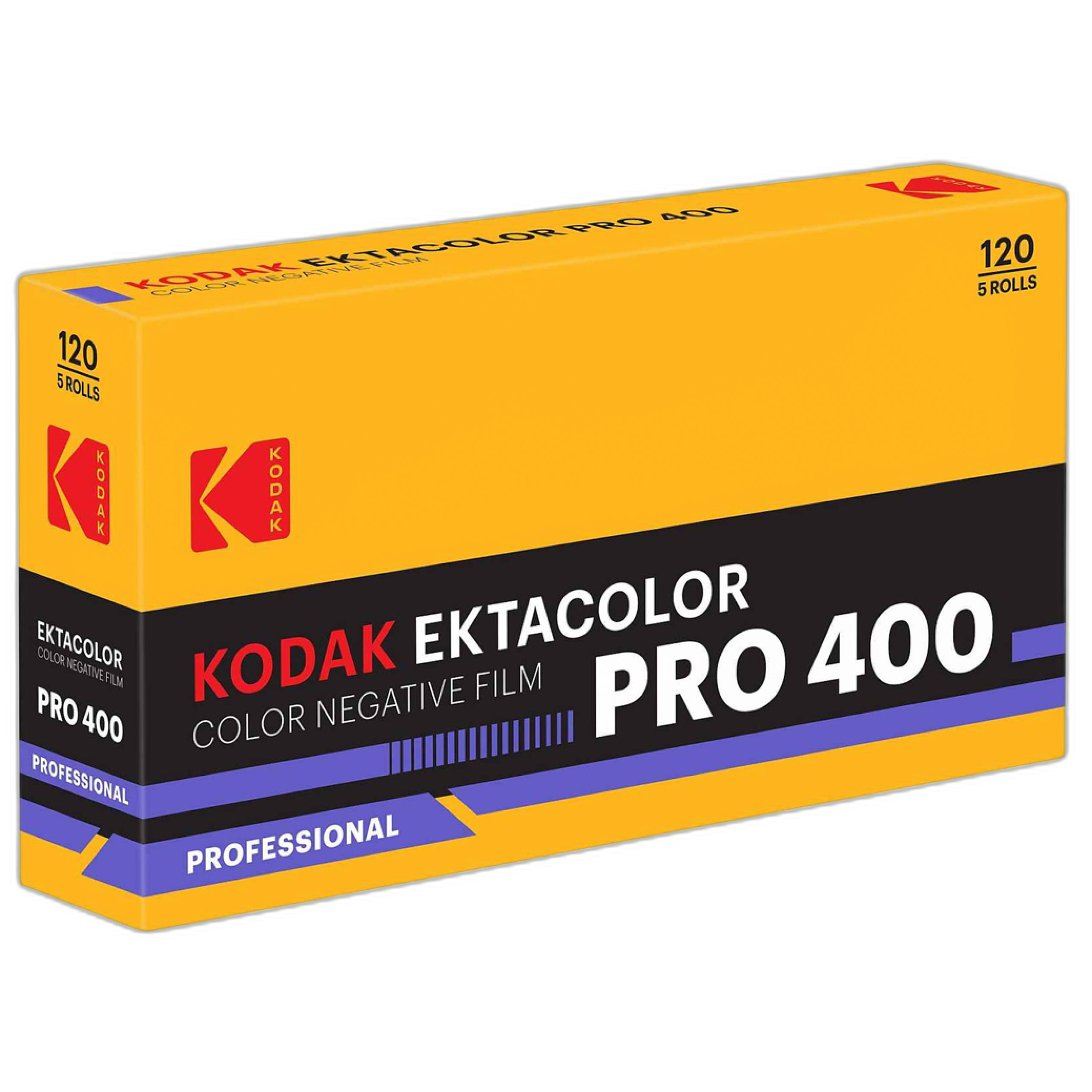
| Kodak Ektacolor Pro 400 | 120 | 400 | Color Negative | Portraits, events, general medium format use | Balanced color, flexible, classic pro-film rendering |
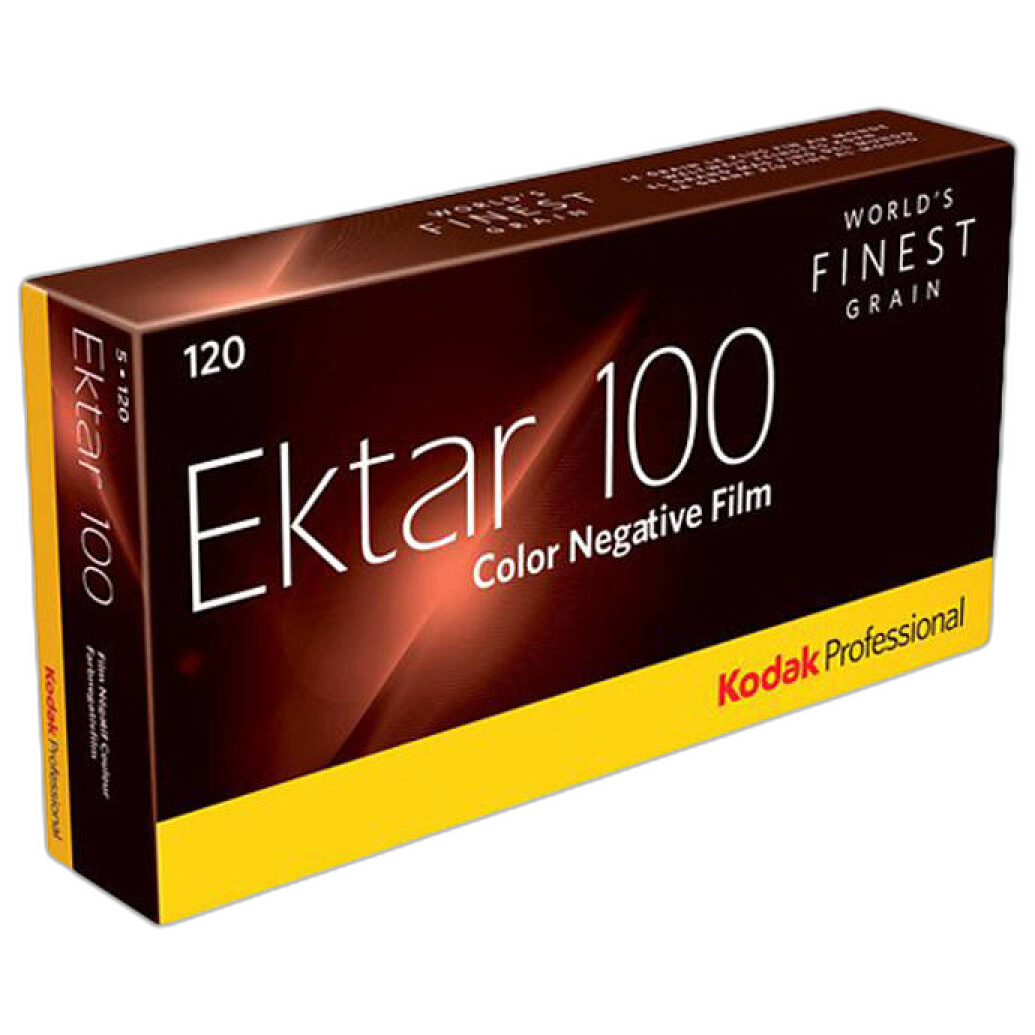
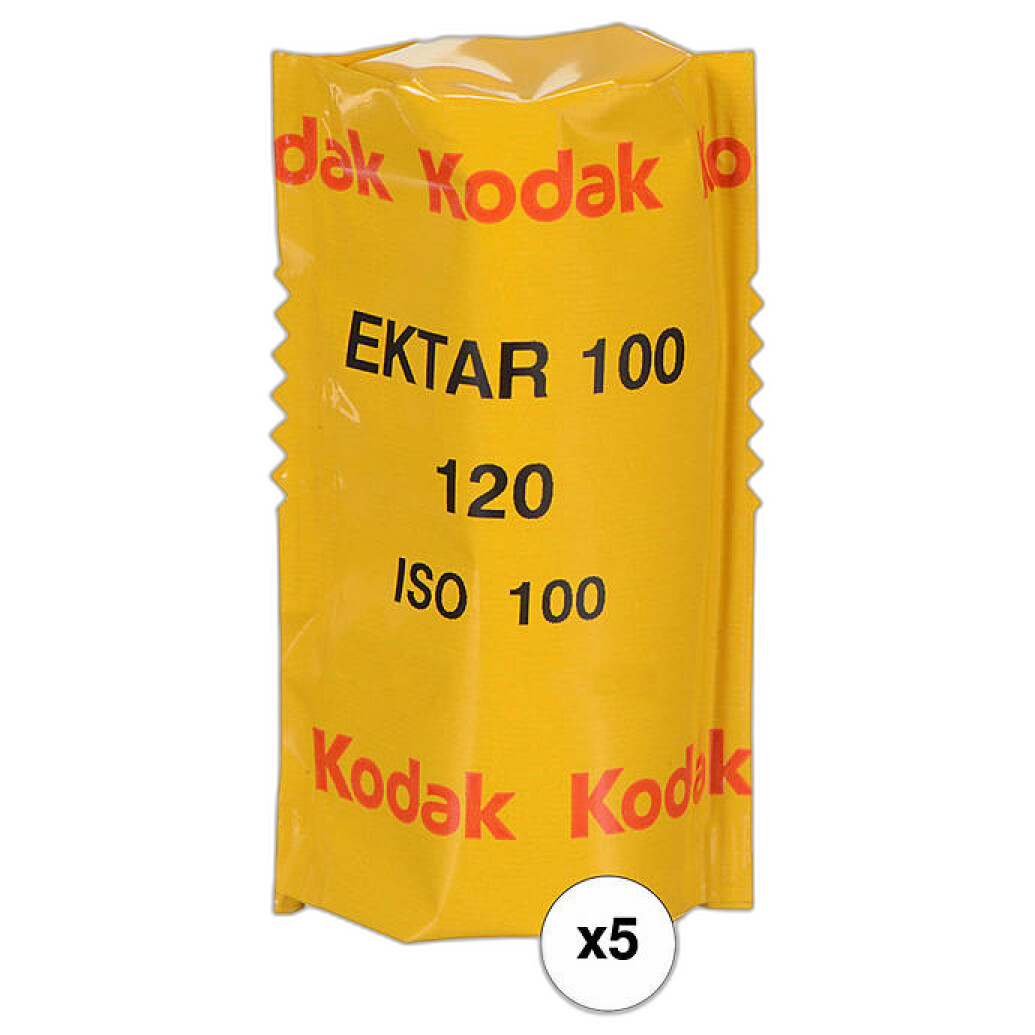
| Kodak Ektar 100 | 120 | 100 | Color Negative | Landscape, travel, fine detail, saturated color | High saturation, very fine grain, crisp detail |
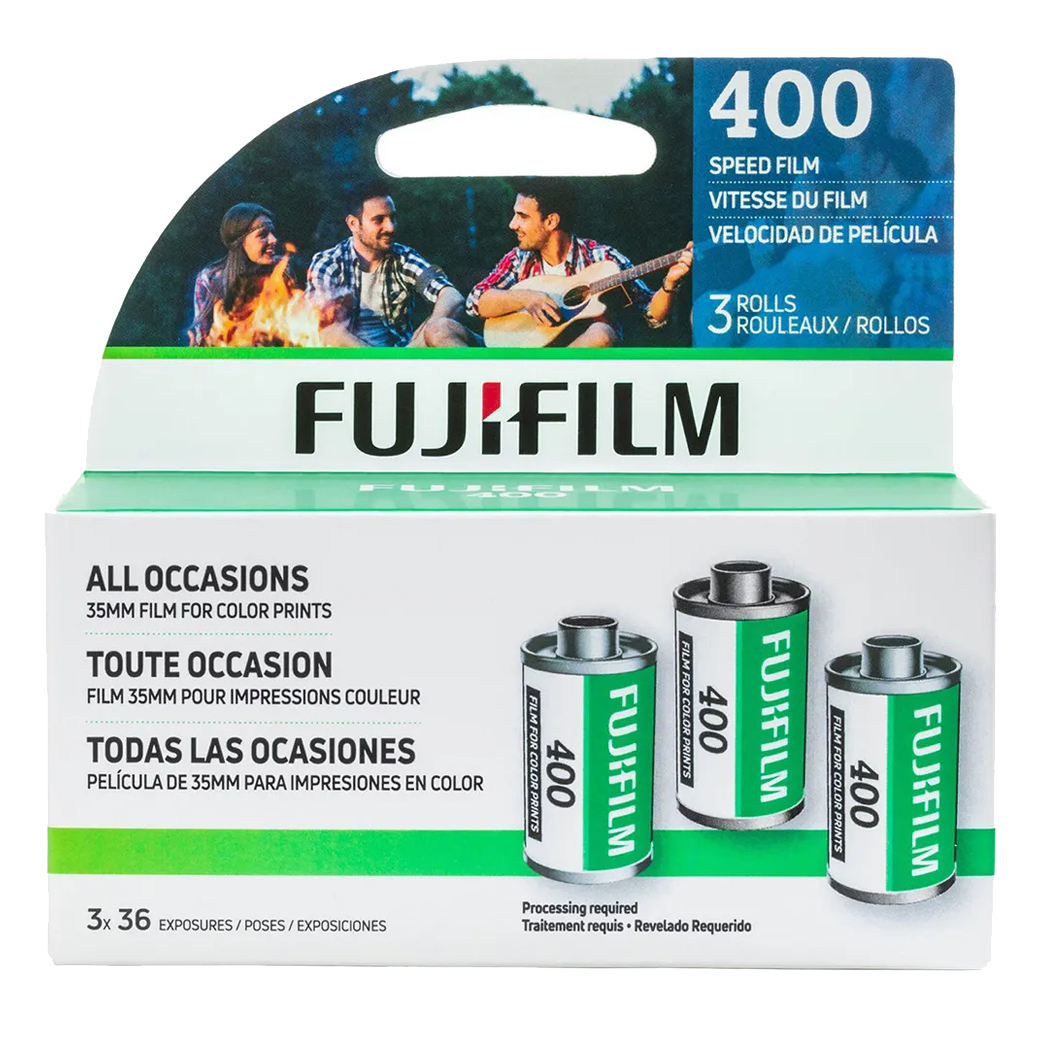
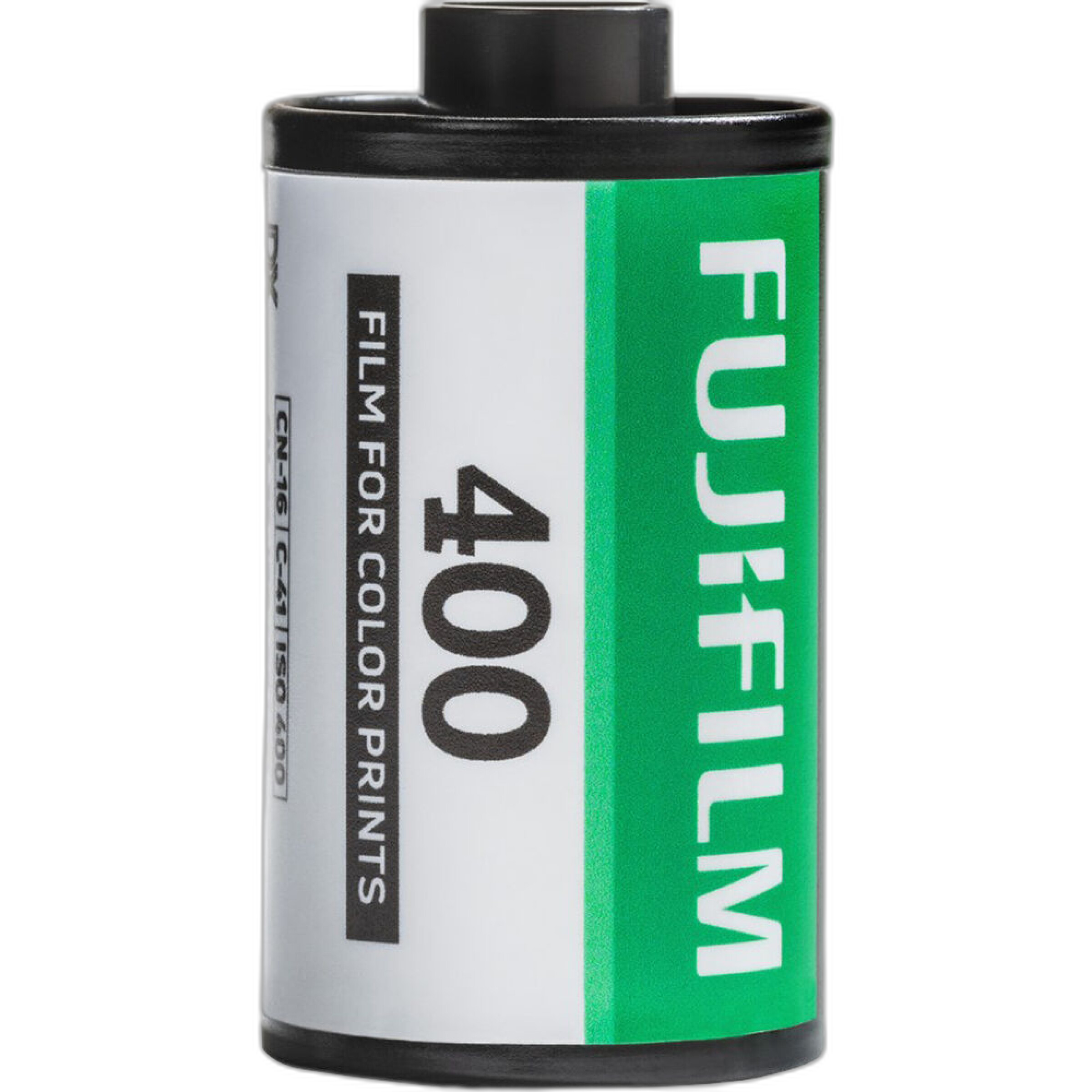
| Fujifilm 400 | 35mm | 400 | Color Negative | Everyday shooting, casual portraits, street photography | Natural consumer-friendly color, easy exposure latitude |
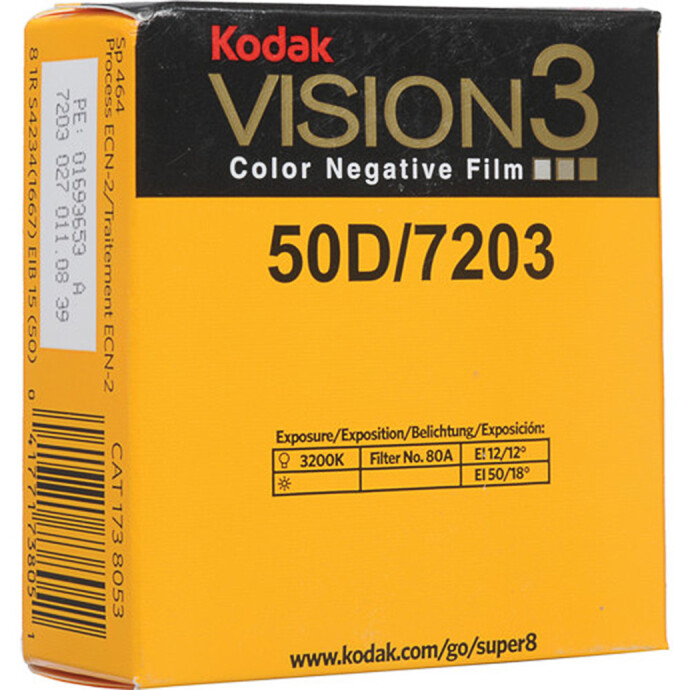
| Kodak VISION3 50D | Super 8 | 50 daylight | Color Negative | Bright daylight cinema capture | Clean, fine-grained, cinematic daylight color |
| Kodak VISION3 500T | Super 8 | 500 tungsten | Color Negative | Low light, mixed light, cinematic indoor scenes | Moody, flexible, cinematic tungsten-balanced rendering |
The Contenders

Kodak Ektacolor Pro 400
Ektacolor Pro 400 stands out as a practical favorite for photographers who want medium format color film with useful speed and a professional overall balance. ISO 400 gives it more flexibility than slower daylight films, making it easier to use handheld or in changing conditions. It’s the type of stock that fits portraits, documentary work, and general-purpose shooting where you want room to react rather than carefully meter every frame.
Its appeal comes from versatility. While it may not chase the ultra-saturated look of Ektar, it rewards photographers who want a more all-around palette and the forgiving nature that typically makes ISO 400 color negative film so dependable.
Kodak Ektar 100
Ektar 100 is one of the most recognizable “favorite” color negative films because it offers exceptionally fine grain and bold color. In medium format, that combination can produce very crisp, polished-looking negatives with strong detail and pop. For landscapes, travel photography, cars, architecture, and scenes where color separation matters, Ektar is often the first recommendation.
The reason people love it is simple: it looks vivid without losing the essential flexibility of color negative film. If your ideal frame includes saturated skies, rich foliage, or bright visual contrast, Ektar 100 is hard to ignore.
Fujifilm 400
Fujifilm 400 earns its place as a favorite because it’s approachable, useful, and easy to love. In 35mm, ISO 400 is one of the most practical speeds available for day-to-day photography. It’s fast enough for overcast light, versatile enough for family outings and travel, and forgiving enough for photographers who want to shoot casually without overthinking every exposure.
Its character is often appreciated for everyday color: natural enough for broad use, with the kind of flexible rendering that makes consumer color negative film enduringly popular. For photographers who want a film they can load and forget—in a good way—Fujifilm 400 makes a strong case.
Kodak VISION3 50D
Though aimed at Super 8 shooters rather than still photographers, VISION3 50D deserves mention because it shows another side of color negative film excellence: cinematic daylight rendering. With its low ISO and daylight balance, 50D is ideal for bright exterior scenes where fine grain and clean color matter most.
Why do people love it? Because when lighting is favorable, it can deliver a polished, filmic image with impressive clarity. For filmmakers chasing a classic daylight cinema look in Super 8, it’s one of the strongest options available.
Kodak VISION3 500T
VISION3 500T is a favorite for the opposite reason: speed and adaptability under difficult light. Tungsten-balanced and much faster than 50D, it’s built for interiors, nighttime scenes, practical lighting, and lower-light filmmaking situations. It also has the kind of exposure latitude that makes negative film so useful when lighting isn’t perfect.
Its popularity comes from its cinematic mood. If 50D is the clean daylight specialist, 500T is the expressive low-light stock that gives Super 8 shooters more freedom once the sun goes down.
Category-by-Category Analysis
Best for Fine Grain and Detail
Kodak Ektar 100 leads this category. Its ISO 100 speed and reputation for very fine grain make it especially attractive to photographers who want negatives that scan beautifully and preserve texture. In medium format, the detail can be especially impressive.
Best All-Around Versatility
Kodak Ektacolor Pro 400 and Fujifilm 400 are the most flexible choices here, each in its own format. Ektacolor Pro 400 is the more serious medium format workhorse, while Fujifilm 400 is the everyday 35mm option that suits nearly any casual or general-purpose use.
Best for Bold Color
Ektar 100 is the standout if your favorite color negative film is the one that gives you the most visual punch. Its richer saturation helps scenes feel vivid and polished, especially in travel and landscape work.
Best for Everyday Shooting
Fujifilm 400 is the easiest recommendation for daily use. A 35mm ISO 400 film is just inherently practical, and this one fits the kind of spontaneous shooting that keeps film photography fun.
Best for Cinematic Motion Work
For Super 8, the VISION3 pair splits the category by lighting needs. Choose 50D for bright daylight and the cleanest look, or 500T for interiors and low light where speed matters more than absolute fineness of grain.
Our Pick
Our Pick: Kodak Ektar 100
If we had to choose one favorite color negative film stock from this group, Kodak Ektar 100 gets the nod. It offers the most distinctive blend of fine grain, strong color, and premium-looking results. For photographers who want a film that immediately feels special and rewards careful shooting, Ektar 100 is the most memorable option in this comparison.
That said, the best fit depends on format and shooting style. Fujifilm 400 is the better everyday grab-and-go option in 35mm, while Ektacolor Pro 400 is the more flexible medium format stock when ISO 400 speed matters.
Conclusion
There’s no single best color negative film for everyone, which is exactly why these stocks remain so appealing. Kodak Ektar 100 excels when you want vivid color and detail, Kodak Ektacolor Pro 400 brings medium format versatility, Fujifilm 400 covers everyday 35mm shooting with ease, and Kodak’s VISION3 films offer compelling cinematic options for Super 8 creators.
If you’re ready to try one of these favorite color negative film stocks for yourself, Unique Photo is a great place to explore current availability and find the right film for your camera and shooting style.