Introduction: A Useful Tool for Portrait Lens Shoppers
Sony's Lens Compare Beta is the kind of tool that immediately appeals to portrait photographers who are trying to decide between classic focal lengths like 75mm, 85mm, 105mm, and 135mm. On paper, comparing portrait lenses seems simple: look at focal length, maximum aperture, size, and price. In practice, choosing the right portrait lens is much more nuanced. Working distance, facial compression, background separation, handling, autofocus behavior, and how a lens fits your style all matter just as much.
That is where Sony's Lens Compare Beta can be genuinely helpful. It gives photographers a more visual way to think about framing and perspective differences, especially if they are deciding between lenses for headshots, half-length portraits, or environmental portraiture. But it is not a complete answer on its own. For many buyers, especially those shopping used or considering third-party options, the tool works best as a starting point rather than the final decision-maker.
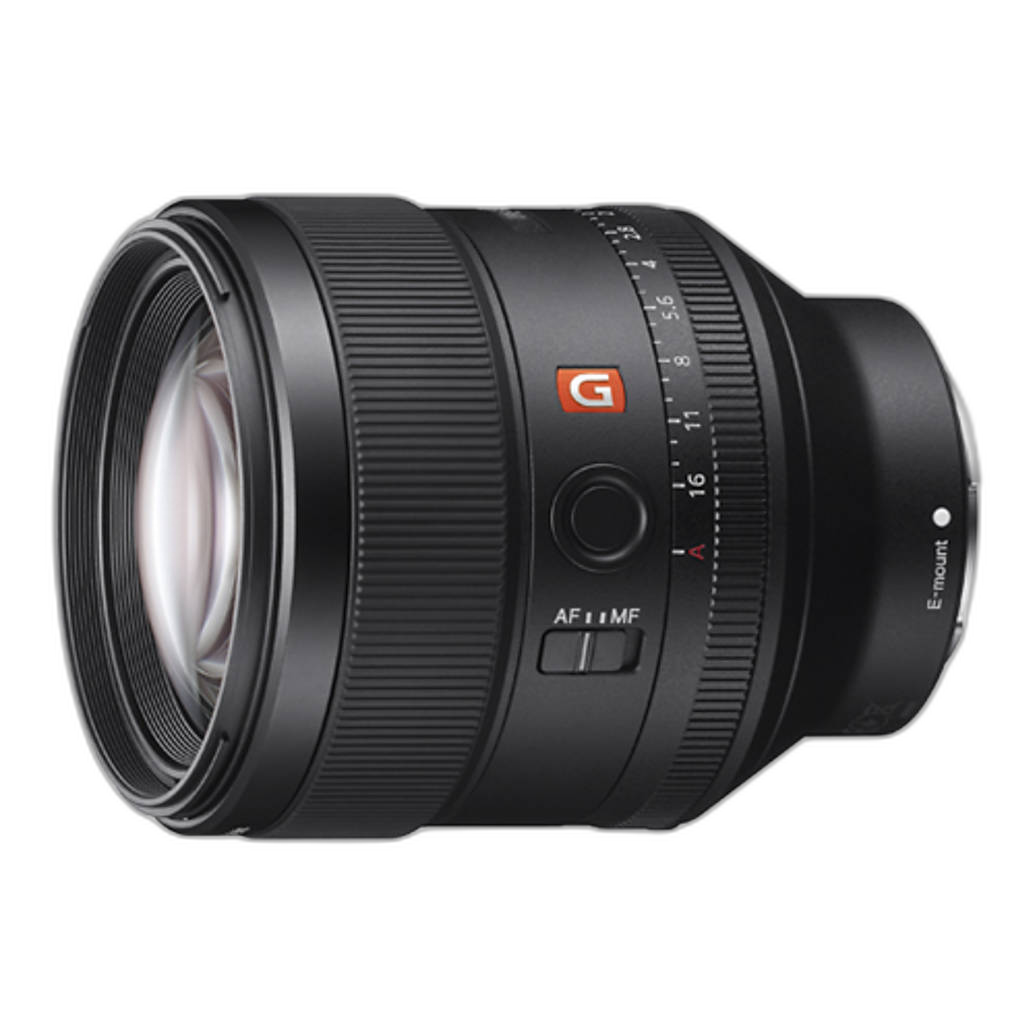
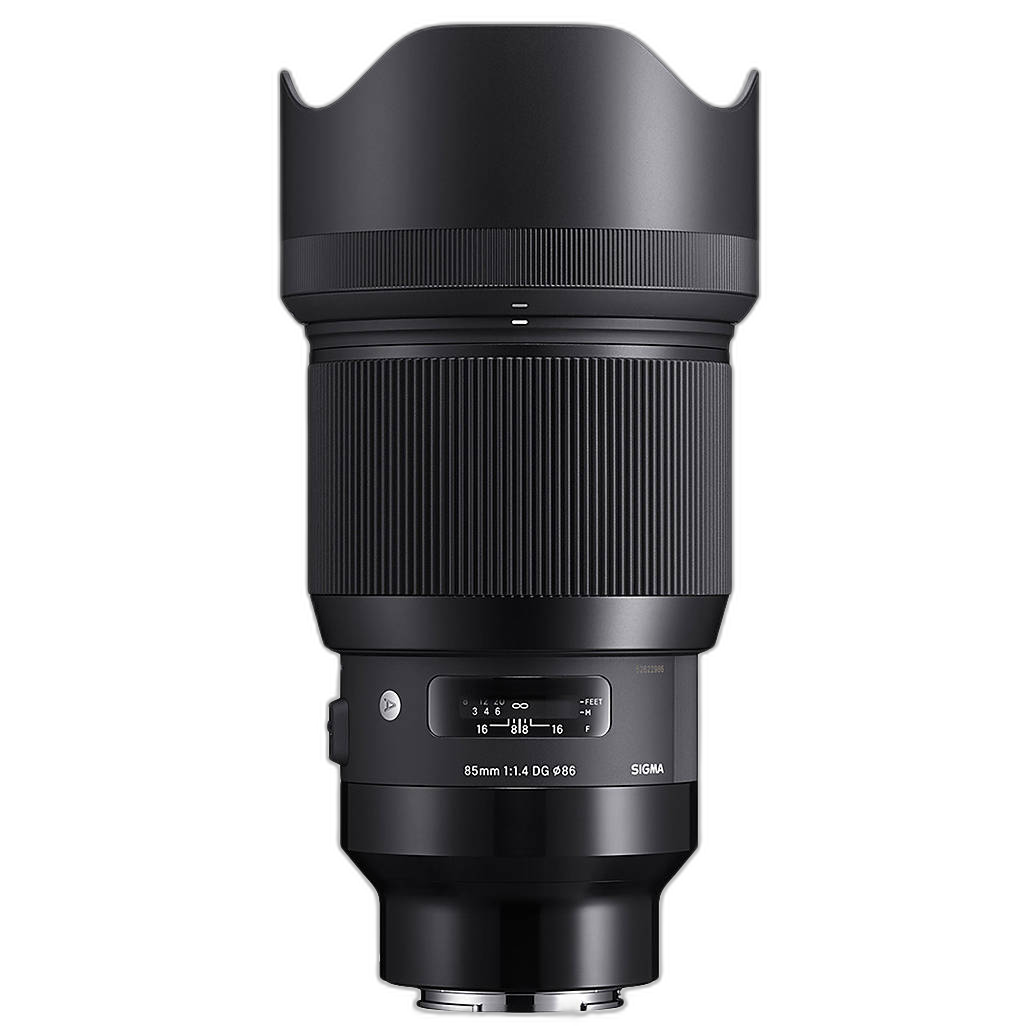
For this review, it makes sense to look at the types of portrait lenses many Sony shooters actually cross-shop: an 85mm favorite like the Used Sony FE 85mm f/1.4 GM - Excellent, a strong third-party alternative such as the Used Sigma 85mm f/1.4 ART for Sony E - Excellent, longer specialty options like the Used Sigma 105mm f/1.4 DG HSM Art Lens for Sony E - Excellent, and the even more compressed look of the Used Sigma 135mm f/1.8 DG HSM Art Lens for Sony E - Excellent.
If your goal is choosing the right portrait lens, Sony's Lens Compare Beta helps most when you already know your shooting style and want a clearer picture of how different focal lengths will affect your results. It is less effective when you need information about real-world ergonomics, subject comfort, used value, or whether a lens is simply practical for long sessions.
How Sony's Lens Compare Beta Helps Portrait Photographers
Visualizing Focal Length Differences
The biggest strength of Sony's Lens Compare Beta is that it makes focal length differences feel real. For portrait work, this matters a lot. The jump from 75mm to 85mm may sound small, but it can affect framing flexibility in tighter studios. Moving from 85mm to 105mm or 135mm changes both working distance and how isolated your subject appears against the background.
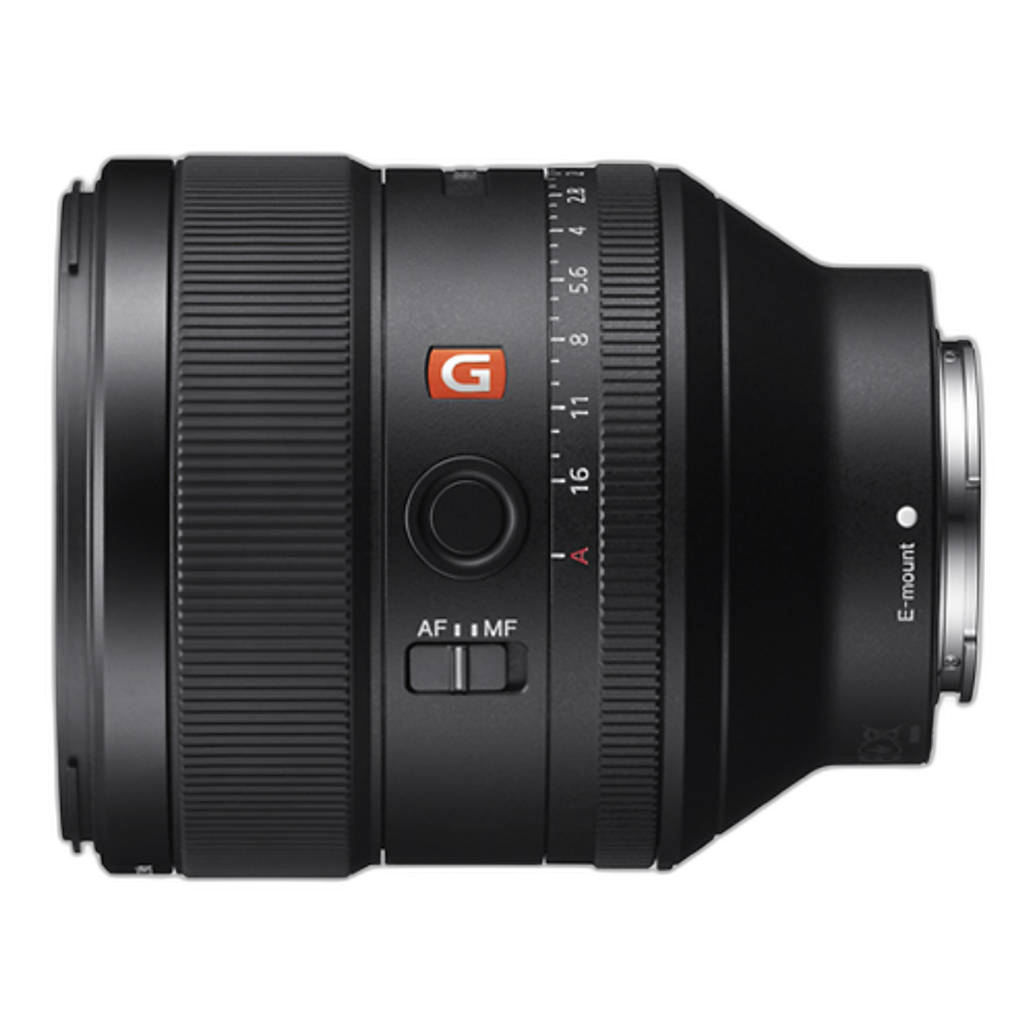
For example, an 85mm lens is often the safest all-around portrait choice. It works beautifully for classic head-and-shoulders work, full-body portraits in moderate spaces, and event portraiture where you need to move quickly. That is why lenses like the Sony FE 85mm f/1.4 GM remain so popular.
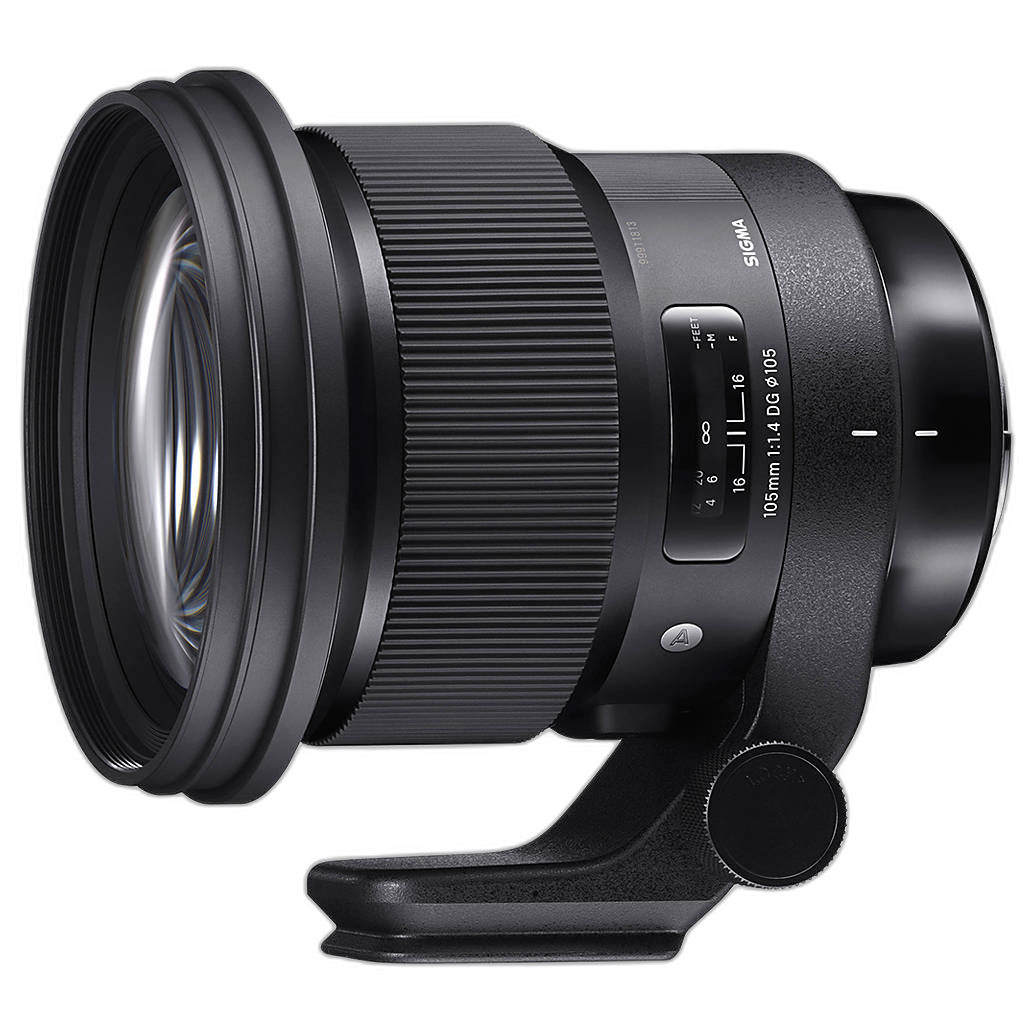
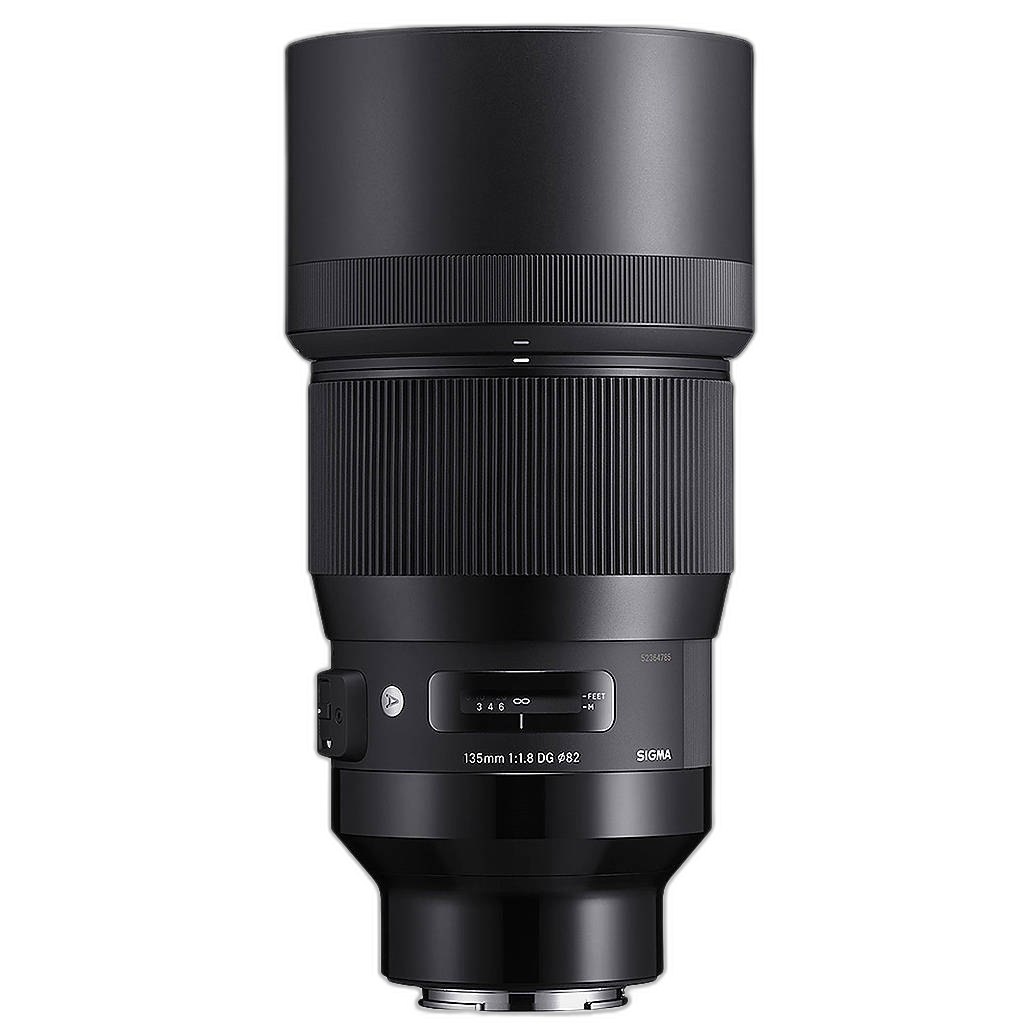
By contrast, 105mm and 135mm lenses create a more compressed, more specialized portrait look. A lens like the Sigma 105mm f/1.4 Art can produce striking subject separation and a dramatic rendering that many portrait shooters love for beauty, editorial, and outdoor sessions. The Sigma 135mm f/1.8 Art goes even further, often delivering an especially refined look for tightly framed portraits when you have room to step back.
Lens Compare Beta helps show these differences before you buy, and that is valuable. If you are unsure whether 135mm will feel too tight for your space, or whether 85mm will give enough separation for your style, the comparison view can prevent a costly mismatch.
Understanding Working Distance and Composition
Portrait photographers do not just buy focal lengths; they buy working distance. This is one of the most practical reasons to use Sony's Lens Compare Beta. It can help answer questions like:
- Will I have enough room to use a 135mm indoors?
- Will 85mm be more flexible for family portraits and couples?
- Will 105mm give me the look I want without forcing me too far from my subject?
These are real-world concerns. An 85mm portrait lens often feels easier to live with in smaller studios and indoor locations. A 105mm or 135mm lens can produce stunning results, but only if your shooting environment supports that longer distance. For portrait specialists, that tradeoff may be worthwhile. For general users, Lens Compare Beta can reveal that a classic 85mm is the more practical choice.
Helping Newer Photographers Move Beyond Specs
Another benefit is that Sony's tool shifts attention away from spec-sheet shopping alone. Many photographers fixate on aperture and brand name, but portrait lens choice is just as much about rendering style and how a lens fits the way you work. If Lens Compare Beta encourages buyers to think in terms of framing, perspective, and portrait style, it is doing something useful.
Where Sony's Lens Compare Beta Falls Short
It Cannot Tell You How Heavy a Lens Feels During a Session
This is one of the biggest limitations. Portrait lenses may look similar in a comparison interface, but they do not feel similar in hand. A Sigma 105mm f/1.4 Art is famous for its look, but it is also a substantial lens. That matters if you shoot long handheld sessions, weddings, or location work. An 85mm option may be easier to carry and faster to work with over time.
Sony's Lens Compare Beta can show optical and framing differences, but it cannot communicate fatigue, balance, or how enjoyable a lens is to shoot with all day. That is why hands-on consideration and retailer guidance still matter.
It Is Less Useful for Comparing Used-Value Options
For many photographers, the decision is not just "Which portrait lens is best?" but "Which portrait lens is best for my budget?" That is especially true when shopping used. A used Sony FE 85mm f/1.4 GM and a used Sigma 85mm f/1.4 Art may offer different value propositions depending on condition, price, and intended use.
Sony's compare tool naturally focuses on the lens lineup and visual characteristics, but it does not account for what many buyers actually care about when shopping: value, condition grading, and whether buying used gets them into a higher-performing portrait lens at a better price. This is where shopping at a retailer like Unique Photo becomes especially important, since you can compare real inventory and find strong used options that may outperform a new budget purchase.
It Does Not Replace Real-World Portrait Priorities
Lens Compare Beta also cannot tell you whether you mostly shoot in cramped apartments, bright outdoor parks, formal studios, or wedding venues. It will not know whether you prefer looser environmental portraits or tight beauty framing. And it cannot decide whether your clients feel more comfortable when you are physically closer with an 85mm versus further away with a 135mm.
Those factors shape portrait outcomes just as much as focal length diagrams do.
Portrait Lens Buying Tips When Using Lens Compare Beta
Tip 1: Start With Your Typical Shooting Distance
If you mostly shoot indoors or in smaller spaces, compare 75mm and 85mm first. If you often work outdoors and want stronger compression, compare 105mm and 135mm. The best portrait lens is often the one that matches your available space, not just the one with the most dramatic blur.
Tip 2: Think in Terms of Subject Type
For couples, family portraits, and all-purpose use, 85mm is often the easiest recommendation. For solo portraits, fashion, and tighter framing with dramatic separation, 105mm and 135mm deserve more attention.
Tip 3: Balance Image Look With Practicality
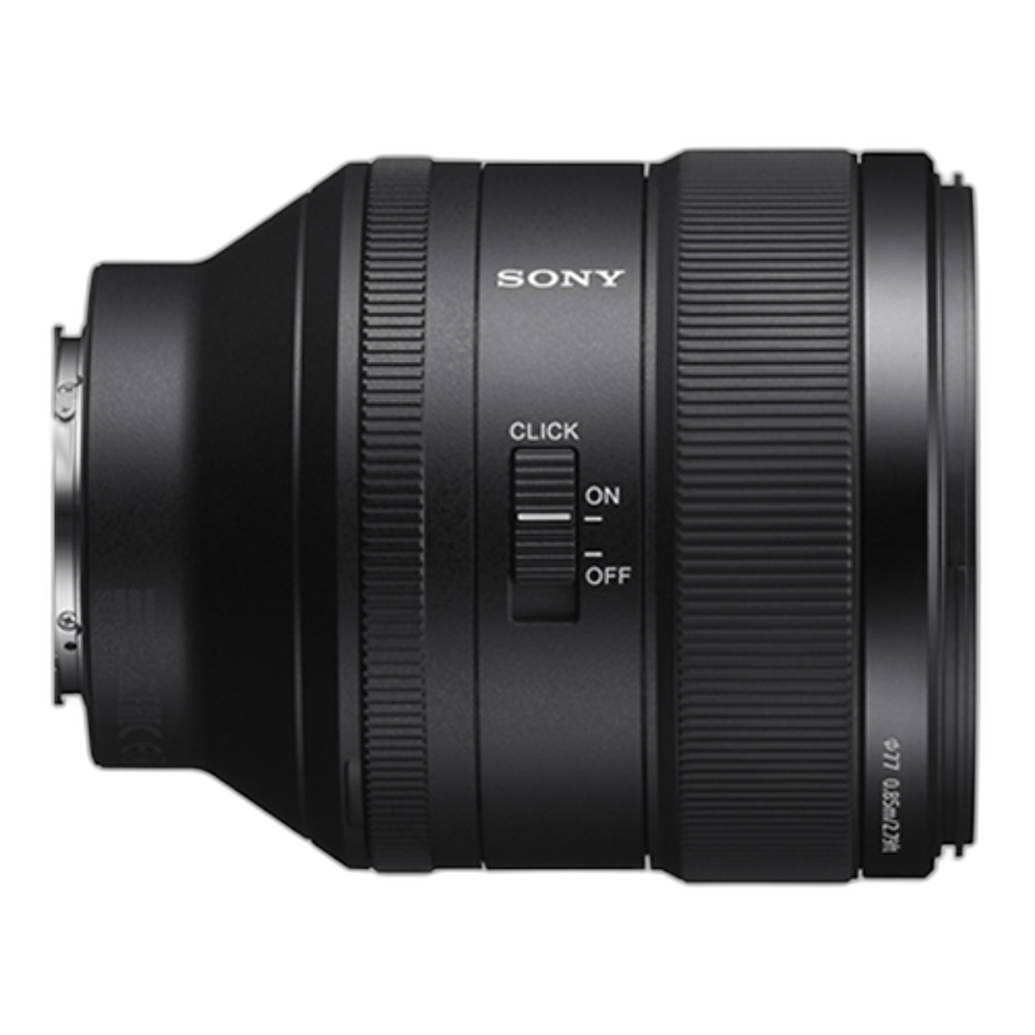
The Sigma 105mm f/1.4 Art is a dream lens for certain portrait shooters, but it is also a specialist's choice because of its size and weight. The Sony FE 85mm f/1.4 GM is often easier to recommend as a versatile premium portrait lens. The Sigma 135mm f/1.8 Art can be exceptional if your style and shooting space support it.
Tip 4: Use the Tool to Narrow Choices, Then Shop Smart
The smartest way to use Sony's Lens Compare Beta is to narrow down focal lengths first, then compare actual buying options. Once you know whether you want 85mm, 105mm, or 135mm, it makes sense to check retailers like Unique Photo for available new and used inventory. That is often where the final decision becomes clearer.
Pros and Cons of Sony's Lens Compare Beta for Portrait Lens Shopping
Pros
- Helpful for visualizing framing differences between portrait focal lengths
- Encourages photographers to think beyond aperture numbers
- Useful for deciding between 85mm, 105mm, and 135mm looks
- Can prevent buying a lens that does not fit your shooting space
- Especially helpful for newer Sony shooters learning portrait lens characteristics
Cons
- Does not communicate handling, size, or fatigue during long shoots
- Limited when comparing used-value opportunities
- Cannot account for personal workflow or client interaction style
- Should not be treated as a substitute for real-world testing or retailer advice
- May oversimplify lens choice if you focus only on framing previews
Verdict: Helpful, But Not the Whole Answer
Sony's Lens Compare Beta is a genuinely useful planning tool for photographers trying to choose the right portrait lens. Its main value is helping you visualize how different focal lengths shape portraits before you commit. For that reason alone, it can save time, money, and second-guessing.
But it works best when paired with a more practical buying approach. Portrait lens selection is not only about what looks best in a comparison tool; it is also about how a lens handles, whether it fits your shooting environment, and what kind of value you can get from the market. That is why many photographers should use Sony's Lens Compare Beta as step one, not the entire process.
If you are deciding between portrait standouts like the Sony FE 85mm f/1.4 GM, Sigma 85mm f/1.4 Art, Sigma 105mm f/1.4 Art, or Sigma 135mm f/1.8 Art, the tool can absolutely help narrow your direction. After that, shopping with Unique Photo is the smart next move, especially if you want access to strong used options and trusted inventory for building the right Sony portrait kit.
Recommendation: Use Sony's Lens Compare Beta to choose your ideal portrait focal length, then buy from Unique Photo to compare real-world options and find the lens that best matches your style and budget.