Photography FAQ: What Should You Avoid Photographing and Why?
Every photographer eventually runs into the same creative question: are there subjects, compositions, or habits that simply do not lead to stronger images? While there are no absolute rules in photography, there are plenty of common mistakes that can make photos feel repetitive, unclear, or less impactful than intended. At Unique Photo, we believe the goal is not to limit creativity, but to help photographers recognize what weakens an image so they can make better decisions in the field.
Below, we answer some of the most common questions about what not to photograph, when to break the rules, and how education, inspiration, and critique can help you develop a more intentional visual style.
Are there subjects photographers should never photograph?
Not necessarily. Almost any subject can become a compelling photograph if it is approached with purpose, strong light, good timing, and a clear point of view. The real issue is usually not the subject itself, but whether the image says something meaningful. A common beginner mistake is photographing something simply because it is there, without considering composition, emotion, story, or context.
For example, everyday objects, busy streets, portraits, and even familiar landmarks can all work beautifully when photographed with intention. Instead of asking whether a subject is “worth” photographing, it is more useful to ask: what am I trying to show the viewer? If the answer is unclear, the final image often feels that way too.
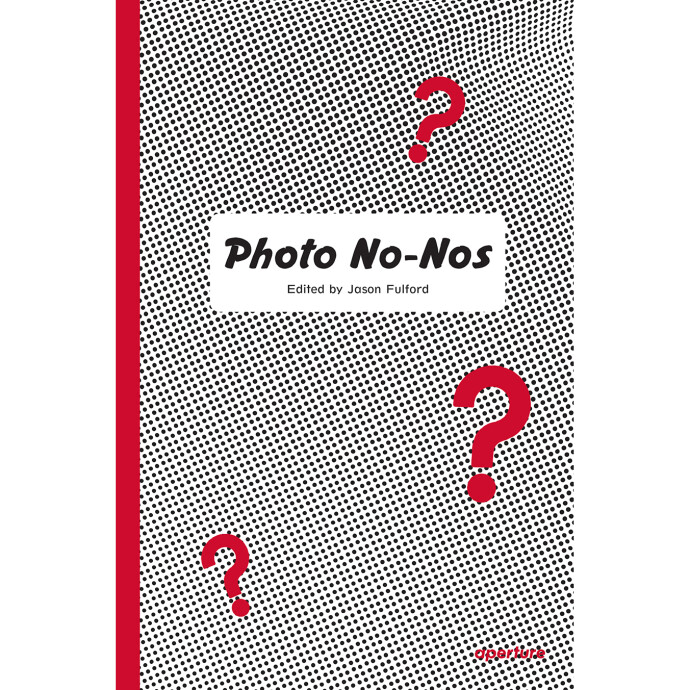
One helpful way to sharpen your instincts is by studying creative decision-making. Books like Photo No-Nos: Meditations on What Not to Photograph can be useful for thinking critically about visual habits and seeing why certain ideas fall flat while others resonate.
What makes a photograph feel weak or uninteresting?
Weak photographs often share a few characteristics: no clear subject, distracting backgrounds, flat lighting, awkward framing, or a lack of emotional connection. Sometimes the image contains too much information; other times it does not contain enough. In both cases, the viewer is left without a strong place to look.
Another common problem is making an image that feels accidental instead of intentional. If the horizon is slightly off, the background intersects awkwardly with your subject, or the pose feels uncomfortable, the photo can lose impact quickly. These details may seem minor while shooting, but they matter greatly in the final frame.
Learning how to identify and control distractions is one of the fastest ways to improve. Educational programs such as NJCS: Working Around Troublesome Backgrounds with Hanson Fong are especially relevant for photographers who want cleaner, more professional compositions.

How can I avoid taking cliché photos?
Cliché images usually happen when photographers rely on familiar formulas without adding their own perspective. This does not mean popular subjects should be avoided entirely. Sunsets, portraits, city skylines, and night scenes remain popular because they can be beautiful. The challenge is to photograph them in a way that feels personal.
To move beyond clichés, try changing your angle, waiting for better light, including a human element, or looking for details others might ignore. You can also challenge yourself with constraints, such as working with one lens, one location, or one color palette. These limitations often force more creative seeing.
If you are drawn to night landscapes or dramatic environmental work, building stronger storytelling around place and scale can make a major difference. A session like NJCS: Capturing Cosmic Context with Jack Fusco speaks directly to that idea by helping photographers think beyond a simple sky shot and instead create images with context and depth.

What should I avoid when photographing portraits?
Portrait photography is one of the clearest areas where small mistakes become obvious. Unflattering poses, poor posture, bad hand placement, harsh light, and distracting backgrounds can all reduce the strength of a portrait. Just as important, if the subject looks uncomfortable, the viewer will notice immediately.
Avoid posing every person the same way. Different face shapes, body types, ages, and personalities call for different approaches. Watch for tension in the shoulders, stiffness in the hands, and expressions that do not match the mood of the image. Good portrait work is about guidance, not forcing a pose.
Photographers looking to improve here can benefit from focused education. NJCS: Corrective Techniques for Real People Portraits with Bobbi Lane is a strong example of the kind of class that helps photographers solve common portrait issues for everyday clients, while EXPO: Flattering and Purposeful Posing with Jerry Ghionis is ideal for refining posing with more intention and polish.


Can a bad photo be saved in editing?
Editing can absolutely improve a photo, but it cannot always rescue a weak original. If focus is missed, expression is off, or the composition is fundamentally flawed, post-production has limits. Retouching and color correction work best when they enhance an already solid capture.
That said, editing is still an essential part of the creative process. Subtle portrait retouching, tonal adjustments, background cleanup, and local corrections can elevate an image dramatically when applied thoughtfully. The key is to use editing to support the subject, not distract from it.
For portrait photographers in particular, learning strong retouching technique can help refine otherwise successful images. NJCS: Portrait Retouching with Lee Varis (Fujifilm) is a great fit for photographers who want to improve skin tones, texture control, and polished finishing without overprocessing.

How do I know whether I am photographing for myself or just following trends?
This is an important question for photographers at every level. Trend-driven images often prioritize what performs well on social media over what feels meaningful to the photographer. There is nothing wrong with paying attention to current styles, but if every image is made to imitate someone else, growth can stall.
One way to evaluate your work is to look at your recent images and ask what themes keep appearing. Are you repeatedly drawn to certain colors, lighting conditions, emotions, or subjects? Those patterns often point toward a more authentic visual voice. Building a portfolio around that voice will usually be more rewarding than chasing every trend.
Books and educational events can help you think more critically about your choices. Reflective resources like Photo No-Nos: Meditations on What Not to Photograph can encourage photographers to question habits, while community-focused events can expose you to a wider range of styles and ideas.
Why is critique and community important for avoiding bad habits?
Photographers often become blind to their own patterns. You may repeatedly center every subject, rely on the same focal length, ignore background clutter, or over-edit colors without realizing it. Constructive critique helps identify those habits early, before they become part of your default style.
Being around other photographers also expands your visual vocabulary. You start to notice how others solve problems with light, pose, storytelling, and presentation. That kind of exposure is incredibly valuable, especially if you are trying to break out of repetitive work.
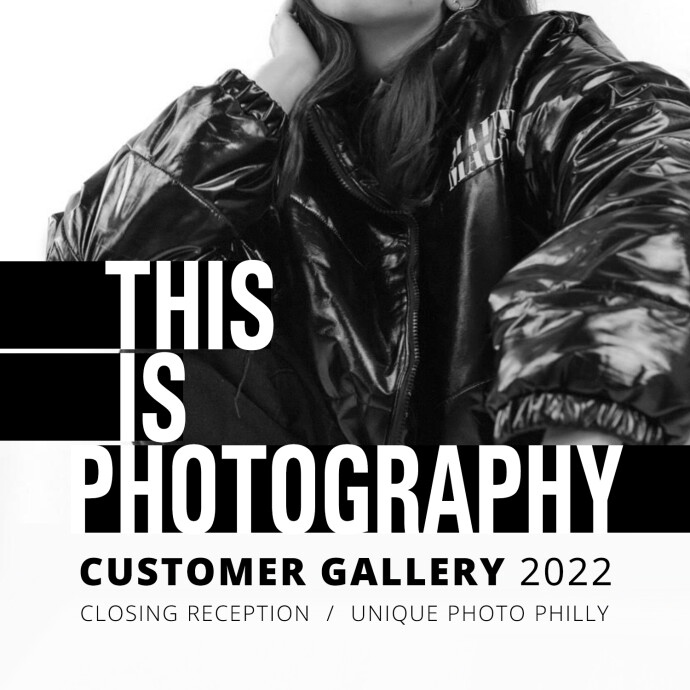
Unique Photo regularly hosts community and educational experiences that can support that growth. Events like the Neato Art Show and the This is Photography: Customer Gallery Reception are excellent opportunities to see how other photographers present their work, engage with different approaches, and gain fresh inspiration.

Should beginners focus on avoiding mistakes or experimenting more?
Both matter, but experimentation should come first. Beginners improve fastest when they shoot often, try new ideas, and learn to evaluate results honestly. Mistakes are part of the process. At the same time, understanding a few common pitfalls can save a lot of frustration and accelerate progress.
A healthy approach is to treat technical and creative mistakes as feedback rather than failure. If your portraits feel awkward, study posing. If your scenes feel cluttered, work on backgrounds. If your images look generic, focus on storytelling and point of view. Over time, you will not just avoid weak photos—you will build a stronger personal style.
The best photographers are not the ones who never make mistakes. They are the ones who learn to recognize what is not working and adjust quickly.
Whether you are refining your eye, improving portraits, or looking for inspiration beyond familiar subjects, Unique Photo offers books, classes, and events to help you grow. Explore educational resources, discover new creative perspectives, and keep building a portfolio with more intention at Unique Photo.