Photography Contest FAQ: How to Submit Stronger Images Online
Entering online photo contests can be a great way to challenge your skills, build visibility, and refine your editing and image-selection process. The strongest entries usually combine clear storytelling, technical polish, and a smart understanding of the contest theme—so preparing your submission carefully can make a real difference.
At Unique Photo, we encourage photographers to approach contests the same way they approach client work or gallery submissions: with intention, consistency, and attention to presentation. Below are some of the most common questions photographers ask when trying to improve their odds in online competitions.
What do contest judges usually look for first?
Judges often respond first to impact. That means your image should communicate something immediately, whether it is emotion, tension, beauty, humor, mood, or a strong graphic composition. After that first impression, judges typically evaluate technical quality, relevance to the theme, originality, and how well the visual elements support the idea behind the image.
A successful contest photo usually feels deliberate. The subject is clear, distractions are controlled, exposure and color are handled well, and the framing helps guide the viewer’s eye. Even in creative or abstract categories, the best entries generally look intentional rather than accidental. Before you submit, ask yourself a simple question: if someone saw this image for only two seconds, would they still understand what makes it memorable?
How do I choose my strongest image for a theme-based contest?
Start with theme accuracy, not just personal preference. A beautiful photo that only loosely fits the category is usually weaker than a very good photo that clearly and confidently addresses the prompt. Narrow your options by eliminating any image that requires explanation to connect it to the theme.
Once you have a shortlist, compare your images side by side and look for the one with the strongest combination of subject, composition, and emotional clarity. Avoid choosing an image just because it was difficult to create or because you have a personal attachment to the moment. Judges only see the final frame, not the effort behind it.
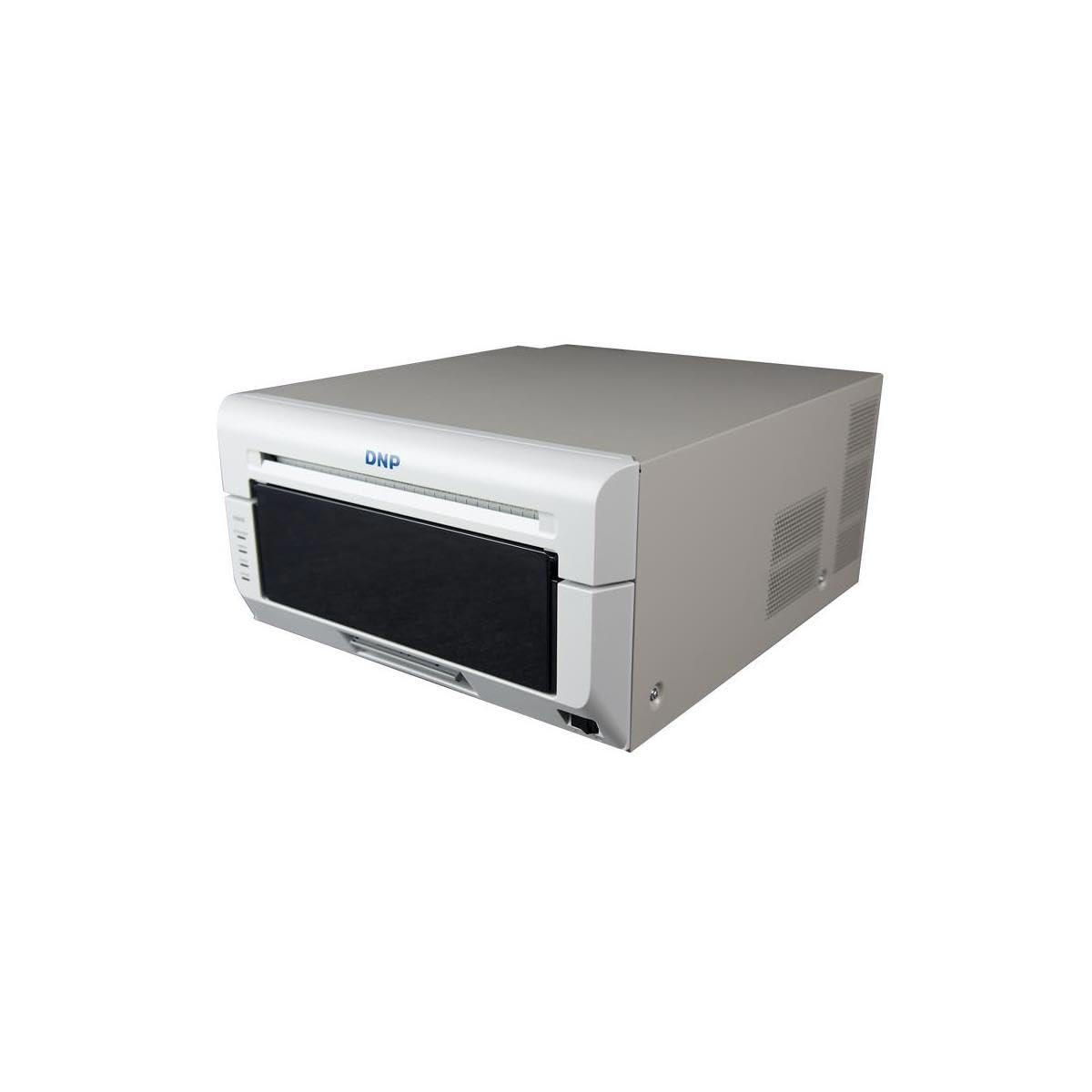
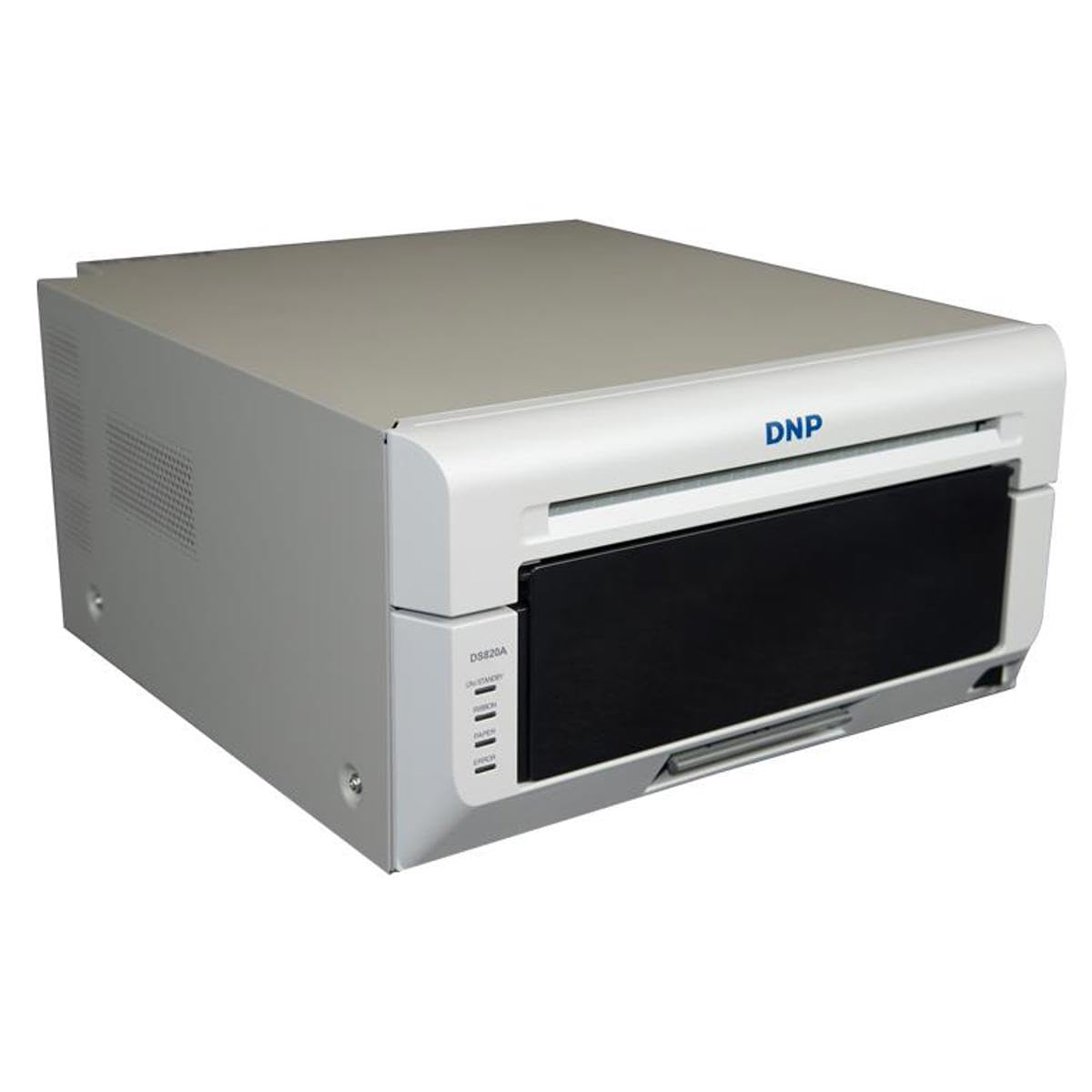
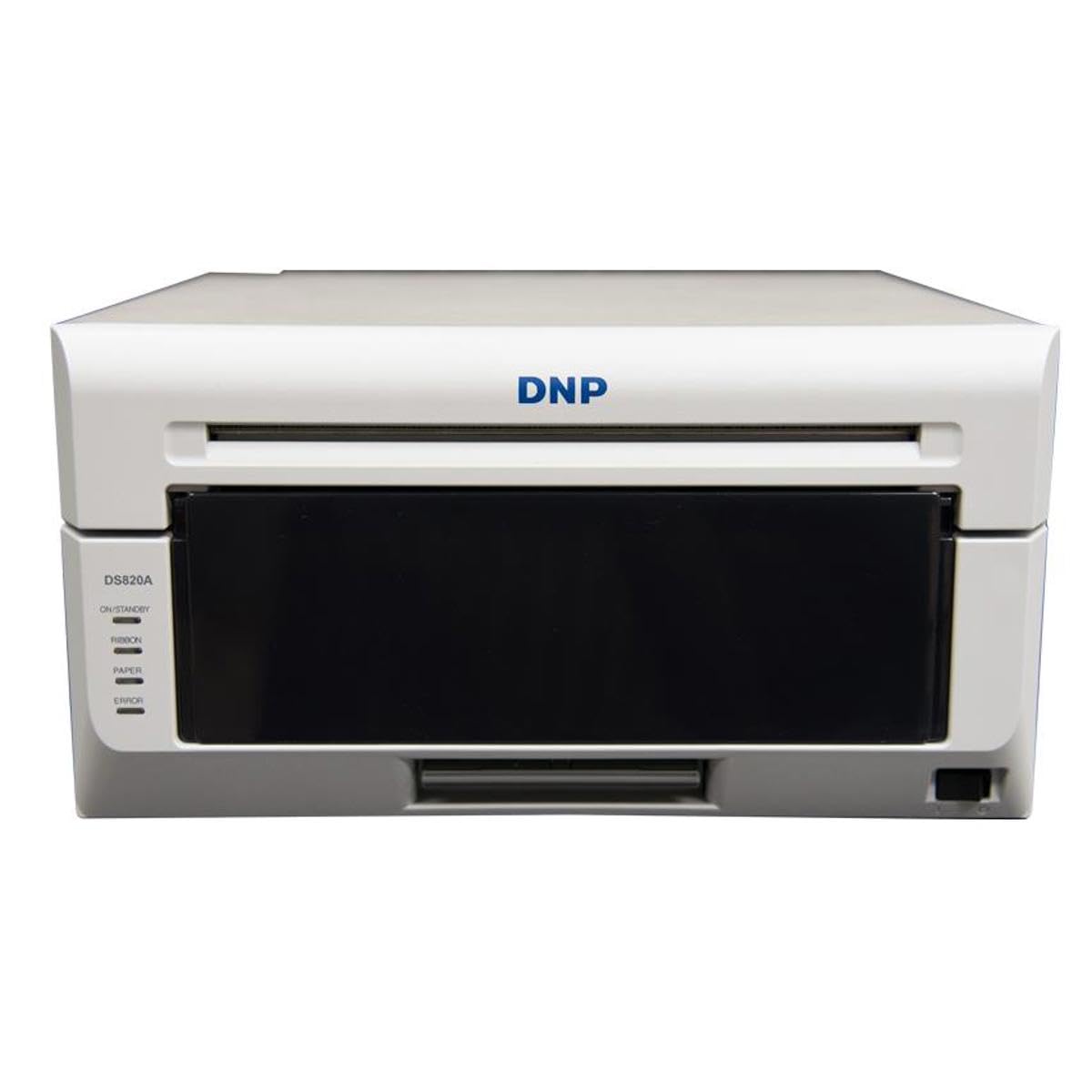
It can also help to print finalists and view them away from your monitor. Physical prints reveal composition issues, clutter, and tonal imbalances more quickly than constant screen zooming. For photographers who want a clean, professional way to review contest candidates as prints, the DNP DS820A professional dye-sublimation printer is a strong option for producing presentation-quality output with dependable color and detail.
Should I submit my most dramatic image or my most technically perfect one?
In many contests, emotional impact wins over sterile perfection. That said, dramatic images still need a solid technical foundation. An unforgettable subject can overcome minor imperfections, but obvious issues like poor focus on the main subject, blown highlights, muddy shadows, or distracting processing can cost you.
The best strategy is to look for the image where technical execution supports the story without calling attention to itself. If your dramatic image has a compelling moment, strong composition, and just enough polish to feel professional, it may outperform a technically flawless image that feels generic. Contests are rarely won by safe pictures alone.
How much post-processing is too much for contest entries?
Post-processing should strengthen the photograph, not become the subject unless the contest explicitly celebrates heavy manipulation. In general, judges respond well to editing that looks controlled and purposeful. Good adjustments might include tonal balancing, careful color correction, local contrast, subtle dodging and burning, cleanup of distractions, and sharpening suited to the output size.
Problems start when the editing creates halos, oversaturated colors, unnatural skin tones, crushed blacks, clipped highlights, excessive HDR effects, or obvious sharpening artifacts. These can make an image feel less refined, especially when viewed at full size. If you can clearly see the editing techniques before you notice the subject, it is usually a sign to pull back.
For many photographers, one of the best final checks is to make a print. A print often reveals whether the contrast is too aggressive or whether detail is falling apart in shadows and highlights. If you regularly evaluate competition images in print, a production-oriented printer can become part of your workflow rather than an afterthought.
What are the best post-processing tips for impressing judges?
Focus on refinement rather than novelty. Strong finishing work often includes consistent white balance, believable color, controlled contrast, and selective adjustments that direct attention to the main subject. Crop with intention, straighten where needed, and remove small distractions that weaken the frame.
Pay particular attention to edge control. Bright corners, cut-off elements, and background objects near the frame edge can pull the eye away from your subject. Subtle vignetting, careful tonal shaping, and local clarity can help create depth, but they should stay invisible as techniques.
It is also wise to tailor sharpening and export settings to the contest platform. If the organizer specifies image dimensions, resize carefully and apply output sharpening for screen display. A beautifully edited master file can still look mediocre if it is exported poorly.
Does presentation matter even in online-only contests?
Absolutely. Online contests may be digital, but presentation still influences how your work is perceived. Judges may review thumbnails first, then larger previews, then full-size files. Your image should remain effective at multiple sizes. That means a strong focal point, clear tonal separation, and a composition that reads quickly even when displayed small.
Presentation also includes file naming, following submission instructions, choosing the correct color space if specified, and respecting the contest’s rules on retouching or composites. Skipping details can undermine a strong image before it is fully considered.
If you want more structure in how you approach submissions as part of your broader photography career, educational resources can be valuable. Books like Best Business Practices for Photographers by John Harrington can help photographers think more strategically about workflows, professional standards, and the decision-making process behind presenting work effectively.
How can I make my image stand out without feeling gimmicky?
Originality usually comes from perspective, timing, and interpretation—not from forcing unusual effects into the image. Judges see a lot of similar subjects, so what often stands out is a fresh angle, a cleaner composition, stronger light, or a more emotionally specific moment. Instead of asking how to be different at any cost, ask how to make the subject feel more personal and more precise.
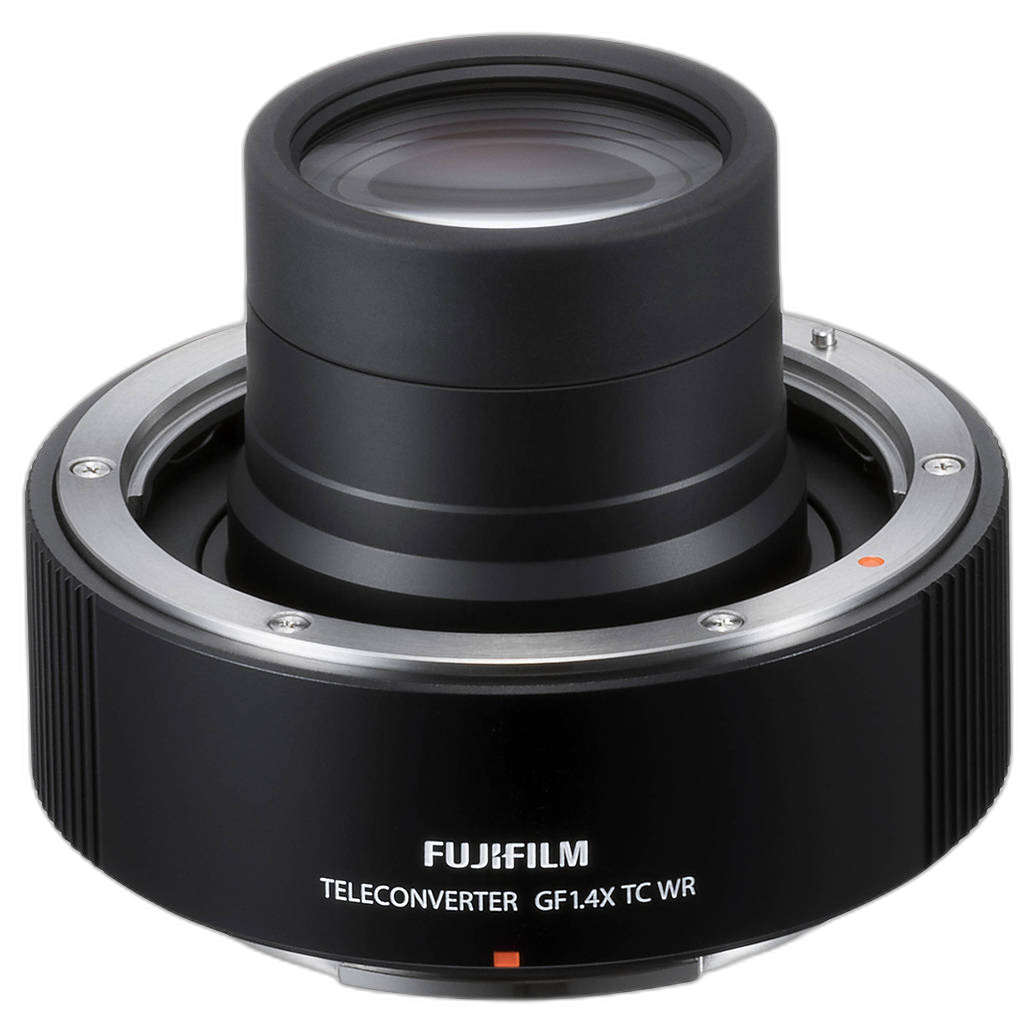
This is especially important in common contest categories like wildlife, landscape, portrait, and street photography. If your concept is familiar, execution becomes even more important. Strong lenses and accessories can help you capture moments with more precision in the field. For example, photographers using Fujifilm GFX systems may appreciate the extra reach of the Fujifilm GF 1.4X TC WR teleconverter when they need tighter framing for distant subjects while maintaining excellent image quality.
Should I crop aggressively to improve a contest image?
Sometimes cropping can transform an image by removing distractions and strengthening the subject. But aggressive crops can also expose weaknesses in focus, resolution, and tonal integrity. If the final image starts to look thin in detail or imbalanced in composition, the crop may be doing more harm than good.
A good rule is to crop for clarity, not rescue. If cropping reveals the image’s real intent and still leaves enough quality for the contest requirements, it can be a smart move. If you constantly need major crops to find the picture, that is often a sign to refine your framing in-camera next time.
Is it worth printing my image before submitting to an online contest?
Yes, especially for your top contenders. Printing slows down your evaluation and reveals issues that are easy to miss on a backlit display, including excessive saturation, blocked shadows, poor edge control, and small distractions in the background. It can also help you compare similar images more objectively.
For photographers who regularly prepare portfolios, competitions, or client-ready work, having access to quality printing can be a major advantage. The DNP DS820A is a practical solution for photographers who want dependable photo output for review and presentation. Seeing your near-final image as a print often leads to better editing decisions before you submit.
What is the biggest mistake photographers make when entering contests?
One of the biggest mistakes is submitting an image that says too many things at once. Contest photographs are usually stronger when they have one clear visual idea. Too many competing subjects, overly complex edits, or weak alignment with the theme can dilute the image’s impact.
Another common mistake is rushing the final submission. Small issues—incorrect sizing, over-compression, color shifts, or ignoring category rules—can reduce the strength of an otherwise excellent photograph. Give yourself enough time to review the image carefully, step away, and come back with fresh eyes before uploading.
Strong contest entries are rarely accidents. They are selected thoughtfully, edited with restraint, and presented professionally. If you are building a more polished submission workflow, Unique Photo has the gear, printers, and educational resources to help you prepare your best work with confidence. Explore our selection online or visit Unique Photo to find tools that support every stage of your contest-ready process.