Photo Contest Titles and Captions FAQ: How to Write Descriptions That Help
In photo contests, your image should always do the heavy lifting—but the title and description can still shape how judges enter the frame. A strong caption adds context, clarifies intent, and supports your visual storytelling without overwhelming the photograph itself.
At Unique Photo, we often remind photographers to think of contest text as part of presentation: concise, purposeful, and aligned with the image. Whether you are entering a local competition, a gallery call, or a juried exhibition, these best practices can help you write titles and descriptions that feel polished and professional.
How much does a caption influence judges?
A caption rarely rescues a weak image, but it can absolutely strengthen a strong one. Judges may use the title or description to understand location, subject relevance, emotional intent, or the reason a moment matters. If the contest brief asks for supporting text, treat it as part of the submission package rather than an afterthought.
The best captions add clarity without explaining what is already obvious. For example, if your image documents a fleeting moment, unusual access, or a meaningful human story, a short description can help judges appreciate the significance of what they are seeing. On the other hand, overly dramatic language or excessive explanation can distract from the work.
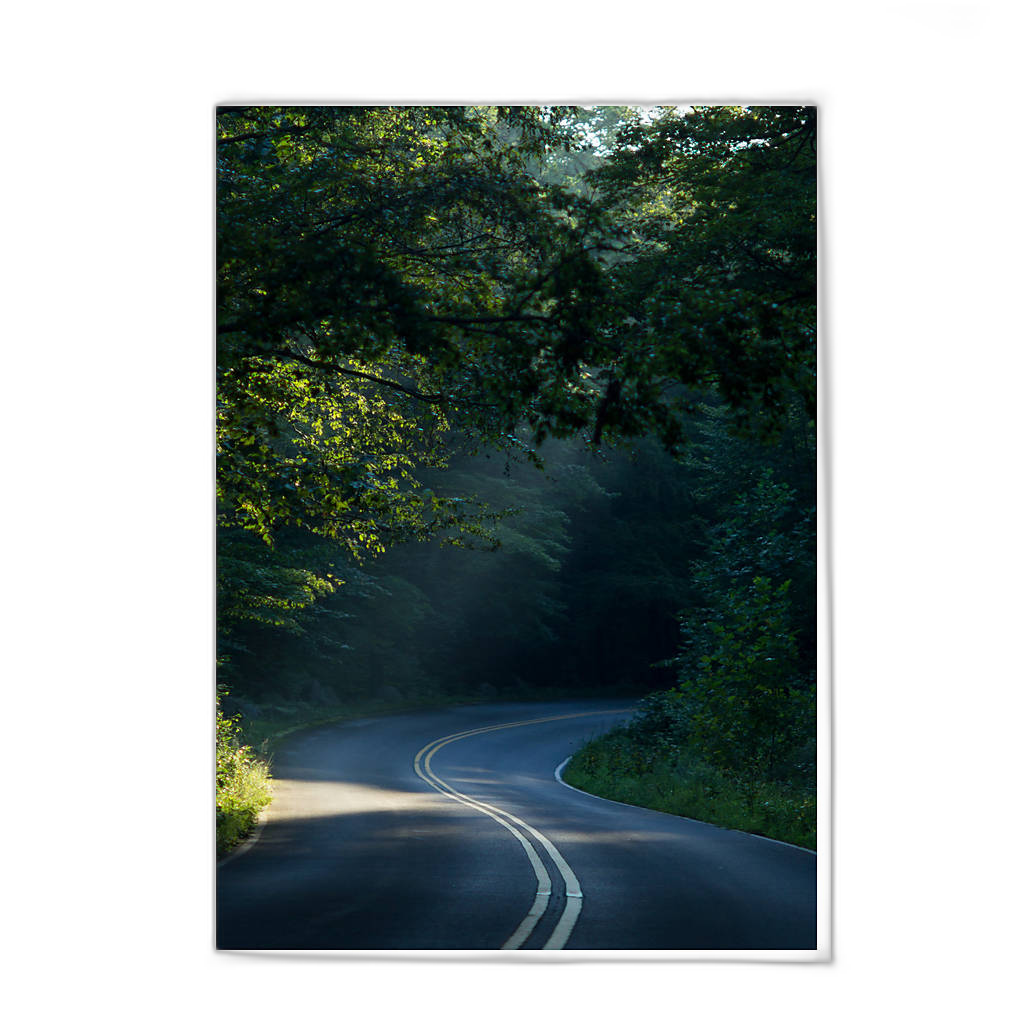
If you are preparing a portfolio before entering contests, printed proofs can help you evaluate whether your image still communicates clearly without lots of text. Many photographers use lab prints for this review process.
Should I describe my technical process or focus on the story behind the shot?
In most contests, story and intent matter more than a list of settings. Judges usually do not need to know your shutter speed, lens choice, or editing software unless the competition specifically asks for technical details. What helps more is a concise explanation of why the image matters, what was happening in the scene, or what you want the viewer to feel.
Technical process can be useful when it directly supports the concept. For example, if a long exposure was central to showing movement, or if a macro technique revealed something the eye could not normally see, one short line may be appropriate. Keep it relevant. If it sounds like gear notes rather than meaning, leave it out.
Photographers looking to improve both visual storytelling and fieldcraft often benefit from guided education. Workshops such as Unique Photo learning experiences can sharpen the decision-making behind both image creation and image presentation.
Is it better to be concise or elaborate in a contest title or description?
Concise almost always wins. A title should be memorable and intentional, while the description should deliver only the information that genuinely helps the image. In practice, that often means a title of a few words and a description of one to three short sentences.
Elaborate writing can feel like compensation if the image is not communicating on its own. Judges often review many submissions in a short period, so clarity matters. Aim for language that is specific, readable, and free of filler. If every sentence does not add value, trim it.
A useful test is to print the image, step away from your screen, and read your text beside the photograph. If the description feels longer than the viewing experience itself, it is probably too long.
What makes a strong photo contest title?
A strong title adds dimension without giving everything away. It can hint at theme, mood, place, or tension. Good titles are often evocative rather than literal. Instead of merely naming the subject, they suggest the deeper idea behind the frame.
That said, clarity still matters. If the contest is documentary or nature-based, a title that is too abstract may confuse rather than enhance. Try to avoid generic titles like Untitled, Sunset, or Street Scene unless the contest context truly calls for simplicity. Look for a phrase that feels grounded in the image itself.
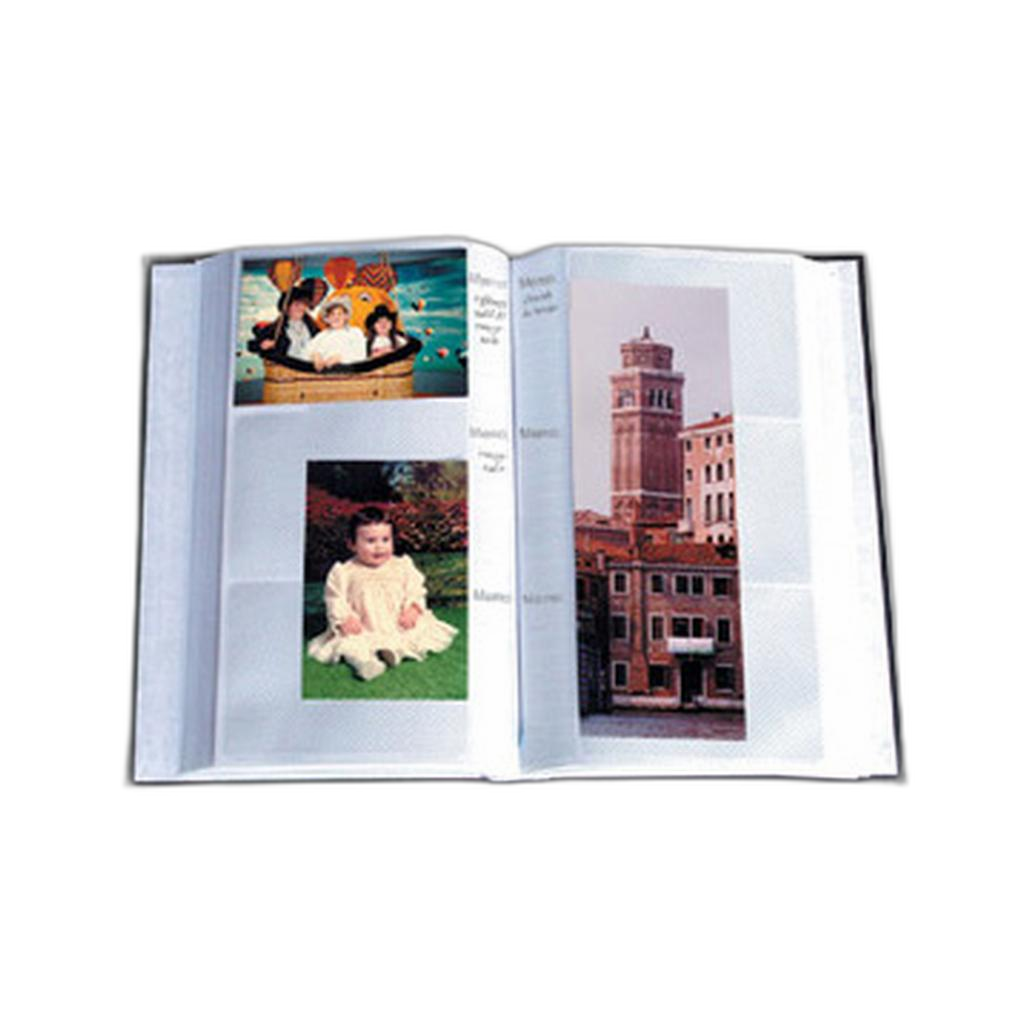
If you are developing a series, organizing physical prints in albums can help you compare naming patterns and determine which titles feel distinctive rather than repetitive.
What should I include in the description if the contest allows a short statement?
Include only the essentials: context, significance, and intent. A strong contest description often answers one or two of these questions: What is happening here? Why is this moment important? What should the viewer understand that may not be immediately visible?
For documentary, travel, or portrait entries, context may be especially useful. For fine art work, your statement may focus more on concept or mood. For wildlife and landscape, location and conditions can matter if they are relevant to the image’s meaning. Keep your tone professional and direct.
A practical framework is this: one sentence to situate the image, one sentence to explain why it matters, and one final sentence only if it deepens understanding. If that third sentence feels optional, cut it.
Are there common mistakes photographers make with contest captions?
Yes. The most common mistakes are overwriting, repeating the obvious, and using language that sounds inflated. If the image shows rain, you do not need to write that it was raining. If the photo is emotional, you do not need to insist that it is powerful. Let the image do that work.
Another common mistake is forcing technical information into every description. Unless the contest is specifically technique-oriented, judges are usually more interested in subject, execution, and originality than in your full camera settings. Also avoid humor or wordplay unless it clearly suits the image and audience.
Finally, proofread everything. A typo in a title or statement may seem minor, but in a competitive field, polished presentation matters.
Can a printed review process improve my title and description?
Absolutely. Seeing your work in print changes how you evaluate both the image and the text that accompanies it. On screen, photographers often tolerate cluttered writing because they are still mentally attached to the shooting experience. In print, it becomes easier to see whether the photo stands on its own and whether the title or description actually adds something useful.
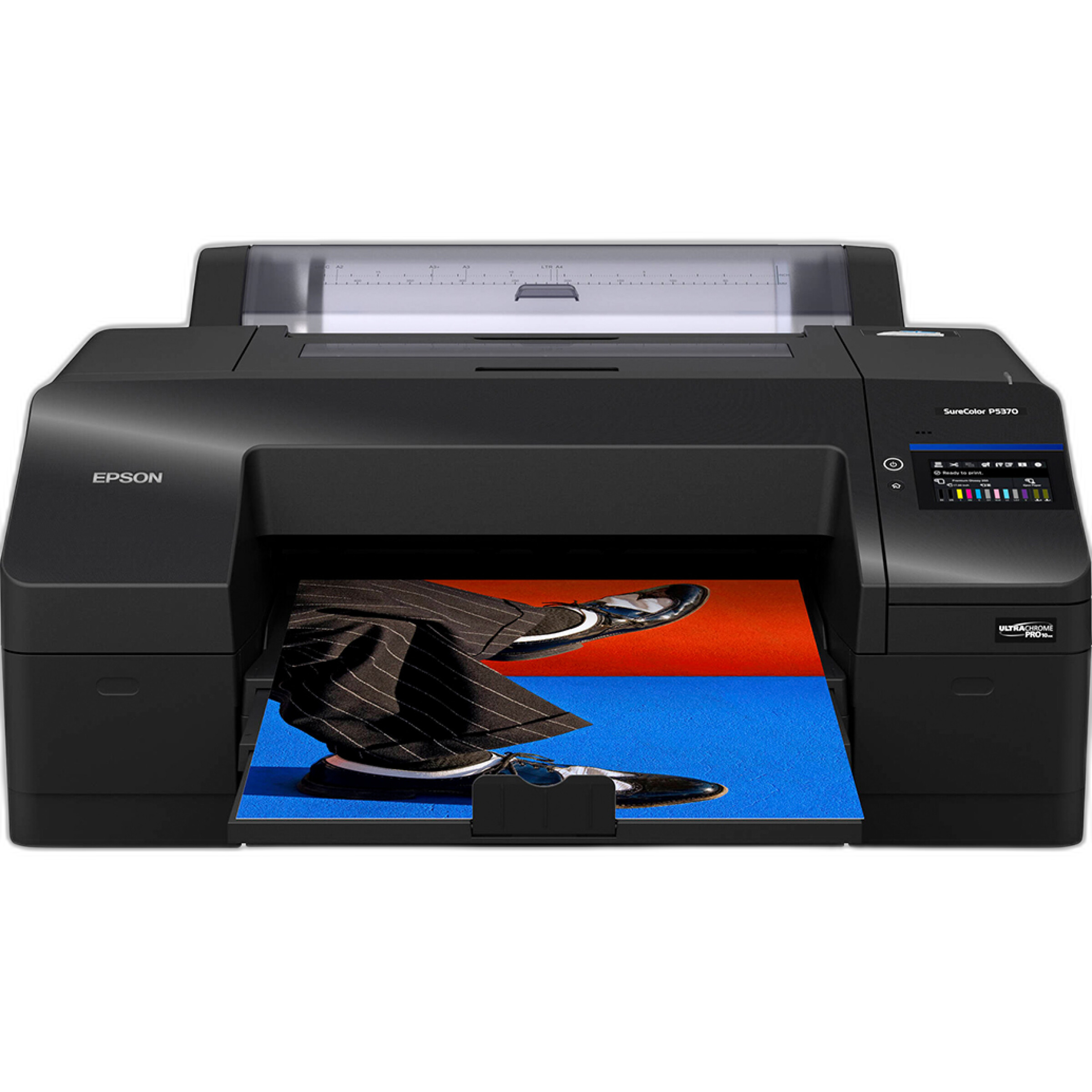
If you are entering multiple contests, consider printing small proofs and sequencing them physically. A reliable printer like the Epson SureColor P5370 can help serious photographers review tone, detail, and presentation at a high standard before final submission.
For ongoing editing and note-taking, albums and refill pages are also helpful for keeping candidate entries together with draft titles and revised statements.
Are there good models for award-worthy captions without copying anyone else?
Yes: study structure, not wording. The best contest captions tend to be clear, restrained, and image-specific. They do not try to sound poetic at all costs, and they do not read like technical manuals. Instead, they create just enough context for the judge to better appreciate the photograph.
A useful model is to write in plain language first, then refine for rhythm and precision. If your first version sounds too promotional or too sentimental, simplify it. If it sounds dry, make it more specific. The goal is an authentic voice that supports the image rather than competing with it.
Photographers who want to grow their storytelling instincts can benefit from talks and presentations centered on narrative photography and experience-driven image making.

How can I practice writing better titles and descriptions before a major contest?
Practice on your own work regularly, not just when deadlines arrive. Choose a set of favorite images and write three different title options and two different description lengths for each. Then compare which versions feel most natural, most informative, and most aligned with the image.
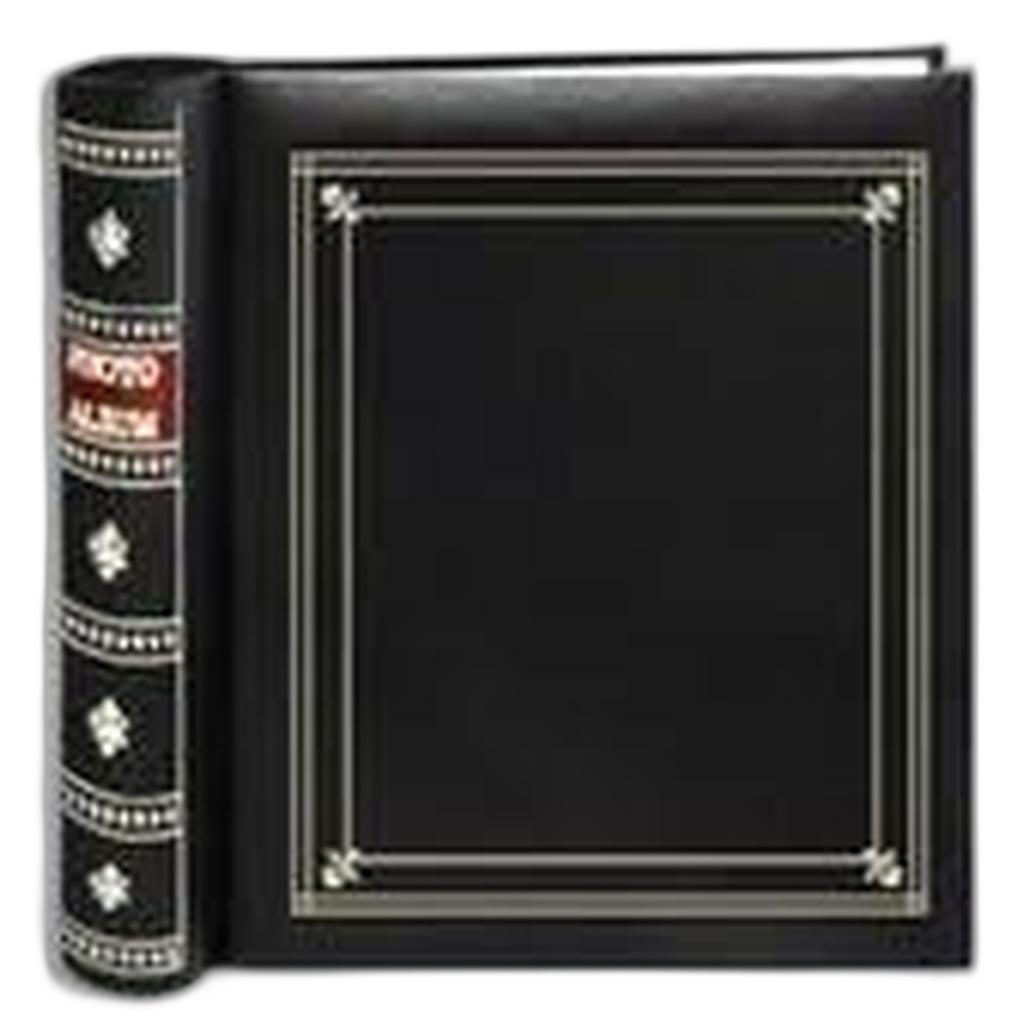
You can also build a physical archive of prints and notes, revisiting your wording over time. This helps you notice patterns—such as overexplaining, leaning on clichés, or relying on titles that are too vague. A dedicated album can be a practical tool for organizing these revisions.
The more often you practice pairing strong imagery with thoughtful language, the easier contest submissions become.
Your title and description should never overshadow the photograph, but they can absolutely sharpen how your work is received. If you are preparing for your next contest, Unique Photo can help with prints, presentation tools, educational events, and gear to support every stage of your photographic process.