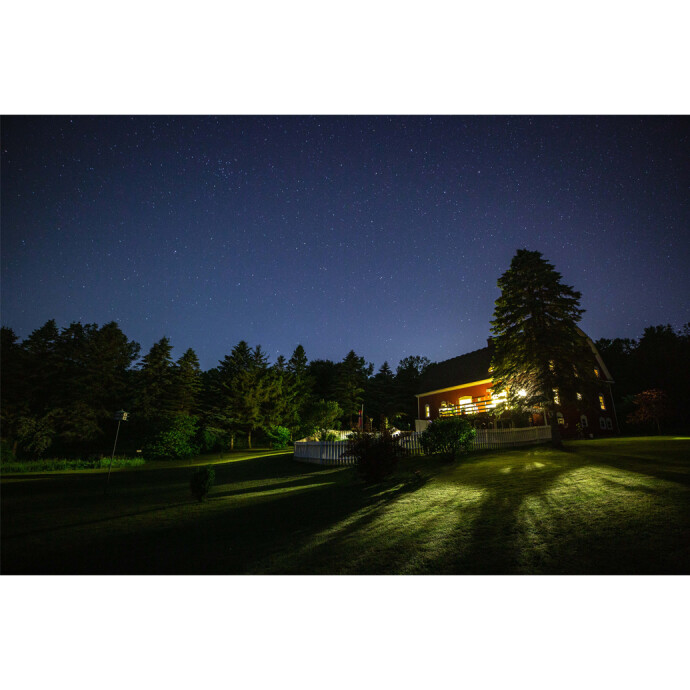
Photography Contest Tips FAQ: How to Choose, Edit, and Submit Better Images
Entering photography contests can be exciting, but it also raises a lot of practical questions. At Unique Photo, we regularly help photographers refine their vision, strengthen their editing workflow, and present their work more effectively—skills that can make a real difference when competition entries are being judged.
While every contest has its own rules and judging style, a few core principles consistently improve your odds: submit your strongest work, edit with purpose, match the theme intelligently, and present your image professionally. Below are some of the most common questions photographers ask when preparing contest entries.
How do I choose which images to submit to a photography contest?
Start by narrowing your choices to images that are strong on both impact and clarity. A contest image usually needs to work quickly; judges may review many entries in a short period of time, so your photograph should communicate its subject, mood, or story almost immediately. Look for frames with a clear focal point, strong composition, and emotional or visual memorability.
It also helps to compare a few finalists side by side. Ask yourself which image still feels compelling after repeated viewing. The photo you are most attached to personally is not always the one that reads best to a neutral judge. If possible, get feedback from photographers you trust or from an instructor who can evaluate your image with fresh eyes.
Building stronger image selection skills often comes from critique and guided shooting experience. Workshops like Unique Photo's Macro and Landscape Photography at Duke Farms with Michael Downey can help photographers develop a more deliberate eye for composition and subject choice.
Should I submit technically perfect images or more creative ones?
The strongest contest entries typically combine technical control with a distinctive point of view. Technical flaws that distract from the subject—such as missed focus, clipped highlights, awkward cropping, or poor color management—can hurt an otherwise creative photograph. At the same time, a perfectly executed image that feels generic may not stand out in a competitive field.
In many contests, originality, storytelling, and interpretation matter as much as sharpness and exposure. Judges often respond to images that feel intentional. If you break a technical convention, make sure it clearly serves the image. Motion blur, unusual framing, deep contrast, or selective focus can all work well when they support the concept rather than looking accidental.
One way to build this balance is by studying how experienced photographers create work with both craft and personality. Events such as EXPO: Stories from the Road - Photography Across Worlds w. Matthew Borowick can be especially useful for understanding how visual storytelling elevates photographs beyond simple technical execution.
Is it better to edit heavily or keep edits minimal for contests?
The best editing approach is the one that supports the image without calling unnecessary attention to itself. In some genres, such as fine art, conceptual work, or certain landscape styles, more dramatic editing may be acceptable or even expected. In others—especially documentary, journalism, and natural history—overprocessing can quickly become a problem if it violates contest rules or undermines credibility.
Rather than thinking in terms of heavy versus minimal editing, think in terms of appropriate editing. Improve tone, color, contrast, local detail, and distractions in a way that strengthens your intended message. If saturation, sharpening, HDR effects, or retouching become the first thing a judge notices, the edit may be overpowering the photograph.
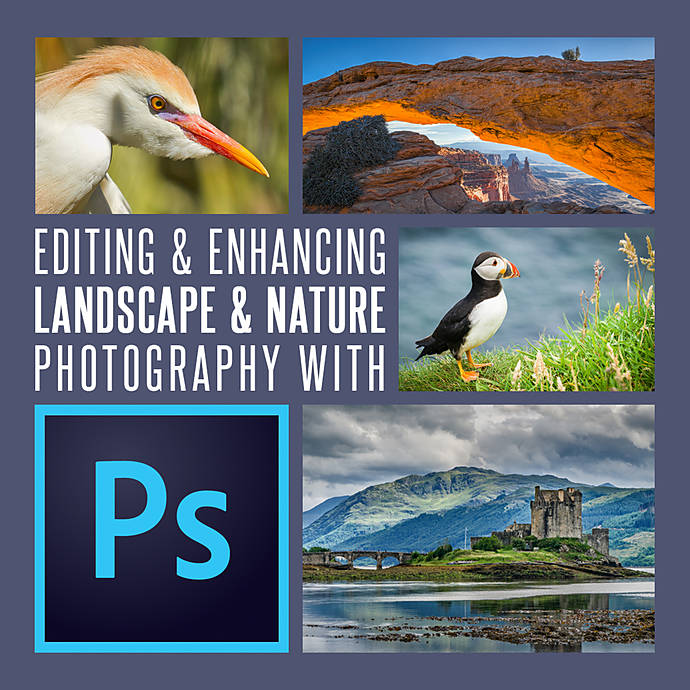
Before submitting, always read the contest guidelines carefully. Some competitions allow extensive manipulation, while others permit only basic global adjustments. If you want to improve your post-processing judgment, Unique Photo's Editing and Enhancing Landscape and Nature Photography with Photoshop is a strong resource for learning how to refine images with control and restraint.
How literally should I follow the contest theme?
You should absolutely follow the theme, but that does not always mean taking the most obvious or literal approach. Judges generally want to see that your image clearly belongs in the category or prompt, yet the most memorable entries often interpret the theme in a fresh, thoughtful way. A literal image may be easy to understand, but a more nuanced interpretation can stand out if it still feels relevant.
For example, if a contest theme centers on connection, a straightforward portrait of two people may work well—but so might an image that suggests connection through gesture, light, environment, or symbolism. The key is that the relationship to the theme should be understandable without requiring a long explanation.
When in doubt, ask whether a judge unfamiliar with your intent would still see the connection. If the answer is no, the image may be too abstract for that specific contest. Contest success often comes from balancing originality with clarity.
How important are the contest rules and file requirements?
They are extremely important. Many entries are disqualified not because the image is weak, but because the photographer overlooked a technical requirement. Pay close attention to file size, dimensions, color space, naming conventions, submission deadlines, watermark rules, and any restrictions on AI, compositing, or object removal.
You should also review genre-specific limitations. Some wildlife and photojournalism contests, for example, may request original RAW files or allow only minimal edits. Entering the wrong category can also work against you, even if the photo itself is strong. A great travel image submitted to a general landscape category may not perform as well as it would in a storytelling-focused category.
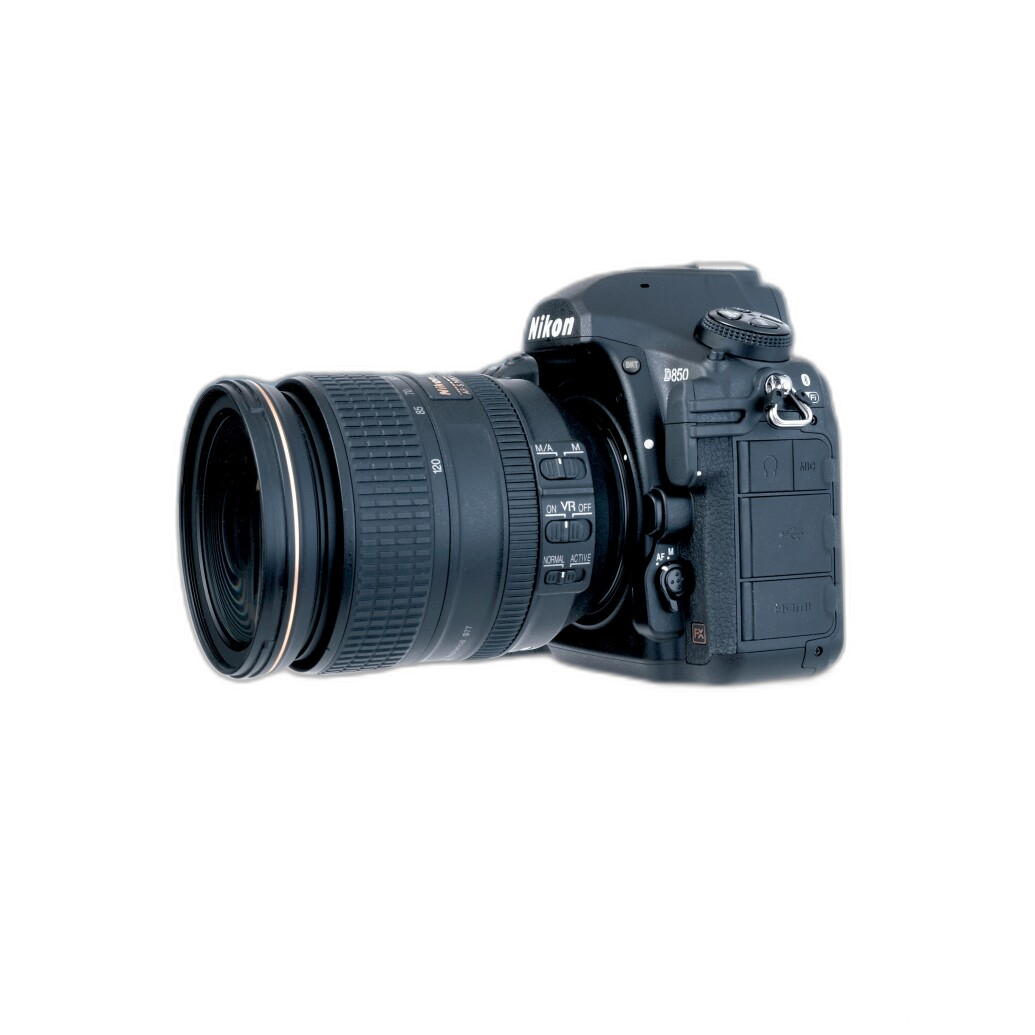
Developing a disciplined capture-to-output workflow helps reduce these mistakes. Camera-specific learning tools, such as the Nikon D850 Guide to Digital SLR Photography by David Busch, can help photographers understand file quality, exposure control, and camera settings that support more polished final submissions.
Does storytelling matter in a contest, even for a single image?
Yes. Even when a contest asks for a single photograph, images that imply a larger story often perform better than those that simply record a scene. Storytelling can come from gesture, timing, light, subject relationships, atmosphere, or a sense of place. A strong contest image makes viewers pause and ask questions or feel something specific.
This does not mean every photo must be dramatic or complex. Simplicity can be very effective when the visual message is clear. A quiet landscape, a carefully observed detail, or a minimal portrait can still feel story-driven if it creates mood and intention.
Photographers looking to sharpen narrative instincts can benefit from educational experiences that focus on how images communicate. Programs and talks centered on photographic journeys and body-of-work development are especially useful for contest preparation because they encourage more purposeful image-making.
Should I enter my newest images or can older work still be competitive?
Older work can absolutely still be competitive if it remains fresh, relevant, and within the contest's eligibility dates. In fact, revisiting your archive can be a smart strategy because time gives you distance. You may evaluate an older image more objectively than one you photographed last week, and you may now have better editing skills to present it more effectively.
That said, newer work sometimes benefits from stronger intention because you created it with your current skill level and visual voice. The best approach is to consider both. Search your archive for overlooked images, then compare them with your recent work under the specific theme and judging criteria of the contest.
Genre training can also expand the range of contest-worthy images you create. For example, specialized classes like UUOnline: Astrophotography 4-Part Series with Temu Nana can help photographers build standout entries in a niche category where technical precision and creative presentation both matter.

How can I improve my chances over time if I do not win right away?
Contest success is usually cumulative. Many strong photographers submit multiple times before earning recognition, and that process can be valuable if you treat each entry as feedback on your editing, selection, and visual communication. Keep records of what you entered, which categories you chose, and which images received positive responses elsewhere.
It is also worth investing in education that strengthens weak points in your workflow. If your images are compelling but inconsistent in post-production, targeted editing instruction can help. If your work is technically solid but not distinctive enough, a class or lecture that emphasizes personal vision may be the better next step. Even specialized instruction in areas like product photography, film photography, or night sky work can broaden your creative range and improve your overall competitiveness.
Most importantly, enter contests that fit your style. Not every competition rewards the same aesthetic. The more you align your work with the right audience and category, the better your odds of standing out.
What is the best final checklist before I submit?
Before you upload anything, review this short checklist: confirm the image fits the theme, verify that your edit complies with the rules, check exposure and color one last time on a calibrated display if possible, inspect for dust spots or distracting elements, export to the correct dimensions and file format, and make sure your title and description—if allowed—support rather than overexplain the image.
Then step away briefly and come back for one more look. A short break can make problems easier to spot. If the image still feels strong, clear, and contest-appropriate, submit with confidence.
Whether you are refining your editing skills, developing stronger storytelling, or exploring new genres, Unique Photo offers classes, events, and learning resources to help you build contest-ready work. Explore our educational offerings and photography tools to take your next submission to a higher level.