Affordable Beginner Gear for Your First Photography Contests: FAQ
Entering your first photography contest can feel intimidating, especially when you're trying to build a capable kit without overspending. The good news is that strong contest images come far more from technique, timing, and presentation than from owning the most expensive gear, and a smart beginner setup can absolutely help you compete with confidence.
Below, we answer common questions from new photographers about affordable gear, useful accessories, smartphone entries, and the features that matter most when shopping for entry-level equipment.
What camera should a beginner choose for photography contests?
For most beginners, the best contest camera is one that is easy to use consistently, offers good image quality in a variety of lighting conditions, and gives you enough manual control to grow. In practical terms, that usually means an entry-level mirrorless camera or DSLR with reliable autofocus, RAW capture, and solid low-light performance. You do not need a flagship body to produce contest-worthy images. Judges respond to strong composition, storytelling, clean exposure, and intentional editing much more than the price tag of your camera.
If you're shopping at Unique Photo, prioritize a camera system with affordable lens options so your kit can grow over time. A beginner-friendly body paired with a versatile standard zoom or a simple prime lens is often a stronger investment than spending your whole budget on a body alone. If you are still deciding which system fits your goals, hands-on beginner education can be just as valuable as gear itself.
Unique Photo's Photography Beginners Guide with Robbie Bulilan (Sony) can be a practical next step for photographers who want clearer guidance before committing to a system.
What lens is the smartest first purchase for a new contest photographer?
If you are choosing only one lens to start, think about the kinds of contests you want to enter. A standard zoom is the easiest all-around option because it covers portraits, street scenes, travel, and everyday subjects. If you want a more dramatic jump in image quality for the money, an affordable prime lens is often the better value. A fast 35mm or 50mm equivalent can help you create sharper images, blur distracting backgrounds, and shoot in lower light without pushing ISO as hard.
For portrait-heavy contest work, a short telephoto prime is a great learning tool. For travel or documentary categories, a standard zoom gives you flexibility. For close-up detail work, you may eventually want a macro lens, but it does not need to be your first purchase. The key is buying a lens that encourages you to shoot often and refine your eye.
What features matter most when buying entry-level gear for contests?
When evaluating affordable gear, prioritize features that directly improve your ability to make technically strong images. RAW capture is essential because it gives you more latitude when adjusting exposure, white balance, and color in post-processing. Reliable autofocus matters, especially for portraits, action, pets, and candid moments. Good ergonomics also matter more than many beginners expect; a camera that feels intuitive in your hands is one you will use more often and use better.
Image stabilization can be a major benefit if you shoot handheld in available light. A usable electronic viewfinder or bright rear screen helps with composition. Finally, do not overlook lens availability within a system. A less expensive body attached to a good lens often outperforms a more expensive body paired with a weak lens choice for real-world contest submissions.
Are there inexpensive accessories that make a big difference in contest image quality?
Yes. A few budget-friendly accessories can improve consistency and polish more than beginners expect. A stable tripod, extra battery, memory card with enough capacity, and a simple reflector are all high-value additions. Even if your contest category does not demand technical perfection, these tools can help you avoid missed shots, camera shake, and rushed decisions.
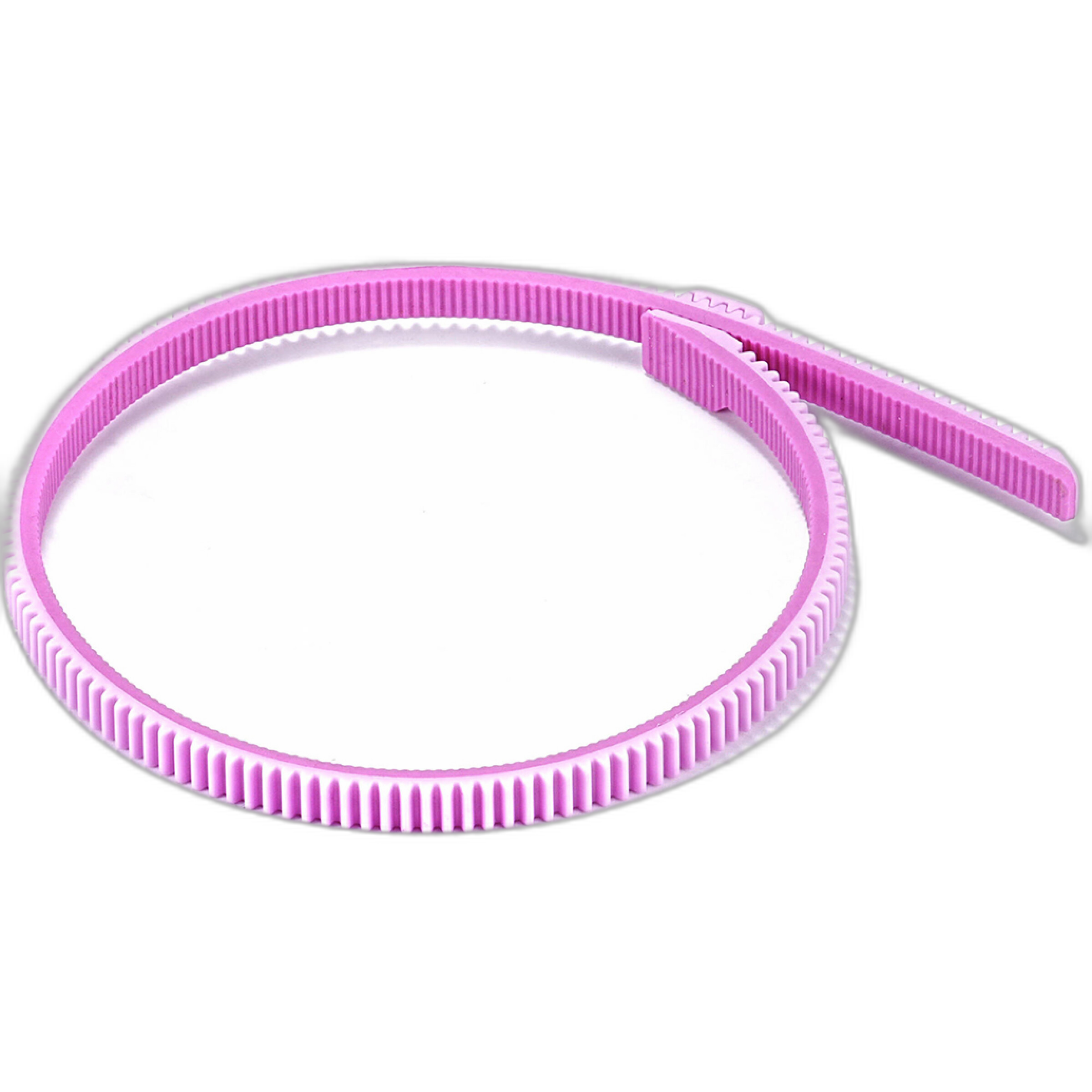
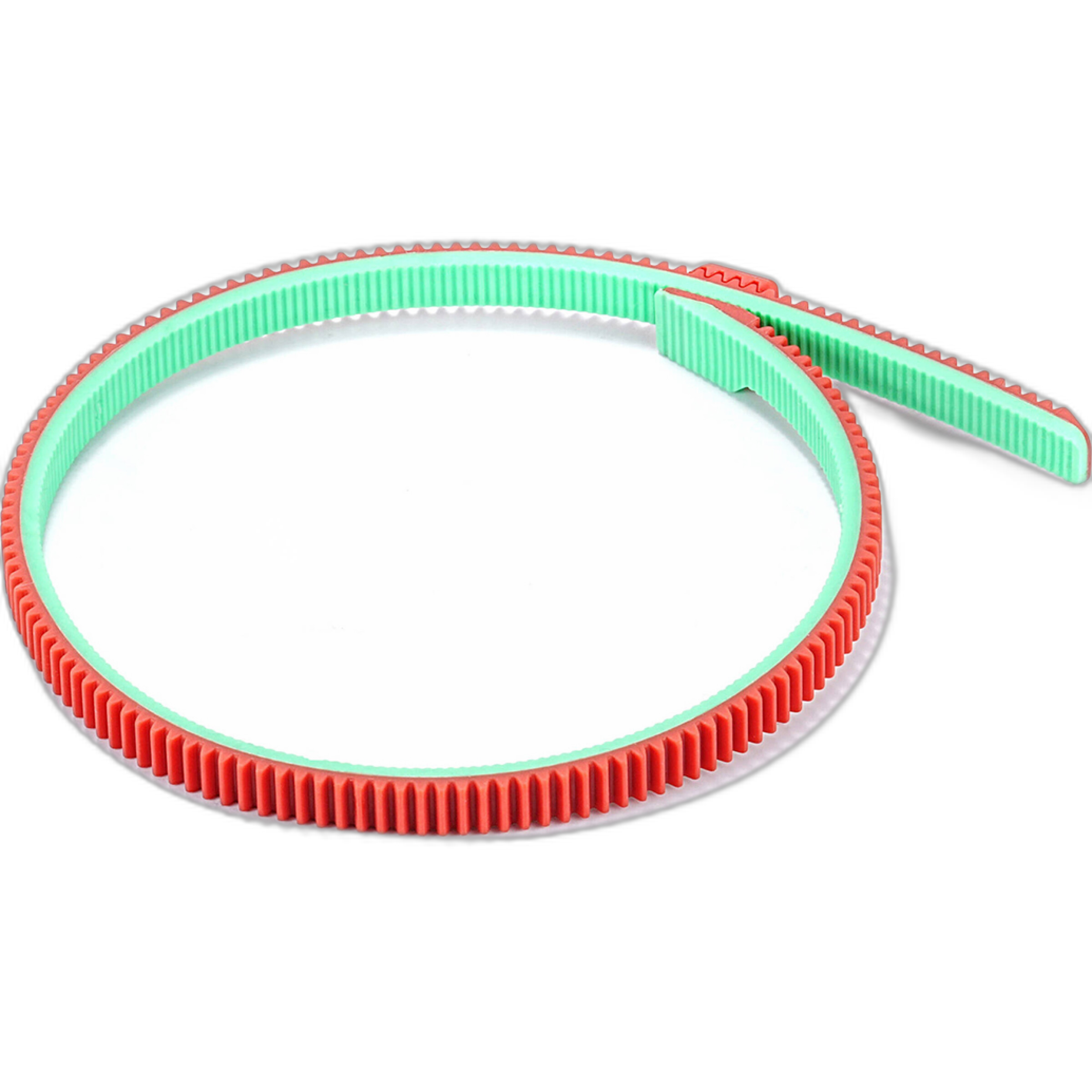
For photographers exploring video-based contest categories, hybrid shooting, or precise manual focusing, lens gear accessories can also be useful. Products like the Tilta Universal Focus Gear Ring - Pink and Tilta Universal Focus Gear Ring - Red can help create a smoother manual focus workflow when paired with compatible focusing systems. While they are not a must-have for every still photographer, they can support more controlled focus pulls for multimedia contest entries or creative projects.
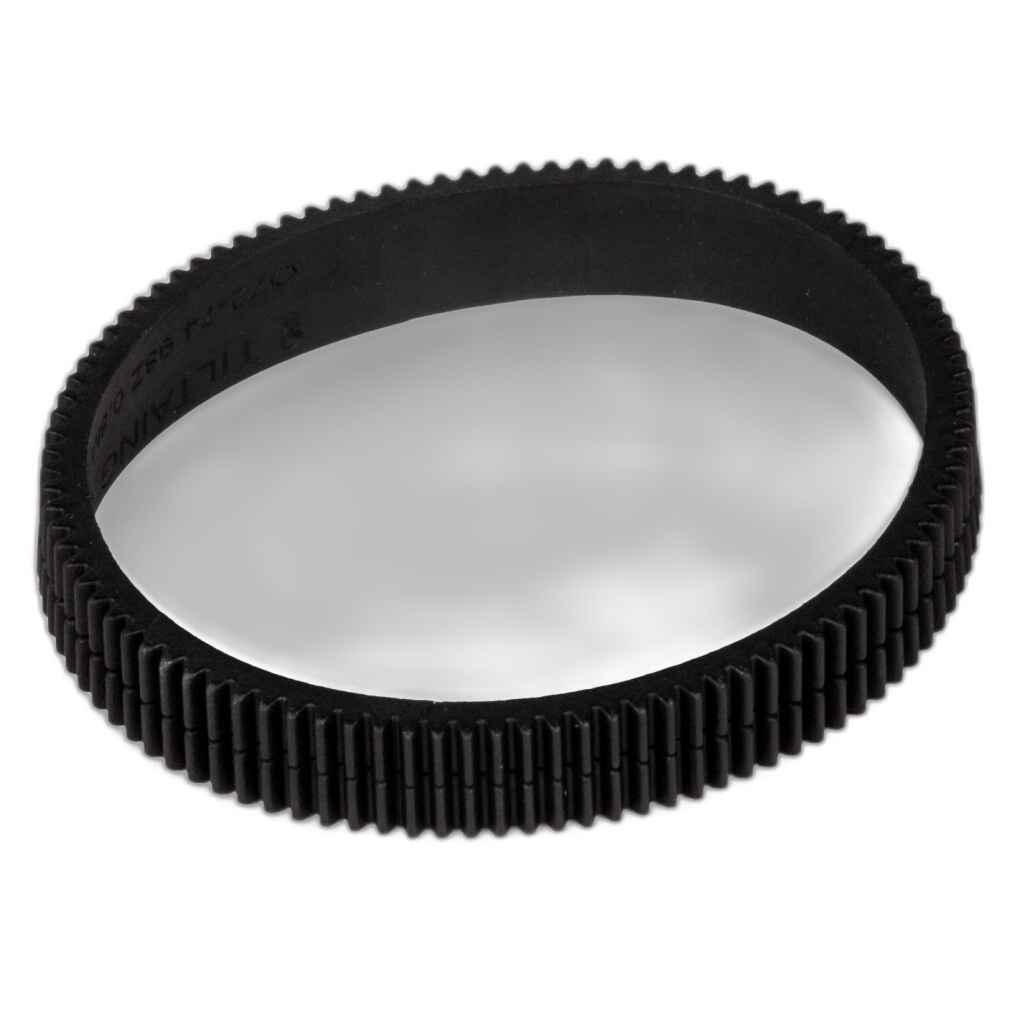
If you work with a lens that needs a more tailored fit, the Tilta Seamless Focus Gear Ring - 53 to 55mm is another option that can help simplify manual focus control in a compact setup.
Do judges look down on smartphone photography entries?
In many contests, no. What matters most is whether the contest rules allow smartphone images and whether your photo is strong enough to stand on its own. Some competitions have dedicated mobile categories, while others judge all files together. Either way, judges typically focus on impact, composition, lighting, originality, and execution. A compelling image made on a phone can outperform a weak image made on expensive camera gear.
That said, dedicated cameras still offer advantages in optical quality, dynamic range, lens choice, and control over depth of field. If you're serious about entering a range of contests, especially those involving low light, wildlife, portraits, or large prints, a camera system gives you more room to grow. Smartphones are valid tools, but they also come with limitations that become more noticeable as competition gets tougher.
Can beginners win contests with affordable gear?
Absolutely. Beginners often assume contests are won by equipment alone, but the reality is that strong visual choices matter more. Good light, clean framing, emotional connection, and thoughtful editing can carry an image much farther than premium gear by itself. In fact, a simpler kit can sometimes help you learn faster because you spend less time juggling settings and more time understanding composition and timing.
The best approach is to build a modest, dependable setup and then invest in practice. Shoot often, review your work critically, and study the categories you want to enter. If your budget is limited, put more of it toward one good lens and educational support rather than trying to own every accessory at once.
Should I spend more on accessories or on learning?
For most beginners, learning delivers the biggest return. Accessories can be helpful, but education improves every image you make regardless of what camera you own. A class, workshop, or guided beginner event can accelerate your understanding of exposure, composition, lens choice, and editing much faster than trial and error alone.
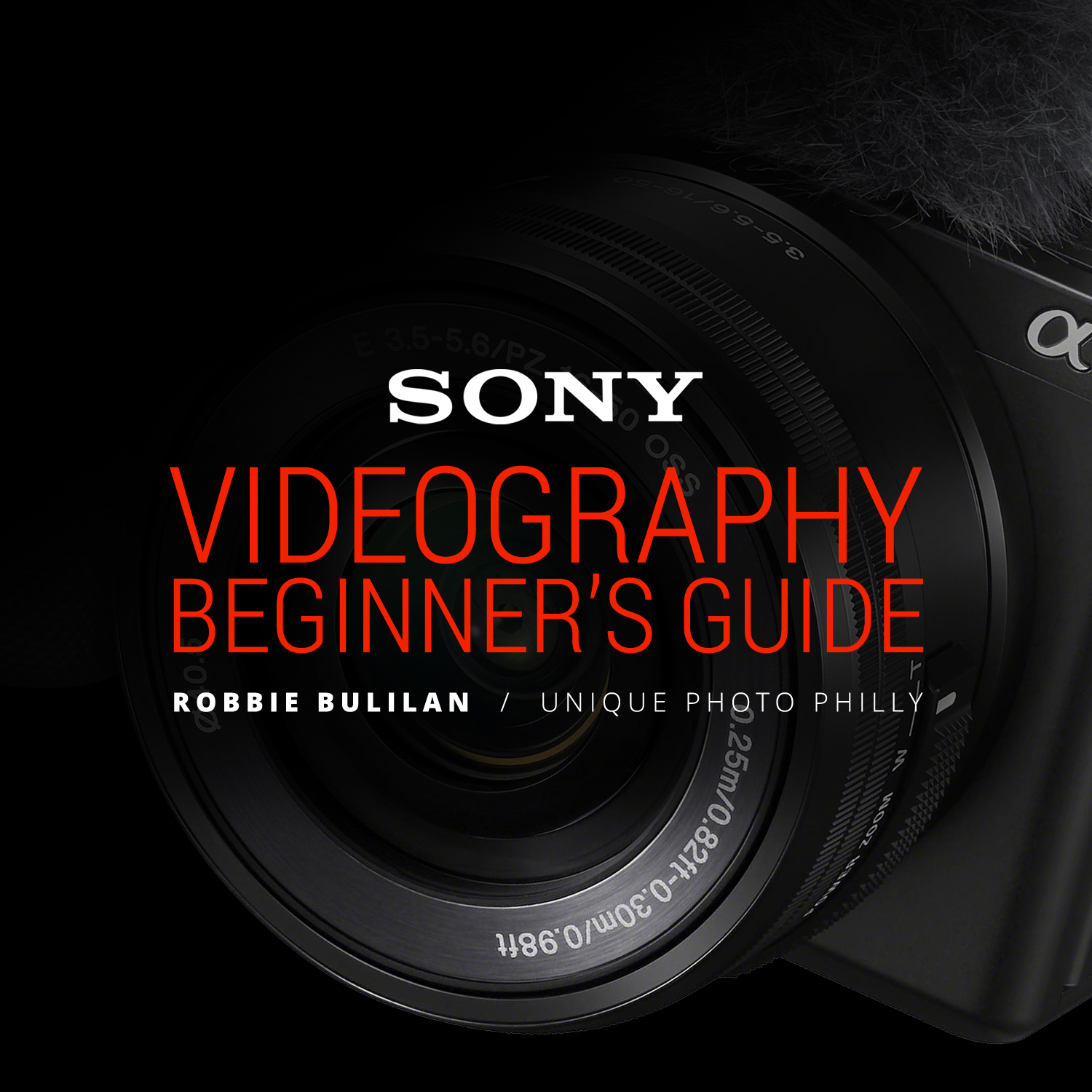
Unique Photo offers beginner-focused events that can help new creators build confidence before entering competitions. If you also create motion content or want to strengthen your hybrid shooting skills, the Videography Beginners Guide with Sony (Philly) is a useful option to explore alongside your still photography development.
What is the best budget strategy for building a contest-ready starter kit?
A smart beginner budget usually follows this order: camera body, one versatile lens or one strong prime, basic support accessories, and then education. Start with a body that offers RAW files and dependable autofocus. Add a lens that fits the subjects you actually plan to enter in contests. Then cover the essentials like memory, power, and stability. After that, upgrade only when your current gear is genuinely holding back a specific goal.
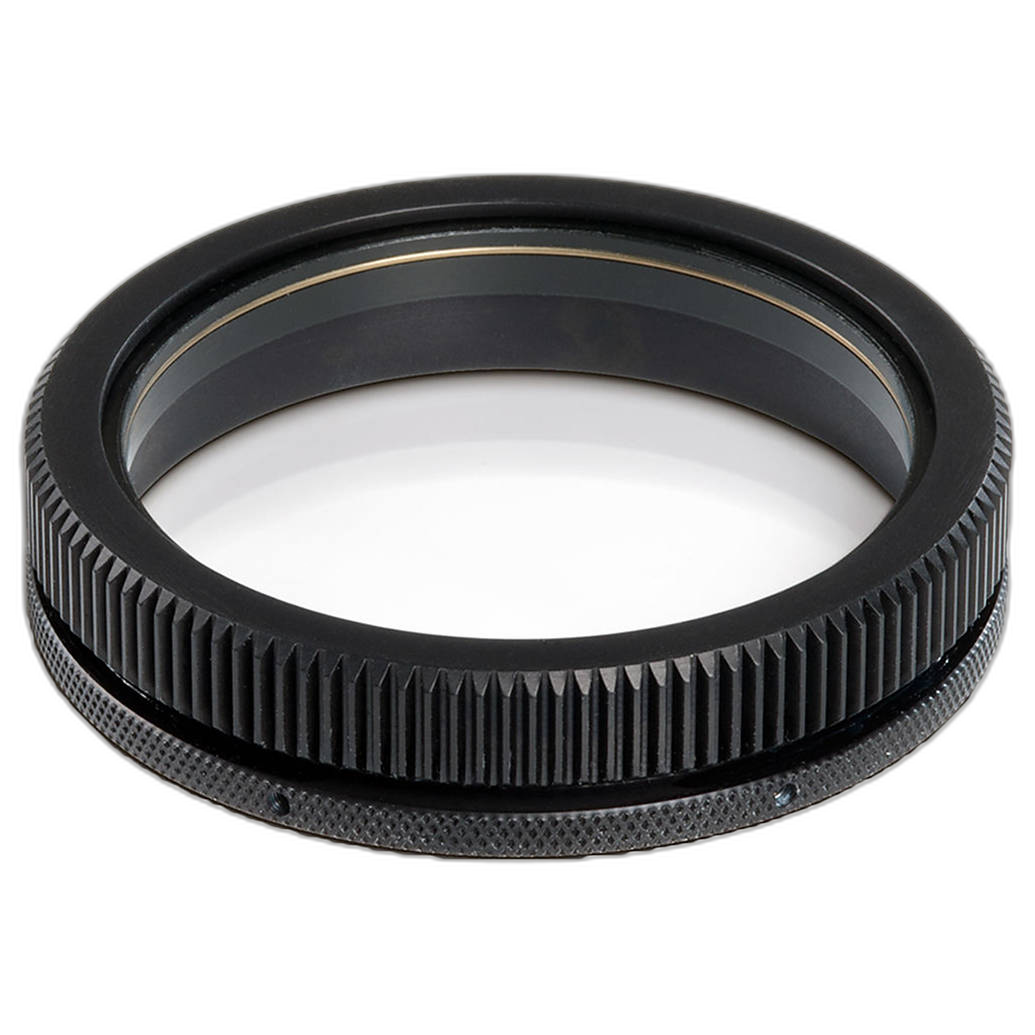
If your creative interests expand into controlled manual focus work, multimedia projects, or more specialized rigs, accessories such as the Zeiss Lens Gear - Large and other lens gear options can be worthwhile additions for compatible setups. They are more niche tools, but for the right workflow they can improve consistency and handling.
The most important thing is to avoid buying based on hype. Buy for the kinds of images you want to make, and make sure your setup encourages frequent practice rather than draining your budget before you start shooting.
Ready to put together an affordable contest kit? Explore beginner-friendly gear, useful accessories, and educational events at Unique Photo to build a setup that fits your budget and helps you create images you're proud to submit.