Photo Contest FAQ: How to Make Your Images Stand Out to Judges
Entering a photo contest can be exciting, but it also raises a big question: what actually makes one image rise above the rest? While every competition has its own criteria, strong entries usually combine technical control, a clear point of view, and an image that feels memorable the moment it is seen.
At Unique Photo, we help photographers refine both their craft and presentation. Whether you are building a stronger portfolio, improving your storytelling, or preparing exhibition-quality prints, the right approach can make your contest submissions more compelling.
What types of images tend to catch judges' eyes?
Images that stand out in contests usually do one or more things immediately: they present a strong subject, use light intentionally, show technical polish, and offer a perspective that feels distinct. Judges often review many photographs in a short period of time, so clarity matters. A powerful image should have an obvious visual anchor and avoid distractions that weaken the frame.
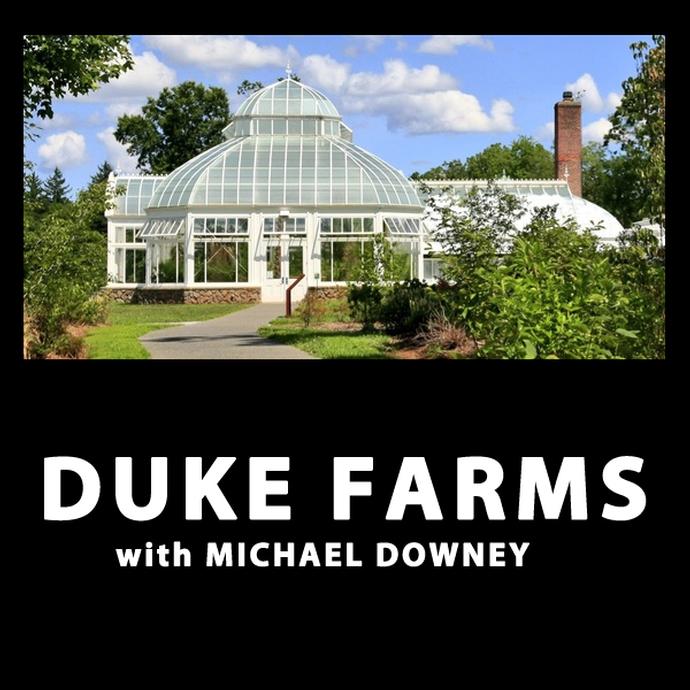
That does not mean your work must be dramatic or exotic. A simple landscape, portrait, macro study, or documentary image can be highly competitive if it is executed with purpose. What matters is whether the photograph feels finished and deliberate. If you want to strengthen your eye for detail, field workshops can be a practical way to develop contest-worthy work. For example, Unique Photo educational experiences like Macro and Landscape Photography at Duke Farms with Michael Downey can help photographers refine composition, natural light awareness, and subject isolation.
Specialized outings can also push you toward visually distinctive subjects. A session like Photograph Fluorescent Zinc Ore at Sterling Hill Mine encourages experimentation with unusual color, texture, and lighting conditions that can lead to standout entries.

Is it better to follow classic composition rules or break them?
Classic composition rules are useful because they help create order, balance, and visual flow. Techniques like the rule of thirds, leading lines, framing, and clean negative space remain effective because they guide the viewer's attention naturally. For many contest images, strong fundamentals are an advantage.
That said, some of the most memorable photographs intentionally break those conventions. Centered compositions, unusual cropping, tilted horizons, or heavy shadow can all work when they support the image's emotional or conceptual impact. The key is intention. Breaking a rule only helps if it makes the image stronger, not if it makes the frame feel accidental.
A good test is to ask whether your choice adds tension, clarity, surprise, or meaning. If the answer is yes, the unconventional approach may be exactly what the image needs. If not, returning to cleaner composition is often the better decision for contest work.
Do judges prefer color or black-and-white photography?
There is no universal winner between color and black-and-white. Judges typically respond to whichever treatment best serves the subject. Color can be powerful when hue relationships, mood, or contrast are essential to the image. Black-and-white often works best when the strength of the photo lies in shape, texture, gesture, light, or emotional simplicity.
The important question is not what judges prefer in general, but whether removing or emphasizing color makes your specific image more effective. If color is distracting, black-and-white may sharpen the viewer's focus. If the scene depends on vivid tonal contrast or unusual lighting, color may be the reason the image succeeds.
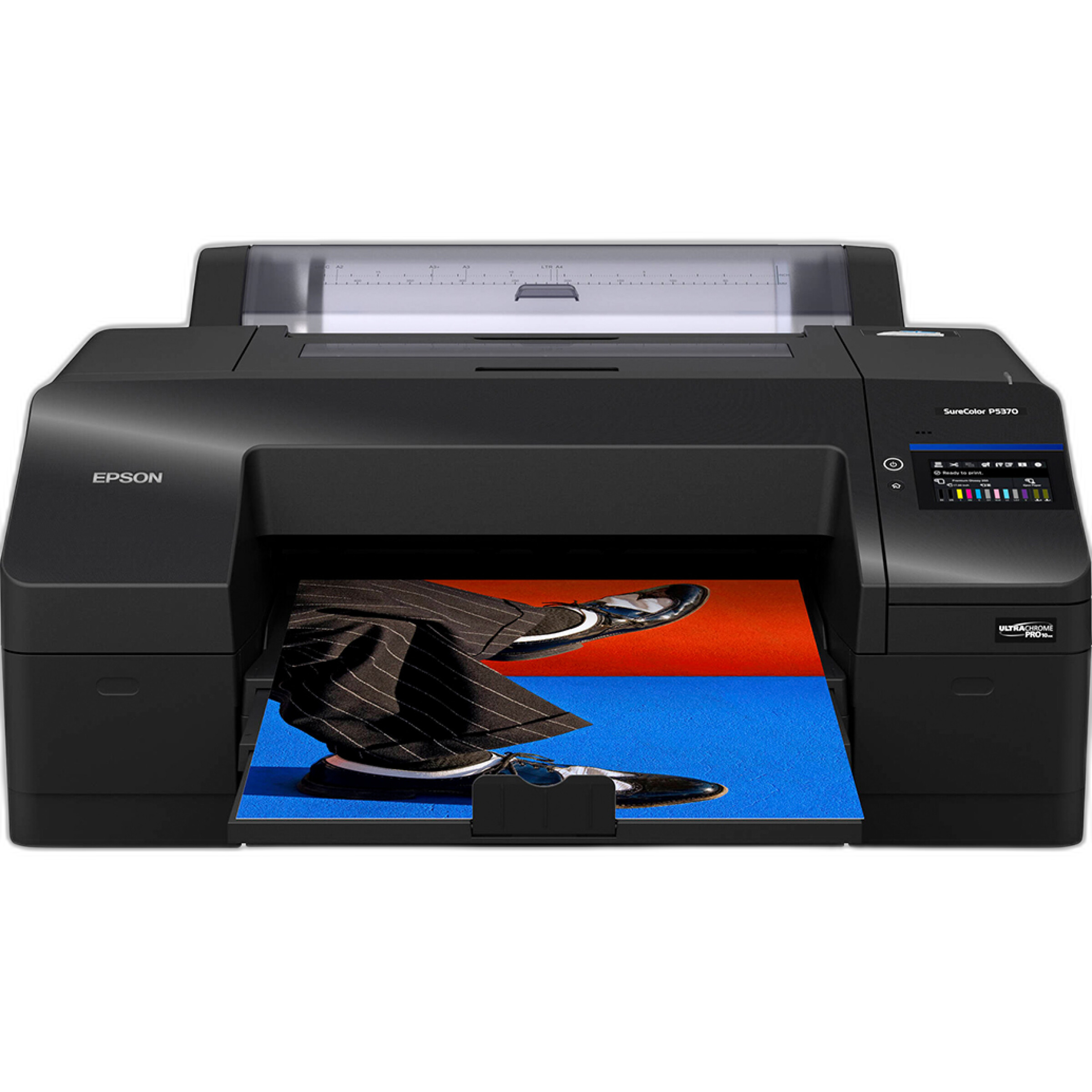
For print-based submissions, the quality of the output matters as much as the edit. A professional printer like the Epson SureColor P5370 17-Inch Professional Photographic Printer can help you produce highly controlled black-and-white tonality as well as rich color prints suitable for portfolio reviews and competitions.
Pairing a strong printer with premium media such as Kodak Professional Metallic Photo Inkjet Paper 44 x 100 Roll can also influence how your work is perceived. Metallic paper can add depth and vibrancy to certain color images, especially cityscapes, night scenes, or high-impact conceptual work.

How important is the story behind the image?
Story matters, but usually only after the image itself earns attention. In most contests, the photograph must work visually before any statement or caption has a chance to help it. A compelling story can deepen the impact of a strong image, but it rarely rescues a weak one.
The best contest photographs often suggest a story rather than over-explaining it. They leave room for the viewer to ask questions, feel tension, or imagine what happened before and after the frame. This is especially true in documentary, portrait, travel, and fine art categories.
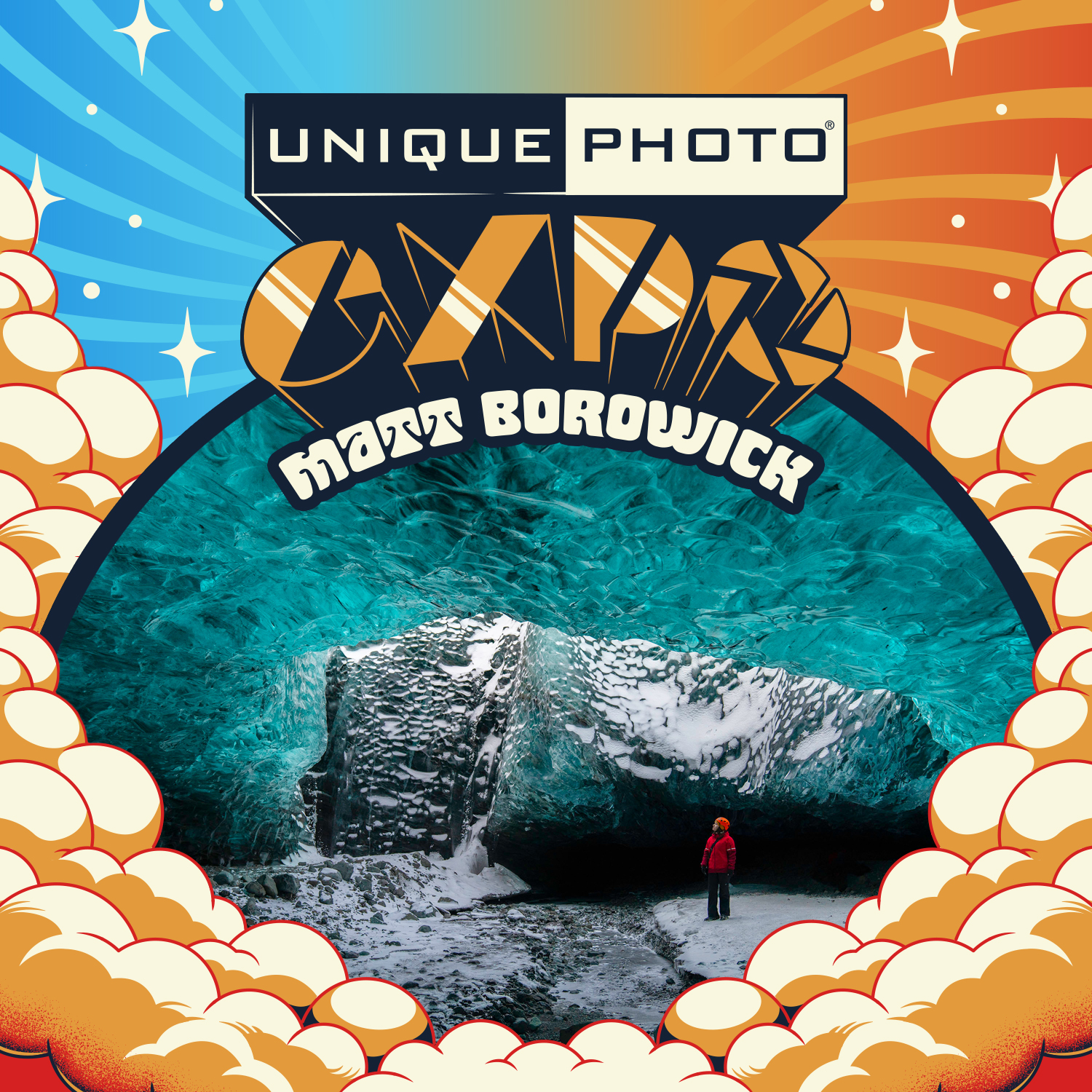
If storytelling is an area you want to improve, educational programs can be extremely valuable. EXPO: Stories from the Road - Photography Across Worlds w. Matthew Borowick is an example of the kind of learning experience that helps photographers think more deeply about narrative, sequencing, and creating images with emotional resonance.
How much does technical perfection matter in a contest?
Technical quality matters, but not always in the way photographers assume. Judges generally expect a submission to be appropriately sharp, well exposed, and free from avoidable processing issues. Distracting noise, muddy shadows, halos from over-editing, poor retouching, or sloppy cropping can undermine an otherwise strong image.
However, technical perfection alone does not guarantee a winning result. A flawless photograph without emotional impact or originality may be remembered less than a slightly imperfect image with exceptional timing, atmosphere, or meaning. The goal is not sterile perfection; it is technical control in service of expression.
Before submitting, zoom in and inspect your file carefully. Look for dust spots, oversaturation, clipped highlights, banding in gradients, and sharpening artifacts. Small errors become more obvious in contests, especially in print or on high-resolution displays.
Should I submit something unique or something universally appealing?
The strongest contest entries usually strike a balance between accessibility and individuality. If an image is too familiar, it can disappear among similar submissions. If it is so obscure that viewers struggle to connect with it, it may not have immediate impact. A successful contest photograph often feels understandable at first glance but reveals something more distinctive upon closer viewing.
This is where subject choice, timing, and personal style come together. A common subject can still feel fresh if you bring unusual light, perspective, gesture, or mood. Likewise, a rare subject does not automatically stand out if the treatment is predictable. Distinction comes from vision more than novelty alone.
What are common mistakes photographers make when entering contests?
One common mistake is submitting too many similar images. If several frames say essentially the same thing, choose the strongest one rather than diluting your impact. Another is over-editing. Heavy clarity, excessive HDR effects, unnatural skin tones, and aggressive vignettes often pull attention away from the subject.
Photographers also sometimes ignore the category or theme. Even a great image can underperform if it does not fit the contest brief. Read the rules carefully, pay attention to aspect ratio and file requirements, and make sure the image genuinely belongs in the category you choose.
Finally, poor presentation can hurt strong work. If you are printing submissions, make test prints first. Viewing your images in a physical format often reveals issues you missed on screen.
How can I build a stronger contest portfolio over time?
Contest success usually comes from consistency, not luck. Build a portfolio with intention by reviewing your work regularly, identifying recurring strengths, and editing ruthlessly. Keep only images that feel complete and memorable. Over time, you will start to see what subjects, styles, and visual themes truly represent your best work.
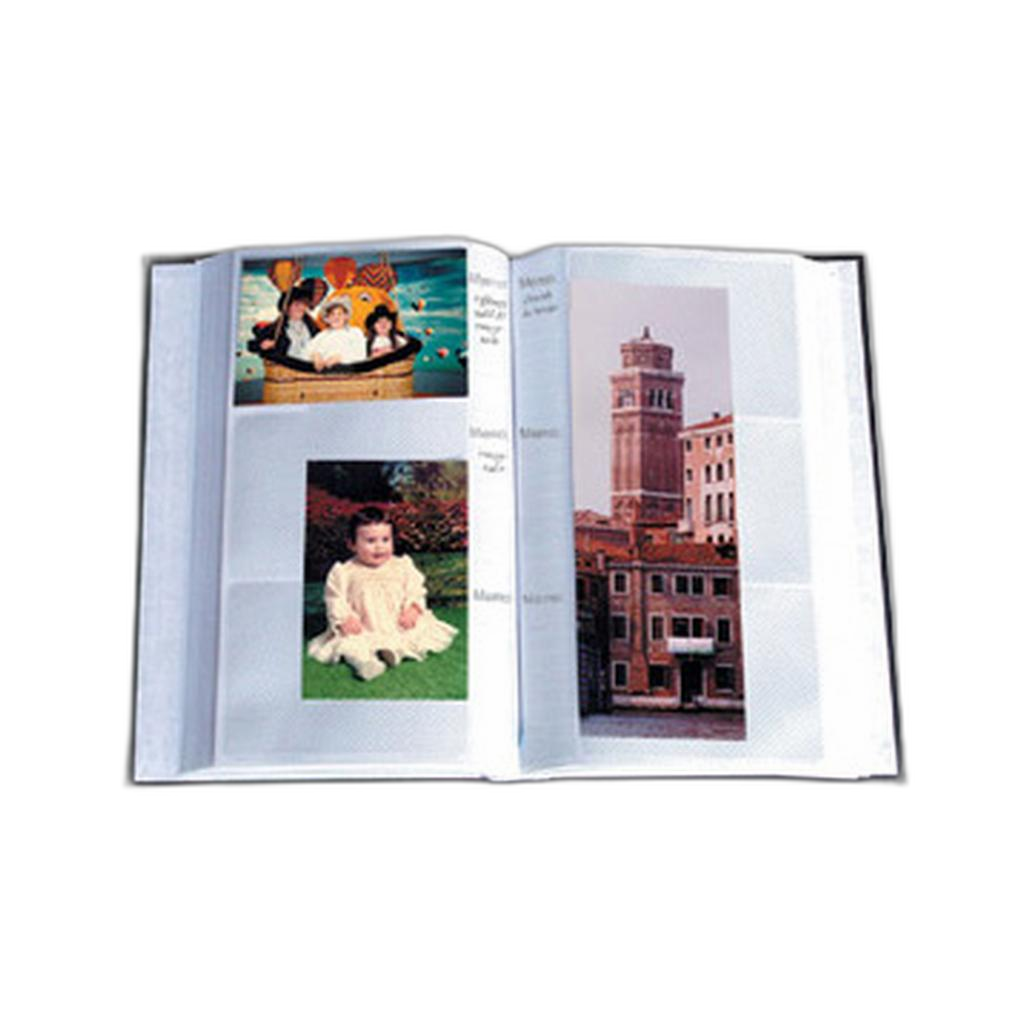
Physical organization can help with this process. A simple tool like the Pioneer 4 x 6 In. Bi-Directional Memo Photo Album gives you a way to review printed selects, compare edits, and make notes on why certain images work better than others.

If you are expanding an existing edit workflow, Pioneer Album Refill Pages for BP-200 Album can help keep additional selects organized for category-specific submissions or long-term portfolio development.
For photographers who want a more presentation-focused archive, the Pioneer TS-246 Oxford Brass Corner Photo Album can also be useful for maintaining a polished printed collection of top images for review, inspiration, or in-person feedback sessions.
What is the best final step before I submit?
Take a break from the image before making your final choice. Returning with fresh eyes can reveal weaknesses in composition, editing, or storytelling that were easy to miss when you were too close to the work. It is also smart to ask a trusted peer, mentor, or instructor for feedback, especially if they understand contest judging standards.
If the competition accepts prints, evaluate the final output under good lighting and make sure your paper choice supports the mood of the image. If it is a digital submission, verify that the file is exported correctly and still looks strong at the contest's required dimensions. A polished final presentation signals professionalism and respect for the process.
The best contest photographs combine craft, intention, and a point of view that feels unmistakably your own. If you are ready to sharpen your skills, improve your presentation, or explore workshops and printing tools that support stronger submissions, Unique Photo is here to help you take the next step.