Contest Photo Editing FAQ: How Much Post-Processing Is Too Much?
Post-processing can elevate a strong image, but in photography contests, the line between enhancement and disqualification can be thinner than many entrants realize. The safest approach is to treat every submission as both an artistic statement and a rules-based entry: your editing should support the image, not put your eligibility at risk.
At Unique Photo, we recommend building a contest workflow around clarity, consistency, and documentation. Whether you shoot digital RAW files, JPEGs, or film, understanding what judges expect and what organizers prohibit will help you submit with confidence.
Do most photography contests allow heavy editing?
Not usually. Many contests permit standard global adjustments such as exposure correction, white balance refinement, contrast, cropping, sharpening, and moderate color grading. The biggest restrictions typically apply to edits that materially alter the content of the image, including adding or removing subjects, replacing skies, compositing multiple frames, or excessive retouching that changes the original scene.
That said, every contest is different. A fine art competition may welcome extensive manipulation, while a photojournalism, wildlife, or documentary contest may allow only minimal tonal adjustments. The key is not to assume that because an edit looks tasteful, it is automatically permitted. Read the category definitions closely and look for terms like basic corrections, no compositing, content-aware removal prohibited, or must reflect the original scene.
If you are refining your editing skills and want a stronger foundation in what professional post-production should look like, Unique Photo's educational offerings can be a practical investment. One strong option is the Product Photography and Post Production Editing with Blake Taylor, which helps photographers think more intentionally about editing choices and workflow discipline.
How can you make sure your post-processing does not disqualify your entry?
Start by reading the rules more than once. Then check for three things: what file types are required, what edits are allowed, and whether the organizer may request original files. If a contest asks for RAW files, original JPEGs, or layered working files during verification, your workflow needs to preserve a clear chain from capture to final export.
A good habit is to keep your original file untouched, save an edited master version, and export a contest-ready copy separately. Avoid flattening your process too early. If you use masks, localized dodge and burn, or selective color adjustments, maintain a version that shows those steps cleanly. If the contest requests proof, being organized matters just as much as the quality of the image.
For film shooters, keeping your processing records and original transparencies or negatives is equally important. Unique Photo carries tools and services that support this kind of archival workflow, including film processing options and storage solutions for prints and reference images.
What edits are usually considered safe for contest submissions?
In many competitions, the safest edits are the ones that improve technical presentation without changing the factual content of the scene. These often include exposure balancing, highlight and shadow recovery, white balance correction, lens corrections, dust spot cleanup from sensor debris, moderate sharpening, noise reduction, and careful cropping.
Subtle local adjustments can also be acceptable in many contests when they help guide attention without fabricating information. For example, a restrained vignette, selective brightening of a subject, or slight color refinement may be fine if the rules do not prohibit them. The guiding question is simple: does the image still honestly represent what was photographed?
Winning and shortlisted contest images are often not the most aggressively edited images. They are usually the most coherent. Strong timing, composition, and light tend to matter more than dramatic processing. Editing should help judges see your vision quickly, not distract them with obvious manipulation.
Which types of edits most often cause problems in contests?
The most common trouble spots are object removal, object addition, sky replacement, AI-generated enhancements that invent content, compositing, body reshaping, and overly aggressive skin retouching in categories that expect realism. Even edits that seem minor, such as cloning out a sign, removing a branch, or cleaning up background distractions, can violate the rules if they alter scene content.
Another risk is overprocessing. Extreme HDR, oversaturation, halos from sharpening or clarity, crushed blacks, and unnatural textures may not technically break the rules, but they can still hurt your chances with judges. Contest panels usually respond well to control and intention. If the editing style becomes the first thing viewers notice, it may be too much.
When in doubt, compare your final image to the original capture and ask whether the scene has been refined or reauthored. In strict categories, reauthoring is where problems begin.
Should RAW and JPEG workflows differ for contest submissions?
Yes. RAW files generally offer more latitude for contest-safe corrections because they preserve more image data. This makes it easier to recover highlights, fine-tune white balance, and apply tonal adjustments without degrading the file. RAW also gives you stronger documentation if a contest requests the original capture for verification.
JPEG workflows require a lighter touch because the file is already processed in-camera and has less tolerance for major corrections. If you shoot JPEG for contests, expose carefully, choose your picture style thoughtfully, and avoid relying on extreme edits later. A clean capture matters even more when your file has less flexibility.
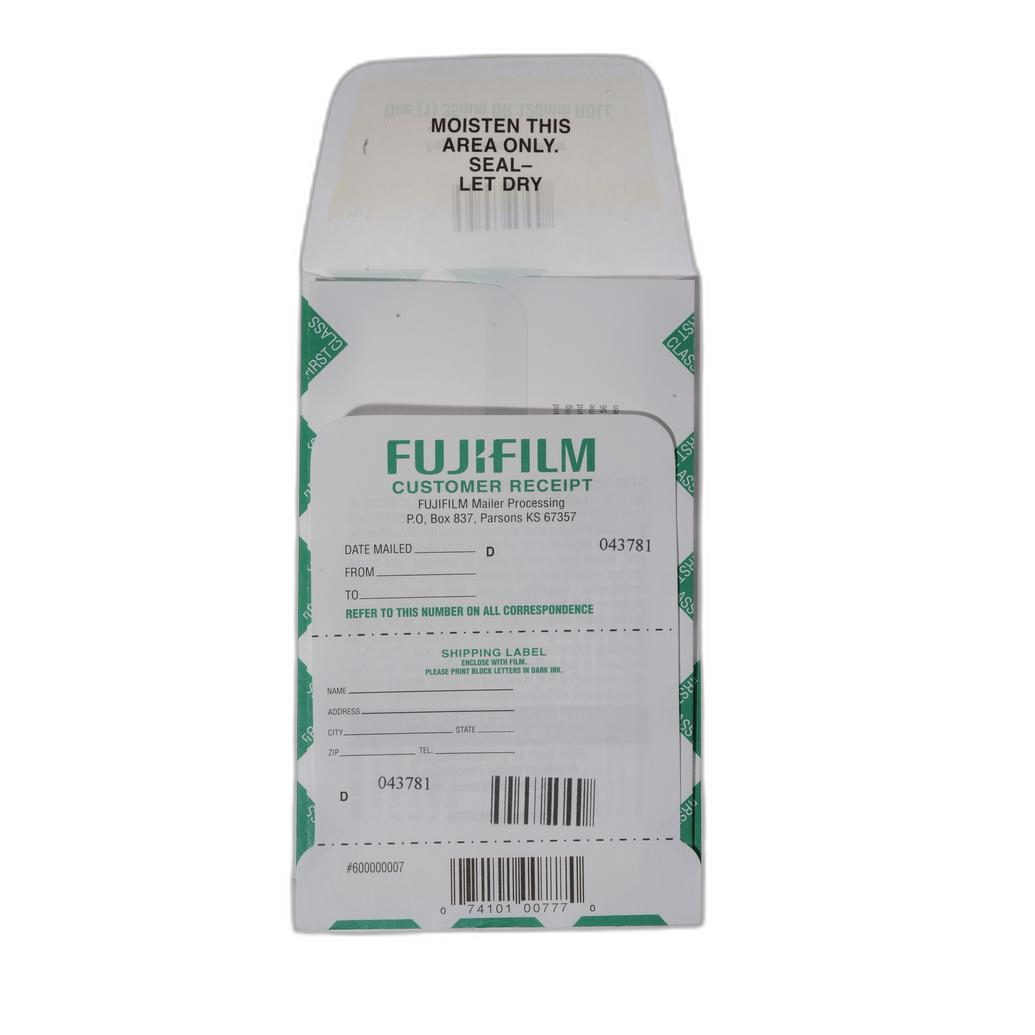
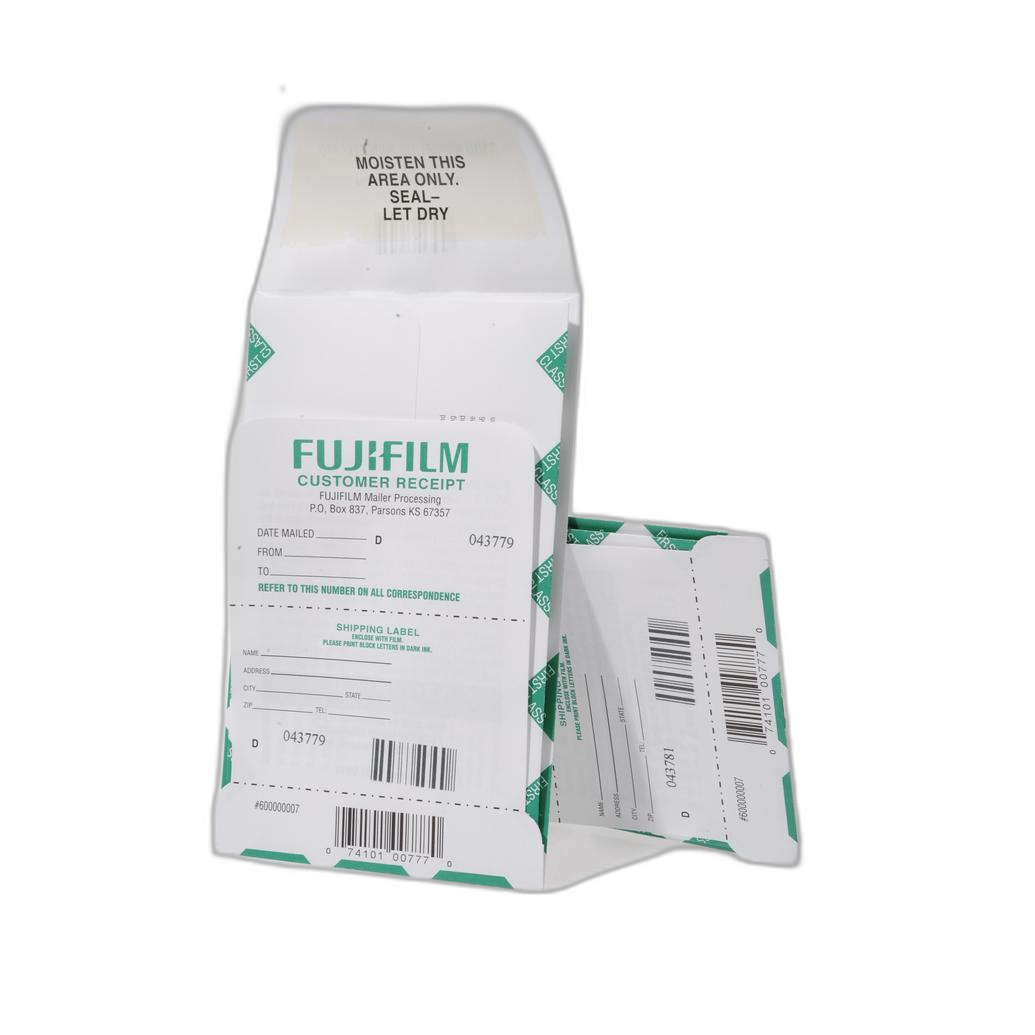
For photographers working with film, contests may ask for scans while still expecting that the final image represents the original frame accurately. If you shoot slide film and want dependable processing, the Fujifilm Pre-Paid Processing Mailer 36 Exp(or 120) E-6/FujiChrome/Ektachrome can support a more organized workflow from capture to submission.
What kinds of post-processing have actually helped photographers get shortlisted?
The edits that tend to help most are the ones that improve readability and emotional impact without calling attention to themselves. Thoughtful tonal control, natural color correction, selective contrast, and precise cropping can make an image look finished and intentional. Judges often review many images in sequence, so clarity matters. An image that reads immediately and feels polished has an advantage.
Consistency is another overlooked factor. If you enter a series or portfolio, matching your tonal approach across the set can strengthen the overall presentation. A cohesive body of work signals discipline and professionalism. Even in single-image contests, a balanced edit that preserves detail and mood often stands out more than one pushed to extremes.
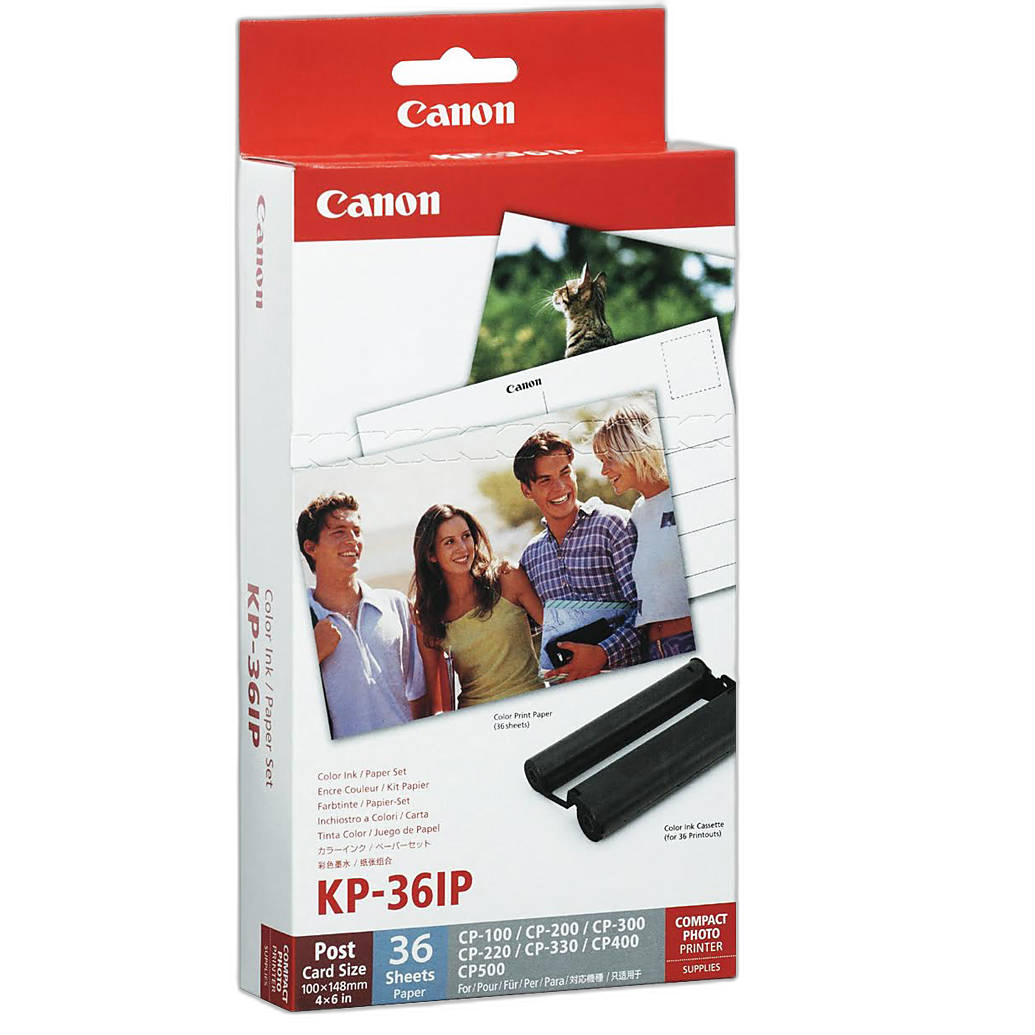
Printing your work for review before submission can also reveal issues you might miss on screen, such as over-sharpening, blocked shadows, or color casts. If you make test prints at home, the Canon KP-36IP Color Ink and Paper Set is useful for reviewing small 4x6 proofs, especially when you want to compare multiple versions side by side.
Is printing your contest image before submitting really helpful?
Absolutely. A print slows down the review process and helps you evaluate an image more objectively. On a monitor, it is easy to overlook artifacts, excessive contrast, or color imbalance. In print, those flaws become much easier to spot. This is especially useful when deciding between subtle edit variations.
For larger presentation workflows, papers matter too. If you are preparing exhibition-quality output or reviewing larger compositions, professional media such as Epson Poster Paper Production can be part of a serious print review process. Even if the contest submission itself is digital, print evaluation remains one of the best quality-control steps.
If you like to keep printed selects and edit comparisons for future reference, a storage solution can help you track what worked from one competition to the next. The Pioneer Photo Albums Slim Line Post-Style Pocket Album is a practical option for organizing 4x6 proofs and maintaining a visual record of your contest submissions.
How should film photographers handle contest submissions and post-processing rules?
Film photographers should follow the same core principle as digital photographers: preserve authenticity and maintain documentation. If you are submitting scans, be ready to explain your process if requested. Standard dust cleanup from scanning may be acceptable in many contests, but content-altering retouching may not be. Keep your negatives or slides, and note whether the scan involved only tonal correction or more extensive manipulation.
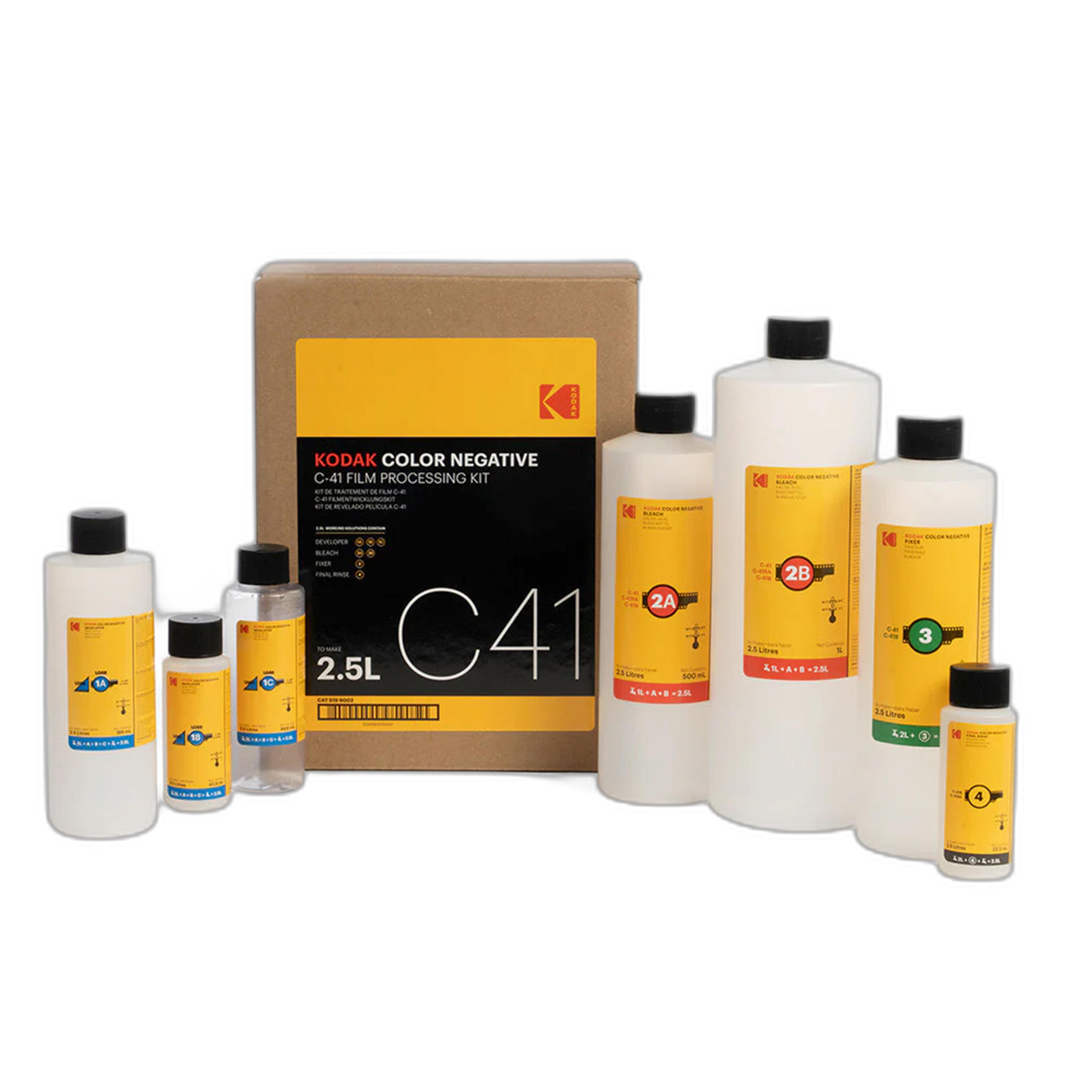
If you process color negative film yourself, consistency in development can help reduce the amount of corrective editing needed later. The Kodak Color Negative C-41 Film Processing Kit - 2.5 Liters can support photographers who want better control over their film workflow and cleaner, more repeatable scans for contest entries.
What is the best final checklist before entering a photo contest?
Before submitting, confirm that your file size, color space, naming format, and resolution match the rules exactly. Review the image at 100% for artifacts, halos, banding, dust, and awkward masking transitions. Compare the final version to your original capture and ask whether any edit could be interpreted as changing scene content. If the answer is yes, revisit the contest rules or dial the edit back.
It also helps to keep your original file, edited master, exported submission file, and any print proofs organized in one place. Physical proof prints can be stored for quick reference, and albums make it easier to review your competition history over time. A more disciplined archive often leads to stronger future entries because you can see how your editing decisions evolve.
When you want to sharpen your workflow, improve your post-production judgment, or pick up the tools that support cleaner submissions, Unique Photo is here to help. Explore our classes, printing supplies, film processing essentials, and photo organization products to build a contest-ready process with confidence.