First-Time Photo Contest FAQ: How to Enter Smarter and Avoid Common Mistakes
Entering a photography contest for the first time can be exciting, but it also comes with plenty of questions. At Unique Photo, we encourage photographers to approach contests strategically: choose stronger images, understand the rules, and make sure your submission supports the story or theme the judges are actually evaluating.
Below, we answer some of the most common questions first-time entrants have so you can submit with more confidence and fewer surprises.
What are the most common mistakes beginners make when entering photography contests?
One of the biggest mistakes is submitting a favorite image instead of the right image for the contest. A beautiful photo can still be a weak entry if it does not match the stated theme, mood, or judging criteria. Another common issue is poor file preparation, such as uploading the wrong size, missing color profile requirements, over-sharpening, or leaving distracting watermarks on an image when the rules prohibit them.
Beginners also tend to ignore entry limits and sequencing. If a contest allows three images, do not treat that as an invitation to submit three unrelated shots. If the entries are judged together, cohesion matters. Finally, many first-time entrants skip the legal terms and usage rights section, which can be just as important as the creative brief.
How do I choose my best image for a contest theme?
Start by reading the prompt literally, then interpret it creatively. Ask yourself whether the image would still make sense to someone who has never seen your portfolio before. The strongest contest images usually communicate quickly, have a clear subject, and support the theme without needing a long explanation.
It can help to narrow your choices to five images and compare them side by side for impact, technical quality, and emotional clarity. Look for clean edges, purposeful composition, and lighting that supports the story. If you shoot action or sports, training your eye for timing and subject isolation can make a major difference. Educational programs such as Unique Photo's sports-focused classes can also help photographers strengthen their selection instincts for high-impact work.

For photographers who want to study what makes winning work stand out, online event recordings and contest-related programming can be useful references as well.
Should I edit specifically for the contest, or submit my usual style?
You should absolutely stay true to your style, but that does not mean every image is contest-ready straight out of your normal workflow. A contest submission deserves careful finishing. Check contrast, highlight detail, color balance, dust spots, horizon alignment, and local distractions. Judges often see many entries in rapid succession, so small technical flaws can make an otherwise strong image feel unfinished.
That said, avoid over-processing. Heavy-handed HDR effects, unnatural skin tones, excessive clarity, or aggressive noise reduction can hurt credibility. If the contest emphasizes documentary, editorial, or naturalistic work, stylized editing may also conflict with the spirit of the category.
Do I need a model release for street photography entered in a contest?
Sometimes yes, sometimes no. The answer depends on the contest rules, the location where the image was made, how the image will be used, and whether the subject is identifiable. Many contests accept candid street photography without a model release for editorial or fine-art consideration, but some explicitly require releases for any recognizable person, especially if sponsors may use winning entries in promotional materials.
This is why reading the legal section matters. If the rules mention commercial use, advertising use, or broad promotional licensing, be extra careful. If you are unsure whether a street image could raise release issues, choose a different photo or contact the organizer before submitting. When possible, maintaining organized metadata and release records can save time later.
How carefully do I need to read the contest fine print?
Very carefully. The fine print tells you what happens to your image after you upload it. Look for language covering copyright ownership, usage rights, exclusivity, duration of license, geographic scope, and whether the organizer can sublicense your work to third parties. A fair contest typically lets you retain copyright while granting a limited license for promotion related to the contest.
Also check whether the contest allows AI-generated elements, composites, heavy retouching, or image manipulation. Some contests disqualify entries for changes that would be perfectly acceptable elsewhere. Pay attention to deadlines, timezone details, age restrictions, residency requirements, and file naming instructions too. A strong image can still be rejected if it does not meet technical requirements.
What should I know about captions, titles, and artist statements?
Titles and captions should support the image, not rescue it. A vague title usually adds little, while an overly explanatory caption can feel like the photograph is not doing enough on its own. Use a title that is clear, memorable, and appropriate to the category. If the contest asks for a statement, explain your intent briefly and directly.
For documentary or place-based work, include factual details only if they are relevant and accurate. For conceptual work, avoid writing a paragraph that overwhelms the visual experience. Judges often appreciate concise context that helps them understand your decision-making without forcing an interpretation.
Does technical quality matter more than creativity?
In most contests, both matter. A highly original image with weak focus, poor file quality, or obvious processing problems may fall short. At the same time, a technically perfect photo that feels generic may not stand out. The best contest entries combine craft and vision: strong light, thoughtful timing, intentional composition, and a subject or point of view that feels fresh.
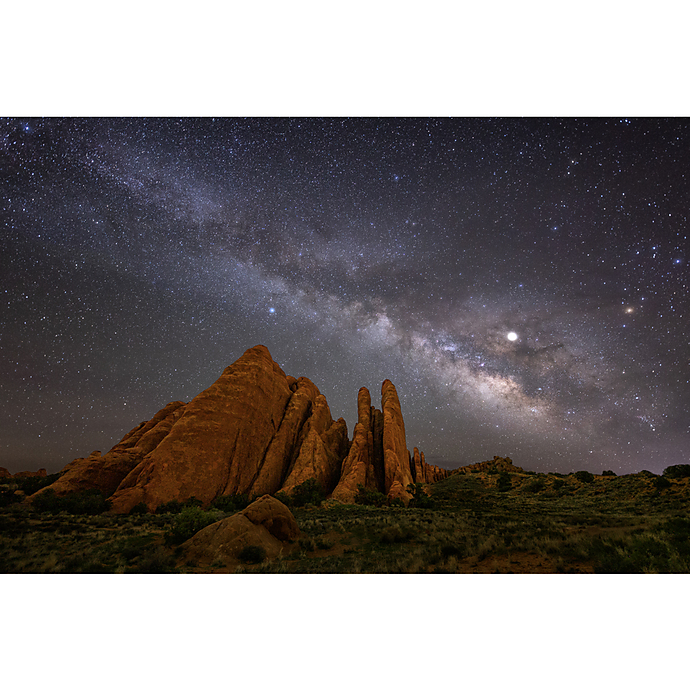
If you want to build stronger contest-ready work in specialized genres, workshops can help refine your technique and your eye. For example, nightscape photographers often benefit from learning how to balance exposure, composition, and detail in low-light scenes.

How can I prepare my files so I do not get disqualified?
Before submitting, create a checklist. Confirm the required file format, longest edge or pixel dimensions, maximum file size, color space, and whether borders or watermarks are allowed. Export a fresh version specifically for the contest rather than recycling an old file. Then review it at 100% magnification for artifacts, halos, chromatic noise, and retouching mistakes.
If your project includes multimedia or hybrid storytelling elements, file management and synchronization can become even more important. Content creators working with multiple devices often rely on timecode accessories to keep clips organized efficiently in postproduction.
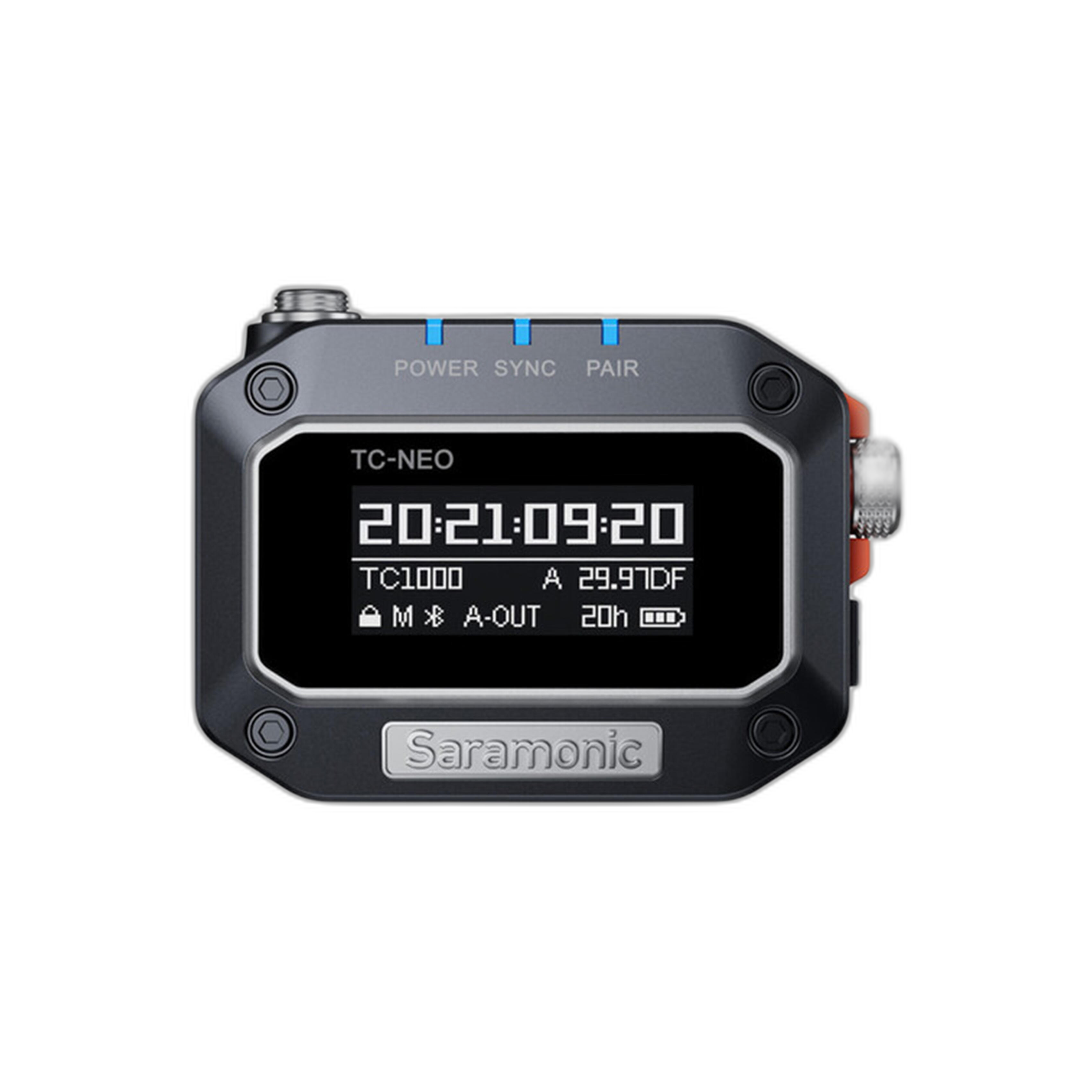
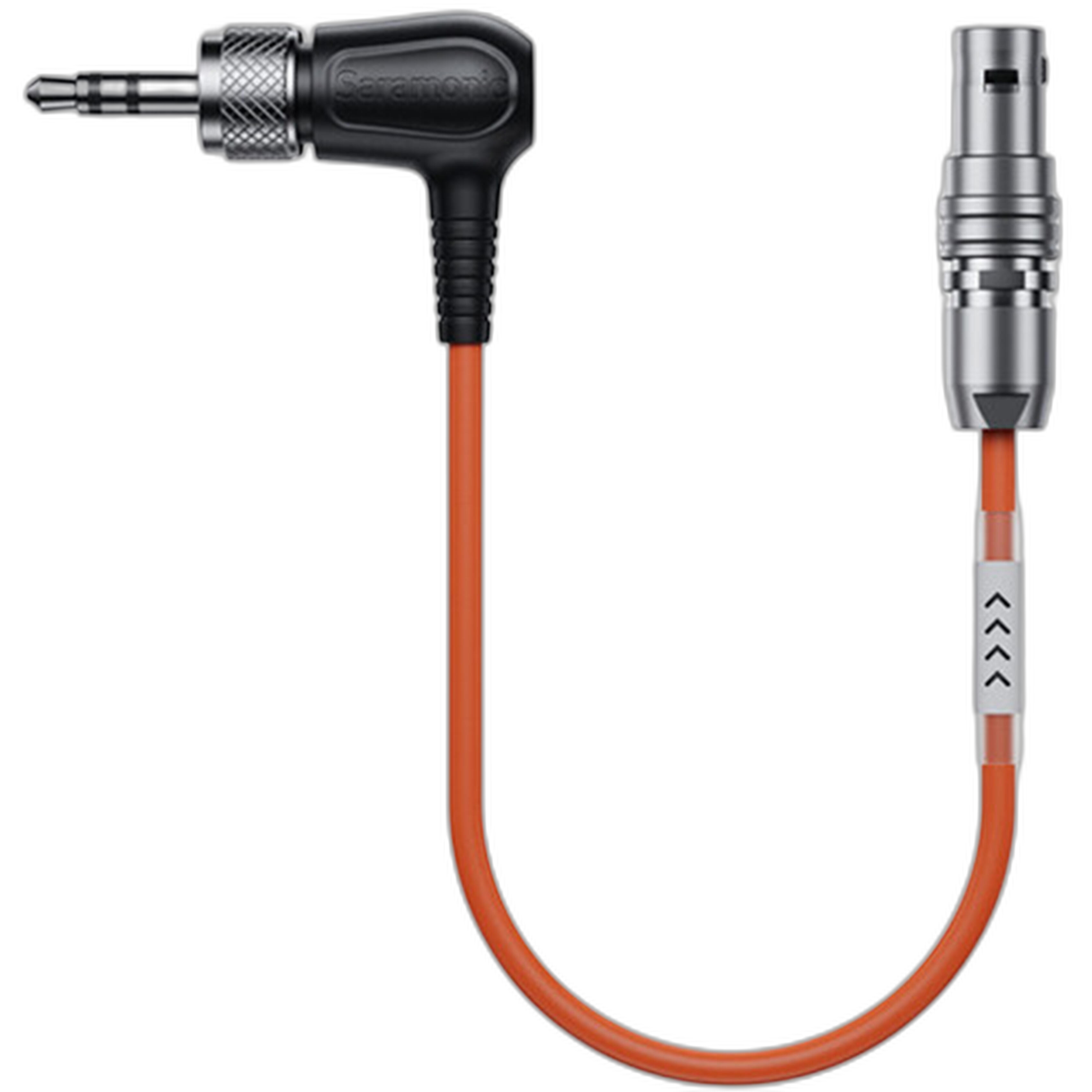
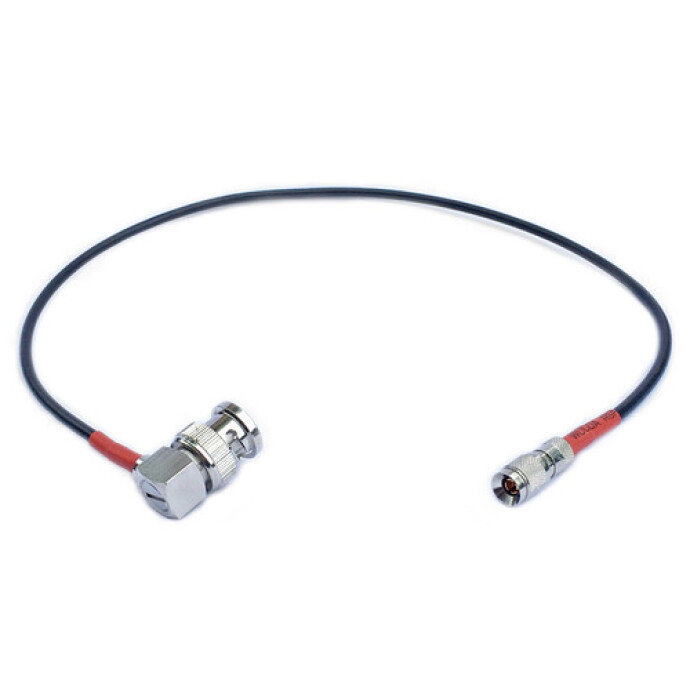
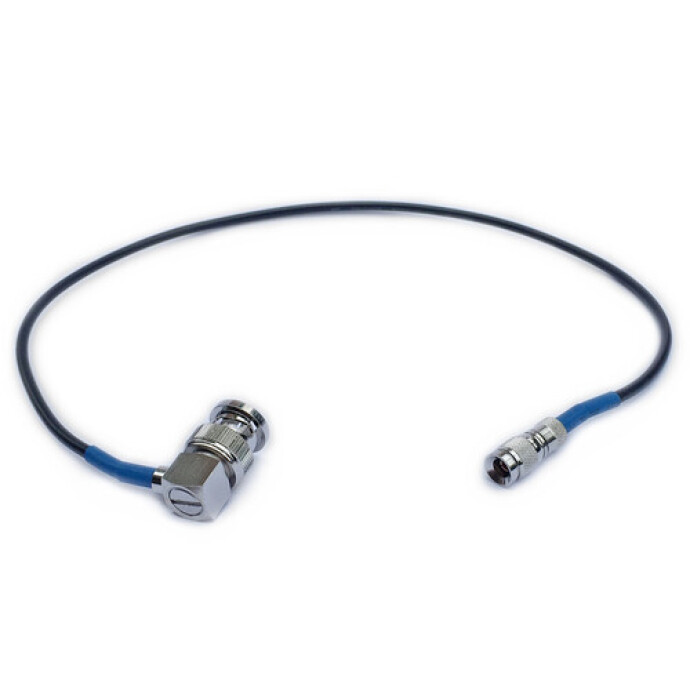
Accessories such as the Saramonic TC-NEO Time Code Generator and compatible cables can support a clean workflow for video-based contest submissions or mixed-media entries where accurate sync matters.
What is the best mindset for your first contest entry?
Treat your first contest as a learning opportunity, not a verdict on your talent. Even excellent photographers get rejected, often because of fit rather than quality. Enter contests that align with your style, submit your strongest work with care, and use each experience to improve your editing, selection, and understanding of licensing terms.
Review winning images afterward, not to imitate them, but to recognize patterns in clarity, intention, and presentation. Over time, your contest strategy becomes as important as the image itself.
If you are getting ready to enter your first contest, Unique Photo is here to help with education, inspiration, and tools that support a polished workflow. Explore our classes, online programs, and creator accessories to build stronger submissions and enter your next competition with confidence.