Photo Contest FAQ: How to Enter Multiple Competitions Successfully
Entering several photography contests at once can be a smart way to build visibility, test your strongest work, and develop a more disciplined submission workflow. The key is staying organized, understanding each contest's rules, and protecting your rights while presenting your images professionally.
At Unique Photo, we regularly help photographers refine both their creative process and their business habits. If you want to submit to multiple contests without missing deadlines or making avoidable mistakes, this FAQ covers the essentials.
How do I keep track of different contest submission guidelines?
The best approach is to create a master tracking system for every contest you enter. Include the contest name, submission deadline, entry fee, file size requirements, image dimensions, theme, exclusivity language, model or property release requirements, and prize terms. A spreadsheet works well, but the most important part is consistency: every contest should be logged before you upload anything.
It also helps to maintain a separate checklist for each image you plan to submit. That way, you can quickly see which file version was exported, whether it was cropped specifically for a contest, and whether it has already been used elsewhere. For photographers who want to strengthen their business-side organization, a resource like Rocky Nook's Best Business Practices for Photographers by John Harrington can be especially valuable for building repeatable systems and understanding professional risk management.
Is it ethical to submit the same image to several contests at once?
Often, yes—but only if the rules allow it. Ethics and eligibility are not always the same thing. Some contests permit simultaneous submissions with no restrictions, while others require unpublished work, exclusive entry windows, or images that have not won elsewhere. The ethical standard is simple: read the terms carefully and follow them exactly.
If a contest does not prohibit multiple submissions of the same image to other competitions, there is generally no issue with entering the same photograph elsewhere. However, if the contest seeks exclusivity or first-publication rights, submitting that image to multiple places at once could disqualify you. When in doubt, assume that transparency and caution are better than convenience.
What should I look for in contest terms related to copyright?
Copyright language is one of the most important parts of any contest's rules. Look for who retains ownership of the image, what usage rights the organizer claims, how long those rights last, and whether they can sublicense your work to third parties. The best contests typically let photographers keep full copyright while granting the organizer a limited license to promote the competition and showcase winners.
Be cautious with contests that request broad, perpetual, irrevocable rights for all submitted images, especially if they are not offering meaningful compensation. That can turn a contest into a content grab. This is another area where a business reference book can help photographers understand contracts and licensing language before they agree to anything.
How can I manage multiple contest deadlines without getting overwhelmed?
Break the process into three stages: research, preparation, and submission. During research, shortlist contests that genuinely fit your style and goals. During preparation, create properly sized exports, gather captions, and verify releases. During submission, leave enough time for upload issues, payment processing, and final proofing.
Some photographers benefit from a visual review setup when comparing multiple candidate images side by side. If you also work in hybrid photo/video environments or want a cleaner multi-feed workspace, a monitoring tool like the Blackmagic MultiView 4 or Blackmagic MultiView 4 HD can help organize visual sources in studio and production settings.
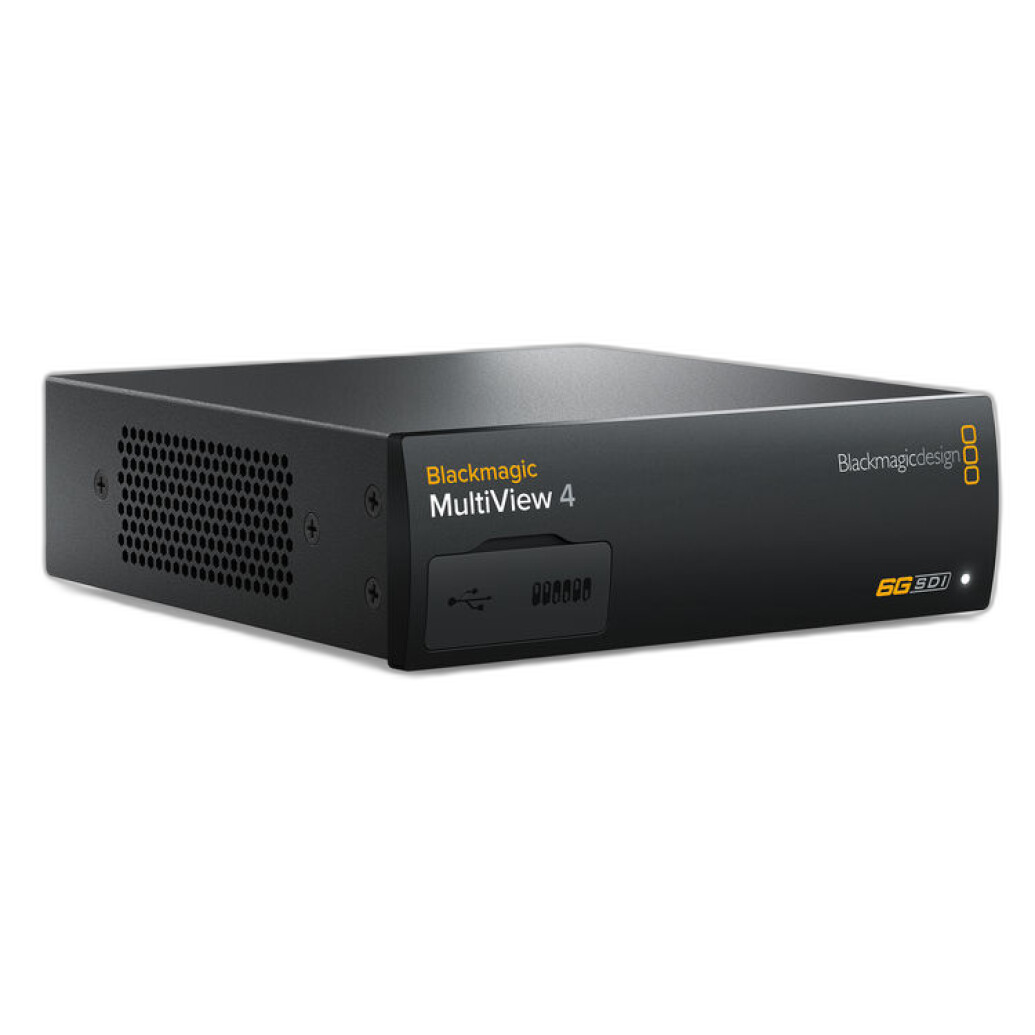
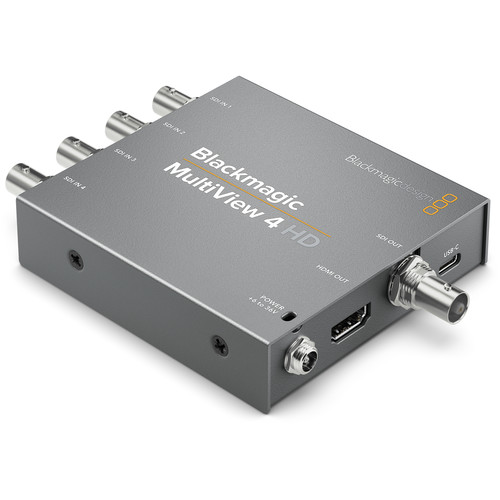
The principle is the same even if your setup is simpler: reduce friction so you can focus on image selection and deadlines instead of scrambling at the last minute.
Should I submit different images to each contest or reuse my strongest work?
That depends on the contest categories, your portfolio depth, and the terms of entry. Reusing your strongest work can make sense if the image fits multiple themes and there are no exclusivity restrictions. On the other hand, tailoring submissions to each contest can improve your chances because jurors often respond better to images that clearly match the brief.
A good rule is to identify your top-tier contest images, then create a second tier for more niche opportunities. Keep notes on where each image has been entered, shortlisted, or awarded so you can avoid conflicts with contests that prohibit prior wins or publication.
How do I choose images that will stand out in competition?
Contest juries usually see a high volume of technically competent work, so distinction often comes from clarity of concept, emotional impact, and precise execution. Start with images that are immediately readable at thumbnail size, then review them at full resolution for focus accuracy, distractions, and print or crop flexibility.
If you are building stronger wildlife, sports, or distant detail images for competition, gear that extends your system's reach can make a difference. For example, the Fujifilm GF 1.4X TC WR Teleconverter for G-Mount Lenses can help GFX photographers capture tighter framing without changing the core character of their lens setup.
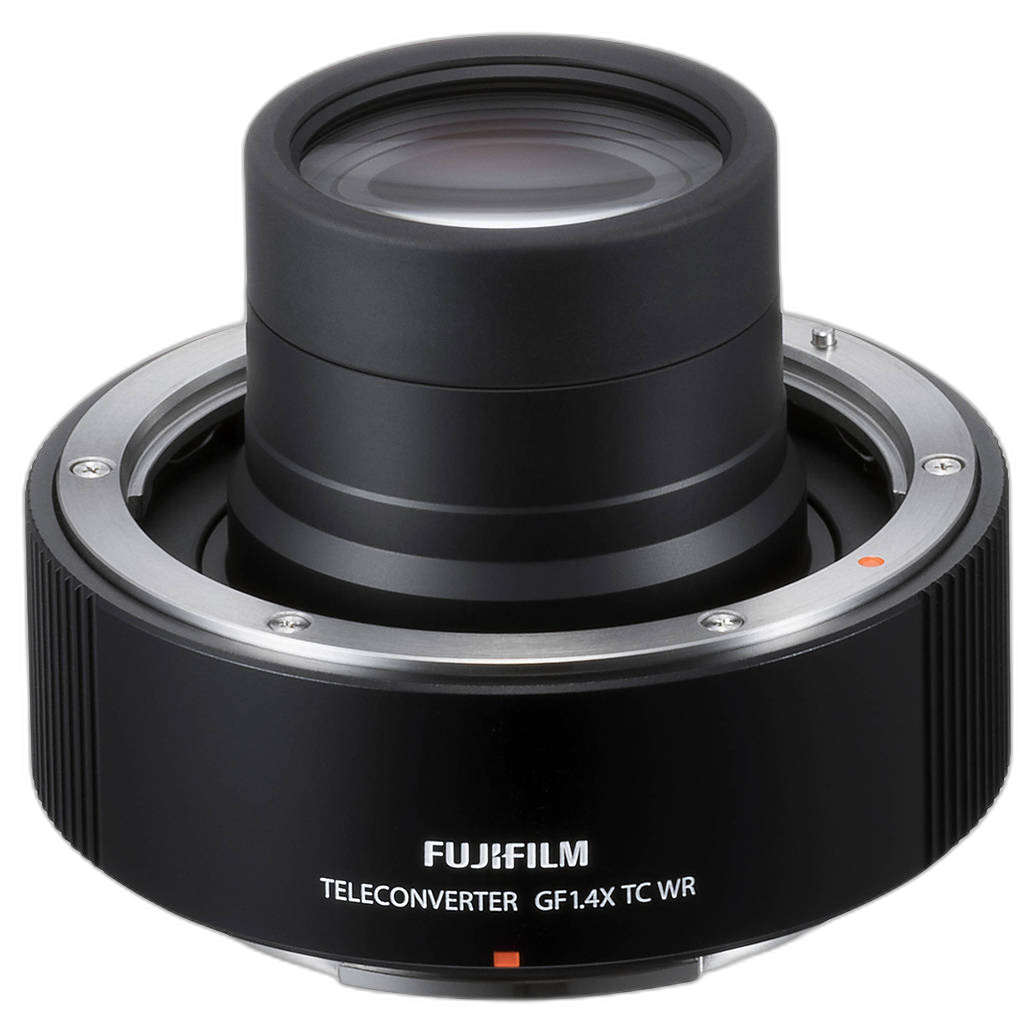
The real advantage, however, comes from editing ruthlessly. Your contest entry should represent your best work, not your most recent work.
Do I need to prepare special files for each contest?
Yes. Never assume one export will satisfy every contest. Requirements often vary by color space, pixel dimensions, file naming, metadata, watermark rules, and whether a border is allowed. Prepare a master high-resolution file, then create contest-specific derivatives from that original. Label each export clearly so you do not accidentally upload the wrong version.
If a contest advances to exhibition or printing, you may need a larger file or even a physical presentation workflow. Keeping a simple archive of shortlisted images, notes, and printed references can help. Even traditional tools like photo albums can still be useful for maintaining a visual record of your strongest series over time.
What if a contest asks for staged or studio work—how should I prepare?
For contests involving portrait, conceptual, or still-life categories, a clean and efficient set matters. Reliable support gear can make it easier to build repeatable backgrounds and lighting arrangements, especially if you are producing a series rather than a single image. The Savage Multiple Polevault Stand is a practical option when you need flexible support for seamless paper or backdrop setups in studio environments.
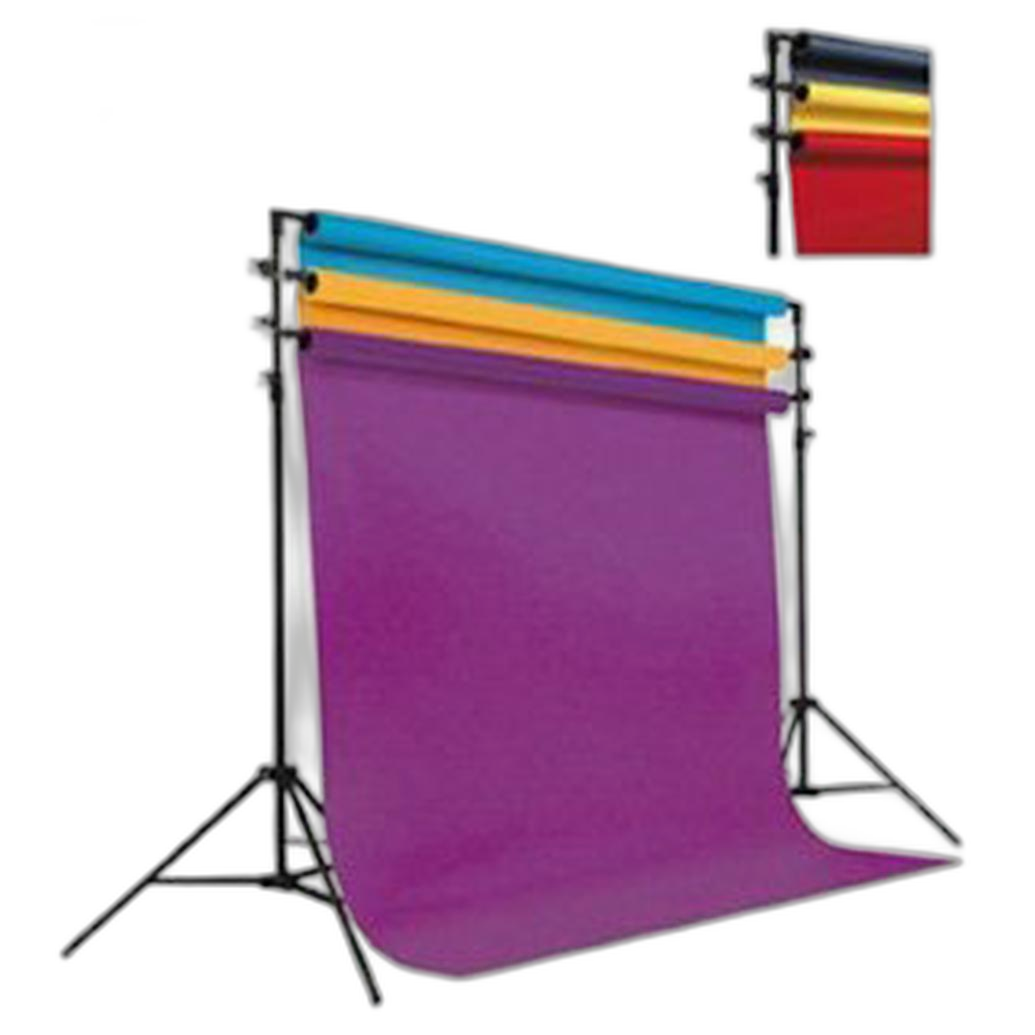
When your workflow is repeatable, it becomes much easier to revisit a concept, refine composition, and produce stronger contest-ready images with consistency.
What are the biggest mistakes photographers make when entering multiple contests?
The most common mistakes are missing eligibility details, ignoring rights language, submitting files with the wrong specs, and rushing image selection. Another frequent problem is entering too many contests without a strategy. More submissions do not automatically create better results; targeted submissions usually perform better than scattershot entries.
Also avoid underestimating the value of recordkeeping. Track where each image has been sent, what rights were granted, and whether any result affects future eligibility. A disciplined archive protects both your time and your work.
How can I build a long-term contest strategy instead of just entering randomly?
Start by deciding what you want from contests: exposure, credentials, gallery opportunities, publication, or cash awards. Then sort opportunities into tiers based on prestige, fit, and rights friendliness. Over time, you'll identify which contests align with your style and which are not worth the fees or restrictions.
Review your results at the end of each season. Which images advanced? Which categories suited your strengths? Which organizers respected photographers' rights? A long-term strategy helps you improve not only your chances of placing, but also your efficiency and professionalism.
Whether you're refining your submission workflow, building stronger studio work, or sharpening the business side of your photography, Unique Photo has the gear and educational resources to help. Explore our selection of photography books, studio tools, and accessories to support your next round of contest entries with confidence.