For indie filmmakers, choosing an entry-level cinema camera often comes down to a lively debate: image quality versus usability, codecs versus workflow, and dream specs versus real-world budget limits. In online communities and in-store conversations at Unique Photo, members regularly compare what matters most for first-time narrative, documentary, music video, and commercial shooters. Some prioritize dynamic range and RAW recording, while others care more about autofocus, battery life, lens cost, or how quickly they can build a working kit.
That debate is healthy, because there is no one-size-fits-all answer. The best entry-level cinema camera depends on the kind of filmmaker you are, the projects you shoot, and how much you can realistically spend not just on the body, but on lenses, media, power, audio, and support gear.
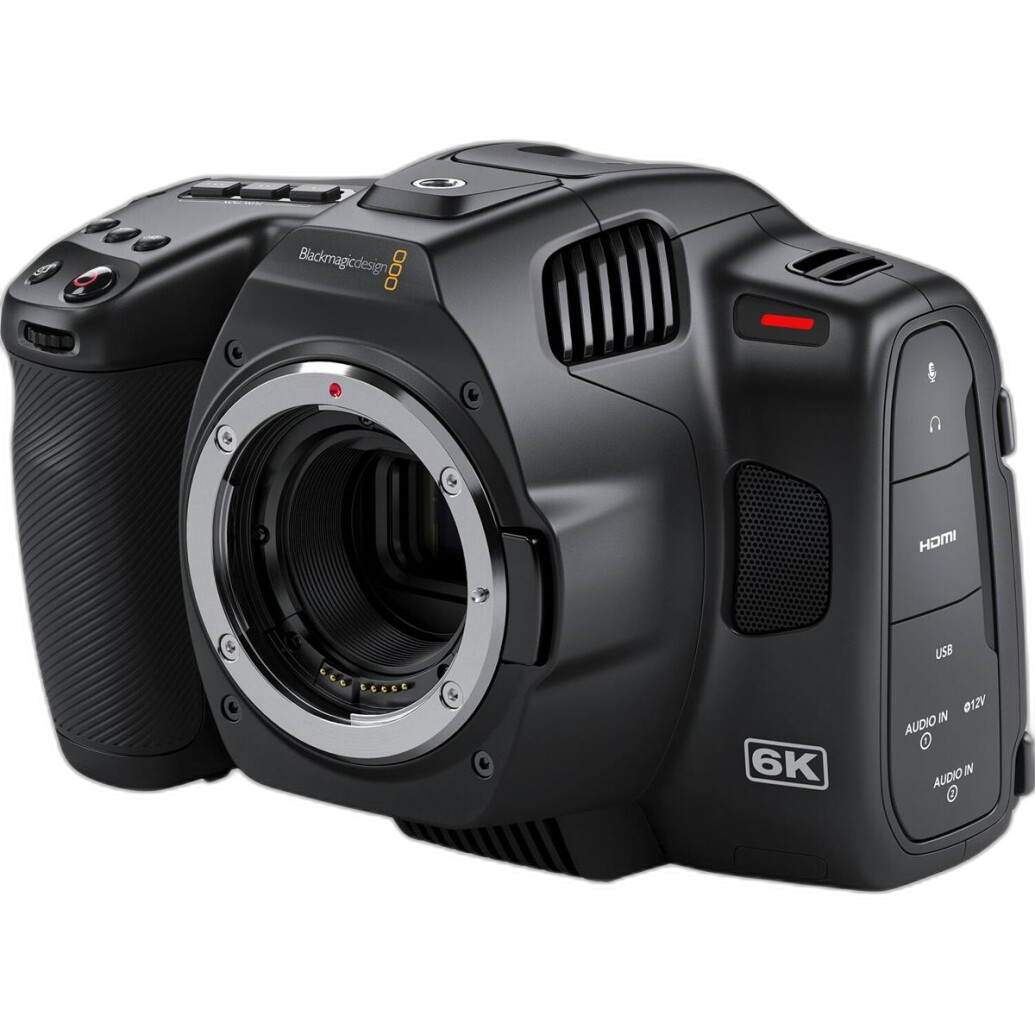
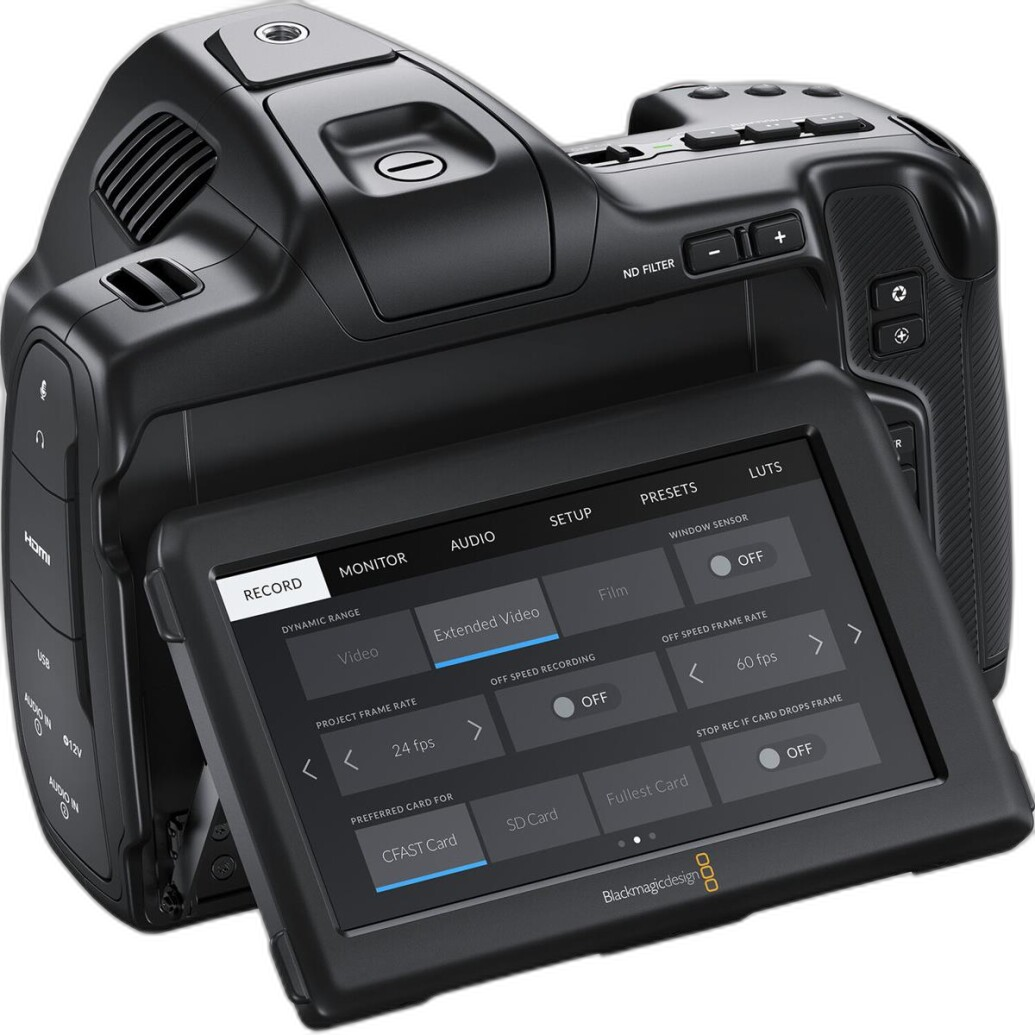
Among the most frequently discussed options in this category, the Blackmagic Design Pocket Cinema Camera 6K Pro stands out for delivering a cinematic image, professional recording formats, and serious grading flexibility at a price point many indie creators consider attainable compared to higher-end cinema systems. At Unique Photo, it is a natural reference point whenever filmmakers start comparing entry-level cinema camera value.
What indie filmmakers want from an entry-level cinema camera
When members debate beginner cinema cameras, they usually are not just comparing spec sheets. They are really trying to answer a practical question: what camera gives me the most filmmaking potential for the money?
The most common priorities include:
- Image quality: resolution, dynamic range, color science, and highlight roll-off
- Codec options: ProRes, RAW, and manageable file sizes
- Low-light performance: especially for documentary, events, and no-budget productions
- Ease of rigging: cages, monitors, SSD options, and power solutions
- Audio inputs: mini XLR or professional audio support for small crews
- Lens ecosystem: affordable access to cinema or photo lenses
- Total cost of ownership: media, batteries, support gear, and post-production needs
This is why one filmmaker may argue that a camera with more manual control and stronger codecs is the better long-term investment, while another may insist that easier operation and cheaper accessories matter more on smaller productions.
Why the Blackmagic Pocket Cinema Camera 6K Pro is always in the conversation
In discussions about the best entry-level cinema camera for indie filmmaking, the Blackmagic Pocket Cinema Camera 6K Pro is often praised because it offers features traditionally associated with much more expensive cinema platforms. That makes it especially attractive to filmmakers who care about the final image and are willing to build a workflow around it.
Commonly cited advantages include:
- Super 35 sensor for a cinematic field of view and lens flexibility
- 6K resolution for oversampling, reframing, and detailed masters
- Blackmagic RAW and ProRes recording for serious post-production control
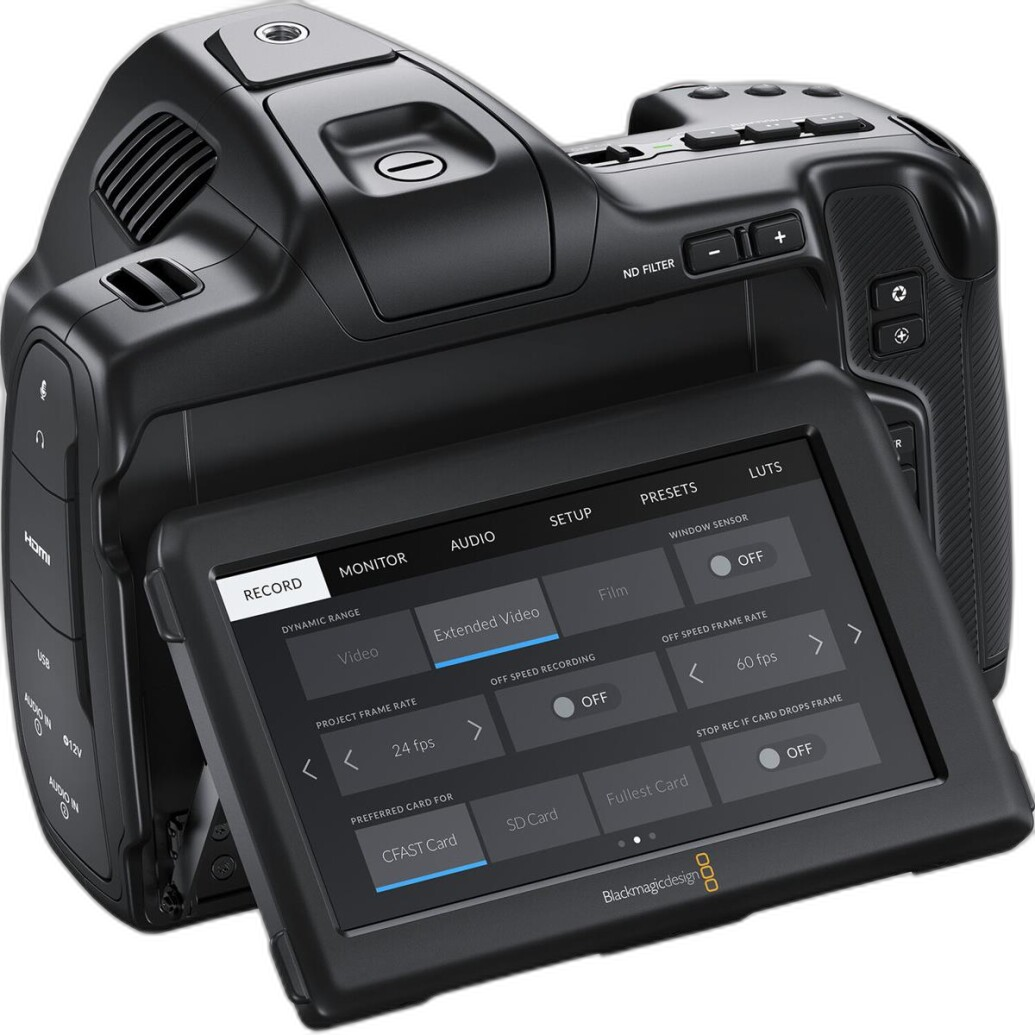
- Built-in ND filters that simplify exposure management on set
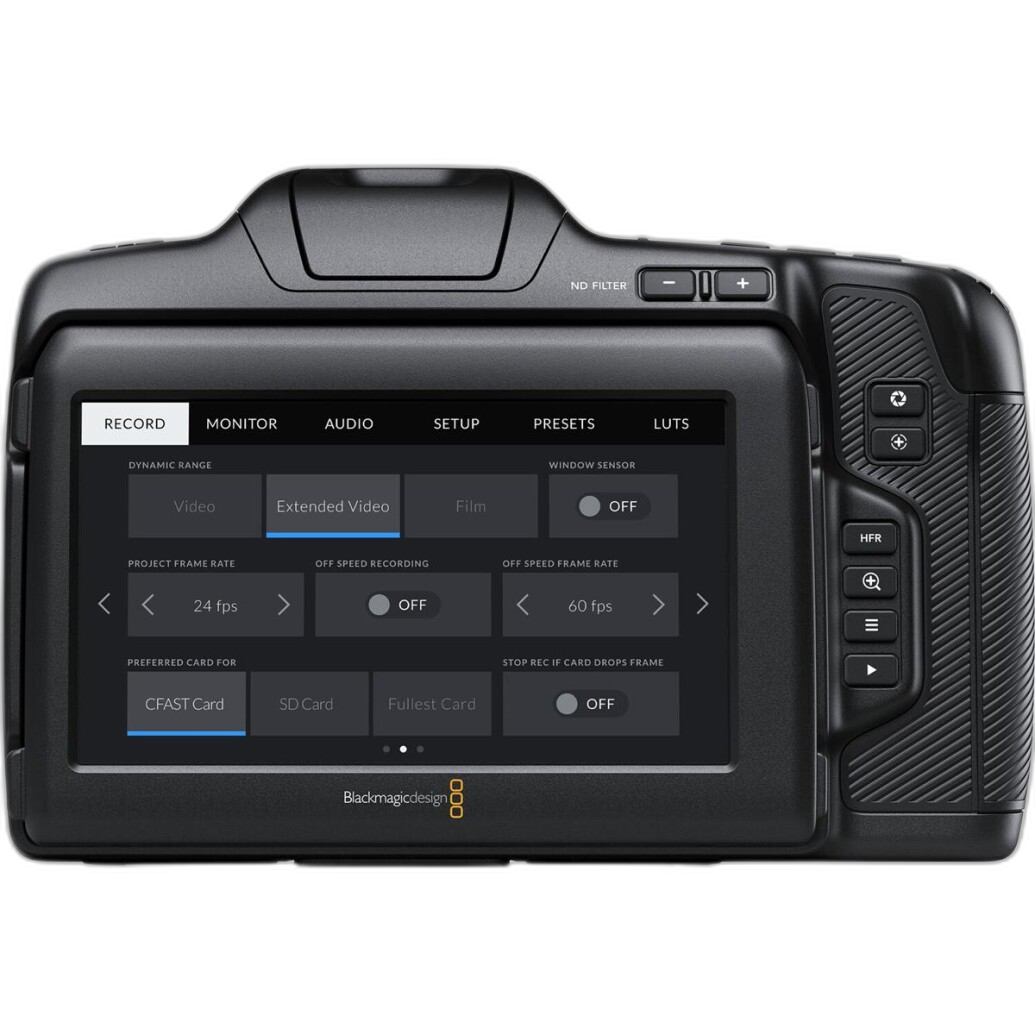
- Improved screen brightness for easier viewing outdoors
- Mini XLR inputs for stronger audio capture options
- EF lens mount with broad compatibility and used-lens availability
For indie directors of photography, this camera often represents a sweet spot between affordability and image ambition. It can deliver a polished cinematic look for short films, branded content, interviews, and music videos without forcing creators into top-tier cinema-camera pricing.
Pros of entry-level cinema cameras with strong codecs and cinematic image quality
One side of the debate strongly favors cameras that put image quality first, even if they require more care on set. These filmmakers often argue that a true cinema-oriented body can help newer creators learn exposure, focus, lighting, and post-production discipline.
Here are the biggest benefits usually mentioned:
1. Better grading flexibility
If you plan to color grade your projects seriously, recording options like Blackmagic RAW can be a major advantage. Many indie filmmakers prefer having extra latitude in post for exposure recovery, white balance adjustment, and creative looks.
2. More cinematic workflows
Entry-level cinema cameras often encourage filmmakers to work more intentionally. Manual exposure, controlled focus pulls, external power options, and lens choices can all support more professional habits on set.
3. Strong value for narrative and commercial work
For short films, product videos, spec ads, and music videos, a camera like the Blackmagic Pocket Cinema Camera 6K Pro can feel like a powerful bargain. At Unique Photo, that value proposition resonates with creators who want high-end-looking footage on a manageable budget.
4. Access to affordable used gear
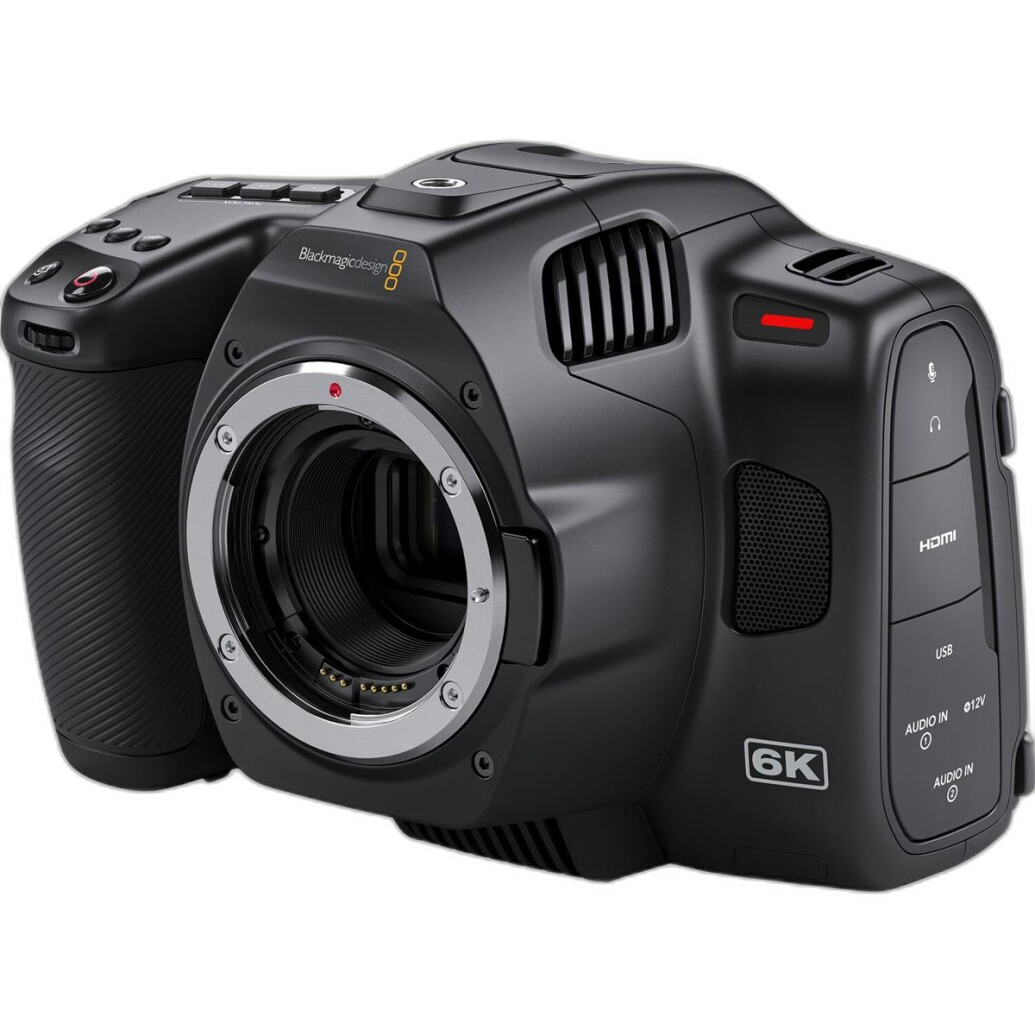
Budget-conscious filmmakers also debate whether buying used makes more sense than buying new. A product like the Used Blackmagic Design Pocket Cinema Camera 6K Pro - Excellent can be especially appealing for indie creators trying to stretch every dollar without giving up pro-level recording capabilities.
Cons indie filmmakers bring up when comparing beginner cinema cameras
The other side of the conversation is just as important. Even if a camera produces gorgeous footage, that does not automatically make it the best fit for every beginner. Forum members and first-time buyers often point out several tradeoffs.
1. Accessories can raise the real price quickly
The camera body may look affordable at first, but once you add media, extra batteries, a cage, top handle, external monitor, microphones, storage, and lenses, the full rig can cost much more than expected.
2. Workflow demands are higher
RAW and high-bitrate codecs are a huge plus for some filmmakers, but they also mean larger files, more storage, and more demanding editing systems. If your computer is older or your post pipeline is limited, that can become frustrating fast.
3. Autofocus and run-and-gun operation may not be the priority
Many cinema-first cameras emphasize manual control instead of fast hybrid shooting convenience. That can be completely fine for controlled sets, but less ideal for solo operators who need speed.
4. Battery life and rigging needs vary
Some entry-level cinema cameras perform best when built into a fuller rig. For indie filmmakers who want a minimal setup, that can feel like extra complexity.
That is why many members debating camera choices end up framing the question this way: Do you want the easiest camera to shoot with, or the best camera to grade and grow with?
How specs compare to real user experience
One of the most useful insights from filmmaker discussions is that specs alone do not tell the full story. Two cameras may both claim strong image quality, but real user experience often comes down to how those specs affect day-to-day production.
For example, a spec such as built-in ND filters may not sound as exciting as 6K recording, but in real production it can save time and help maintain consistent exposure outdoors. Likewise, mini XLR support may matter more than a headline resolution number if you are recording dialogue with a lean crew.
This is part of why the Blackmagic Pocket Cinema Camera 6K Pro remains such a popular benchmark. On paper, it checks many boxes that indie filmmakers care about, but in practice it also supports serious learning and production flexibility. At Unique Photo, filmmakers often compare it not just to competitors, but to their own future needs as they grow beyond their first few projects.
Best entry-level cinema camera for budget-conscious filmmakers
If budget is the main deciding factor, the smartest approach is to think in terms of a complete filmmaking package rather than just the body price. Community members often recommend splitting your budget into these categories:
- Camera body
- Lenses
- Media and storage
- Power and batteries
- Audio gear
- Tripod or stabilization
- Lighting
For many indie filmmakers, the used market becomes critical here. A well-kept used cinema body can free up budget for lenses and lighting, which often have a greater impact on production value than a slightly newer camera body. That makes the Used Blackmagic Design Pocket Cinema Camera 6K Pro - Excellent especially relevant for creators shopping carefully at Unique Photo.
Another budget factor is lens mount strategy. Since the Blackmagic 6K Pro uses EF mount, filmmakers can access a wide range of affordable still-photo and cine-style lenses. That flexibility matters when every dollar counts.
Choosing lenses for an entry-level cinema camera setup
Once camera bodies are compared, the conversation usually shifts to lenses. Indie filmmakers quickly realize that glass is a long-term investment, and lens choice can shape the overall look of their work as much as the camera itself.
For filmmakers building toward a more cinema-focused workflow, dedicated cine lens kits are often part of the discussion. Unique Photo carries options like the Irix Cine Entry Set, available in multiple mounts including PL, MFT, Canon EF, Fuji X, and Canon RF. These sets are especially relevant for creators who want geared focus rings, matched lens behavior, and a more production-ready shooting experience.
Examples frequently considered by indie filmmakers include:
- Irix Cine Entry Set (21/30/45mm) PL
- Irix Cine Entry Set (21/30/45mm) PL, White
- Irix Cine Entry Set (21/30/45mm) MFT
- Irix Cine Entry Set 21/30/45mm) Canon EF
- Irix Cine Entry Set (21/30/45mm) Fuji X
- Irix Cine Entry Set (21/30/45mm) Canon RF
For Blackmagic 6K Pro users in particular, the Canon EF version is a natural fit for a cinema-first setup. Indie shooters comparing entry-level cinema cameras often underestimate how much a consistent set of lenses can improve focus pulling, framing continuity, and the overall professional feel of a production.
Who should buy an entry-level cinema camera instead of a hybrid camera?
This is one of the biggest questions in the debate. Some members argue that beginners should start with a hybrid mirrorless camera for convenience. Others say filmmakers who are serious about narrative work should begin with a cinema-oriented system right away.
An entry-level cinema camera is usually the better fit if you:
- Care deeply about color grading and post-production flexibility
- Shoot scripted projects, interviews, or controlled commercial work
- Plan to use manual focus and external accessories
- Want to learn a more traditional cinema workflow
- Value codecs and dynamic range more than photo features
A hybrid-style option may be better if you:
- Need fast autofocus often
- Shoot both photography and video equally
- Want lighter file sizes and simpler editing
- Prefer an all-in-one travel-friendly setup
- Need maximum convenience as a solo creator
For many filmmakers shopping at Unique Photo, the decision comes down to whether they are buying for immediate convenience or long-term cinematic growth.
Is the Blackmagic Pocket Cinema Camera 6K Pro still a smart choice for indie filmmakers?
Yes, especially for creators who put image quality and recording flexibility at the top of their priority list. The Blackmagic Pocket Cinema Camera 6K Pro continues to make sense for indie filmmakers because it offers a strong feature set, a respected color pipeline, and practical production tools in a price bracket that remains accessible compared to many dedicated cinema systems.
It is not the perfect answer for everyone, and community debates make that clear. But those same debates also show why it remains one of the most talked-about options in the entry-level cinema camera category. It solves important problems for serious filmmakers: built-in ND filters, pro-friendly codecs, solid audio support, and access to a broad EF lens ecosystem.
Final thoughts: balancing specs, experience, and budget
The pros and cons of entry-level cinema cameras become clearer when you step back from the spec sheet. Indie filmmakers are not just buying megapixels, frame rates, or recording formats. They are buying into a workflow, a lens ecosystem, a post-production process, and a path for future growth.
That is why community discussions matter so much. Some filmmakers will be happiest with the strongest image and codec options they can afford. Others will choose ease of use and lower overall system cost. Neither approach is wrong.
If you are narrowing down your first cinema-ready setup, Unique Photo is a smart place to compare both new and used cinema cameras, evaluate Blackmagic camera options, and explore cine lens kits that match your budget and shooting style. For internal linking, consider directing readers to related category pages such as Blackmagic cinema cameras, used video cameras, and cinema lenses, along with product pages for the Blackmagic Design Pocket Cinema Camera 6K Pro and the Used Blackmagic Design Pocket Cinema Camera 6K Pro - Excellent. That combination helps indie filmmakers move from debate to a realistic purchase plan.