Landscape Competition FAQ: Editing, Cropping, and Final Presentation
Entering a local landscape photo competition can be exciting, but the final preparation stage often makes the biggest difference. From subtle finishing touches to smart cropping and presentation choices, the goal is to strengthen your image without losing what made the scene compelling in the first place.
At Unique Photo, we recommend approaching competition prep with the same care you used in the field: thoughtful, intentional, and restrained. Below are some of the most common questions photographers ask when refining landscape images for submission.
What finishing touches should I make before submitting a landscape photo?
Start with the essentials: color balance, tonal control, contrast, sharpening, and cleanup. A strong competition-ready landscape should feel polished, but not overly processed. Check for dust spots in skies, distractions along the frame edges, uneven horizons, clipped highlights, blocked shadows, and oversaturated colors. Small refinements to local contrast can help draw attention to the subject, especially in foreground textures, mountain ridges, or dramatic cloud formations.
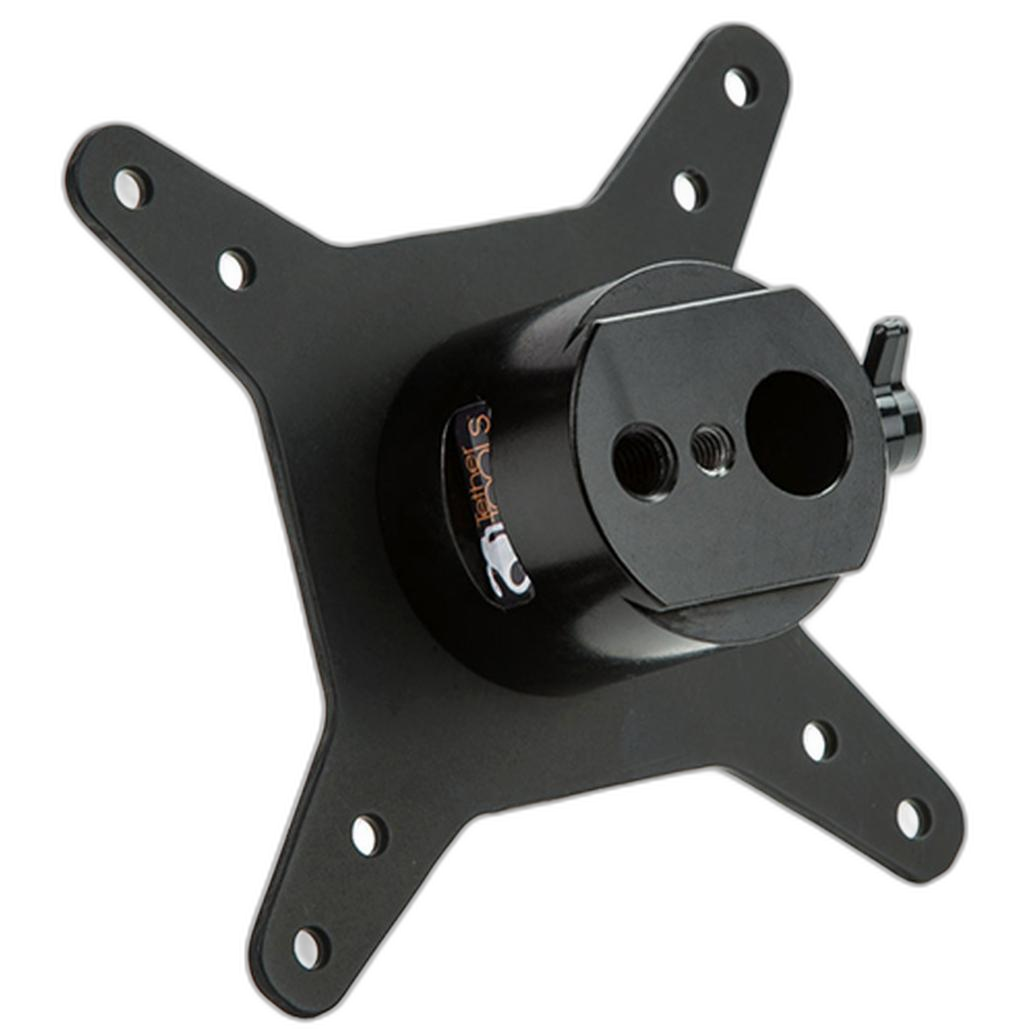
It also helps to review your image at a larger size on a dedicated display setup so subtle flaws are easier to catch. If you work tethered or use an auxiliary screen in your editing area, a mounting solution like the Tether Tools Local Vu Monitor Bracket can make your workspace more efficient and consistent.
Should I crop my landscape image or leave it as shot?
Crop based on impact, not ideology. There is no competition advantage in preserving the original framing if a tighter or more balanced crop improves the image. A crop can remove dead space, strengthen the relationship between foreground and background, or place visual weight where it belongs. That said, avoid cropping so aggressively that resolution suffers or the composition begins to feel cramped.
When deciding, ask whether the crop clarifies the image's main idea. If the answer is yes, it is likely the right move. If the crop only makes the scene feel different rather than better, keep the original framing. Authenticity in landscape work is less about leaving every edge untouched and more about presenting the strongest honest interpretation of the scene.
How can I increase impact without over-editing?
The best way to improve impact is to guide the viewer's eye with subtle adjustments rather than dramatic effects. Consider modest dodging and burning to emphasize light flow, selective contrast to define key details, and gentle color refinement to keep attention on the strongest area of the frame. Avoid pushing clarity, HDR-style tone mapping, or saturation to the point where textures look crunchy or skies appear unnatural.
A useful test is to step away, then revisit the image later. If your edit calls attention to itself before it calls attention to the landscape, it may be too heavy-handed. Competition judges often respond well to images that feel confident and controlled rather than exaggerated.
How do I know when a landscape edit is finished?
An image is usually finished when every adjustment supports the photograph and nothing feels distracting. Zoom out and evaluate the whole frame. Then zoom in and check technical details like sharpening halos, noise reduction artifacts, and retouching inconsistencies. It can also help to compare your final version against your original raw interpretation. If the revised image has clearer intent, stronger visual flow, and better tonal balance without looking artificial, you are likely close.
For photographers who want to strengthen both capture and post-processing judgment, a reference guide can be invaluable. Rocky Nook's The Landscape Photography Book by Scott Kelby is a practical resource for refining visual decision-making from field technique to final image preparation.
What technical details should I double-check before entering a competition?
Always review the rules first. Confirm file dimensions, color space requirements, aspect ratio restrictions, naming conventions, and whether borders or watermarks are prohibited. Then verify that your exported file is clean and appropriately sharpened for its intended format, whether digital projection or print. A landscape image can look excellent in your editing software and still underperform if it is exported incorrectly.
Also pay close attention to horizon alignment, edge distractions, and shadow detail. Judges may only view an image briefly, so technical polish matters. The cleaner and more intentional the final presentation, the easier it is for your composition and light to stand out.
Should I prepare my image differently for print versus digital judging?
Yes. Digital submissions generally need careful screen-based sharpening and attention to brightness, since projector or monitor conditions can affect perceived contrast. Printed submissions demand even more discipline: tonal transitions, shadow detail, and highlight control must all hold up on paper. A print that is too dark or too saturated can lose subtlety quickly.
If you are creating leave-behind materials, portfolio handouts, or presentation pieces related to your competition work, products like Unique Photo's 5x7 Photo Card set can be useful for showcasing a landscape series professionally. Even when not required for judging, thoughtful presentation supports your overall impression as a photographer.
Does the camera I use matter for local landscape competitions?
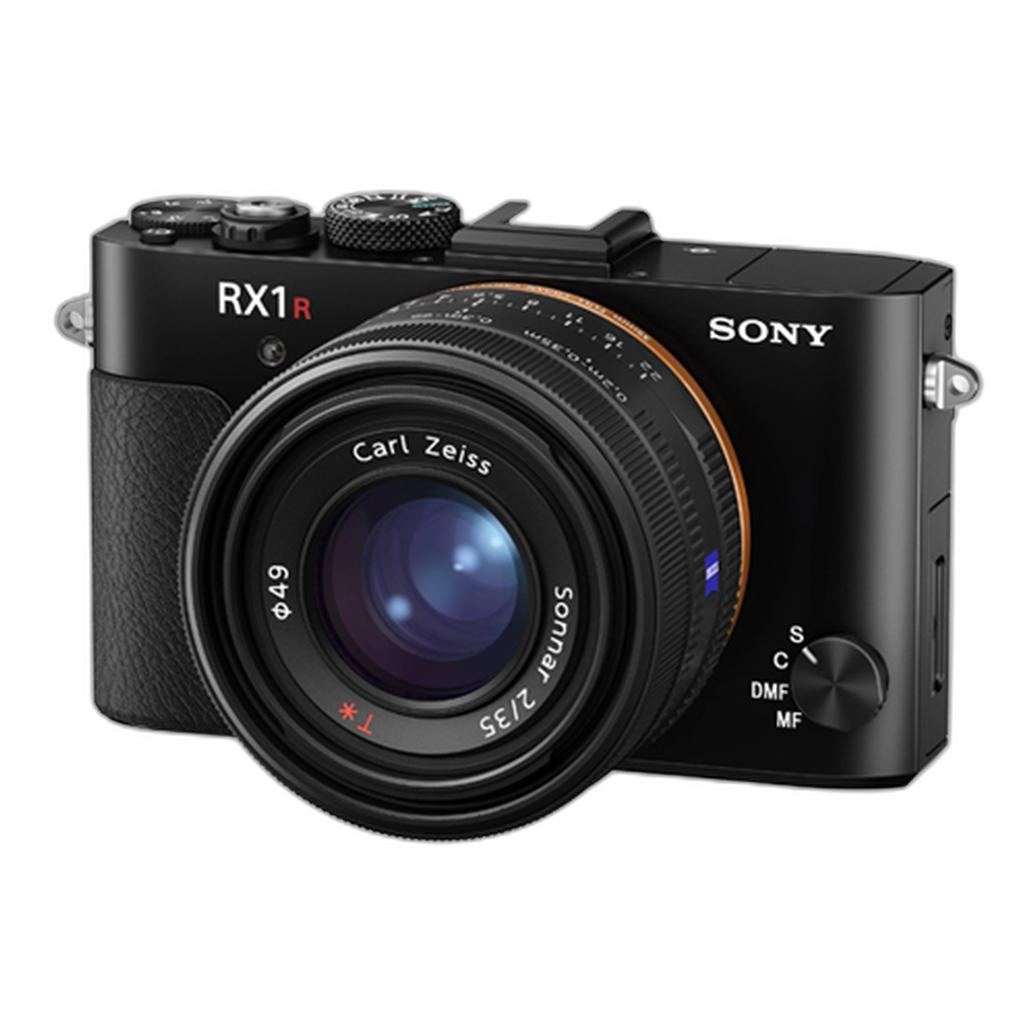
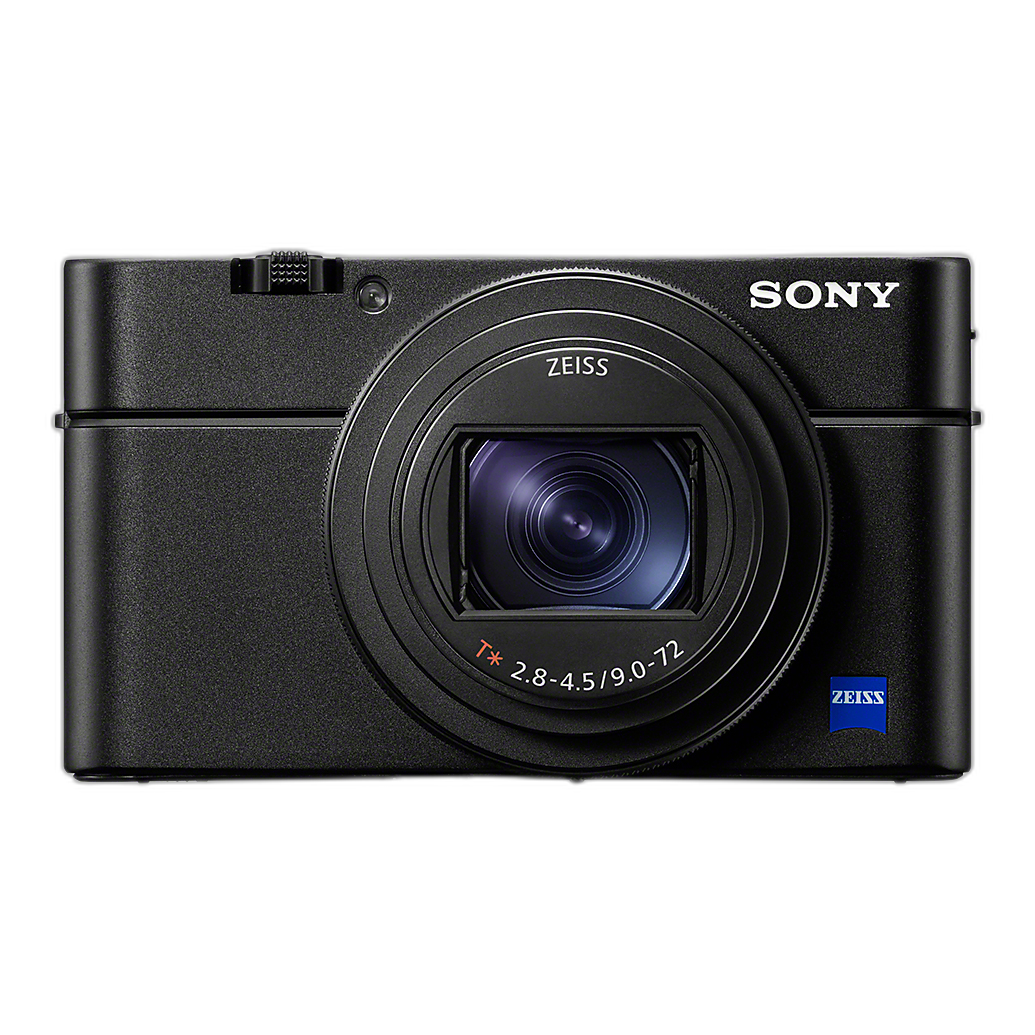
Strong images matter more than camera prestige, but equipment can absolutely support your results. High-resolution compact cameras with excellent image quality are especially appealing for landscape photographers who want portability without giving up detail. The Sony Cyber-shot DSC-RX1R II is a standout choice for photographers seeking full-frame image quality in a compact body, while the Sony Cyber-shot RX100 VII offers impressive versatility for travel and location scouting where minimal weight matters.
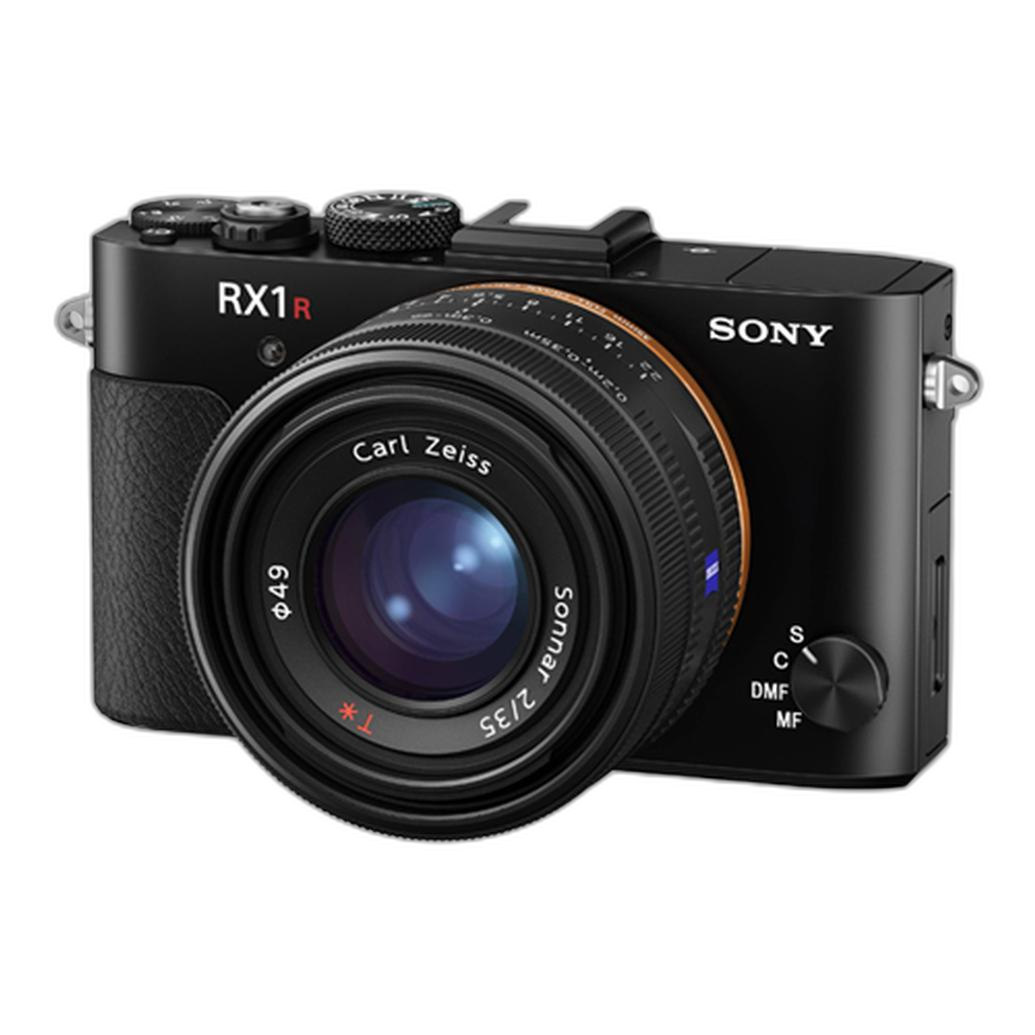
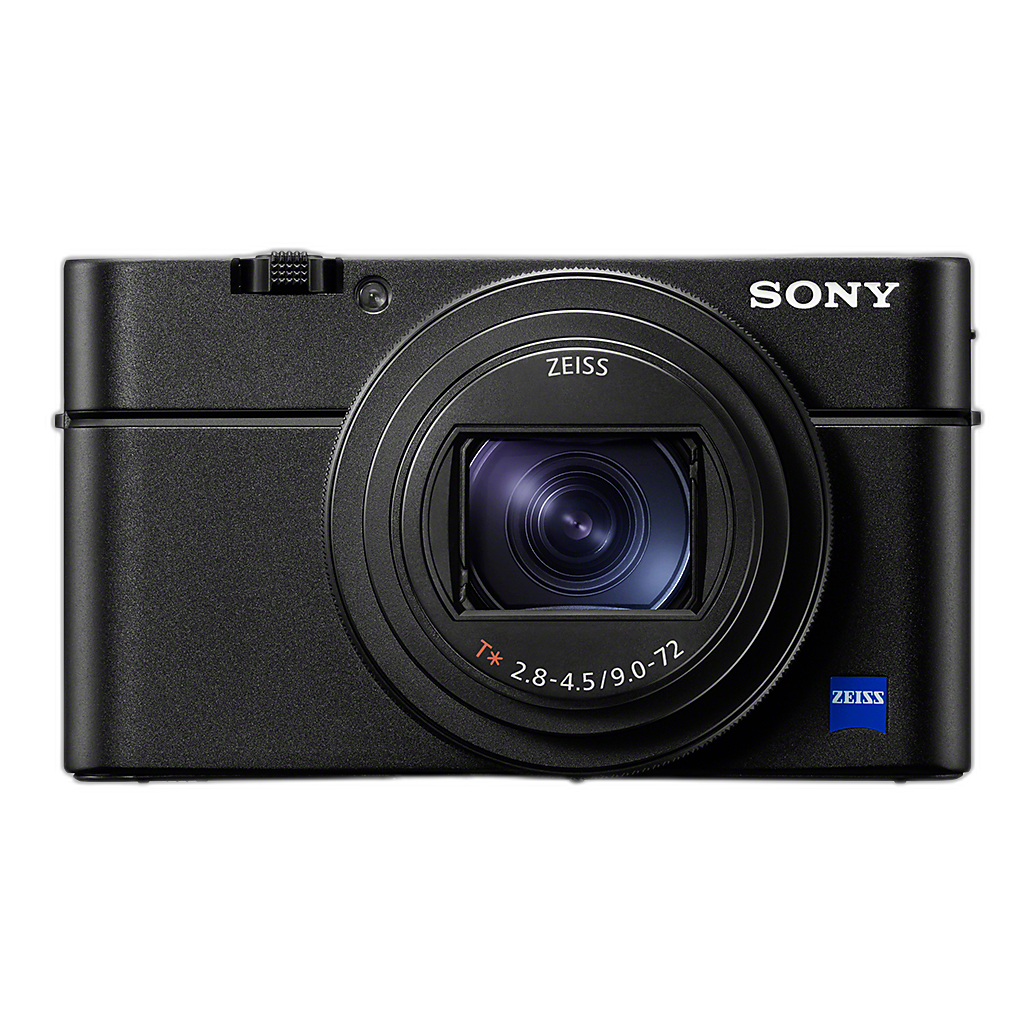
If you are building your kit more economically, Unique Photo also offers used options such as the Used Sony Cyber-shot DSC-RX1R II Digital Camera - Excellent and the Used Sony RX100 VII Cyber-shot Digital Camera - Excellent. These can be smart choices for photographers who want premium tools for landscapes while keeping budget available for printing, entry fees, or education.
How important is presentation when the image itself is already strong?
Presentation is extremely important because it affects first impression. A strong landscape can lose impact if it is poorly cropped for the submission format, exported at the wrong size, or displayed with inconsistent tonality. Good presentation does not mean flashy presentation; it means everything around the image supports the image. Clean files, accurate color, proper sharpening, and a thoughtful final review all signal professionalism.
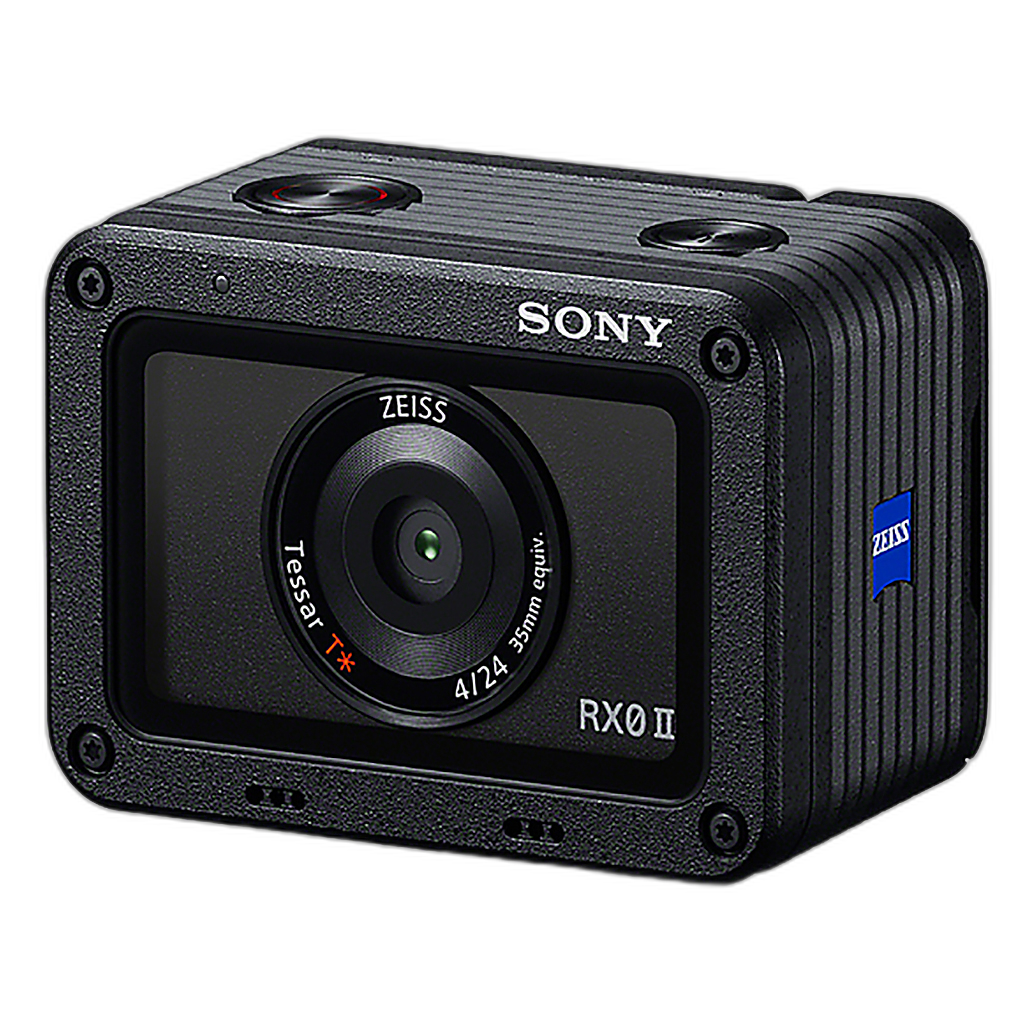
Even compact specialty cameras can play a role in creative presentation workflows. For example, the Sony Cyber-shot DSC-RX0 II can be useful for behind-the-scenes content or documenting your field process if you are building a broader competition portfolio or personal brand around your landscape work.
What is the biggest mistake photographers make before submitting landscape images?
The most common mistake is trying to improve an image too much right before the deadline. Last-minute edits often lead to over-sharpening, excessive saturation, aggressive contrast, or unnecessary crops. Another frequent issue is submitting the image you worked on most recently instead of the one with the strongest emotional and compositional impact.
Give yourself time to compare multiple candidates, revisit your top selections with fresh eyes, and if possible, view them on a different screen or in print. The winning image is often the one that feels clear, balanced, and memorable without needing to shout.
Preparing landscape photos for competition is ultimately about refinement, not reinvention. If you are looking for cameras, books, accessories, or presentation tools to help elevate your next submission, Unique Photo has the gear and expertise to support your process from capture to final review.