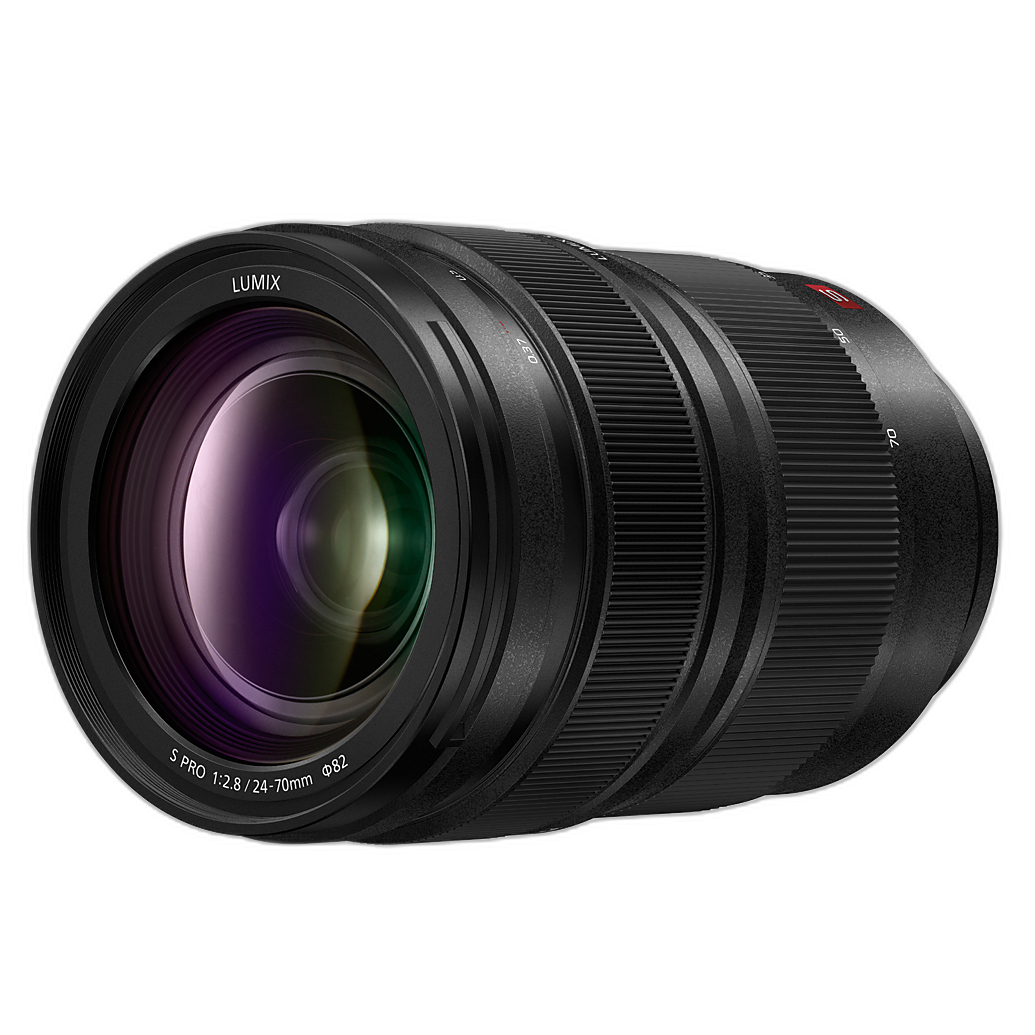
When Panasonic introduced its full-frame Lumix S system, one of the clearest signals of intent was the arrival of a fast professional standard zoom. For working photographers, the 24-70mm f/2.8 has long been the do-everything lens: wide enough for environmental work, long enough for portraits, and bright enough for event coverage, documentary assignments, and general commercial shooting. In that context, the Panasonic Lumix S Pro 24-70mm f/2.8, released on May 13, 2020, was more than just another lens launch. It was a defining piece of the young L-mount ecosystem and an important statement about Panasonic’s ambitions in the professional full-frame market.
Positioned in the premium tier of the Lumix lineup, the lens arrived with a $2,199 launch price in the U.S., placing it squarely in competition with other flagship 24-70mm f/2.8 designs. For Panasonic users building out an S-series kit, this was the lens that promised to handle a broad range of assignments without compromise.
A cornerstone focal range for the full-frame era
The appeal of a 24-70mm zoom is rooted in decades of photographic practice. On a full-frame camera, 24mm covers landscapes, architecture, interiors, and expansive documentary scenes. Move through the midrange and the lens becomes a natural tool for travel, editorial, and day-to-day shooting. At 70mm, it enters flattering short-telephoto territory, useful for portraits, detail work, and compressed perspectives.
Pairing that focal range with a constant f/2.8 aperture has made this class of lens a professional standard across multiple systems. The brightness supports lower-light work, easier subject isolation, and consistent exposure behavior while zooming. For photographers coming to Panasonic’s full-frame system in 2020, the Lumix S Pro 24-70mm f/2.8 represented exactly the kind of lens expected in a serious pro catalog: versatile, fast, and designed as a daily workhorse.
The Lumix S system and the significance of L-mount
Historically, the launch of the Lumix S Pro 24-70mm f/2.8 has to be understood within the context of the L-mount alliance era. Panasonic’s full-frame entry was notable not only because it marked a major expansion beyond Micro Four Thirds, but also because it embraced a shared mount standard. That gave the S system immediate strategic weight. Rather than asking professionals to adopt an entirely isolated ecosystem, Panasonic was participating in a mount with broader long-term promise.
In the early life of any camera system, photographers often judge commitment by the lenses that appear first. A fast 24-70mm f/2.8 is one of those confidence-building optics. It suggests the system is being built with weddings, corporate work, press coverage, portraiture, studio jobs, and location assignments in mind. In other words, it tells working shooters they are not being asked to compromise their core kit.
Why this lens mattered in 2020
By mid-2020, the mirrorless full-frame market had become intensely competitive. Every major launch was being read as a declaration of system maturity. Panasonic had already made a reputation for robust cameras, especially in video, but the full-frame S line also needed lenses that would satisfy still photographers at the highest level. The Lumix S Pro 24-70mm f/2.8 was central to that effort.
It occupied the role that many photographers would expect to fill first in a three-lens professional zoom set: ultra-wide, standard, and telephoto. If a shooter were assembling a practical full-frame bag around a single premium zoom, this was the obvious candidate. Its focal range made it relevant to a remarkably broad slice of image-making, from event coverage and journalism to commercial portraiture and travel editorial work.
There was also a symbolic dimension to the release. Panasonic was not merely checking a box. By putting a premium S Pro badge on the lens and pricing it accordingly, the company was clearly targeting demanding users who judged equipment not just by flexibility, but by confidence, consistency, and professional finish.
The enduring appeal of the standard zoom
In photographic history, the standard zoom has repeatedly emerged as the lens that defines a system’s practical identity. Specialty optics may generate excitement, but the 24-70mm f/2.8 is the lens that often spends the most time on the camera. It is the optic that travels to assignments, gets mounted for unpredictable jobs, and becomes the answer when a photographer can carry only one premium lens.
That is especially true in the mirrorless era, where full-frame systems increasingly needed to prove they could support both hybrid creators and traditional still shooters. Panasonic’s S line was already associated with advanced imaging tools and high-end video features, but a lens like the Lumix S Pro 24-70mm f/2.8 reinforced the idea that the system was equally intended for photographic professionals who needed a familiar, dependable focal range.
Who it was built to serve
At the time of release, the ideal buyer for this lens was easy to imagine. Wedding and event photographers needed a fast zoom that could handle group scenes at 24mm, candid midrange coverage, and portraits near 70mm. Commercial shooters valued the all-purpose framing range for location work. Travel and editorial photographers appreciated the ability to move quickly without changing lenses. Even photographers who favored primes often kept a 24-70mm f/2.8 in the bag as a reliable solution for fast-moving assignments.
For Panasonic users in particular, this lens offered a native full-frame standard zoom solution at the professional level within the L-mount world. That mattered. Native system lenses are often about more than specifications alone; they also represent a manufacturer’s priorities and long-term support.
Price, positioning, and market context
With a launch price of $2,199, the Lumix S Pro 24-70mm f/2.8 was clearly positioned as a premium optic rather than an entry point. That price reflected both the market expectations for a flagship constant-aperture standard zoom and Panasonic’s effort to place the lens in the top professional tier.
In the historical moment of 2020, that positioning was important. Buyers evaluating a newer full-frame mirrorless system wanted assurance that it was not only affordable or innovative, but also serious. Premium lenses help establish credibility. They tell photographers that the manufacturer intends to compete where performance and trust matter most.
Within the broader lens market, the 24-70mm f/2.8 category has always carried a certain prestige. These lenses are judged by demanding users and compared across systems because they are so central to real-world use. Panasonic’s entry into that conversation was therefore a significant milestone for the S system.
An archival view of the Lumix S Pro 24-70mm f/2.8
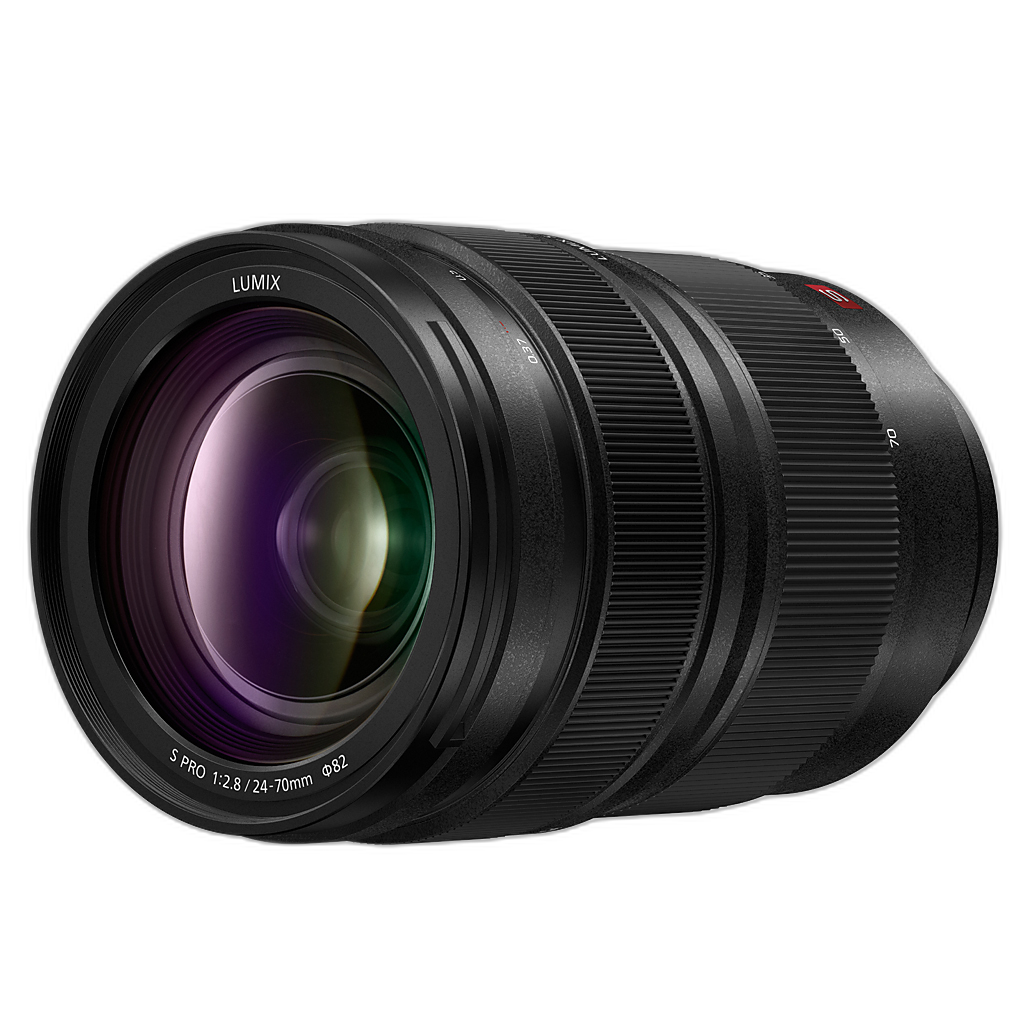
Looking back, the Panasonic Lumix S Pro 24-70mm f/2.8 stands as one of the key lenses that helped define the early identity of the Lumix S lineup. Its specifications were classic and purposeful: 24-70mm, f/2.8, and L-mount. But its importance was larger than those numbers suggest. It represented Panasonic’s commitment to building a credible professional full-frame lens family, and it gave photographers a foundational optic around which an S-series kit could realistically grow.
For historians of camera systems, lenses like this are often more revealing than headline-grabbing camera bodies. They show how a manufacturer intends photographers to work. In this case, Panasonic was signaling that the S system was not just a platform for innovation, but a serious toolset for everyday professional image-making.
Conclusion
The Panasonic Lumix S Pro 24-70mm f/2.8 arrived at a pivotal moment for the L-mount system and quickly took its place as a cornerstone standard zoom for Panasonic full-frame users. With its classic focal range, constant fast aperture, and premium positioning, it embodied the expectations photographers have long attached to the pro standard zoom category.
As an archival release-period lens spotlight, it remains an important marker in the history of Panasonic’s full-frame expansion. To explore Panasonic gear, compare lenses, or learn more about the Lumix S system, visit Unique Photo—a trusted place to buy camera equipment and dive deeper into photographic tools and history.