Outdoor Portrait Tips Face‑Off: Travel Portraits with Bobbi Lane vs. Stunning Portraits Workshop with David Maynard
If you’re refining your outdoor portrait game, targeted learning can accelerate your results. In this head‑to‑head, we compare two standout Unique University offerings—NJCS: Travel Portraits with Bobbi Lane (Fujifilm and Profoto) and Stunning Portraits Workshop with David Maynard and ExpoImaging—to surface the most essential tips for making compelling portraits outside, and to help you choose the class that best fits your style and goals.
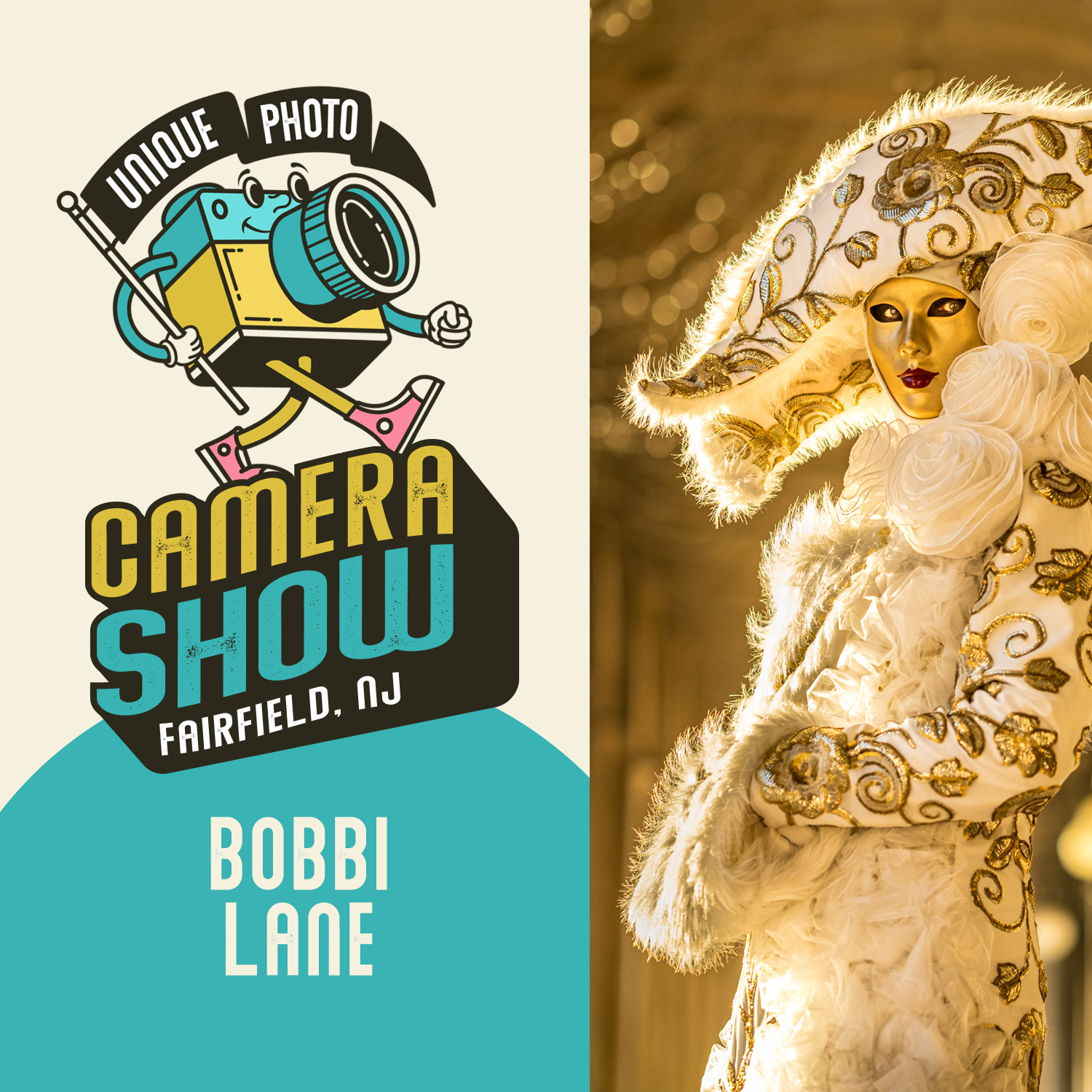
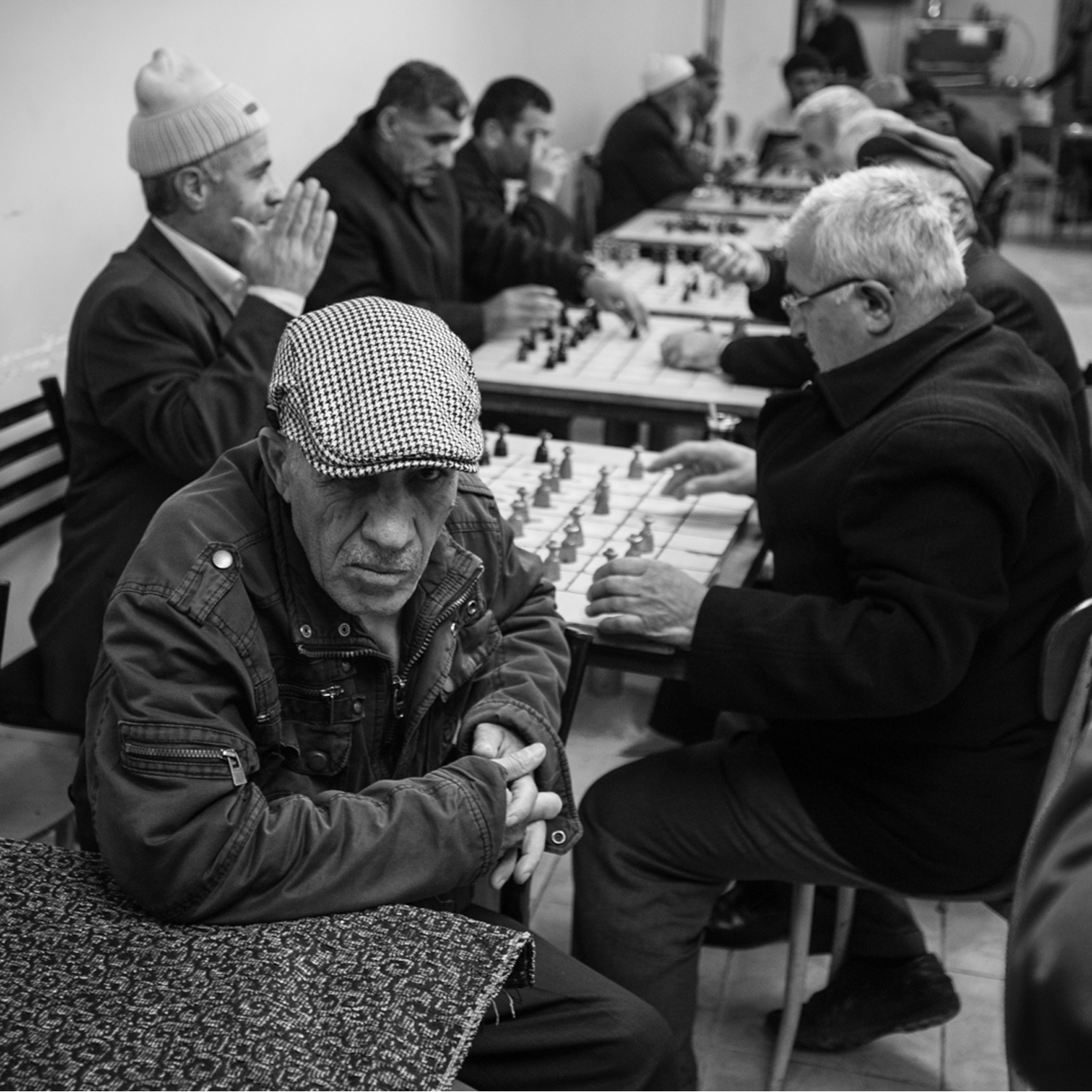
At a Glance: Side‑by‑Side Comparison
| Feature | Travel Portraits with Bobbi Lane | Stunning Portraits with David Maynard |
|---|---|---|
| Theme & Use Case | Travel and on‑location portraits, adapting to real‑world light | Creative, high‑impact portrait looks with portable tools |
| Teaching Focus | Working fast with available light plus practical fill | Shaping light with compact modifiers and flash |
| Lighting Emphasis | Sun control, open shade, reflectors, subtle flash accents | Off‑camera/modified flash for dramatic separation and style |
| Environment Strengths | Streets, travel, mixed light, quick setups | Fashion‑forward or stylized looks on location |
| Brand Partners | Fujifilm and Profoto | ExpoImaging |
| Ideal Learner | Photographers who want fast, natural‑looking outdoor portraits | Photographers eager to experiment with creative light shaping |
Lighting Control Outdoors
Light is your paintbrush outside. Here are core tips emphasized by each approach:
- Use the sun as a key or rim: Place the sun behind your subject for a halo and add fill from the front. This creates flattering, low‑contrast skin tones without squinting.
- Chase open shade: Buildings, trees, or overhangs provide soft, directional light. Rotate subjects until catchlights appear and shadows thin on the far cheek.
- Reflector finesse: Silver adds pop; white looks more natural. Keep the reflector just off‑axis to avoid squinting and specular hotspots.
- Small‑flash precision: For punchy looks, lift exposure with a compact flash and modifier. Feather your light and keep it slightly above eye level for shape.
- Balance with ambient: Start by exposing for the background, then raise flash power until your subject matches or leads by ~1/3–2/3 stop for presence.
Bobbi Lane’s travel‑oriented perspective centers on reading ambient light quickly and using subtle fill or reflectors to keep portraits authentic. David Maynard’s workshop leans into shaping and stylizing light with portable modifiers for bolder outdoor impact.
Backgrounds and Location Strategy
- Pick backgrounds first: Scan for clean, mid‑tone walls or layered depth (alleys, arches, foliage). A good background reduces post work and directs the eye.
- Control depth of field: For isolation, use wider apertures and longer focal lengths; step your subject away from the background to deepen blur.
- Watch the horizon and lines: Keep horizons out of necklines and avoid poles/branches that intersect heads. Shift your shooting angle to simplify.
- Color harmony: Match wardrobe and background tones or go complementary for pop. Avoid mixed color casts that complicate skin tones.
Travel Portraits emphasizes fast, minimal‑gear scouting and working with what the location gives you. Maynard’s approach encourages building the scene with light—great for fashion‑style outdoor sets.
Subject Direction and Posing
- Pose to the light: Turn the subject so the shadow line sculpts the jaw and cheekbones. Micro‑adjust shoulder angles for dimension.
- Hands and posture: Give hands a purpose (jacket, hair, prop). Ask for a relaxed inhale and slow exhale to drop tension in the shoulders.
- Eyes and connection: Direct gaze slightly above lens for open eyes, or off‑camera for storytelling. Keep catchlights alive.
- Natural prompts: Simple actions—walk, lean, turn—create candid moments that read well in outdoor settings.
Expect both workshops to reinforce clear, simple coaching that keeps subjects comfortable while you refine angles and light.
Gear and Setup Speed
- Pack light: One camera, a fast portrait prime (e.g., 50/85mm equivalent), a collapsible reflector, and a small flash can cover most outdoor scenarios.
- Use portable modifiers: Softboxes, grids, or bounce attachments travel easily and let you shape light without heavy stands.
- Work fast: Pre‑visualize exposure, set ambient first, and mark a safe working aperture so you can move locations without missing the moment.
Lane’s travel focus prioritizes agility and quick adaptation; Maynard’s lighting‑centric path shows how to craft distinctive looks on the fly with compact tools.
Value and Who Should Choose Which
- Choose Travel Portraits with Bobbi Lane if you want essential, broadly applicable outdoor portrait skills—reading light, leveraging shade, and adding tasteful fill.
- Choose Stunning Portraits with David Maynard if you’re excited to experiment with creative light shapers and bolder, stylized outdoor portraits.
Final Take
Both classes sharpen the fundamentals that matter outside: identify flattering light fast, simplify backgrounds, direct with confidence, and add just enough shaping to flatter your subject. Explore them at Unique Photo’s Unique University—where real‑world instruction meets hands‑on learning to elevate your next outdoor portrait session.