Field-to-Finish vs. Photoshop-First: Which Landscape Post-Processing Path Fits You?
Landscape images come alive in post. In this head-to-head comparison, we pit two Unique University experiences against each other to showcase go-to techniques and the workflow philosophy behind them: (1) Macro and Landscape Photography at Duke Farms with Michael Downey — a field-to-finish approach that emphasizes strong in-camera files and thoughtful, lighter-touch editing; and (2) Editing and Enhancing Landscape and Nature Photography with Photoshop — a Photoshop-centric deep dive for maximum control and polish.

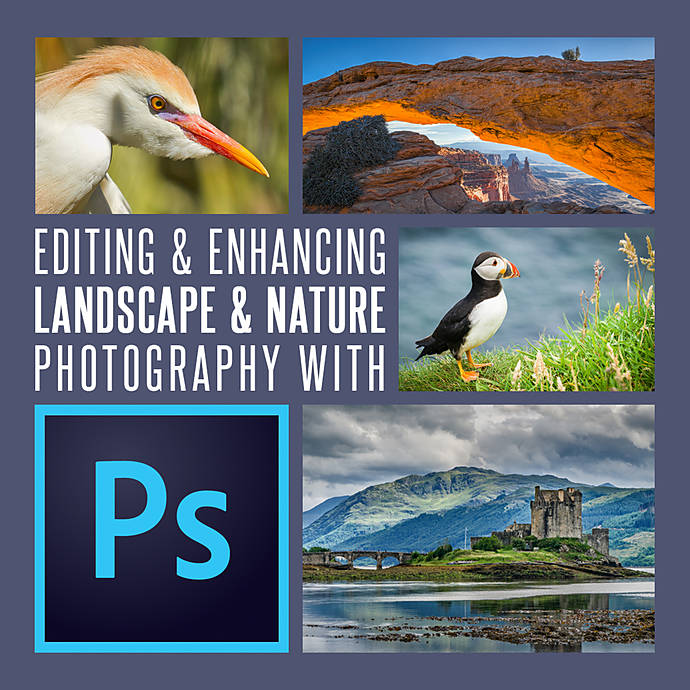
Side-by-Side Specs
| Feature | Macro & Landscape at Duke Farms (Michael Downey) | Editing & Enhancing Landscape & Nature with Photoshop |
|---|---|---|
| Core Focus | On-location macro and landscape shooting with practical post-processing to refine strong captures | In-depth Photoshop workflow for landscape and nature image enhancement |
| Format | Field workshop at Duke Farms | Photoshop-based editing class |
| Best For | Photographers who prefer fieldcraft first and streamlined edits | Photographers seeking granular control and advanced post techniques |
| Typical Techniques Emphasized | RAW development, white balance, global tone, subtle local adjustments, lens corrections | Layered editing, masking, luminosity selections, color grading, advanced detail control |
| Software Orientation | Light-to-moderate post (RAW editor + basic Photoshop tools) | Photoshop-centric with robust local control and compositing tools |
Category-by-Category Analysis
RAW Development & Tonal Foundation
Duke Farms (Field-to-Finish): Start with clean exposure, then apply balanced white balance, exposure, contrast, and a restrained S-curve. Lens profile corrections and horizon leveling keep the scene natural. Great for quick, consistent results.
Photoshop Class (Photoshop-First): Builds a more sculpted tonal base. After initial RAW adjustments, expect targeted curves on layers, blend-if or luminosity selections to protect highlights and tease shadow detail. Ideal for dramatic range control.
Color Grading & Atmosphere
Duke Farms: Subtle HSL tweaks to keep foliage believable, slight dehaze for depth, and nuanced white balance shifts for mood without oversaturation. Works well when the light was optimized in-camera.
Photoshop Class: Selective color, gradient maps, and color balance layers create cinematic palettes. Split toning via curves and gradient maps can separate cool shadows from warm highlights for refined ambiance.
Local Adjustments & Masking
Duke Farms: Radial filters and brush-based dodging/burning guide the eye while staying fast and minimal. Great for field-to-publish efficiency.
Photoshop Class: Precise masks, luminosity selections, and blend-if for edge-aware local work. Example: brighten foreground textures without lifting sky noise, or refine a sky-mask for targeted cloud contrast.
Dynamic Range: Skies & Foregrounds
Duke Farms: Preference for single-frame finesse: careful highlight recovery, shadow lifting, and graduated filters. If bracketed, simple merges keep results natural.
Photoshop Class: Manual exposure blending with layer masks for seamless skies, or selective HDR methods combined with contrast control to avoid halos—powerful for sunrise/sunset extremes.
Detail: Sharpening & Noise Reduction
Duke Farms: Global sharpening at output size, targeted noise reduction in shadows; emphasizes clarity without a crunchy look.
Photoshop Class: Frequency-aware approaches (e.g., high-pass/edge masks) and masked noise reduction per tonal zone for crisp details and clean skies.
Composition Finishing Touches
Duke Farms: Crop for balance, straight horizons, and subtle vignette to hold attention. Quick, effective polish.
Photoshop Class: Content-aware cleanup, distraction removal, and advanced vignettes (via curves and masks) that respect subject geometry.
Output & Print Readiness
Duke Farms: Reliable, repeatable edits suited for immediate sharing and small-to-large prints.
Photoshop Class: Meticulous soft-proofing prep with sharper control over micro-contrast and color for gallery-ready output.
Tip: Once your landscapes are dialed in, archiving your favorites in a clean album is a joy. Consider a simple 4×6 album for prints you can flip through and share.
Our Pick
Best Overall for Post-Processing Mastery: Editing and Enhancing Landscape and Nature Photography with Photoshop.
If your priority is extracting maximum dynamic range, crafting refined color, and executing precise local adjustments, the Photoshop-centric class gives you the deepest toolkit for consistent, portfolio-grade landscape edits.
Also Great: Macro and Landscape Photography at Duke Farms with Michael Downey is perfect if you want to elevate your field technique and adopt a fast, natural edit that respects what you captured on location.
Conclusion
Whether you lean toward efficient field-to-finish edits or a Photoshop-first deep dive, both paths can produce breathtaking landscapes. Explore these classes and more at Unique Photo’s Unique University to sharpen your craft from capture to final print.