2024 Mirrorless Camera Buying Guide — Which Brands Offer the Best Value?
The mirrorless camera market in 2024 is the strongest it has ever been. Every major brand now offers fast autofocus, in-body stabilization on mid-to-high tiers, and meaningful video features—even in affordable bodies. But “best value” isn’t one-size-fits-all: it depends on the lenses you’ll grow into, how much you shoot video vs. stills, and what you can trade in or buy used to stretch your budget. Consider this your value-first review of the current mirrorless landscape, with practical takeaways you can act on today.
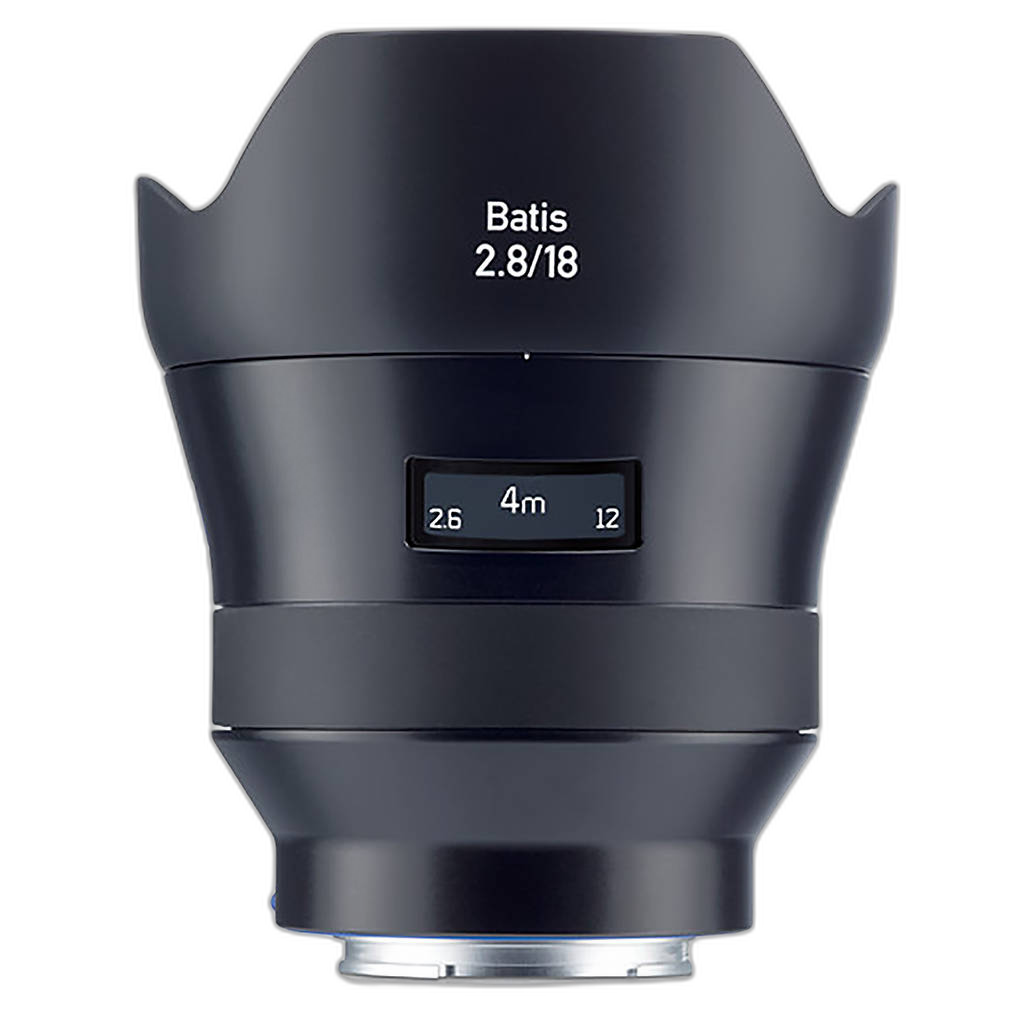
Above: A full-frame E-mount prime like the Zeiss Batis 18mm f/2.8 underscores a key value driver in 2024—robust, reasonably priced third‑party lens ecosystems.
How We Define “Value” in 2024
Total system cost
Don’t fixate on a body price alone. Factor lenses (including third‑party options), batteries, media, and accessories. Mature mounts with broad third‑party support often deliver the lowest lifetime cost.
Autofocus and stabilization that matter
Reliable subject detection, sticky tracking, and effective IBIS are now table stakes. The value sweet spot is where you get dependable AF/IBIS without paying flagship premiums.
Video features without the tax
If you’re hybrid, look for oversampled 4K, clean 10‑bit options on mid-tier bodies, and reliable heat management. Paying for features you won’t use isn’t value—it’s waste.
Longevity, warranty, and resale
Bodies with multi‑year relevance, solid service support, and strong second‑hand demand offer better long‑term value.
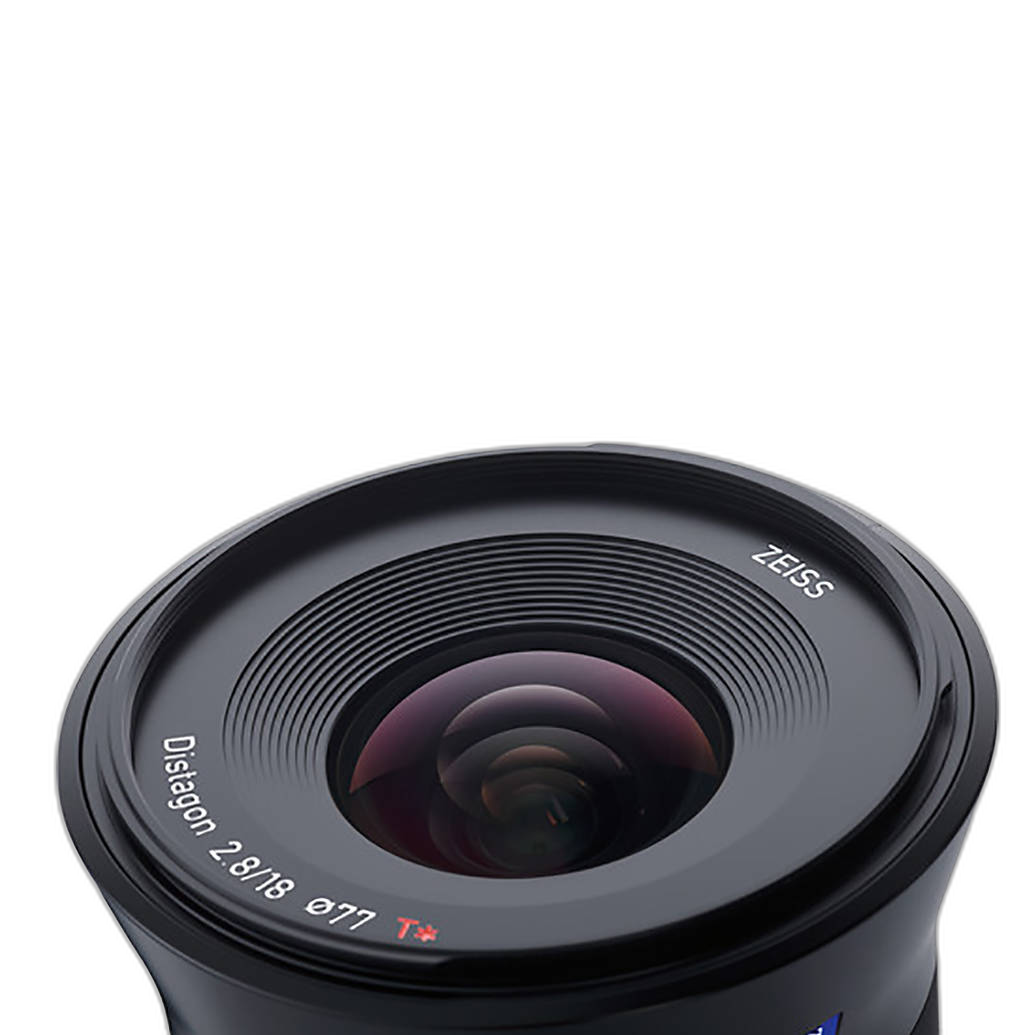
Pro tip: Extended protection can be smart for pro gear. Always verify coverage details per brand and model before adding a plan.
Brand-by-Brand Value Snapshot
Sony (E‑mount)
Why it’s great value: Deepest full-frame AND APS‑C lens ecosystem in the market, with aggressive third‑party support. Sony’s AF is fast and consistent across tiers, and bodies hold resale well.
Consider: Menus and ergonomics have improved, but older/entry bodies may feel less refined. Some features trickle down slowly from flagships.
Canon (RF/RF‑S)
Why it’s great value: Excellent color science, straightforward ergonomics, and very strong AF. RF glass is outstanding, with affordable STM options for beginners.
Consider: Limited third‑party AF lens options compared to E‑mount can raise long‑term system costs for some users.
Nikon (Z/Z‑DX)
Why it’s great value: Competitive AF, great handling, and some of the sharpest native lenses. Nikon offers compelling price-to-performance on several bodies, especially for stills‑first shooters.
Consider: Third‑party AF lenses are improving, but the budget catalog isn’t as deep as E‑mount. Still, native Z glass often overdelivers for the money.
Fujifilm (X‑mount)
Why it’s great value: APS‑C done right: strong lenses, tactile controls, pleasing color, and hybrid features without full-frame prices. A fantastic stills-first ecosystem with credible video chops.
Consider: If you crave the ultimate full-frame shallow depth-of-field look, you’ll pay more to get there elsewhere—though many find X‑mount hits the sweet spot.
Panasonic LUMIX (L‑mount)
Why it’s great value: Highly competitive hybrid feature sets, strong IBIS, and improving AF make mid-tier LUMIX bodies a bargain for video‑leaning creators. L‑Mount Alliance expands lens choices.
Consider: AF has improved significantly, but if you prioritize the fastest action AF, test before you buy.
OM SYSTEM (Micro Four Thirds)
Why it’s great value: Compact bodies and lenses, excellent stabilization, and telephoto reach for wildlife/travel on a budget and in a small bag.
Consider: Smaller sensor tradeoffs in high-ISO and extreme shallow DOF; still a high‑value choice for portability and long‑lens work.
Real-World Value: Lenses, Carry, and Power
Lenses are often the biggest long‑term expense. Ecosystems with plentiful third‑party primes and zooms let you build a kit without breaking the bank. Don’t forget practical accessories that protect your investment and streamline shoots.
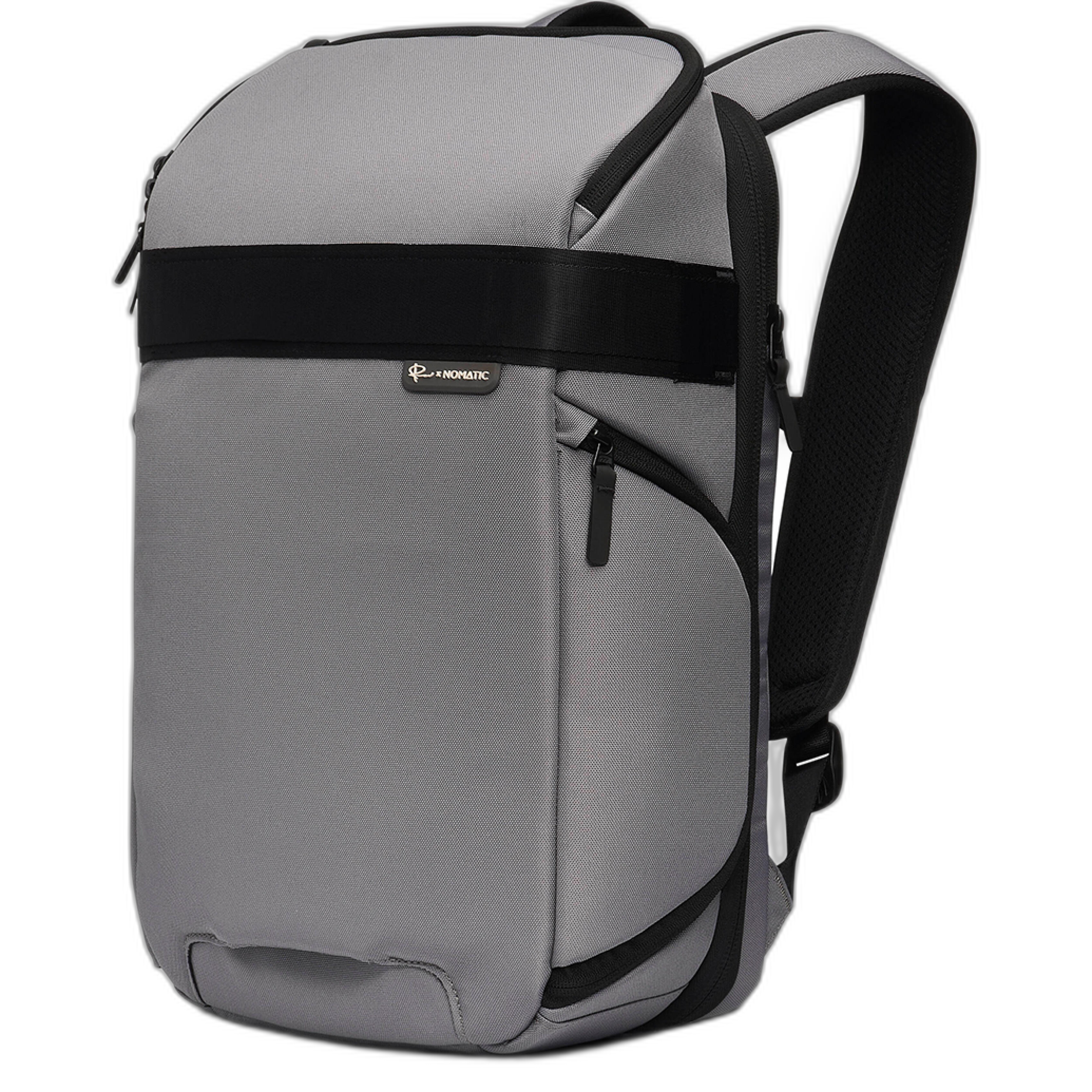
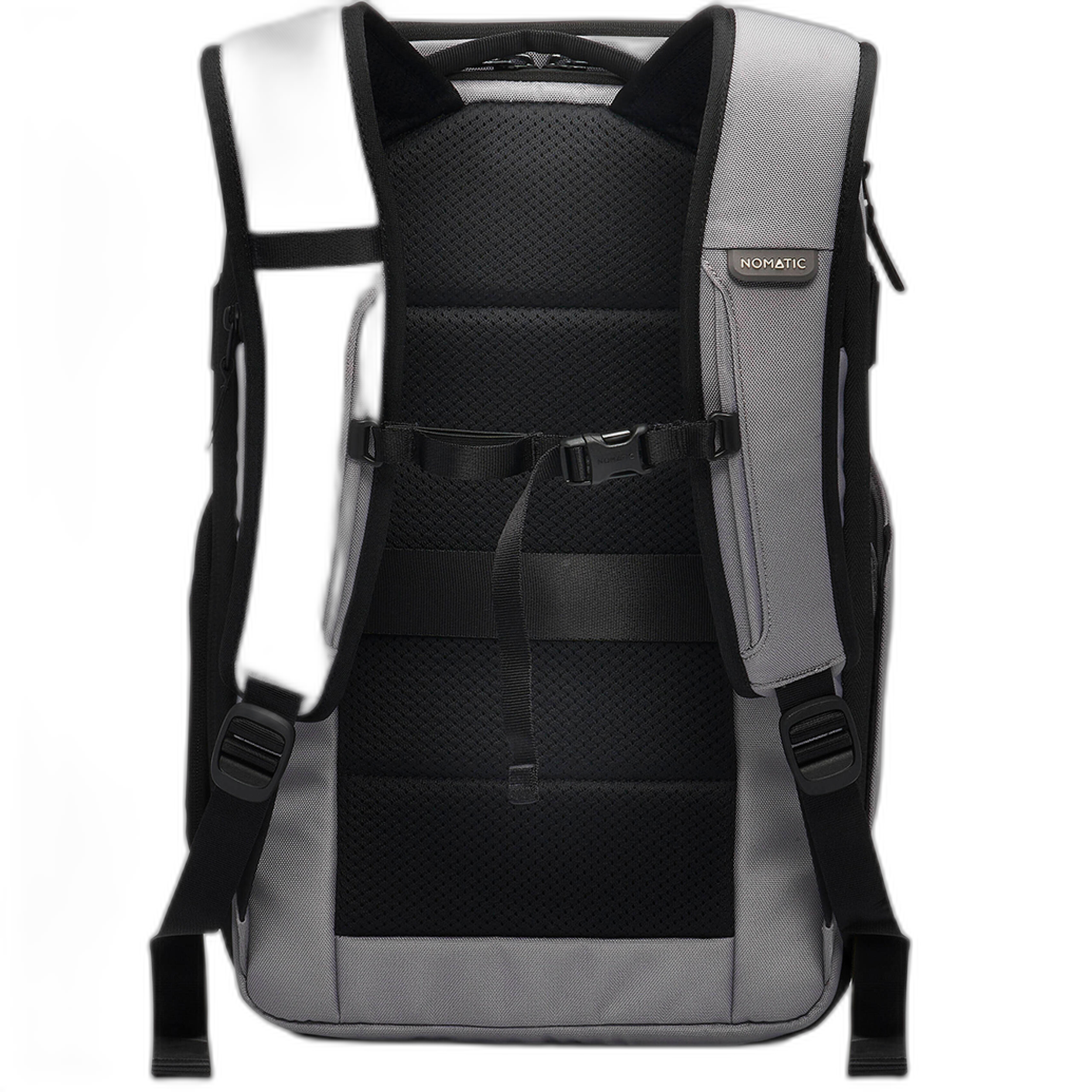
A smart, compact backpack like the Nomatic Luma 18L stretches value by keeping a small mirrorless kit organized and protected—ideal for APS‑C or lightweight full‑frame travel setups.
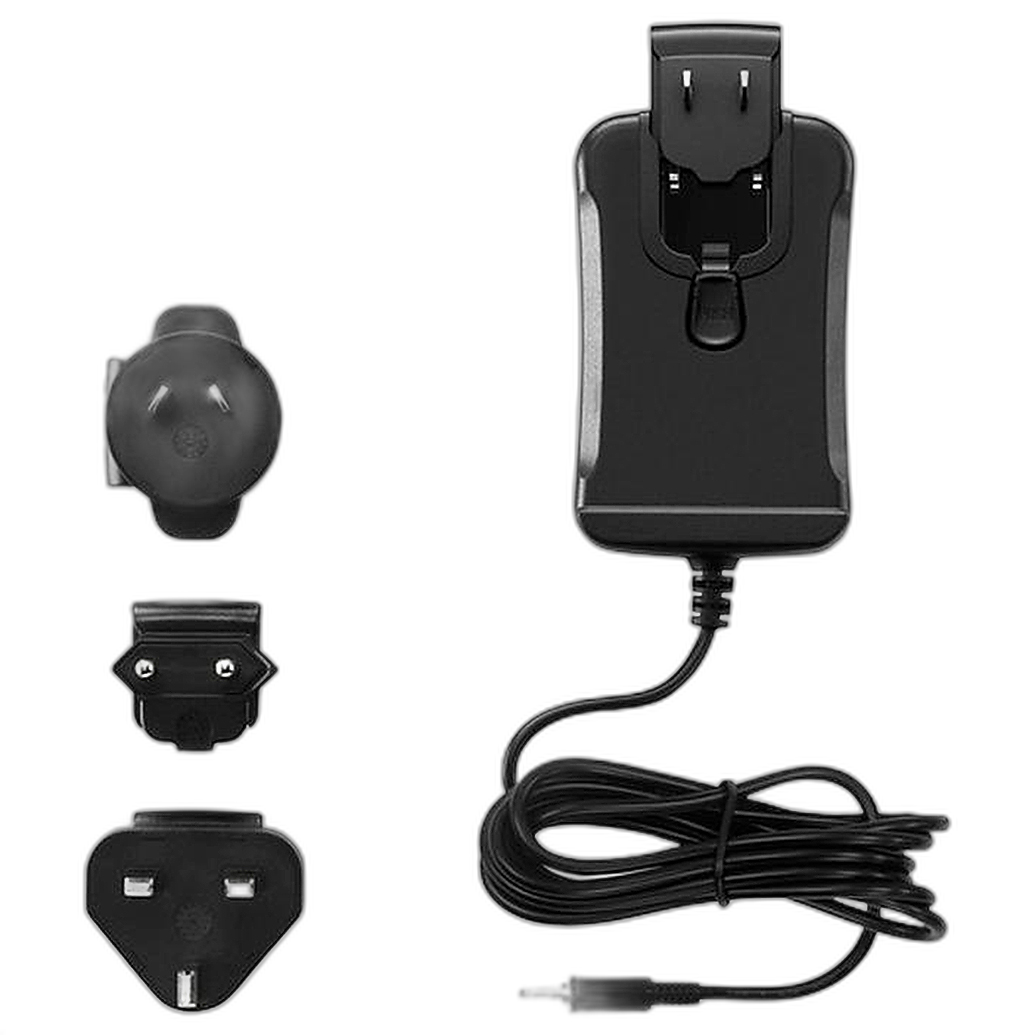
If your work skews video, plan for power and media. Dedicated power solutions vary by system; budget for extra batteries or reliable AC power options when appropriate.

Budget-Based Recommendations
Best value for beginners
APS‑C bodies from Sony, Canon, and Fujifilm deliver the lowest cost of entry with credible AF and strong lens options. Pair a compact zoom with one fast prime for low light and portraits.
Best value for hybrid creators
Panasonic LUMIX and Sony mid‑tier bodies offer robust video features and dependable AF/IBIS at attractive prices. Canon and Nikon alternatives are increasingly competitive—compare codec needs and record limits.
Best value for stills-first photographers
Nikon Z and Fujifilm X shine for color, handling, and lens quality without overspending on video-centric features you may not need.
Best value for travel
OM SYSTEM and Fujifilm APS‑C strike an excellent size/performance balance. Lightweight lenses mean smaller bags and fewer compromises on the move.
Best value for sports/wildlife
Sony and Nikon full-frame for AF speed and lens breadth; OM SYSTEM for affordable reach in a compact kit.
Pros and Cons of Today’s Mirrorless Market
- Pros: Broad feature parity across brands, reliable AF/IBIS even mid‑tier, mature lens ecosystems, and better heat/power management for hybrids.
- Cons: Top features are sometimes paywalled to higher tiers, lens costs can snowball in closed ecosystems, and menu/ergonomic quirks still vary by brand.
Verdict: Which Brands Offer the Best Value?
If you want the most options at the lowest long‑term cost, Sony’s E‑mount still leads for sheer lens availability, especially with third‑party glass. For stills‑first shooters who want excellent handling and optics without overspending, Nikon delivers terrific value, and Fujifilm’s X‑mount remains a compelling APS‑C ecosystem. Hybrid video creators should give Panasonic LUMIX serious consideration for its feature-to-price ratio, with Sony and Canon close behind depending on your AF and codec priorities. Travelers and wildlife shooters on tighter budgets will find OM SYSTEM hard to beat for portability and reach.
Where to buy: Visit Unique Photo—in store or at uniquephoto.com—to compare bodies side-by-side, explore money‑saving bundles, stretch your budget with used and trade‑in options, and add protection plans that make sense for your kit.
Build a focused kit, buy the lenses you’ll actually use, and invest in accessories that keep you shooting. That’s real value in 2024.