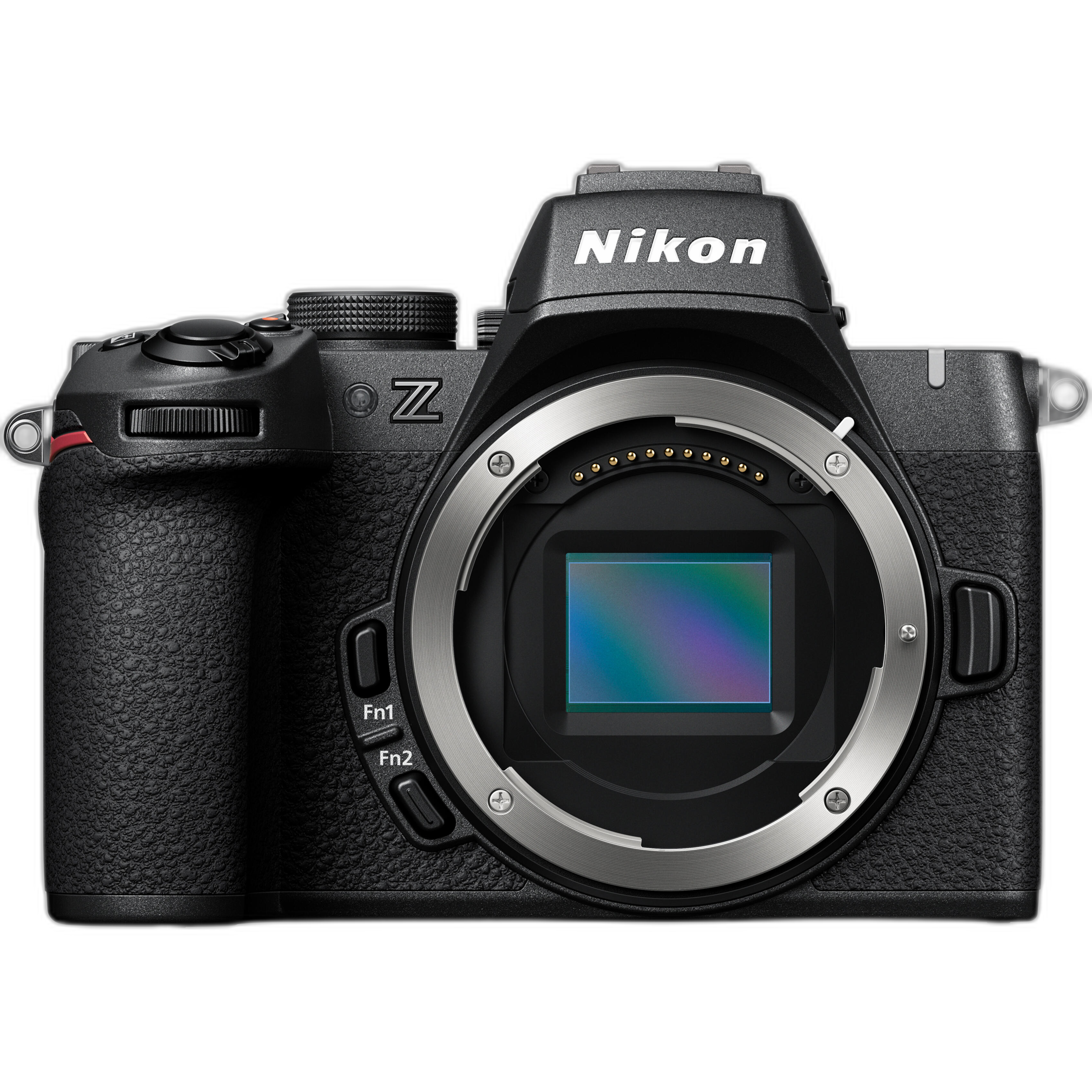
With the announcement of the Nikon Z50 on October 10, 2019, Nikon expanded its young mirrorless system in an important new direction. After launching the full-frame Z 7 and Z 6 in 2018, Nikon followed with its first DX-format Z-mount camera, bringing the company’s new mirrorless platform to photographers looking for a smaller, more affordable entry point. In the context of 2019, this was a significant moment: Nikon was no longer defining the Z system only through high-end full-frame bodies, but also through a compact APS-C model aimed at enthusiasts, travelers, and everyday creators.
The Z50 arrived with a 20.9-megapixel APS-C (DX) sensor, Nikon Z mount, 4K/30p video, and a launch price of $859. Those facts alone made it clear that Nikon intended the camera to occupy a practical and approachable place in the market. At the same time, the Z50 carried real historical weight: it marked Nikon’s first DX-format body in the Z family and signaled the company’s broader commitment to building out mirrorless options beyond the professional tier.

Nikon’s Z System Reaches DX Format
When Nikon introduced the Z mount in 2018, much of the conversation centered on the company’s move into full-frame mirrorless. The Z 7 and Z 6 were designed to establish technical credibility and reassure long-time Nikon users that the brand was serious about the new mount. But Nikon’s history has long included strong APS-C cameras, especially in its DSLR lineup, where DX bodies often served as the gateway for advanced amateurs and hobbyists.
The Z50 represented the mirrorless continuation of that tradition. By bringing DX format to Z mount, Nikon opened the system to a wider audience. This mattered not only for price, but also for size and portability. A compact body paired with dedicated DX lenses gave Nikon a way to appeal to photographers who wanted interchangeable-lens flexibility without stepping into larger or more expensive full-frame territory.
Historically, this was a natural next step. Nikon had built considerable loyalty around DX cameras in the DSLR era, and an APS-C Z body offered a path forward for users interested in mirrorless technology while remaining conscious of budget, handling, and everyday practicality.
Core Specifications at Launch
At announcement, the Nikon Z50 centered on a straightforward but appealing set of features:
- Sensor: 20.9MP APS-C (DX)
- Mount: Nikon Z
- Video: 4K30
- Launch price: $859 (U.S.)
That specification set placed the camera squarely in a competitive enthusiast category for late 2019. The 20.9MP DX sensor offered a resolution level familiar to Nikon users who valued a balance of file size, speed, and image quality. Rather than chasing headline-grabbing megapixel figures, Nikon positioned the Z50 as a practical photographic tool.
The inclusion of 4K video at 30 frames per second was also notable in the release-period context. By 2019, meaningful video capability was expected in mirrorless cameras, even outside the professional segment. With 4K30, the Z50 fit comfortably into the needs of hybrid shooters, vloggers, travel creators, and enthusiasts looking for a single camera for both stills and video.
A Smaller, More Accessible Z-Mount Camera
One of the most important aspects of the Z50 announcement was not just what the camera could do, but what it represented physically and economically. The Z system had debuted in a premium, full-frame form. The Z50 changed the visual and practical identity of the lineup by introducing a body that was easier to carry and substantially more attainable at launch.
Its $859 launch price made the Z mount feel more democratic. That mattered for newer photographers entering the Nikon ecosystem and for existing Nikon owners curious about mirrorless but not yet ready to invest in a full-frame body. In that sense, the Z50 was a strategic product: it broadened the appeal of the system while helping Nikon establish the idea that Z mount could support multiple tiers of users.
This move also reflected a larger industry pattern in the late 2010s. Mirrorless had matured well beyond its early-adopter phase, and brands were under pressure to offer complete systems that served professionals, enthusiasts, and beginners alike. Nikon’s answer was not just to add another camera, but to create a true APS-C branch of its new mount.
The Importance of the Z Mount
The Nikon Z mount itself was central to the Z50’s historical significance. Nikon was effectively asking DX shooters to invest in the same mount used by its full-frame mirrorless bodies, creating a unified platform rather than a separate mirrorless standard. This was an important philosophical and practical choice.
A shared mount suggested long-term system planning. For photographers, it meant that an entry point into the Z world did not necessarily lead to a dead end. The Z50 could function as a first step into a broader Nikon mirrorless future. From a system-building perspective, that was crucial: lens investments often outlast camera bodies, and confidence in a mount can influence adoption as much as any single specification.
In historical terms, Nikon’s decision to tie its first DX mirrorless Z camera to the same mount as its full-frame Z models helped reinforce the seriousness of the platform. It was a signal that Z mount was intended to become a central pillar of Nikon’s future.
Who the Z50 Was For in 2019
Viewed from the release period, the Z50 seemed aimed at several overlapping groups. First were Nikon DSLR users, especially DX photographers, who wanted a smaller mirrorless camera from a familiar brand. Second were enthusiasts shopping across brands in the increasingly competitive APS-C mirrorless category. Third were hybrid users who wanted modern video capability alongside still photography performance.
The Z50’s appeal was therefore broad but focused. It was not introduced as a niche specialist camera. Instead, Nikon positioned it as a versatile, approachable mirrorless model with enough capability to satisfy serious hobbyists while remaining accessible to less experienced users. The camera’s blend of DX format, 4K30 video, and Z-mount compatibility made it relevant to both the traditional Nikon audience and the wider mirrorless market.
A Transitional Camera in Nikon History
The Z50 stands as an important transitional model in Nikon’s camera history. It linked several eras at once: Nikon’s longstanding strength in DX-format cameras, the industry-wide movement from DSLR to mirrorless, and the company’s effort to turn the Z mount from a premium launch platform into a complete system.
Not every historically important camera is defined by radical technical excess. Some matter because they broaden access, clarify a company’s direction, and invite a larger audience into a new ecosystem. The Z50 fits that description well. It was a camera of expansion and consolidation, helping Nikon move from an initial statement of mirrorless intent to a more mature and inclusive product strategy.
In retrospect, the Z50’s announcement was about more than one body and one spec sheet. It was about Nikon showing that the Z system could grow downward in price and size without abandoning the promise of the new mount. For many photographers in 2019, that was exactly the reassurance they were waiting for.
Looking Back at the Z50 Announcement
As an archival release-period announcement, the Nikon Z50 deserves recognition as the camera that brought DX format into Nikon’s mirrorless Z family. Its 20.9MP APS-C sensor, 4K30 video, and $859 launch price positioned it as an inviting and capable entry into the system, while its use of the Nikon Z mount gave it significance beyond the enthusiast segment alone.
For Nikon, this was a pivotal 2019 release—one that made the Z ecosystem feel more complete and more attainable. For photographers, it offered a practical way to join Nikon’s mirrorless future at a lower barrier to entry than the full-frame models that came before it.
If you want to explore the history of Nikon cameras, learn more about the Z system, or shop Nikon gear, Unique Photo is a great place to buy, compare, and discover more.