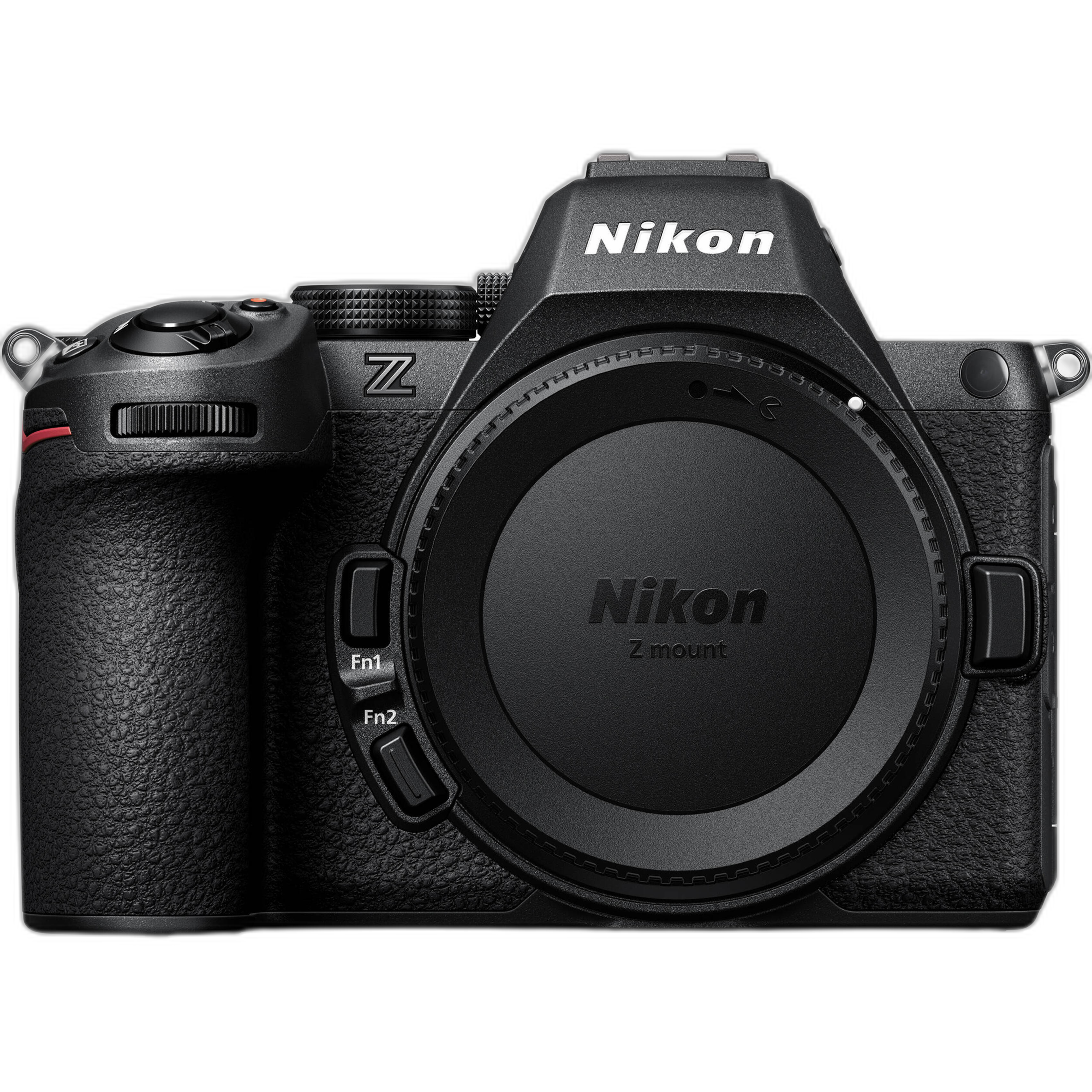
In July 2020, Nikon expanded its young mirrorless lineup with a camera aimed squarely at photographers who wanted to step into full-frame without jumping to the top of the price ladder. The Nikon Z5, announced on July 21, 2020, arrived as an accessible entry point into the company’s Z-mount system, combining a 24.3MP full-frame sensor, 5-axis in-body image stabilization, and the flexibility of the Nikon Z mount at a launch price of $1,399 USD. For Nikon users considering a move from DSLR to mirrorless, and for first-time full-frame buyers looking for value, the Z5 was introduced as a practical, modern option.
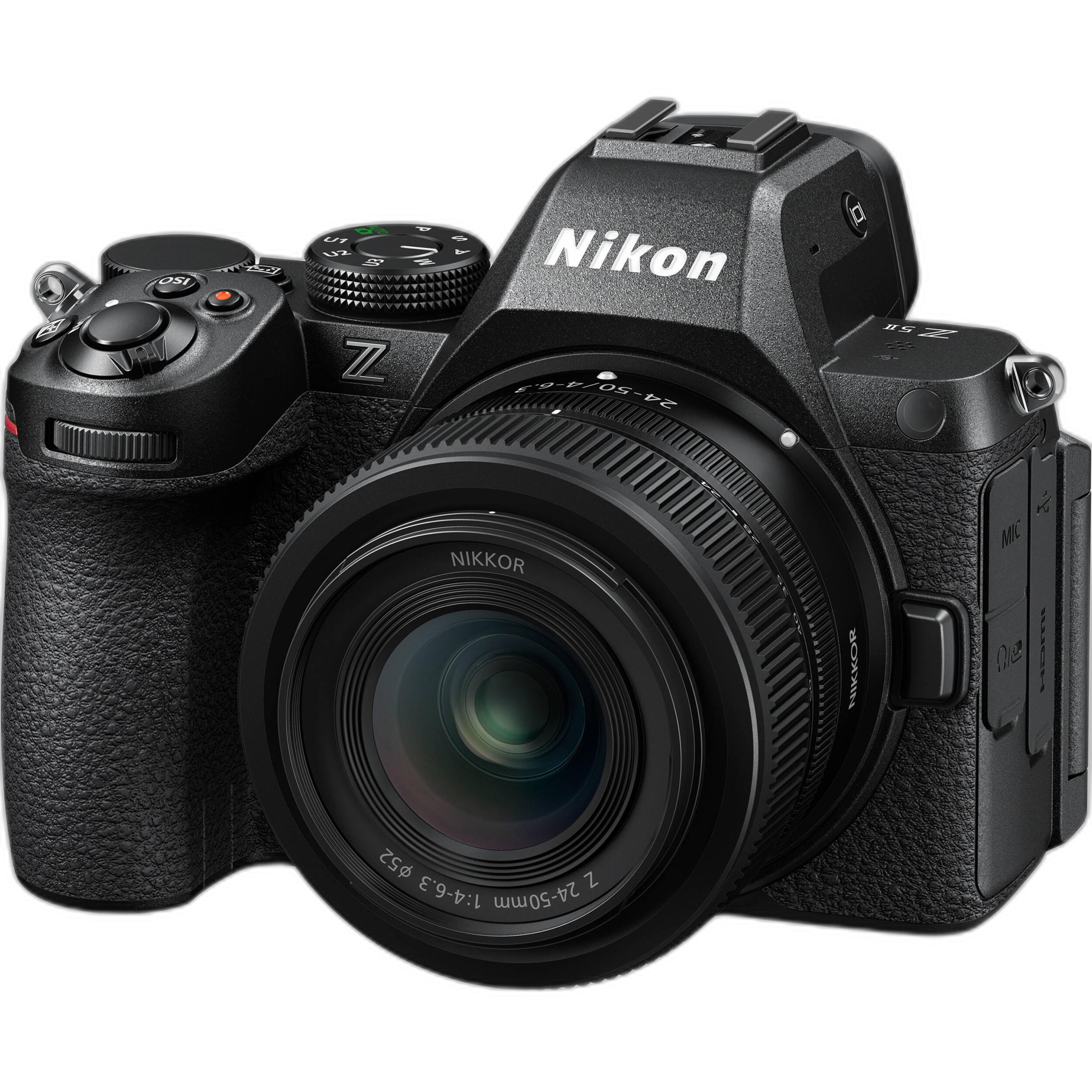
A New Entry Point for Nikon Full-Frame Mirrorless
By the summer of 2020, Nikon had already established the Z system with higher-tier models that demonstrated the promise of its new mount and mirrorless direction. The Z5 represented an important next step: not a flagship, but a camera designed to broaden the appeal of the system. Historically, this was a significant move. Camera makers have long depended on strong midrange and enthusiast bodies to bring more photographers into a lens ecosystem, and the Z5 clearly served that role for Nikon.
The significance of the Z5 was not simply that it was more affordable than earlier full-frame Z bodies. It also showed Nikon’s intent to make the Z mount a complete system rather than a niche premium platform. With full-frame image quality, stabilization built into the body, and a lower price of entry, the Z5 looked positioned to attract travel photographers, portrait shooters, hobbyists upgrading from APS-C, and longtime Nikon DSLR users considering the mirrorless transition.
Core Specifications at Launch
Nikon centered the Z5 around a feature set that balanced capability with accessibility. The announced specifications highlighted the essentials many photographers care about most:
- Sensor: 24.3MP full-frame
- Mount: Nikon Z
- Image Stabilization: 5-axis in-body image stabilization
- Launch Price: $1,399 USD
On paper, that combination was compelling. A 24.3-megapixel full-frame sensor sits in a well-established sweet spot: high enough in resolution for detailed prints and cropping flexibility, while remaining practical for general photography workflows. It is the kind of specification that historically appeals to a broad audience because it prioritizes all-around usefulness over headline-chasing excess.
Why 24.3MP Full-Frame Mattered
In 2020, the full-frame market had become increasingly segmented. Some cameras pushed very high resolution for studio and landscape work, while others emphasized speed or video-centric features. The Nikon Z5’s 24.3MP sensor suggested a different philosophy. This was a camera for everyday serious photography: portraits, family events, travel, street work, and general-purpose shooting where image quality, dynamic range, and low-light performance matter more than spec-sheet extremes.
That sensor class had already earned a reputation across the industry as a dependable format for enthusiasts and professionals alike. For many buyers, full-frame itself remained a major step up, and Nikon’s decision to place a 24.3MP sensor in a lower-cost Z body made that jump more attainable.
The Importance of 5-Axis IBIS
One of the most noteworthy aspects of the Z5 at launch was the inclusion of 5-axis in-body image stabilization. Stabilization in the body had become a major competitive feature in mirrorless cameras, and Nikon’s decision to include it here reinforced that the Z5 was not a stripped-down compromise in the areas that mattered most to real-world shooting.
For photographers, IBIS can be valuable across many scenarios: handholding in lower light, using non-stabilized lenses, shooting travel scenes at slower shutter speeds, or simply gaining extra confidence in day-to-day work. In the context of Nikon’s system evolution, its presence in the Z5 helped demonstrate that stabilization was becoming a core part of the Z experience rather than an exclusive premium feature.
The Z Mount Advantage
The Z5’s place in Nikon history cannot be understood apart from the Nikon Z mount. Introduced as the foundation of Nikon’s mirrorless future, the Z mount gave the company a new platform for lens design and long-term system growth. By 2020, one of the key questions surrounding any new camera body was not just what it could do on its own, but what system it invited photographers into.
That is where the Z5 was especially important. It lowered the barrier to entry into Nikon’s mirrorless lens ecosystem. For customers new to Nikon mirrorless, it opened the door to native Z lenses. For existing Nikon shooters, it offered a more affordable reason to begin building around the company’s new mount. Historically, these gateway cameras often matter enormously because they shape adoption far beyond their own sales numbers.
The Z mount also carried symbolic weight. Nikon was signaling that mirrorless was no longer just a premium showcase for early adopters. With the Z5, it was becoming the practical path forward for mainstream enthusiasts.
Positioning the Z5 in Nikon’s 2020 Lineup
At the time of its announcement, the Nikon Z5 appeared tailored to photographers who wanted the benefits of full-frame and mirrorless technology without paying for a higher-tier model. The launch price of $1,399 made that positioning unmistakable. In the broader market context of 2020, price remained one of the biggest hurdles in full-frame adoption, and Nikon addressed that directly.
This was a strategic release. Nikon did not need the Z5 to be the most specialized camera in the lineup. It needed it to be approachable, credible, and clearly connected to the strengths of the Z system. The spec list reflected that aim. A full-frame sensor, built-in stabilization, and the Z mount formed a package that made sense for a large segment of the market.
For Nikon DSLR users in particular, the Z5 likely read as a familiar kind of product: a sensible enthusiast body with room to grow. That familiarity mattered during a transition period when many photographers were weighing the benefits of staying with established DSLR gear versus adopting mirrorless systems.
A Camera for Enthusiasts, Upgraders, and Everyday Full-Frame Use
The Z5 was easy to understand, and that was part of its strength. It was not announced as a specialist tool for one narrow genre. Instead, it fit the longstanding Nikon tradition of building cameras for broad photographic use. The 24.3MP full-frame sensor offered versatility. The 5-axis IBIS added practical shooting confidence. The Z mount connected buyers to Nikon’s next-generation system. And the price made the package accessible enough to draw serious consideration from a wide audience.
That broad appeal is often what gives cameras lasting historical importance. Many landmark models are not the most extreme cameras of their era, but the ones that made a new format or system reachable for more people. From that perspective, the Nikon Z5 stands as one of the important bridge products in Nikon’s mirrorless transition.
Historical Perspective
Looking back, the Nikon Z5 announcement marked a key stage in the normalization of full-frame mirrorless cameras. Just a few years earlier, full-frame mirrorless remained relatively premium and, for many photographers, aspirational. By 2020, the category was maturing, and cameras like the Z5 helped redefine expectations. Full-frame no longer had to mean top-tier pricing, and in-body stabilization was no longer reserved only for flagship bodies.
For Nikon, the Z5 represented more than a single product release. It was evidence that the company was building a layered mirrorless lineup with room for newcomers as well as advanced users. In archival terms, it occupies an important place as one of the cameras that helped make the Z system more broadly attainable.
Conclusion
The Nikon Z5, announced on July 21, 2020, brought together a 24.3MP full-frame sensor, 5-axis IBIS, and the Nikon Z mount in a body priced at $1,399 at launch. In doing so, it gave Nikon a true entry-level full-frame mirrorless option and offered photographers an inviting path into the Z system at a pivotal moment in the market’s shift toward mirrorless technology.
For photographers interested in Nikon history, full-frame mirrorless development, or current Nikon gear, Unique Photo is a great place to buy, compare, or learn more about the cameras and lenses that have shaped the modern photographic landscape.