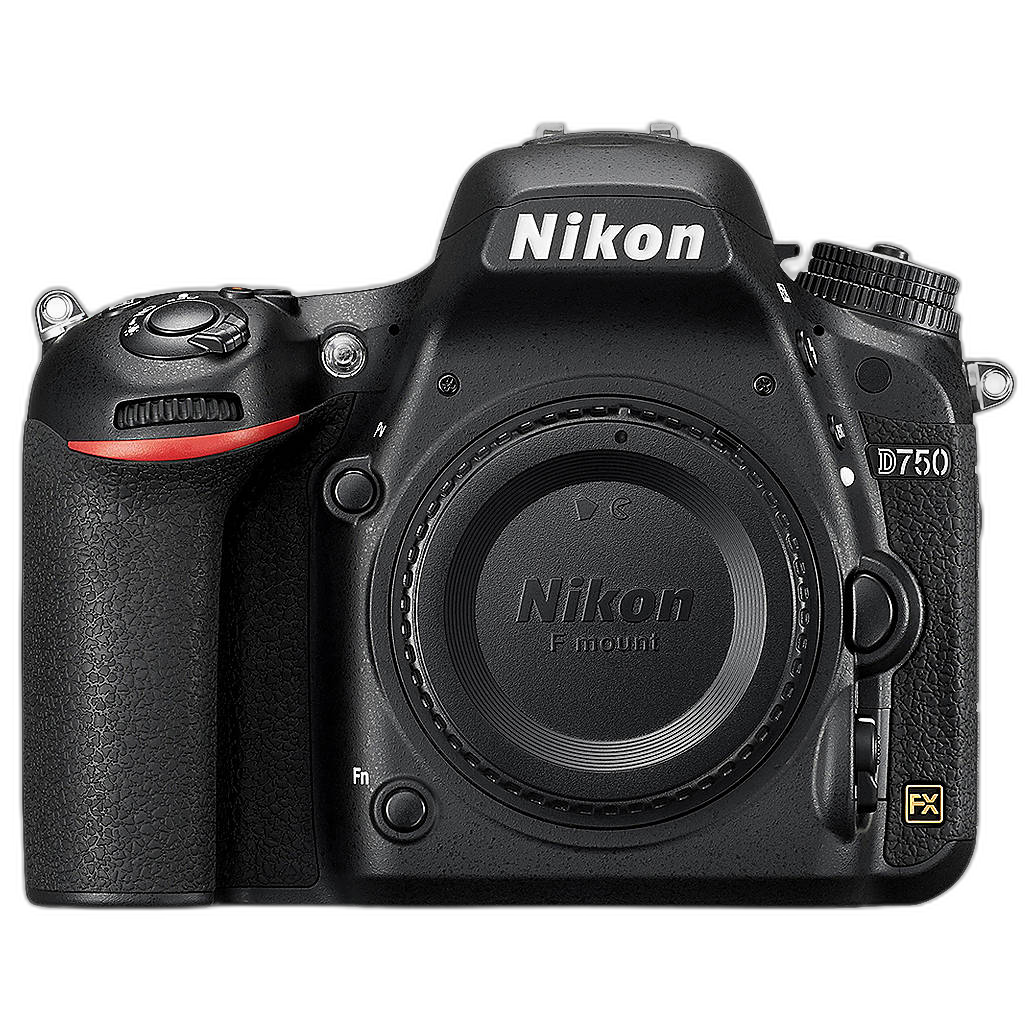
When Nikon introduced the D750 in September 2014, it arrived at a particularly interesting moment in the DSLR era. Full-frame capture was no longer reserved only for the most expensive professional bodies, but photographers still expected meaningful differences between enthusiast models and flagship cameras. The Nikon D750 quickly stood out by offering a practical, highly capable balance of image quality, speed, portability, and handling. For wedding photographers, event shooters, portrait specialists, and generalists who needed dependable performance without stepping all the way up to the top-tier pro bodies, it felt like a camera designed with real working conditions in mind.
Looking back, that is a major reason the D750 remains so fondly remembered. It was not merely a spec-sheet exercise. It was a camera whose strengths made immediate sense in the field: a 24.3MP full-frame sensor, Nikon F mount compatibility, and a launch price of $2,299 placed it in a compelling position for serious photographers who wanted full-frame capability in a more approachable package.
A Well-Timed Full-Frame DSLR
By 2014, Nikon's DSLR lineup had already established clear identities across several tiers. Some photographers wanted the highest resolution possible, while others prioritized rugged pro-body construction and speed. The D750 entered this landscape as a versatile middle path: a full-frame DSLR that emphasized broad usability rather than specialization alone.
That positioning mattered. Wedding and event photographers often need a camera that can adapt quickly to changing conditions rather than excel only in a narrow category. A long day can include formal portraits, dimly lit interiors, dance floors, quick candid moments, and fast transitions between lenses and lighting setups. In that context, the D750's appeal was obvious from the start. It promised strong full-frame image quality in a body that was easier to carry for hours, with controls and ergonomics familiar to Nikon users.
The 24.3MP Full-Frame Sensor Sweet Spot
One of the D750's defining features was its 24.3MP full-frame sensor. Even at launch, this resolution occupied a sweet spot that many photographers considered ideal. It delivered enough detail for large prints, wedding albums, editorial work, and commercial applications, while avoiding some of the workflow burdens associated with significantly higher-resolution files.
That balance was especially helpful for event professionals. A wedding photographer may come home with thousands of images from a single assignment. File size, editing speed, storage requirements, and delivery timelines all matter. In that sense, 24.3 megapixels offered a practical compromise between detail and efficiency. It was enough resolution to feel confidently professional, without turning every job into a data-management challenge.
Just as important, full-frame capture continued to carry aesthetic and technical advantages that many photographers valued deeply in 2014. The larger sensor format supported the look many portrait and wedding shooters wanted, particularly when paired with fast Nikon F-mount prime lenses. Depth of field control, broad lens compatibility, and the overall rendering associated with Nikon's full-frame system made the D750 a natural fit for photographers already invested in the brand.
Designed for Real Assignments
What made the D750 more than just another full-frame DSLR was how intentionally it seemed tuned for everyday professional use. Nikon did not frame it solely as an entry point into full-frame photography; instead, it felt like a mature tool for photographers who understood exactly what they needed.
For wedding shooters, reliability and comfort can be just as important as headline specifications. A camera may spend ten or twelve hours in hand, sometimes longer, moving from ceremony to portraits to reception coverage. Cameras that look impressive on paper can become less appealing if they are tiring to carry, awkward to operate quickly, or difficult to trust in changing light. The D750 earned attention because it appeared to address those concerns in a practical way.
Its role as a workhorse came from this broader philosophy. It was a camera for professionals and serious enthusiasts who needed one body to do many things well. That is often the difference between a beloved camera and a merely competent one: not whether it dominates a single benchmark, but whether it consistently delivers under pressure.
Nikon F Mount Flexibility
The Nikon F mount was another major part of the D750's value. By 2014, Nikon users already had access to a wide range of lenses spanning portrait, wide-angle, telephoto, macro, and event-oriented zoom options. For photographers considering the D750 as a business investment, that continuity mattered enormously.
A wedding photographer building a system around a pair of standard zooms and a set of fast primes could integrate the D750 into an existing Nikon kit with minimal friction. Portrait specialists could pair it with classic F-mount lenses for shallow-depth-of-field work. Event shooters could choose lenses based on venue size, lighting conditions, and shooting style. The D750 benefited from joining a mature ecosystem rather than asking photographers to buy into something entirely new.
That lens compatibility also helped reinforce the camera's reputation for versatility. The body itself was compelling, but its true usefulness expanded through the breadth of available Nikon glass. In practical terms, that meant the D750 could be configured for everything from formal bridal portraits to documentary-style reception coverage.
Why Wedding and Event Photographers Paid Attention
The phrase “workhorse” is often overused in camera writing, but it genuinely suits the D750. Wedding and event photography demand a specific combination of strengths. Cameras in this category need to produce attractive files, respond quickly, handle long hours gracefully, and inspire confidence when key moments cannot be repeated.
The D750 checked many of those boxes in a way that felt grounded rather than flashy. Its 24.3MP full-frame sensor gave photographers room to crop when needed and enough detail for client delivery across print and digital formats. Its place in Nikon's system meant photographers could rely on familiar lenses and accessories. Its $2,299 launch price positioned it as serious equipment, but still within reach for working professionals looking to expand or update a kit.
That pricing was especially significant. For independent photographers and small studios, every purchase has to justify itself in bookings, efficiency, and long-term utility. The D750's cost placed it in an aspirational but realistic range for many wedding and event shooters. It represented a meaningful investment, yet one tied to broad practical use rather than niche appeal.
A Camera That Fit the Era
Seen from the vantage point of the mid-2010s, the D750 reflected what many photographers wanted from a modern DSLR: strong image quality, dependable all-around performance, and a body that did not feel excessive for daily use. It was introduced during a period when DSLR design had become highly refined, and the best cameras often succeeded not by revolution but by thoughtful execution.
That is an important historical point. The D750 did not need to reinvent Nikon's full-frame formula to matter. Instead, it refined the idea of what a broadly useful full-frame Nikon DSLR could be. It combined professional credibility with accessibility, which is part of why it made such an impression on wedding, event, and portrait photographers at the time.
In archival perspective, the D750 represents a classic phase of Nikon's DSLR development: a stage when full-frame cameras were becoming more attainable while still retaining a strong sense of professional purpose. It was not only a camera people admired in reviews. It was a camera people carried to jobs, trusted with client work, and built businesses around.
Legacy of the D750
Years later, discussions of the Nikon D750 still tend to circle back to the same core idea: balance. It offered a sensor resolution that remained highly practical, broad Nikon F-mount compatibility, and a launch price that made sense for serious working photographers. More than that, it landed with a reputation for being usable, sensible, and well judged.
Not every important camera becomes important because it is the most expensive, the fastest, or the most technically ambitious. Some earn their place because they answer the real needs of photographers with unusual clarity. The D750 was one of those cameras. For weddings and events especially, it captured the attention of photographers who needed dependable performance in a full-frame DSLR that felt ready for long days and demanding assignments.
As a historical camera, the Nikon D750 remains a standout example of Nikon's ability to build tools for photographers who work in the real world. To learn more about Nikon cameras, explore classic gear, or shop current photo equipment, visit Unique Photo.