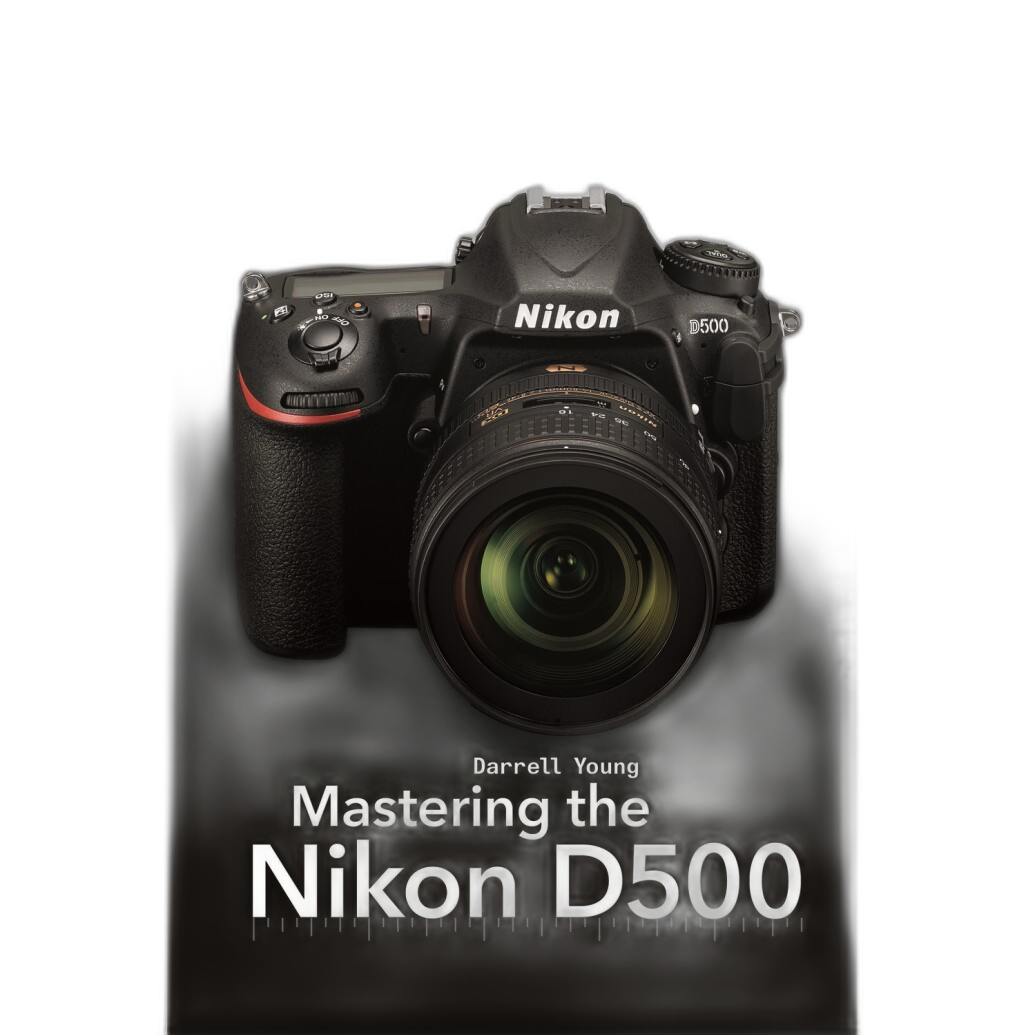
When Nikon unveiled the D500 on January 5, 2016, it immediately felt like more than just another enthusiast DSLR. For photographers who had long hoped for a true flagship-style DX body, this was the camera many had been waiting for. The D500 arrived with a clear mission: bring professional speed, autofocus performance, and rugged handling to the APS-C format without compromise. In a market increasingly split between entry-level crop-sensor cameras and full-frame prestige models, Nikon made a decisive statement with the D500.
Seen from the perspective of its release period, the D500 stood out as a camera designed for action. Sports, wildlife, aviation, and photojournalism shooters all understood the appeal right away. Its 20.9MP APS-C sensor, 10 fps continuous shooting, and 153-point autofocus system positioned it as one of the most serious crop-sensor DSLRs ever produced under the Nikon F mount. At a launch price of $1,999 in the U.S., it was not inexpensive, but it was also clearly aimed at photographers who valued performance over entry-level affordability.
A Long-Awaited DX Flagship
By early 2016, Nikon users had spent years wondering whether the company would deliver a true high-end DX successor for demanding action work. The D500 answered that question emphatically. Rather than treating APS-C as a stepping stone to full frame, Nikon treated the format here as a legitimate professional tool in its own right.
That distinction mattered. APS-C brought practical benefits for certain kinds of photography, especially when paired with telephoto lenses. Wildlife and sports photographers often appreciated the tighter angle of view provided by the smaller sensor format, effectively helping subjects fill the frame. In that context, a fast, rugged, pro-oriented DX body made enormous sense. Nikon recognized that and built the D500 accordingly.
Core Specifications That Defined the Camera
The headline specifications told the story quickly. The Nikon D500 featured a 20.9MP APS-C sensor, a 10 fps burst rate, and a 153-point autofocus system, all built around the Nikon F mount. Those numbers were not mere marketing flourishes; they described a camera intentionally engineered for speed, responsiveness, and subject tracking.
20.9MP APS-C Sensor
The 20.9MP APS-C sensor struck a smart balance for the intended audience. It offered ample resolution for publication, cropping, and large prints while avoiding the sense that the camera had been tuned for megapixel headlines over operational performance. For sports and wildlife photographers, that balance was especially appealing. Many shooters would rather have a sensor-and-processor combination optimized for speed and dependable handling than a higher-resolution chip that might slow the overall photographic experience.
10 fps Continuous Shooting
A 10 fps burst rate immediately placed the D500 in serious company at launch. For capturing peak action, wing positions in flight, a ball leaving the hand, or a fleeting expression on the sidelines, burst speed often determines whether a camera feels merely capable or genuinely competitive. Ten frames per second gave the D500 the kind of pace that action specialists demanded, and it reinforced Nikon’s message that this was a no-compromise DX machine.
153-Point Autofocus
If one specification defined the D500’s ambition, it was the 153-point autofocus system. For fast-moving subjects, autofocus performance is often more important than almost any other feature. The promise here was clear: the D500 was intended to lock on, track, and keep working under difficult conditions where lesser cameras might hesitate. In the release-era conversation, this autofocus system was central to why the model generated so much excitement among Nikon loyalists and working shooters alike.
Why the D500 Mattered for Sports and Wildlife
The D500 was not simply a fast APS-C DSLR. It was a camera that made a persuasive case for DX as a specialist format. In sports and wildlife photography, the smaller sensor’s field-of-view crop could be an advantage rather than a limitation. Pair the D500 with Nikon F-mount telephoto glass and photographers could achieve tighter framing without immediately stepping up to even longer, heavier, and more expensive lenses.
That practical reality made the D500 especially attractive to bird photographers, field sports shooters, and anyone who regularly worked at the long end. The camera’s combination of burst speed and autofocus sophistication suggested that Nikon understood exactly what this audience wanted. It was not about building a “junior pro” camera. It was about building a purpose-driven one.
Just as importantly, the D500 arrived at a time when DSLR buyers were increasingly making sharper distinctions about what they needed. Some wanted full-frame image prestige; others needed a camera that could react instantly and survive intensive use. The D500 spoke directly to the latter group.
A Nikon F-Mount Workhorse
Because the D500 used the Nikon F mount, it fit naturally into an established ecosystem that many photographers already trusted. For longtime Nikon users, that continuity was a major strength. Existing lens collections could move straight onto the new body, and photographers invested in Nikon telephotos could take immediate advantage of the camera’s APS-C format and action-oriented design.
That compatibility also reinforced the D500’s status as a practical tool rather than a niche experiment. It was built to slot into real working kits. A camera like this did not need to introduce a new mount or create a new category; it needed to deliver results with the lenses photographers already relied on. In that respect, the D500 felt grounded, confident, and very much in line with Nikon’s broader DSLR heritage.
Release-Era Positioning and Value
At a U.S. launch price of $1,999, the D500 entered the market as a premium APS-C body. That price reflected its ambitions. Nikon was not pitching it as a casual upgrade for beginners. Instead, it was clearly positioned for advanced enthusiasts, dedicated hobbyists, and professionals who either preferred DX for specific assignments or wanted a highly capable second body alongside full-frame equipment.
In release-period terms, the D500’s price made sense precisely because of how complete the package appeared. Buyers were paying for autofocus sophistication, burst speed, and a body philosophy rooted in demanding photography. That gave the camera a distinct identity: not the cheapest route into Nikon DSLR ownership, but arguably one of the most compelling performance-per-dollar options for action photographers who did not require full frame.
The D500’s Historical Reputation
Looking back, the Nikon D500 holds a special place in DSLR history because it represented a mature, highly focused answer to a very specific photographic need. It was not trying to be everything for everyone. It was trying to be the best APS-C Nikon DSLR for speed-driven work, and that clear identity is a large part of why it has remained so respected.
Many cameras are remembered for broad popularity; others are remembered because they perfectly served a demanding niche. The D500 belongs to the second category, though its appeal was hardly narrow. It became widely regarded as one of the standout APS-C DSLRs of its era, especially for sports and wildlife applications. In many ways, it embodied the peak of what a pro-grade crop-sensor DSLR could be within the Nikon F system.
Even in a changing market, that reputation endures. The D500 remains an important historical reference point when discussing Nikon’s DSLR lineup, the serious potential of APS-C cameras, and the era when high-performance action photography still found one of its strongest expressions in a rugged optical-viewfinder body.
Final Thoughts
The Nikon D500 arrived in 2016 with the confidence of a flagship and the format advantages of APS-C. Its 20.9MP sensor, 10 fps shooting, and 153-point autofocus system made it an instantly credible tool for sports and wildlife photographers, while the Nikon F mount ensured it would integrate seamlessly into existing kits. More than a specification sheet, the D500 represented a philosophy: that crop-sensor cameras could be unapologetically professional.
For photographers revisiting landmark Nikon bodies, the D500 remains one of the most important and admired DX cameras of the DSLR era. To explore Nikon history, compare classic camera bodies, or shop current gear, visit Unique Photo to buy or learn more.