Mirrorless vs DSLR in 2024: Which System Should You Buy?
Choosing between mirrorless and DSLR in 2024 is less about image quality and more about features, ecosystem, and how you like to work. As a leading camera retailer and educator, Unique Photo breaks down what truly matters so you can invest with confidence.
Is it still worth buying a DSLR in 2024?
Yes—if it matches your needs and budget. DSLRs remain excellent for optical viewfinder purists who prefer a lag-free, battery-efficient shooting experience, and they’re a tremendous value on the used market. For genres like studio, landscape, or flash-heavy portraiture, a DSLR’s robust ergonomics and long battery life can be a perfect fit. That said, most manufacturers are concentrating innovation in mirrorless systems. If you’re planning a long-term system build with the latest autofocus, video, and lens options, mirrorless is the direction of travel.
Are mirrorless cameras better for action and wildlife?
For most shooters, yes. Mirrorless cameras deliver subject-detection autofocus (people, animals, birds, vehicles), blackout-free bursts, high frame rates, and pre-capture features that help you nail fleeting moments. Real-time AF across a large portion of the frame is a major advantage over the dedicated AF modules used in DSLRs. The trade-off is battery demand and the learning curve of EVF behavior during long bursts. If action is your priority, a modern mirrorless body will typically offer the best keeper rate and tracking performance.
How does battery life compare between mirrorless and DSLR?
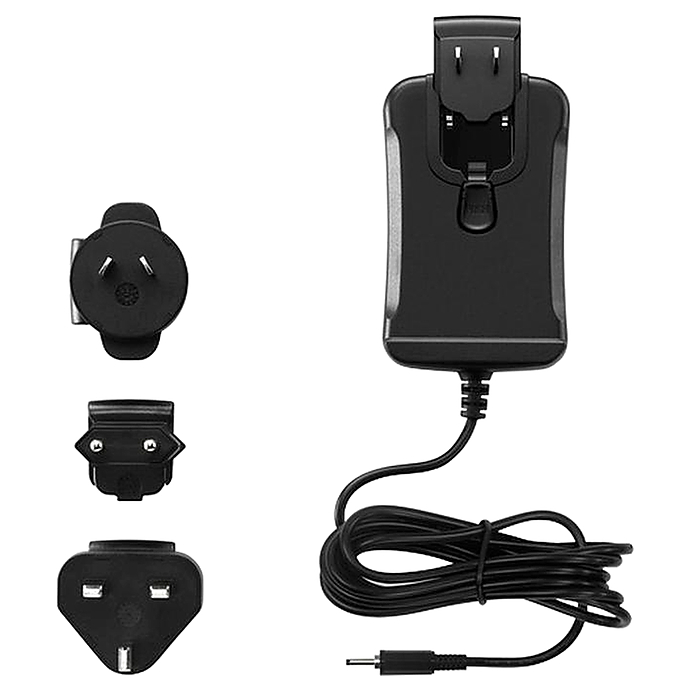
DSLRs usually last longer per battery thanks to their optical viewfinders. Mirrorless bodies power electronic viewfinders and on-sensor AF, which draws more current. The latest mirrorless cameras have improved efficiency and support USB-C power delivery, but expect to carry extra batteries for long days. Practical tips: reduce EVF refresh for static scenes, disable Bluetooth when not needed, and consider USB-C power for time-lapse and video if your camera supports it. For creators who also use a dedicated cinema B‑cam, proper power management is essential—for example, Blackmagic shooters can keep their Pocket Cinema Camera powered with the Blackmagic Design Power Supply for Pocket Cinema Camera.
What are the main drawbacks of switching to mirrorless?
The biggest considerations are cost and transition complexity. You may need new lenses to fully exploit mirrorless AF and stabilization, and some adapted DSLR lenses won’t match native performance. Electronic shutters can introduce rolling shutter artifacts with fast panning, and EVFs—though excellent—feel different from optical viewfinders. For heavy video use, thermals can limit recording time on some models. None of these are deal-breakers for most photographers, but they’re worth planning for when budgeting your move.
Will my DSLR lenses work on a mirrorless body?
Often, yes—via brand-specific adapters. Canon EF to RF and Nikon F to Z adapters maintain autofocus and metadata with many lenses. Image quality is typically excellent, but AF behaviors, burst performance, and eye/subject detection may vary by lens and adapter. If you rely on adapted lenses for critical work (sports, weddings), test your specific combinations. Over time, investing in native mirrorless glass yields the best AF reliability, stabilization synergy, and video performance.
Which system is better for video and hybrid creators?
Mirrorless shines for hybrid use. Expect advanced codecs, in-body stabilization, subject-detect AF in video, focus breathing compensation, and accessories like full-size HDMI and UVC streaming on newer bodies. DSLRs can produce beautiful footage, but most lack modern AF and monitoring tools. If video is a primary focus, consider adding a dedicated cinema body alongside your mirrorless kit—Unique Photo supports creators with pro accessories and protection plans, like the RED Extended Warranty for KOMODO‑X for customers working in the RED ecosystem.

How do size and weight factor into the decision?
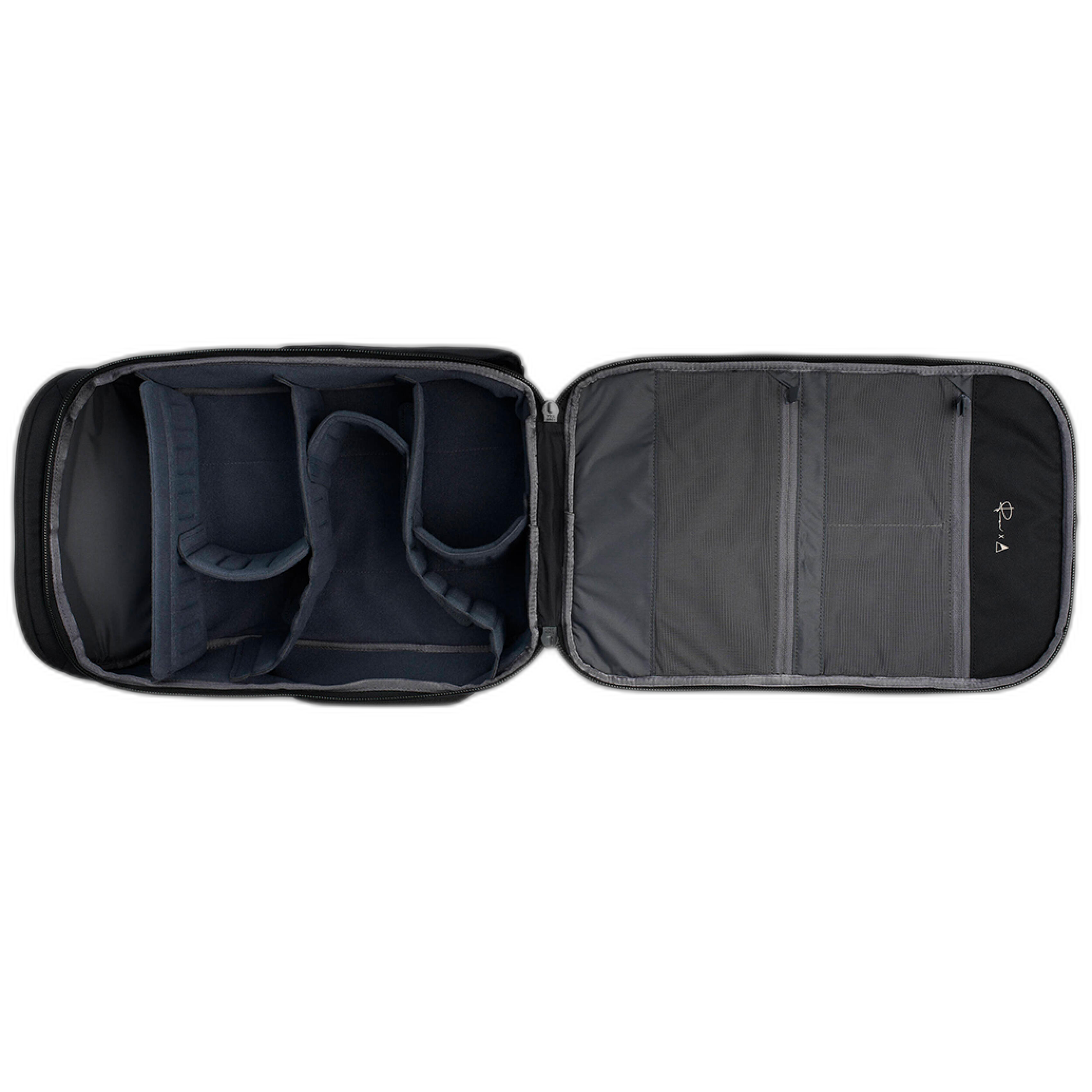
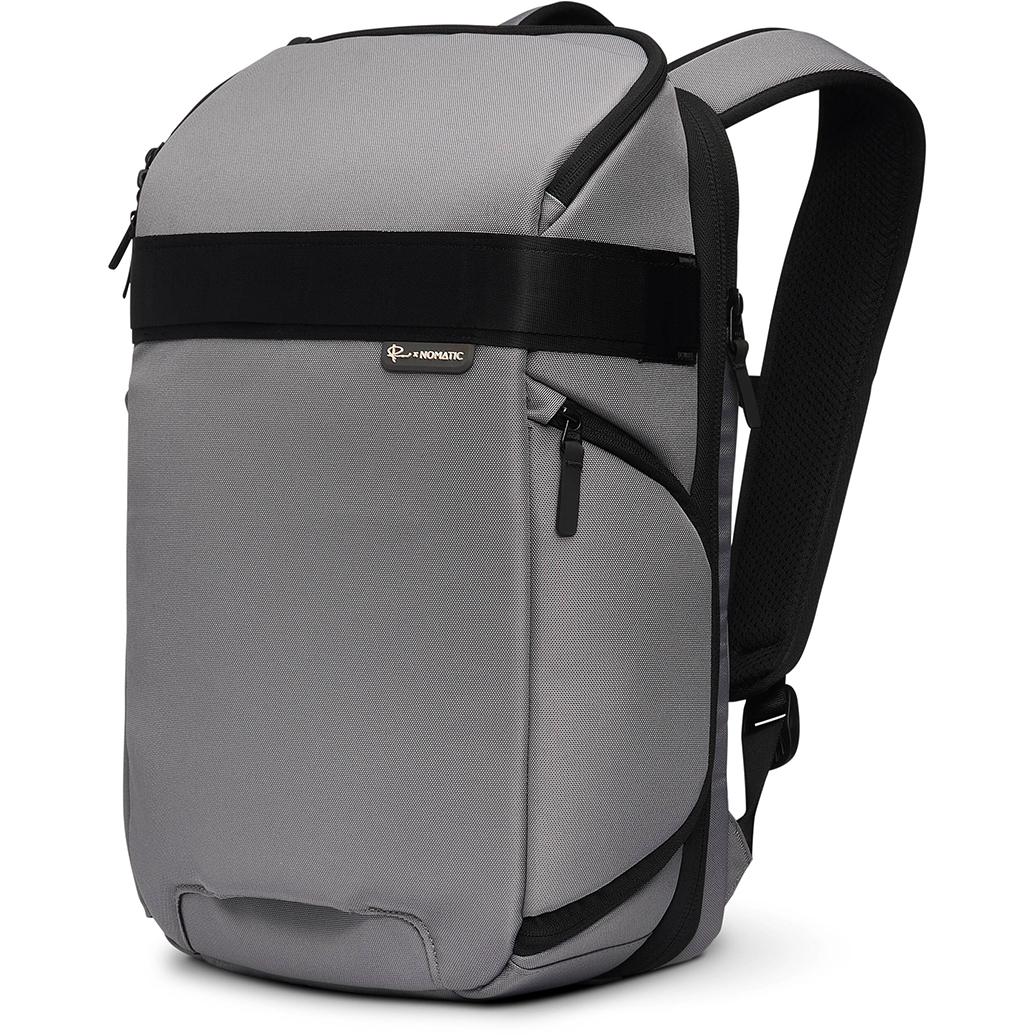
Mirrorless bodies are generally smaller, but pro lenses—especially bright telephotos—remain sizable. Travel and hiking shooters often benefit from mirrorless ecosystems with compact lenses, especially Micro Four Thirds. For example, an all-in-one zoom like the OM SYSTEM M.Zuiko Digital ED 12–200mm f/3.5–6.3 offers enormous range in a lightweight package. Pair your compact kit with a smart carry solution like the Nomatic Luma Camera Pack 18L—slim, organized, and perfect for mirrorless travel setups.
What should I budget for when transitioning to mirrorless?
Plan beyond the body. Account for native lenses you’ll want right away, extra batteries, media, and any grip or cage you need. Accessories like a comfortable strap (e.g., the PGYTECH Camera Strap Slim) improve all-day usability. Protect your investment with manufacturer-backed coverage where available—Nikon shooters can add Nikon Care 2‑Year Camera Warranty options to eligible bodies—and consider pro warranties for cinema gear where appropriate. Thoughtful planning ensures your new system is truly ready on day one.
Ready to get hands-on? Visit Unique Photo in Fairfield, NJ or shop online for expert guidance, trade-in evaluations, and the gear that fits your workflow—from mirrorless bodies and lenses to bags, power, and warranties. Our team is here to help you choose with confidence.