Mirrorless vs. Dedicated Camcorders for Event Videography: Which Should You Use?
When you are covering weddings, conferences, festivals, or recitals, choosing the right video system can make or break your day. Two proven paths dominate event work: modern mirrorless cameras and dedicated camcorders. This head-to-head comparison breaks down how each performs for real-world event needs—image quality, reliability, autofocus, audio, ergonomics, and more—so you can pick confidently.
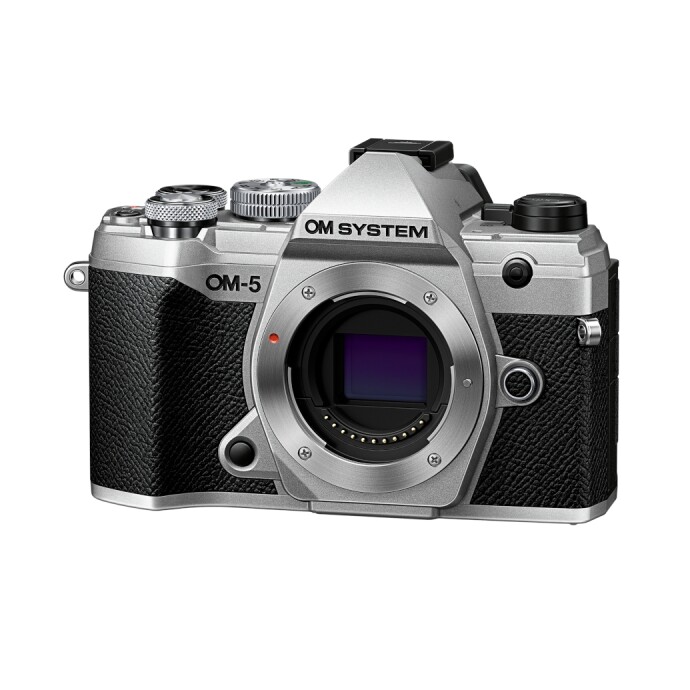


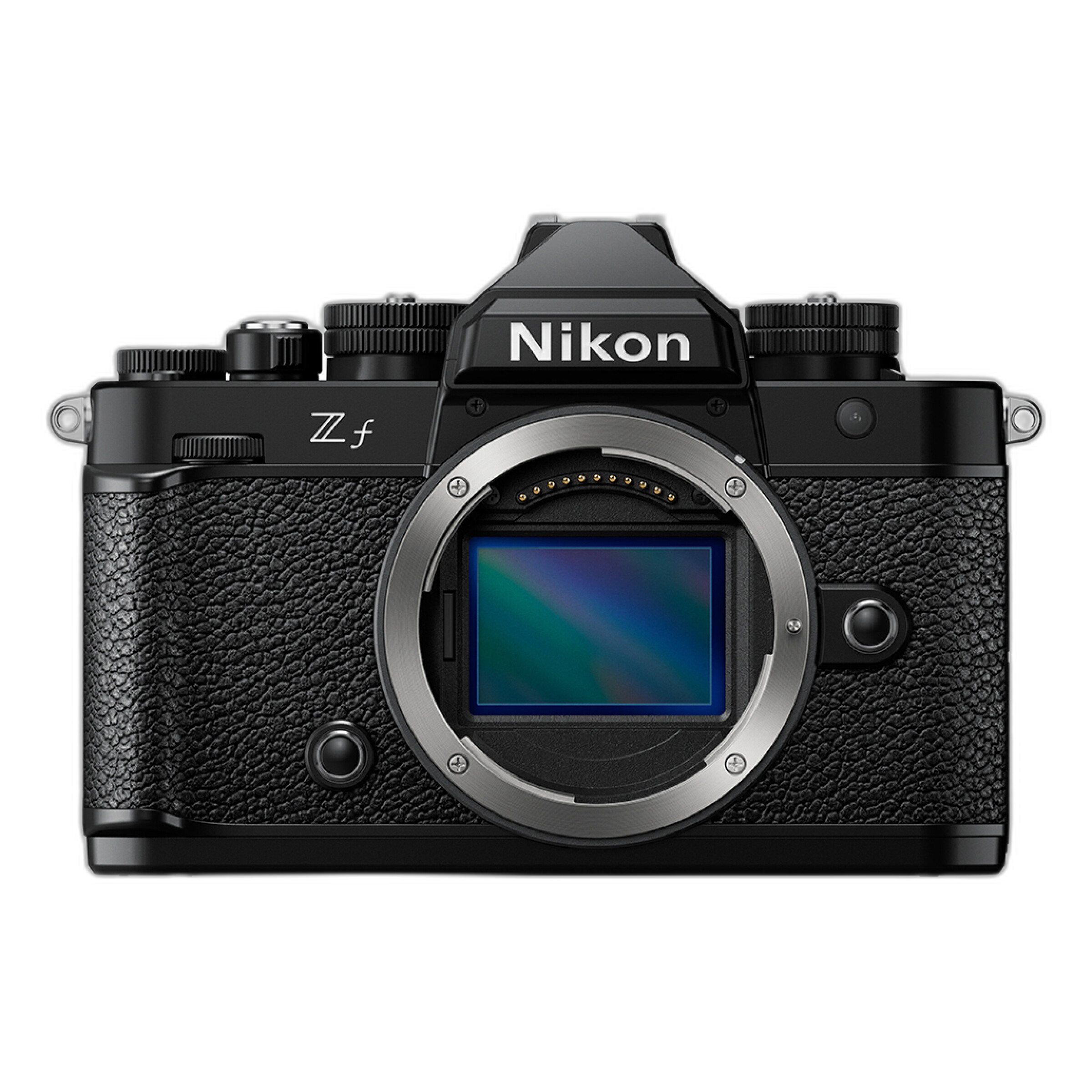
We reference several popular mirrorless bodies above as examples of the category—ranging from Micro Four Thirds to full-frame—because sensor size and lens choice heavily influence the look of your footage. For camcorders, we compare against typical professional models in the same budget ranges.
At-a-Glance Specs and Feature Comparison
| Category | Mirrorless Cameras (e.g., OM SYSTEM OM-5, Nikon Zf, Lumix S9) | Dedicated Camcorders (General) |
|---|---|---|
| Sensor size & look | Larger sensors (MFT to full-frame) for shallow depth of field and low-light potential | Often 1-inch to smaller; deeper depth of field for easier focus during run-and-gun |
| Lenses | Interchangeable; huge creative range with primes and fast zooms | Fixed zooms with long servo reach; limited DOF control but very practical |
| Stabilization | Advanced IBIS on many bodies; stabilized lenses available | Optical stabilization plus shoulder/handheld-friendly form factors |
| Autofocus | Excellent subject-detect AF on newer bodies; varies by model | Reliable continuous AF tuned for video; face/subject tracking varies by tier |
| Recording limits & thermals | Some models limited by heat and file duration; varies | Designed for long-form, continuous recording with robust thermal management |
| Codecs & bitrates | From basic 8-bit to advanced 10-bit/All-I; log profiles on many bodies | Consistent broadcast-friendly codecs and long-GOP/All-I options |
| Audio I/O | 3.5 mm standard; XLR via optional adapters on select models | Pro XLR inputs with phantom power and physical audio controls built-in |
| Power & runtime | Mirrorless batteries are compact; USB power and grips help for long shoots | Optimized for all-day recording; larger batteries and hot-swap on higher tiers |
| Ergonomics | Compact, photo-first bodies; rigs add bulk for video comfort | Video-first design with top handles, zoom rockers, ND filters |
| Neutral density (ND) | External screw-in or matte box filters | Often built-in motorized NDs for fast exposure control |
| Stills capability | High-quality stills and hybrid workflows | Video-only; stills capture is not a focus |
| Typical use | Cinematic highlight reels, hybrid photo/video coverage, creative looks | Long-form coverage: ceremonies, talks, recitals, press conferences |
Image Quality and Low Light
Mirrorless cameras excel with larger sensors that deliver shallower depth of field and cleaner low-light performance. Full-frame bodies like the Nikon Zf and Lumix S9 produce a polished, cinematic look. Micro Four Thirds options such as the OM SYSTEM OM-5 balance portability, stabilization, and adequate low-light results. Camcorders counter with deeper focus that keeps subjects sharp during unpredictable moments—great for conferences and stage work under mixed lighting.
Advantage: Mirrorless for cinematic look; Camcorders for consistent focus in fast-paced coverage.
Autofocus and Stabilization
Modern mirrorless AF is excellent for faces and subject tracking, and bodies with IBIS help smooth handheld movement. Camcorders provide dependable continuous AF tuned for video and integrate well with shoulder rigs or tripods, delivering stability through design rather than add-ons.
Advantage: Tie—mirrorless leads in subject recognition; camcorders lead in form-factor stability.
Recording Reliability and Thermal Management
Camcorders are purpose-built to roll all day with minimal overheating concerns, straightforward file segmentation, and uninterrupted power. Mirrorless bodies have improved in recent generations, but long, unbroken recordings and high-heat environments can still require careful planning (external power, conservative settings, or external recorders).
Advantage: Camcorders.
Audio Control
For events, clean audio is critical. Camcorders commonly include pro XLR inputs, phantom power, physical dials, and clear metering. Mirrorless bodies typically provide 3.5 mm inputs and digital audio over hot-shoe or XLR adapters on select systems—effective, but less integrated than a camcorder.
Advantage: Camcorders.
Ergonomics, Zoom, and Speed of Operation
Camcorders win for event ergonomics: top handles, zoom rockers for smooth servo zooms, built-in NDs, and a body shape built to live on a tripod or shoulder rig. Mirrorless wins for compactness—great for travel and discreet coverage—but often benefits from cages, top handles, and external ND filters for event comfort.
Advantage: Camcorders for run-and-gun; Mirrorless for compact kits.
Lenses and Creative Flexibility
Mirrorless systems offer vast lens ecosystems. Fast primes and specialty optics let you craft a signature look for highlight films and brand stories. Camcorders trade that creative range for practical reach: fixed zooms that go from wide to tight with a smooth rocker—gold for ceremonies and stage coverage.
Advantage: Mirrorless for artistic control; Camcorders for practical reach.
Workflow and Deliverables
Both systems now offer robust codecs, log profiles, and color flexibility. Mirrorless can require more planning for exposure (external NDs) and power. Camcorders save time with built-in NDs and audio control, often accelerating delivery of long-form edits. For cinematic edits, mirrorless footage from larger sensors offers more latitude and that coveted shallow DOF look.
Advantage: Depends on deliverable—long-form favors camcorders; cinematic highlights favor mirrorless.
Cost of Ownership
Entry and mid-tier mirrorless bodies can be more affordable and double for still photography. However, factor in accessories (cage, audio adapter, NDs, power solutions). Camcorders may cost more up front but reduce accessory spend and setup complexity for long-form, multi-hour gigs.
Advantage: Mirrorless for hybrid value; Camcorders for integrated event toolkit.
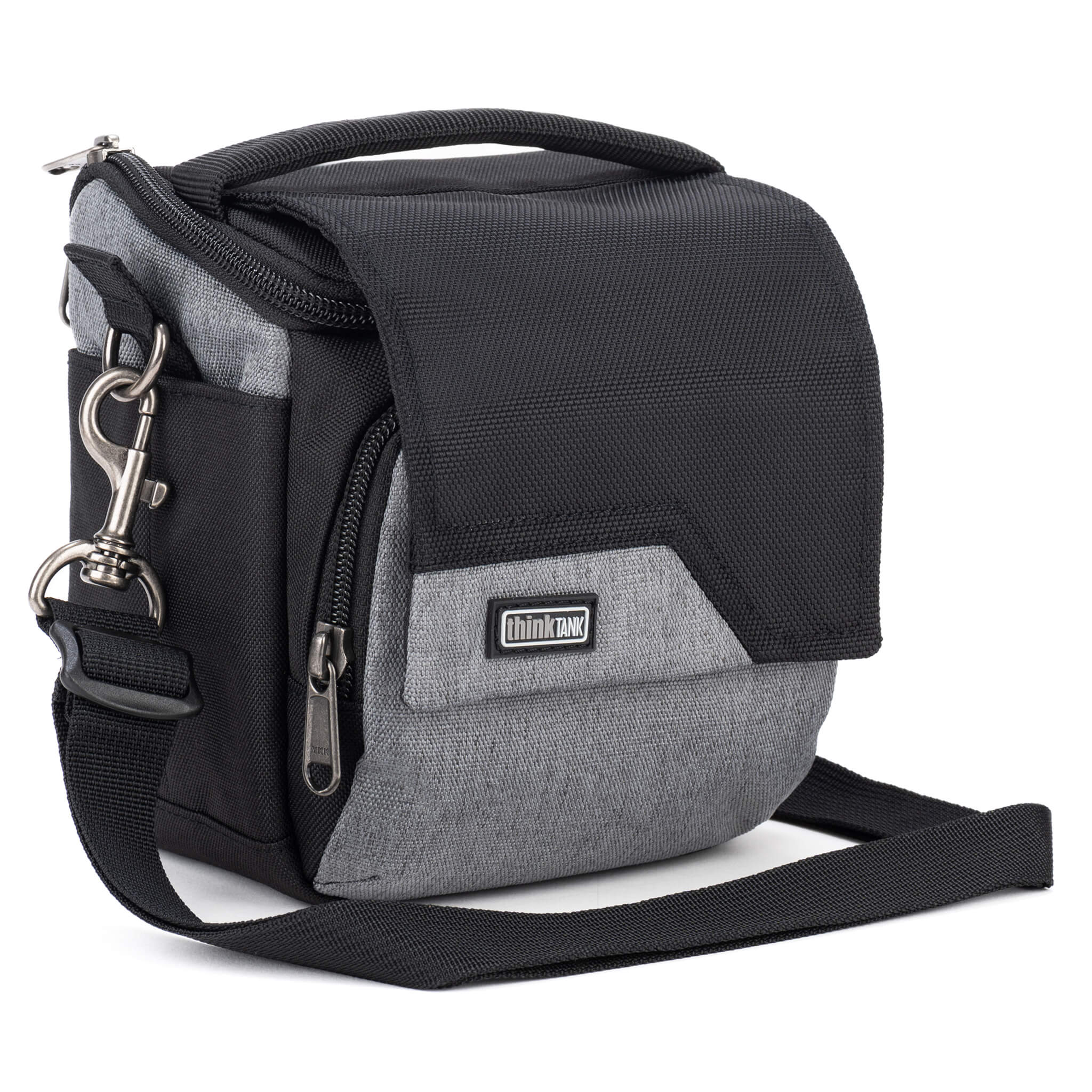

Accessorizing matters: a compact bag like the Think Tank Mirrorless Mover keeps small mirrorless kits fast and organized, while education through Unique University workshops helps you master fast-paced event techniques regardless of your system.
Use-Case Recommendations
- Weddings and hybrid coverage (photo + cinematic highlight film): Mirrorless shines with larger sensors and lens flexibility.
- Conferences, lectures, recitals, and long ceremonies: Camcorders excel with long recording times, servo zooms, and built-in audio.
- Solo operators needing minimal rigging: Camcorders reduce setup time; modern mirrorless can work if you add the right accessories.
- Teams capturing both stills and video: Mirrorless simplifies gear sharing and color/look consistency.
Our Pick
Final Thoughts
Both mirrorless cameras and dedicated camcorders are outstanding for event work—it comes down to your deliverables and shooting style. Need cinematic looks and hybrid flexibility? Mirrorless. Need uninterrupted long-form reliability with integrated audio and servo zooms? Camcorder. Whichever way you go, Unique Photo can help you build the right kit, from bodies and lenses to bags and education—so you can focus on telling the story, not fighting the gear.