Tell Stronger Stories in Feature Photography
Great feature photography reads like a short story—clear intent, vivid scenes, and moments that reveal character. Whether you’re new or seasoned, the best narratives come from purposeful composition, thoughtful subject interaction, contextual backgrounds, and post‑processing that supports (not distracts from) the message. Here’s a practical, field‑tested guide to help your images say more with less.
Tips to Build a Visual Narrative
1) Begin with a one‑line story
Before you lift the camera, write a single sentence that sums up the feature: who it’s about, what’s at stake, and why it matters. Let that sentence guide shot choices—opener, medium context, and detail frames—so your edit reads coherently.
- Draft a shot list: establishing scene, key moment, reaction, process/hand detail, environment, and closing portrait.
- Define mood: hopeful, gritty, intimate, urgent—then shape light, color, and lensing to match.
2) Compose with intention: lines, balance, and rhythm
Use leading lines to pull the viewer to your subject; balance frames with negative space; and repeat shapes for rhythm. Vary focal lengths to change the viewer’s relationship to the subject—wide to include context, standard for natural perspective, and short tele for intimacy.
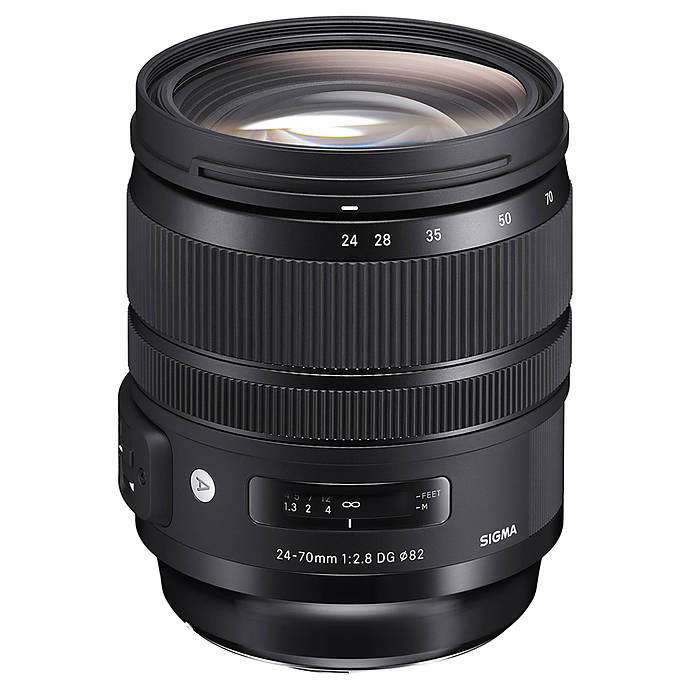
A fast 24–70mm lets you pivot compositionally without changing lenses mid‑moment. A used, constant‑aperture option like the Used Sigma 24‑70mm f/2.8 DG OS HSM ART for Nikon F gives you speed for low light and subject isolation when the story calls for it.
3) Build rapport: interact to reveal character
Authentic moments come from trust. Introduce yourself, explain your intent, and ask open‑ended questions that invite participation. Then shift between engagement and quiet observation.
- Prompt with action: “Can you show me how you prep?”
- Use eye‑contact portraits sparingly to punctuate a sequence of candid frames.
Eye‑detect AF helps you focus on connection, not focus points. A high‑resolution body like the Used Sony A7R V Body Only—paired with fast glass—keeps eyes sharp as expressions change, freeing you to time the moment.
4) Make context a character
Feature images breathe when the environment speaks. Step back to include place cues—tools, signage, architecture—or push in and layer background details that reinforce the subject’s world. Telephoto compression can stack meaningful elements into readable layers without clutter.
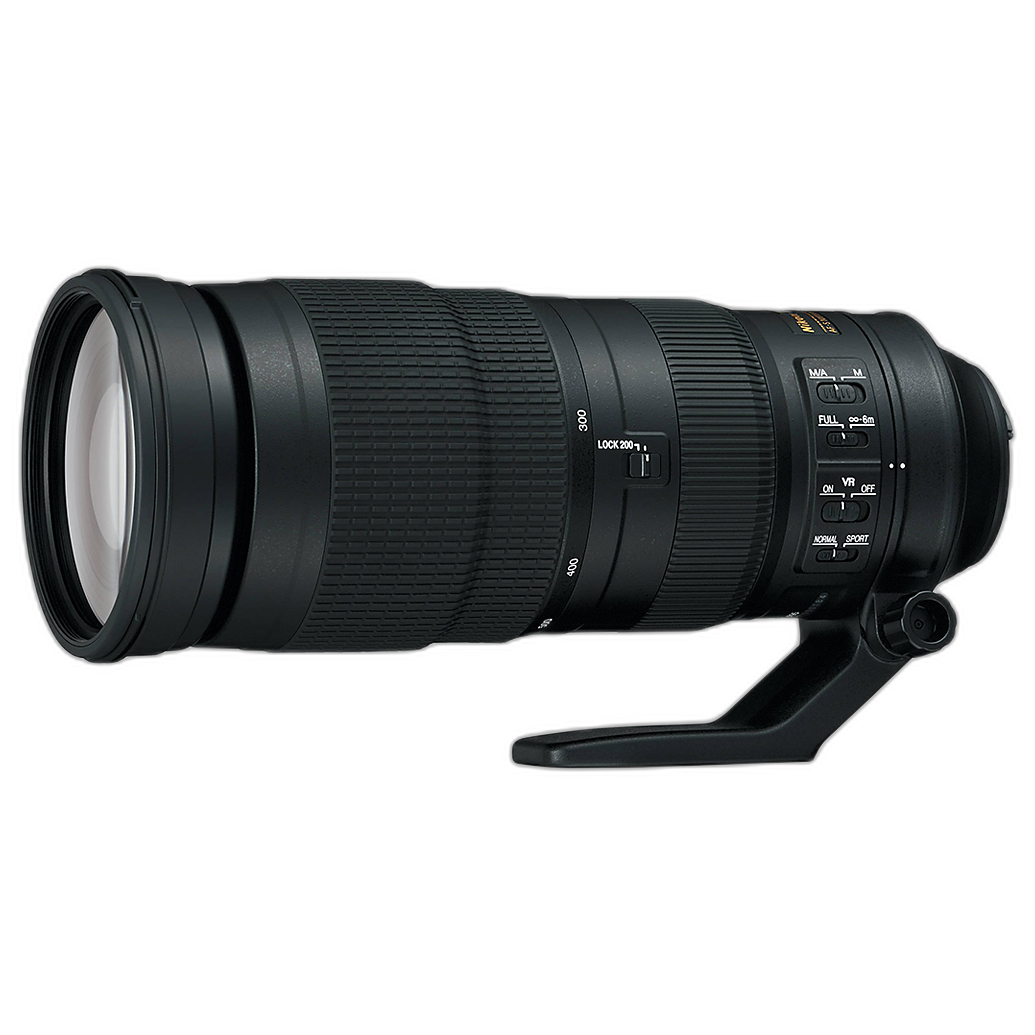
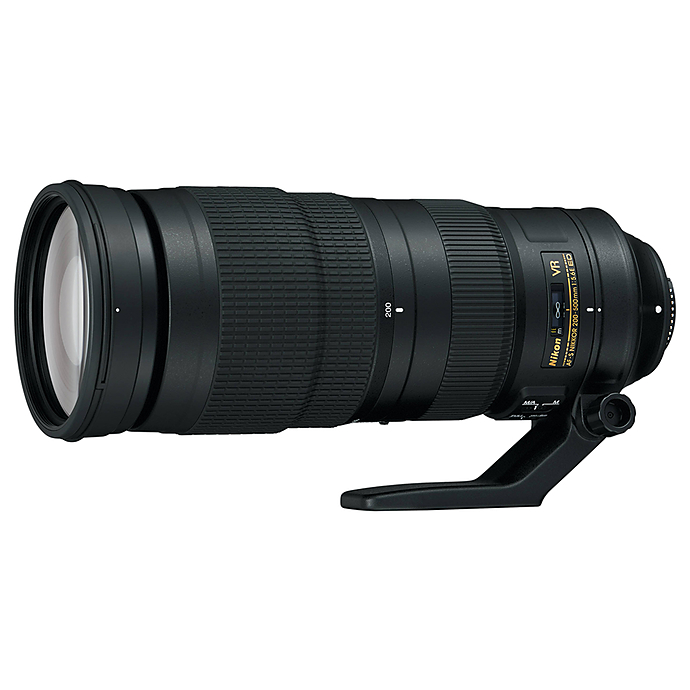
For distant or layered scenes (sports features, outdoor work, or wildlife‑adjacent stories), a tele zoom like the Used Nikon AF‑S NIKKOR 200‑500mm f/5.6E ED VR lets you compress backgrounds and isolate gestures without intruding.
5) Layer foreground, midground, background
Physical depth guides the eye and adds context. Shoot through doorways, foliage, or practical objects to frame your subject; keep the midground clean; and let the background echo the theme. When you want blur for separation, open to f/2.8; when environment matters, stop down slightly to hold key details.
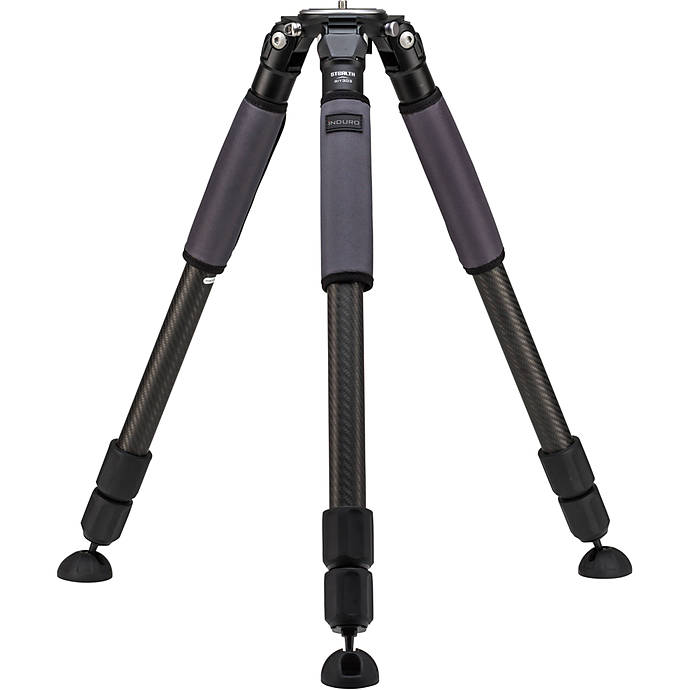
Stability helps when you pre‑compose and wait for action to enter the frame or when you drag shutter to convey movement. A rigid support like the Used Induro GIT303 Grand Induro Tripod holds compositions rock‑steady for layered, long‑look frames and consistent sequences.
6) Shape light to match the message
Light is mood. Soft side‑light reveals texture without drama; backlight adds glow and silhouette; hard midday light can underline grit. Use negative fill (turn your back to a dark wall) to deepen shadows, or step a subject into open shade to keep skin tones clean.
- Expose for intent: protect highlights for airy stories, or ride the shadows for moody features.
- White balance consistently across a sequence so the narrative feels cohesive.
7) Sequence deliberately: openers, moments, and details
Think in sets, not singles. Aim for a versatile kit that covers opener (wider), moment (normal/short tele), and detail (close focus). A 24–70mm can carry most of that, backed by tele reach when needed. Shoot transitional beats—hands, tools, signage—to bridge scenes in your edit.
8) Post‑process to reinforce, not reinvent
Editing is where the story’s tone locks in. Keep it ethical and consistent.
- Color palette: gently unify hues; avoid heavy split‑toning that distracts from content.
- Local adjustments: dodge faces to guide attention; burn bright edges to keep viewers in frame.
- Contrast and clarity: subtle micro‑contrast enhances texture without over‑crunching.
- Crop with purpose: preserve gesture and sightlines; maintain sequence aspect ratios for flow.
Create a style preset for the project so every image feels like part of the same chapter.
Bring it together
Story‑driven photography rewards planning, empathy, and restraint. Choose compositions that serve your one‑liner, interact to reveal character, let context speak, and edit with a light touch. When you’re ready to refine your kit, explore used staples like the Used Sigma 24‑70mm f/2.8, the Used Nikon 200‑500mm f/5.6E ED VR, and the Used Induro GIT303 tripod—smart, budget‑friendly tools available at Unique Photo. Happy shooting—and happy storytelling.