Mirrorless vs. Camcorders for Live Event Videography
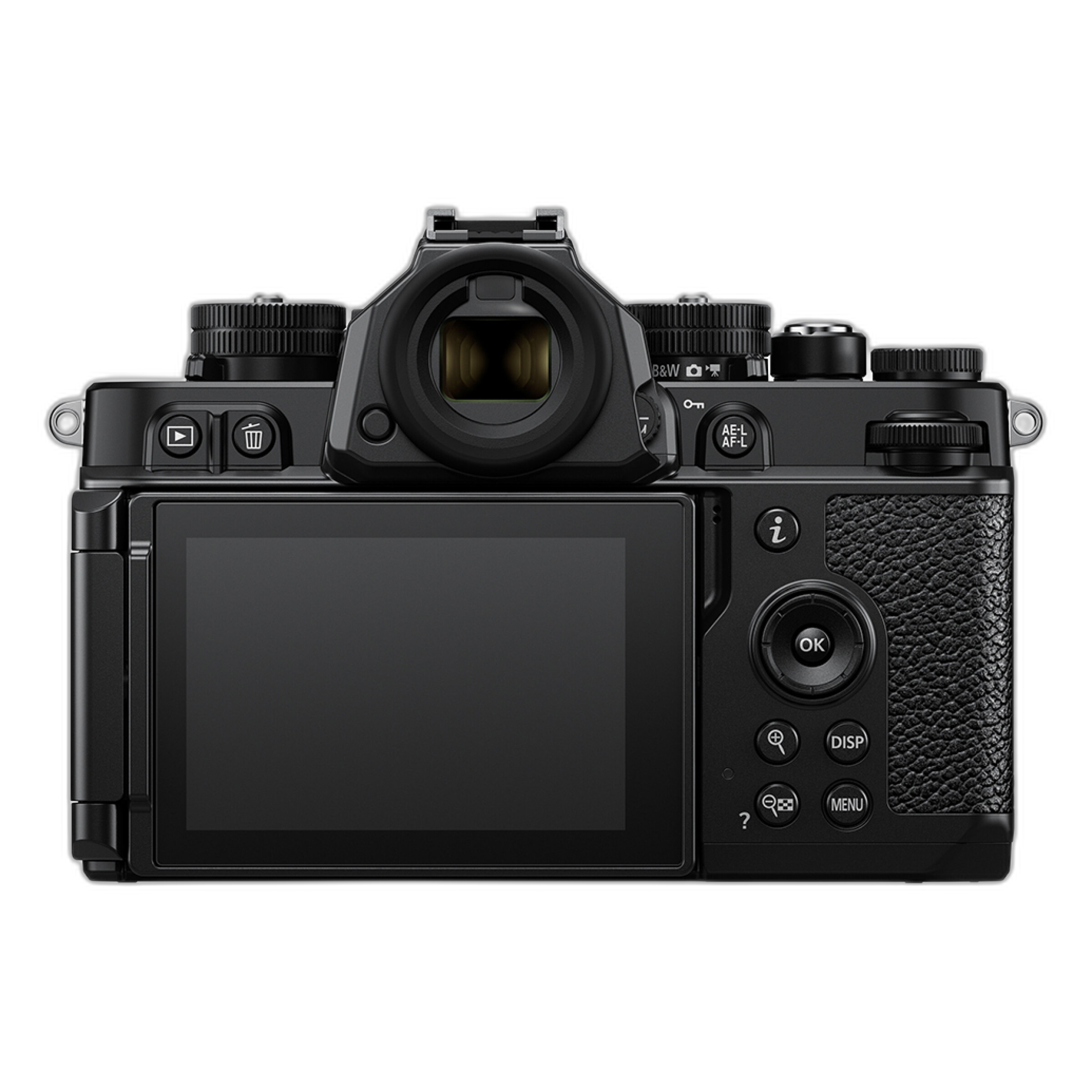
Live events demand gear that’s fast, reliable, and great with audio. Should you run a modern mirrorless camera or a dedicated camcorder? Below, we compare both options through the lenses of audio features, autofocus performance, and practical usability so you can choose the right tool for your stage, ceremony, or conference.


At-a-Glance Comparison
| Category | Mirrorless Cameras | Camcorders |
|---|---|---|
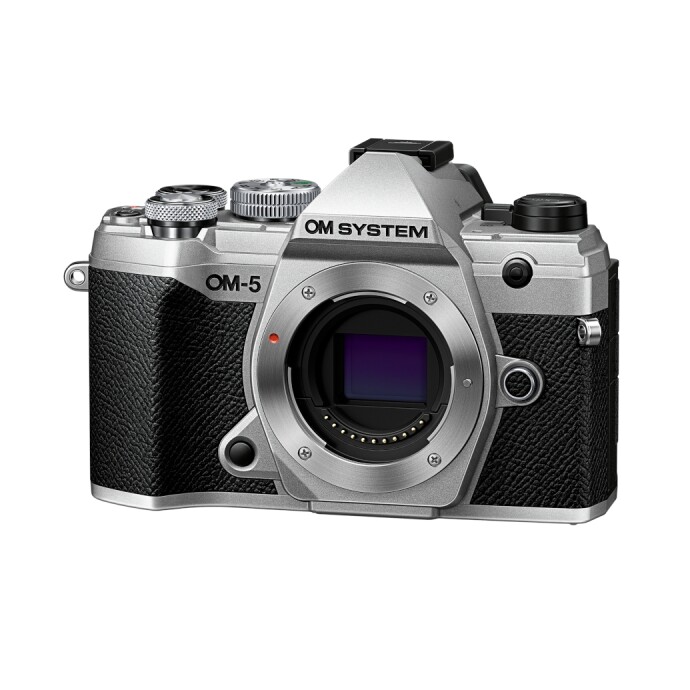
| Form Factor | Compact, modular; requires accessories for video-centric builds | Purpose-built video bodies with controls where you need them |
| Audio I/O | 3.5mm mic inputs common; XLR via add-on modules/adapters | Often includes built-in XLRs with phantom power and physical dials |
| Autofocus | Advanced subject/face/eye AF on many models; shallow DoF look | Reliable continuous AF; deeper DoF helps keep subjects in focus |
| Recording Duration | Often long/“unlimited” on recent models; heat may vary by model | Designed for long-form recording with robust thermal management |
| ND Filters | External/variable ND needed | Built-in ND is common for fast exposure control |
| Stabilization | Many offer IBIS; gimbal-friendly | Optical/IS common; shoulder/handheld ergonomics |
| Zoom | Interchangeable lenses; power-zoom optional | Integrated servo zooms with smooth rocker control |
| Outputs/Streaming | Clean HDMI/USB (UVC) common on many models | Full-size HDMI/SDI and tally options more common |
| Image Quality | Larger sensors common; strong low-light and cinematic look | Consistent color and exposure; smaller sensors on many models |
| Power | USB PD/dummy battery solutions; smaller batteries | Larger batteries and hot-swap options on pro units |
| Cost | Great value for hybrid photo/video; scalable | Priced for video-first users; turnkey for events |
| Best For | Hybrid shooters, cinematic live looks, mobile rigs | Long ceremonies, conferences, and single-op reliability |
Category-by-Category Analysis
Audio Features
Audio can make or break a live event video. Camcorders typically win on built-in, ready-to-go audio: dedicated XLR inputs with phantom power, physical level knobs, and clear metering. That means grabbing a podium mic and a wireless lav at once is straightforward, with fewer adapters and less menu-diving.
Mirrorless cameras usually include a 3.5mm mic input and headphone monitoring, with higher-end options supporting digital audio adapters or XLR modules. With the right adapter, you can get dual XLRs and clean preamps on many mirrorless bodies. The tradeoff is more pieces to manage—and more points of failure—when you’re moving fast.
Autofocus Performance
Mirrorless systems have surged ahead in subject detection and eye/face tracking. For handheld audience cutaways, processional walk-ins, or fast-moving panelists, modern mirrorless AF can lock on and stay sticky, even with shallow depth of field. That said, shallow DoF also means missed focus is more visible if tracking slips.
Camcorders often rely on deeper depth of field and tuned continuous AF for steady coverage. The combination of a servo zoom and a focus system optimized for video is excellent for long takes, and the viewfinder ergonomics make manual override effortless. High-end camcorders now add advanced AF, but category-wide, the mirrorless AF advantage—especially for people detection—is strong.
Practical Usability & Ergonomics
Camcorders are turnkey: built-in NDs, top handles, tally lights, full-size HDMI/SDI on many models, and a rocker zoom for smooth, repeatable framing. If you’re a single operator covering a two-hour ceremony from a tripod, that convenience is hard to beat.
Mirrorless rigs are smaller and lighter, great for gimbals, travel, and mixed photo/video days. Add a compact bag and a couple of lenses and you’re extremely mobile. You’ll need to plan ND filters, audio modules, and power solutions—but you’ll also enjoy a highly customizable setup.
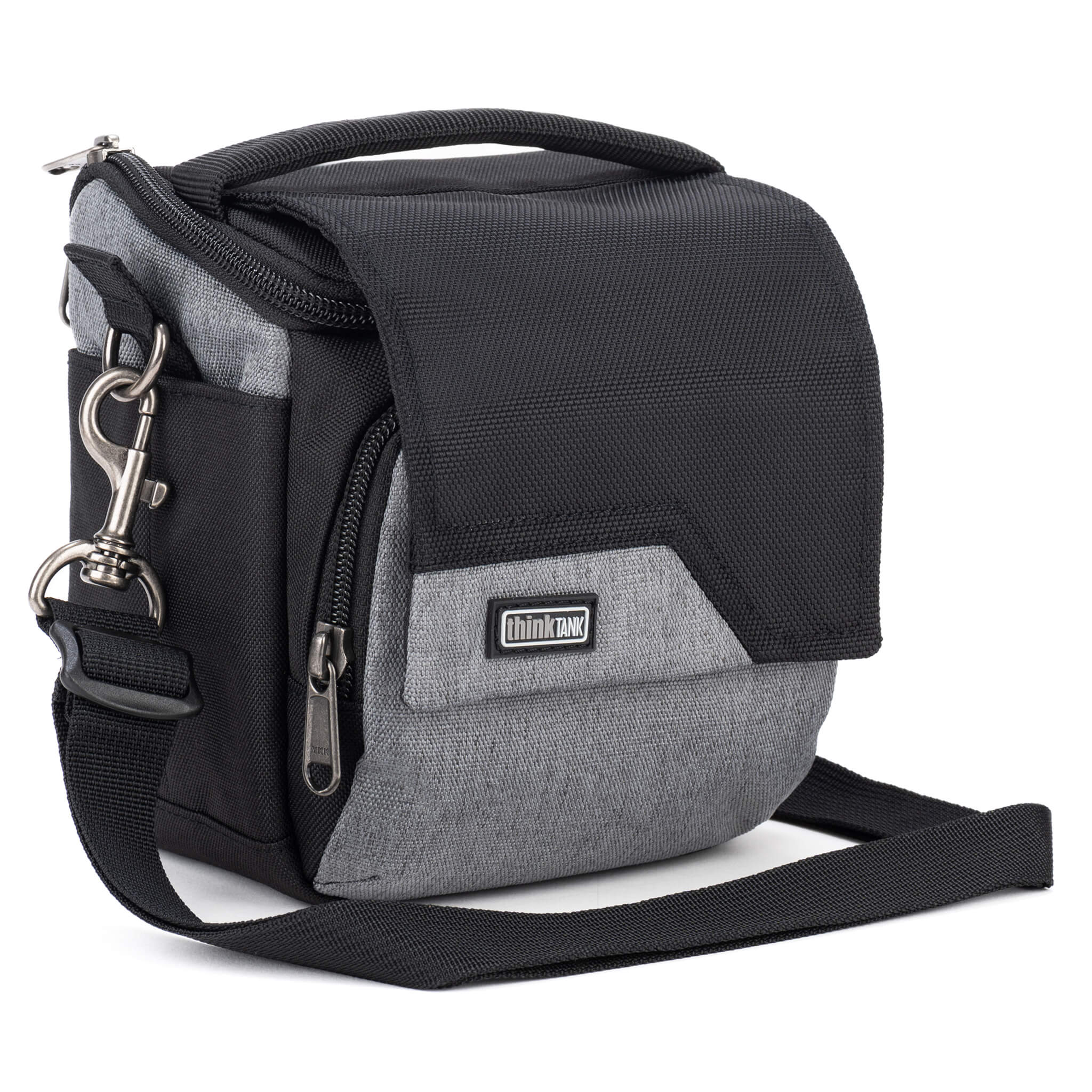
Image Quality & Low-Light
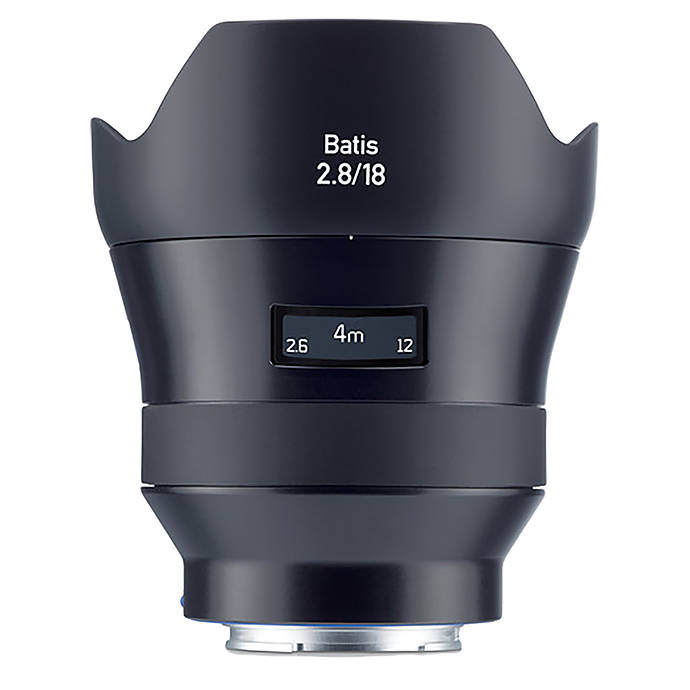
Mirrorless cameras commonly offer larger sensors and fast lenses, delivering cleaner low-light performance and a cinematic look—great for dim receptions, stage wash, and dramatic key lighting. Interchangeable lenses let you move from a fast prime for speeches to an ultra-wide for establishing shots in seconds.
Camcorders emphasize consistency and control. Smaller sensors (typical in many camcorders) yield more in-focus content and predictable exposure across long takes, and built-in ND helps you stay at optimal shutter and aperture mid-show.
Recording Formats & Media
Camcorders are engineered for long clips and continuous operation. Many offer dual card recording for backup, long-GOP codecs tuned for long-form work, and robust thermal design.
Mirrorless models increasingly offer 10-bit internal recording, clean HDMI/USB for streaming, and long or “unlimited” record times in recent generations. Heat and recording limits vary by model—always test for your room temperature and clip length.
Power, Heat & Reliability
For multi-hour programs, camcorders shine with big batteries, optional power bases, and reliable thermal management. They’re built to roll and roll.
Mirrorless bodies can run on USB PD or dummy batteries for all-day power in a compact footprint. As with recording limits, reliability is model-dependent; with a proper rig (external power, airflow, and cable management), mirrorless can be rock-solid for events.
Lenses, Stabilization & Accessories
Mirrorless: massive lens ecosystems, including fast primes and stabilized zooms. In-body image stabilization (IBIS) on many bodies keeps handheld interludes smooth, and gimbal setups stay compact. Need a sweeping ultra-wide for the venue? Easy.
Camcorders: integrated zooms with servo control offer fast reframing and consistent balance—ideal for long, uninterrupted coverage from a single vantage point.
Price & Value
On a tight budget, mirrorless kits deliver excellent image quality and modern autofocus plus the ability to shoot stills. Add-on audio and power accessories increase cost but keep the kit flexible. Camcorders focus value on video-first features out of the box—fewer accessories, faster setup, and less to go wrong during live coverage.
Our Pick
If your work is primarily long-form, fixed-position coverage (weddings, houses of worship, conferences) where you need built-in XLRs, servo zoom, and guaranteed all-day operation with minimal rigging, a camcorder remains the safer, streamlined tool.
Level Up with Unique Photo
Whichever route you choose, Unique Photo can help you build a dependable event kit—from bags and power to lenses and audio. Want to get more out of your mirrorless autofocus and video settings? Check out our classes and events.
Visit Unique Photo online or in-store for expert advice, hands-on demos, and the accessories that make your next live event a success.